Explained: Why over 2 lakh doctors are on strike in Maharashtra—and what the row over 'crosspathy' is about

&imwidth=600&imheight=450&format=webp&quality=medium "Explained: Why over 2 lakh doctors are on strike in Maharashtra—and what the row over 'crosspathy' is about")
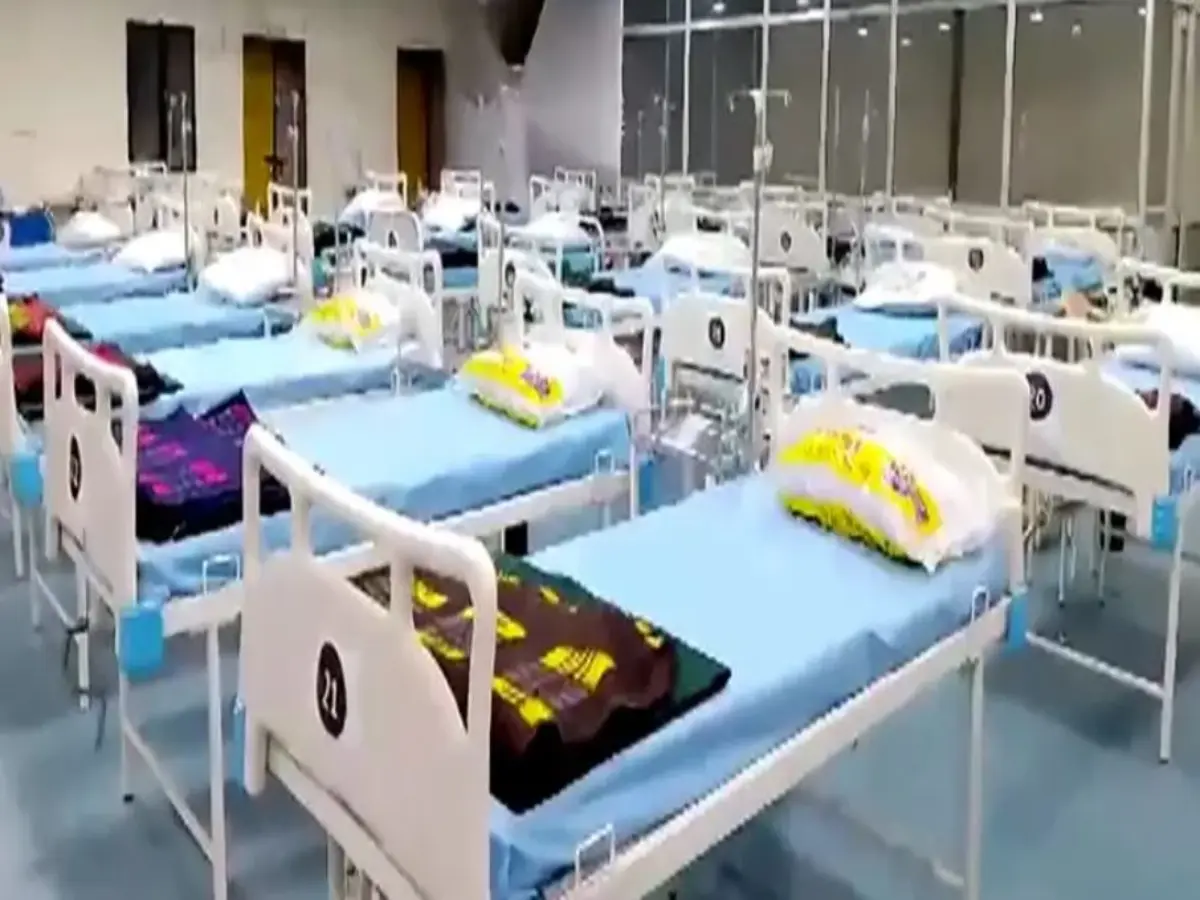
Representative Image
The protest is being led by the Indian Medical Association (IMA), Maharashtra, along with the Maharashtra Association of Resident Doctors (MARD), BMC MARD and several specialty medical associations.
More than 2 lakh allopathic doctorsacross India's western state of Maharashtra observed a 24-hour strike on Tuesday, disrupting routine outpatient services in government, civic and several private hospitals.
The protest is being led by the Indian Medical Association (IMA), Maharashtra, along with the Maharashtra Association of Resident Doctors (MARD), BMC MARD and several specialty medical associations.
While routine OPD services have been suspended at many hospitals, emergency services, intensive care units, casualty departments and labour rooms continue to function.
The strike centres on a controversial proposal by the Maharashtra government to grant Maharashtra Medical Council (MMC) registrationto certain homeopathy practitioners who have completed a bridge course.
What is the controversy?
The Maharashtra government is considering granting MMC registration to BHMS (Bachelor of Homeopathic Medicine and Surgery) doctorswho have completed the Certificate Course in Modern Pharmacology (CCMP).
Trending Stories
)
)
)
&im=FitAndFill=(700,400))
)
)
)
)
)
)
)
)
)
)
)
)
)
)
)
&im=FitAndFill=(700,400))
)
)
)
)
)
)
)
)
)
)
)
&im=FitAndFill=(700,400))
)
)
)
&im=FitAndFill=(700,400))
Supporters argue that these practitioners have already undergone additional training in modern medicine and should receive formal recognition.
However, allopathic doctors strongly oppose the move, calling it an example of "crosspathy"—the practice of allowing practitioners trained in one system of medicine to prescribe or practise another system.
According to protesting doctors, such a decision could dilute medical education standards, weaken the medical regulatory framework and raise serious concerns about patient safety.
Why are allopathic doctors protesting?
Doctors' organisations, including the IMA, say the issue is not about opposing homeopathy as a recognised medical system.
Instead, they argue that every system of medicine should remain within its own regulatory framework and that allowing bridge-course qualified practitioners to receive registration under the Maharashtra Medical Council would blur professional boundaries.
Among their key demands are:
- The Maharashtra government should not grant MMC registration to CCMP-qualified BHMS practitioners until the Bombay High Court delivers its final verdict on the matter.
- Protection of established medical education and professional standards.
- Immediate dialogue with the government over several long-pending issues concerning resident doctors.
- The IMA says more than 2 lakh allopathic doctorshave participated in the statewide protest.
What are homeopathy doctors demanding?
Homeopathy practitioners argue that they are not seeking to replace allopathic doctors but are asking the government to implement an existing policy.
They say BHMS doctors who have completed the CCMP programme are trained to prescribe a limited range of modern medicines and have been serving patients, particularly in rural and underserved areas, for years.
Homeopathy organisations argue that formal MMC registration would provide legal clarity and acknowledge the additional qualifications they have obtained.
What services are affected?
The strike has impacted routine outpatient departments across several government, civic and private hospitals.
In Mumbai, resident doctors at KEM, Sion, Nair and Cooper hospitalshave withdrawn routine OPD services under the banner of BMC MARD.
Hospitals have clarified that emergency services, casualty departments, ICUs and labour rooms remain fully operational.
What is the Maharashtra government doing?
Amid the escalating confrontation, the Maharashtra government is expected to hold a crucial meetingwith senior officials and stakeholders to discuss the controversy and explore a possible resolution.
The outcome of the meeting is likely to determine whether the proposed registration process moves forward or whether the government pauses implementation while the matter remains before the Bombay High Court.
Maharashtra's healthcare network
The protest comes at a significant scale in one of India's largest healthcare systems.
According to official data, Maharashtra has around 609 government hospitalsunder the Public Health Department and more than 30 government medical colleges with attached teaching hospitals, in addition to thousands of private hospitals and nursing homes.
