Bombay HC allows Nitin Gadkari to sue Meta, Google, X over alleged deepfake content linked to E20 fuel row

&imwidth=600&imheight=450&format=webp&quality=medium "Bombay HC allows Nitin Gadkari to sue Meta, Google, X over alleged deepfake content linked to E20 fuel row")
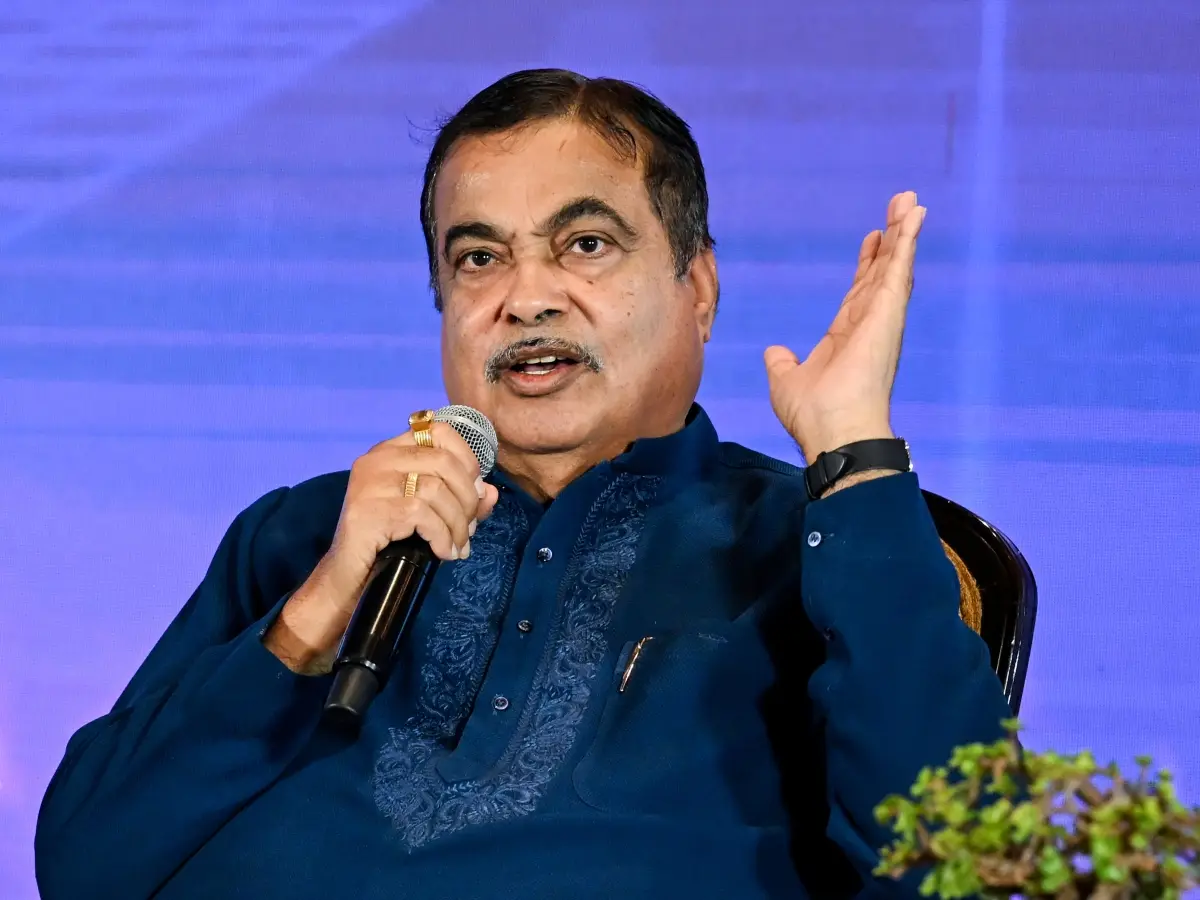
Union Road Transport and Highways Minister Nitin Gadkari
The petition alleges that AI-generated videos, altered visuals and misleading posts were widely shared across digital platforms, amplifying misinformation surrounding the government's ethanol-blending initiative.
In a significant legal development that underscores growing concerns over artificial intelligence-driven misinformation, the Bombay High Court on Monday permitted Union Road Transport and Highways Minister Nitin Gadkari to initiate a civil defamation suit against technology giants Meta, Google, X (formerly Twitter), and unidentified individuals over allegedly defamatory AI-generated deepfake content circulating online.
The case centres on social media posts and manipulated videos that allegedly linked Gadkari and his family to the Centre's E20 ethanol-blended petrol programme, suggesting they stood to gain financially from the policy.
According to the minister's plea, the content is false, malicious and defamatory, and has caused serious damage to his reputation and public image.
The High Court granted Gadkari permission to proceed against the social media companies as well as "John Doe" defendants—an established legal mechanism that allows action against unidentified individuals responsible for creating or spreading unlawful content online.
What does the petition say?
Trending Stories
)
)
)
)
)
)
)
)
)
)
)
)
)
)
&im=FitAndFill=(700,400))
)
)
)
)
&im=FitAndFill=(700,400))
)
)
)
)
)
)
)
)
)
)
)
)
)
)
)
The petition alleges that AI-generated videos, altered visuals and misleading posts were widely shared across digital platforms, amplifying misinformation surrounding the government's ethanol-blending initiative.
The lawsuit is among the most high-profile legal actions in India involving alleged AI-generated deepfakes targeting a serving Union minister.
It also raises broader questions about the responsibility of digital platforms in detecting, removing and preventing the spread of manipulated content generated using artificial intelligence.
The E20 programme, under which petrol contains 20 per cent ethanol blended with conventional fuel, is a flagship government initiative aimed at reducing India's dependence on imported crude oil, lowering vehicular emissions and supporting the domestic biofuel industry.
Gadkari's petition argues that fabricated content falsely portrayed the policy as benefiting his personal or family interests, despite there being no factual basis for such claims.
The case comes at a time when Indian courts are increasingly being asked to address the misuse of AI-generated content.
In recent months, several High Courts have heard petitions seeking stronger regulation of deepfakes, while public figures have approached courts over manipulated videos, morphed images and AI-generated impersonation.
Earlier this year, the Gujarat High Court sought responses from major technology platforms over a PIL demanding stricter safeguards against deepfake content, observing that effective enforcement by intermediaries remains a key challenge.
The Bombay High Court's decision could have wider implications for platform accountability in the AI era.
Legal experts believe the proceedings may test how far social media intermediaries can be held responsible for hosting or failing to promptly remove AI-generated defamatory content, particularly when it spreads rapidly across multiple platforms.
The matter is expected to proceed before the Bombay High Court in the coming weeks as Gadkari formally pursues civil remedies against the platforms and the unidentified creators and distributors of the alleged deepfake material.
