‘Space will define future wars’: DRDO chief calls for urgent national push, sounds alarm on defence gap

&imwidth=600&imheight=450&format=webp&quality=medium "‘Space will define future wars’: DRDO chief calls for urgent national push, sounds alarm on defence gap")
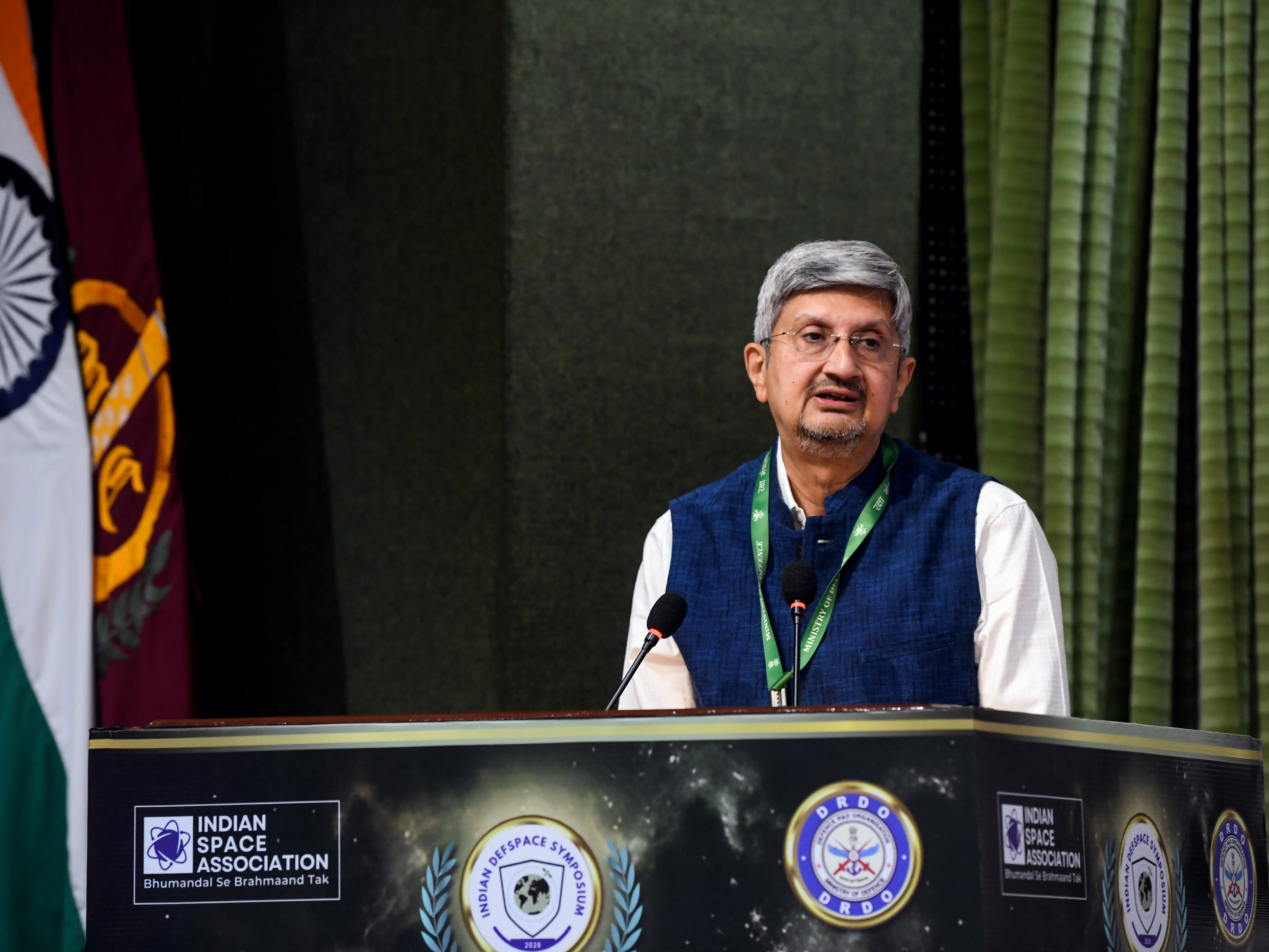
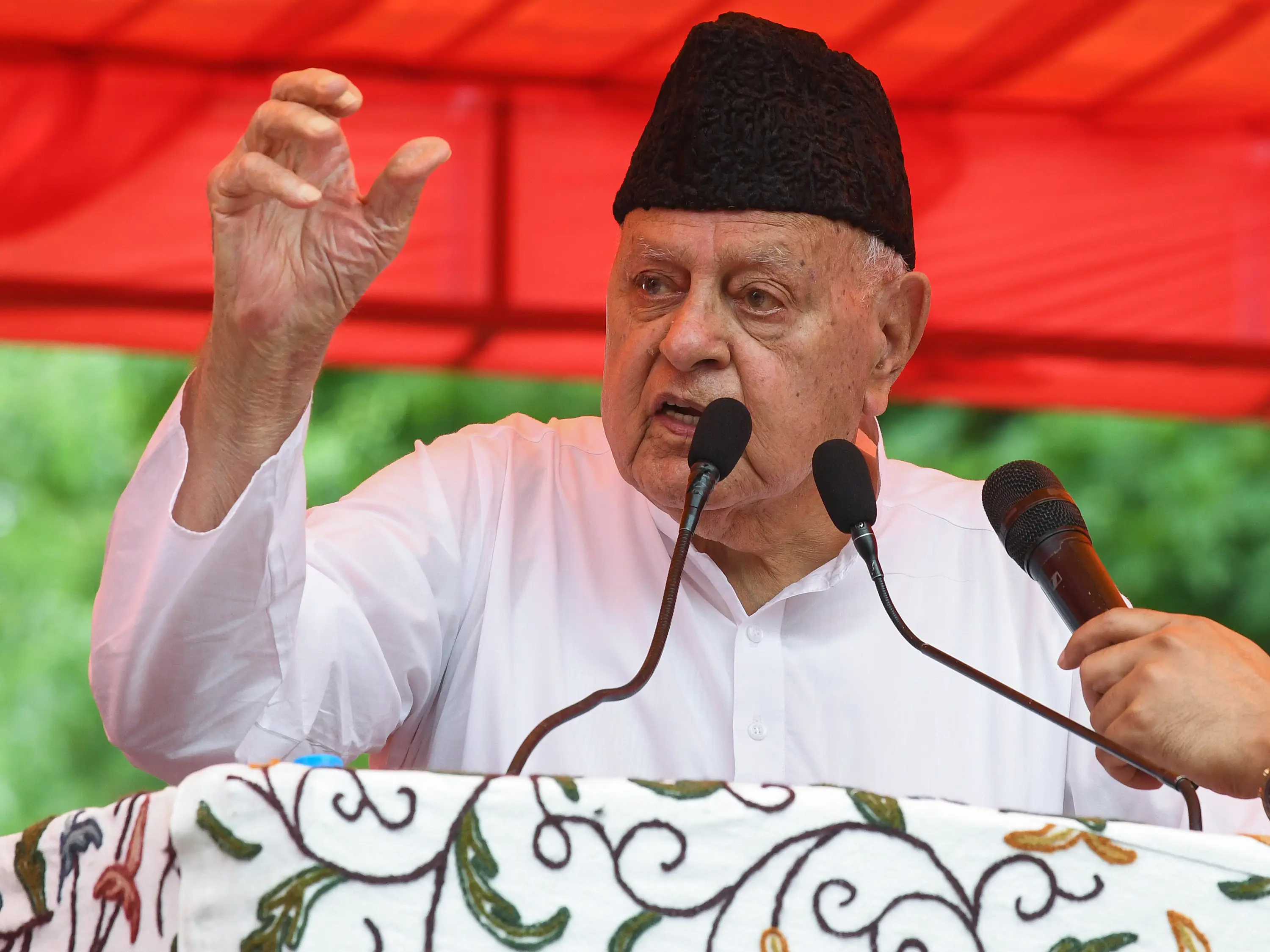
Dr. Samir V Kamat addresses during 4th Indian DefSpace Symposium 2026, at Manekshaw Centre in New Delhi on Thursday. Photograph: (ANI)
Defence Research and Development Organisation (DRDO) Chairman Samir V Kamat underscored the growing role of DRDO in military space while emphasising that catching up will be a "Herculean challenge" without greater investment and collaboration.
Defence Research and Development Organisation (DRDO) Chairman Samir V Kamat said on Thursday that space has become the dominant domain that will determine the outcome of future conflicts, along with acting as a supporting tool for national security. He called for a "whole-of-nation" approach to close India's capability gap with rivals whose space programmes are increasing at an alarming pace.
Speaking at the 4th Indian DefSpace Symposium at Manekshaw Centre on "Strengthening India's Defence and Space Industry Synergy," Kamat underscored the growing role of DRDO in military space while emphasising that catching up will be a "Herculean challenge" without greater investment and collaboration.
While the Indian Space Research Organisation continues to lead India’s civilian space efforts, the Defence Research and Development Organisation has been tasked with handling military space capabilities following the creation of the Defence Space Agency, Kamat said. Although still a smaller part of its mandate, this role is expanding quickly. "It needs to grow much more if we have to keep pace with our rivals," he said.
India's sovereign capabilities in critical technologies
He stressed the need for faster growth to keep up with global competitors. To address this, DRDO is increasingly collaborating with startups, MSMEs, and academia, and has established Centres of Excellence in select institutions, with space emerging as a key focus area.
"There is a lot of interest among academia and startups to contribute to the defence part of the space programme," Kamat said, and added that he is optimistic that India will gain the necessary impetus and sovereign capabilities in critical technologies in the upcoming years. Kamat clarified that while some space technologies can still be imported from other nations, several areas remain restricted and require indigenous development.
Trending Stories
&imwidth=280&imheight=210&format=webp&quality=medium)
&imwidth=280&imheight=210&format=webp&quality=medium)
&imwidth=280&imheight=210&format=webp&quality=medium)
&imwidth=280&imheight=210&format=webp&quality=medium)
&imwidth=280&imheight=210&format=webp&quality=medium)
&imwidth=280&imheight=210&format=webp&quality=medium)
&imwidth=280&imheight=210&format=webp&quality=medium)
&imwidth=280&imheight=210&format=webp&quality=medium)
&imwidth=280&imheight=210&format=webp&quality=medium)
&imwidth=280&imheight=210&format=webp&quality=medium)
&imwidth=280&imheight=210&format=webp&quality=medium)
&imwidth=280&imheight=210&format=webp&quality=medium)
&imwidth=280&imheight=210&format=webp&quality=medium)
&imwidth=280&imheight=210&format=webp&quality=medium)
&imwidth=280&imheight=210&format=webp&quality=medium)
&imwidth=280&imheight=210&format=webp&quality=medium)
&imwidth=280&imheight=210&format=webp&quality=medium)
&imwidth=280&imheight=210&format=webp&quality=medium)
&imwidth=280&imheight=210&format=webp&quality=medium)
&imwidth=280&imheight=210&format=webp&quality=medium)
&imwidth=280&imheight=210&format=webp&quality=medium)
&imwidth=280&imheight=210&format=webp&quality=medium)
&imwidth=280&imheight=210&format=webp&quality=medium)
&imwidth=280&imheight=210&format=webp&quality=medium)
&imwidth=280&imheight=210&format=webp&quality=medium)
&imwidth=280&imheight=210&format=webp&quality=medium)
&im=FitAndFill=(700,400)&imwidth=280&imheight=210&format=webp&quality=medium)
&imwidth=280&imheight=210&format=webp&quality=medium)
&imwidth=280&imheight=210&format=webp&quality=medium)
&imwidth=280&imheight=210&format=webp&quality=medium)
&imwidth=280&imheight=210&format=webp&quality=medium)
&imwidth=280&imheight=210&format=webp&quality=medium)
&imwidth=280&imheight=210&format=webp&quality=medium)
&imwidth=280&imheight=210&format=webp&quality=medium)
&imwidth=280&imheight=210&format=webp&quality=medium)
&imwidth=280&imheight=210&format=webp&quality=medium)
DRDO is currently concentrating on strengthening space situational awareness to safeguard India’s orbital assets, enhancing the restricted military-grade service of NavIC, and advancing space-based surveillance along with imaging radar technologies. It is also developing early missile launch detection systems, a capability emphasised by Air Chief Marshal Bhaduriya.
He highlighted that closer integration between civilian and military sectors will be crucial, especially in overlapping fields like imaging radar. However, he pointed out that India’s investment in research remains insufficient, with only 0.65 per cent of GDP allocated to R&D and just 5 per cent of the defence budget devoted to it. "We definitely need to scale this up if we have to catch up with our rivals," he said.

