Quantum computing myths vs reality: Understanding what technology can (and can’t) do

Quantum computing draws attention as it can potentially solve problems classical computers struggle with, such as molecular simulations crucial for drug development. Proposed by Richard Feynman and advanced by researchers like John Preskill, it offers unique advantages.
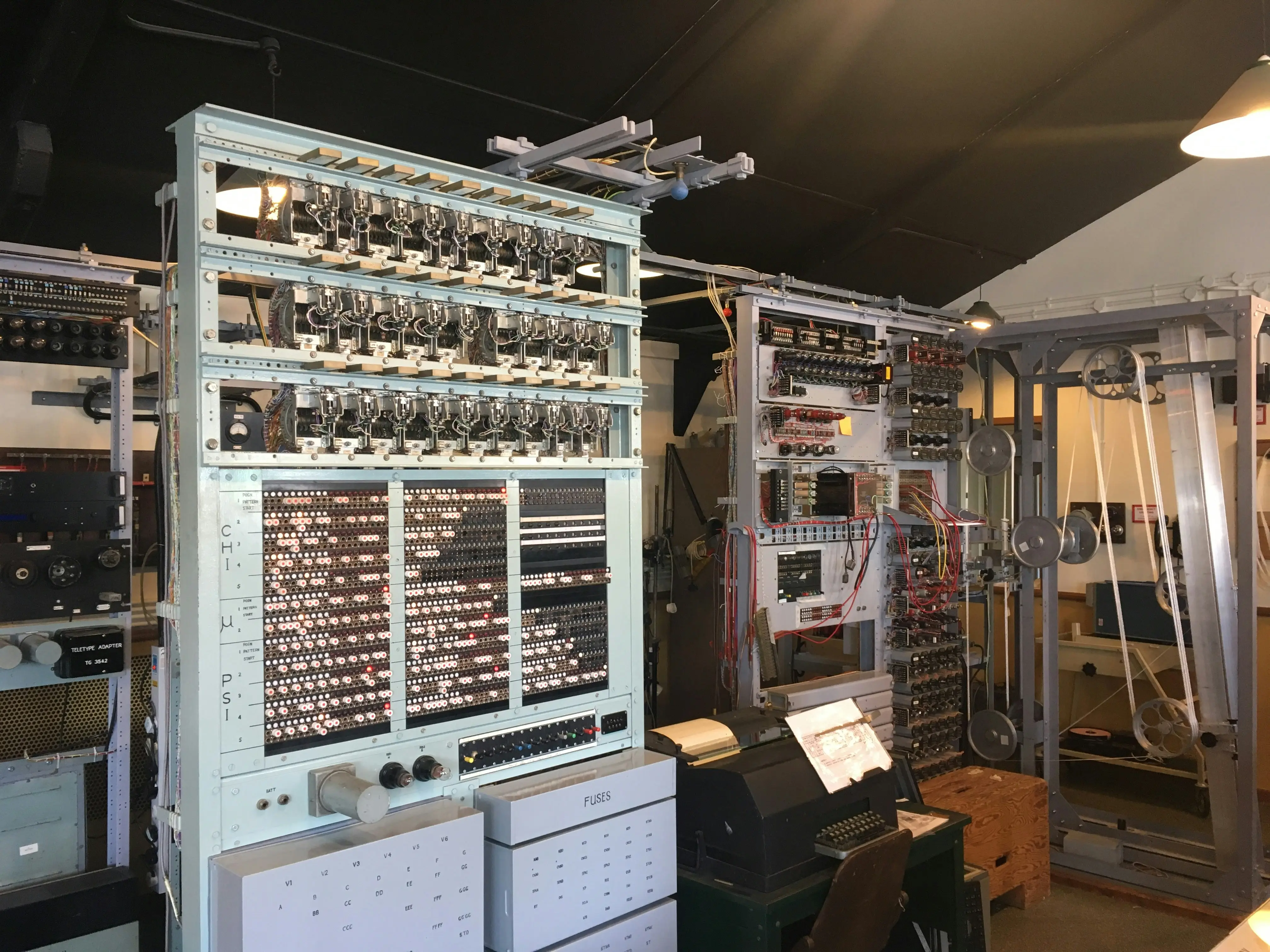
Quantum computing
Most people see quantum computing as either a password-breaking platform on the internet or pure hype, but both views are misleading. The technology is real and promising, yet far from its exaggerated claims. Built in extreme lab conditions, it remains distant from daily life. This piece explains what quantum computing can actually do in 2026 and separates facts from misconceptions.

Why Quantum draw more attention
Quantum computing draws attention because it can potentially solve problems classical computers struggle with, such as molecular simulations crucial for drug development. Proposed by Richard Feynman and advanced by researchers like John Preskill, it offers unique advantages. This promise has led to massive global investment, with over $36 billion spent by governments and private players. Major economies, including the United States, China, and the EU, now view quantum technology as strategically important, driving rapid growth in startups, research, and innovation across the sector.

Myth vs Reality
Before tackling common myths, it helps to separate the three types of claims about quantum computing. Some are simply false, like fears that it will soon break banking systems. Others remain uncertain, such as timelines for practical machines. A third group involves the misleading framing of real capabilities. Lumping them together as “myths” creates confusion, as each type requires a different response and level of scrutiny.

Myth 1: Quantum supremacy equals real-world readiness
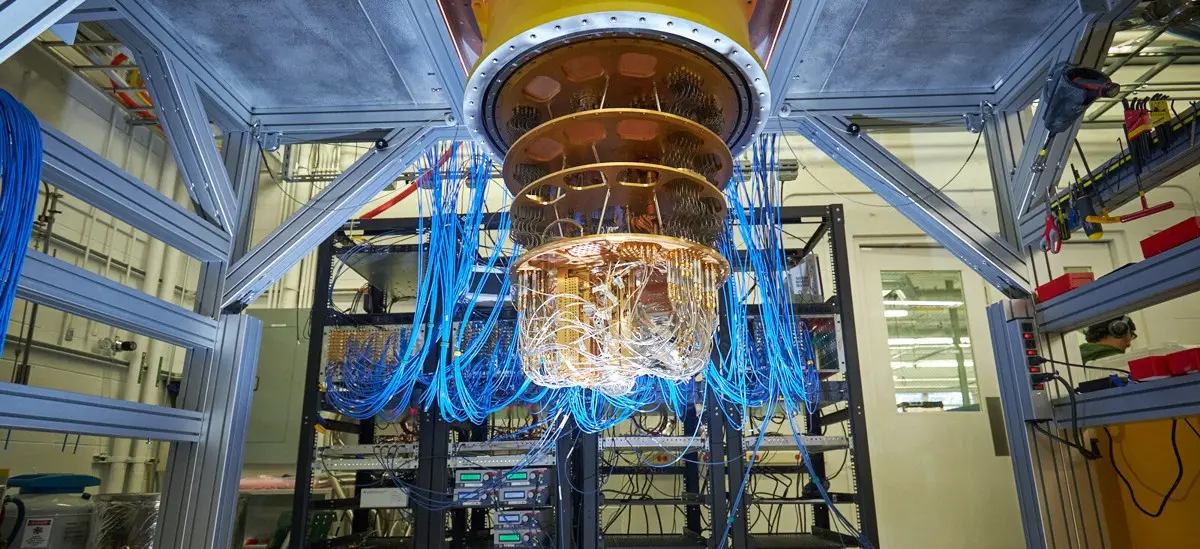
The idea of quantum supremacy, introduced by John Preskill, refers to a quantum system performing a task beyond classical capabilities, not to practical usefulness. As noted by Mikhail Lukin after Google’s Sycamore test, such demonstrations are controlled benchmarks. True “quantum advantage”, solving real-world problems, remains unproven.
Myth 2: Quantum will replace classical computing
Quantum computers are not replacements but specialised tools. They are suited for niche problems like simulations and certain algorithms, while most computing tasks will continue to rely on classical systems in a hybrid model.

Myth 3: Practical applications are imminent
The timeline for useful quantum systems is uncertain. Achieving fault-tolerant computing is key, but while roadmaps and targets exist, no confirmed breakthroughs have yet delivered reliable, large-scale applications.
Myth 4: Quantum will instantly break encryption
Fears about encryption collapse are overstated. A cryptographically capable quantum machine does not yet exist, though research suggests the required resources may be decreasing. These remain theoretical developments, not practical threats today.

Myth 5: Quantum is limited to experts and big tech
Access to quantum systems is now widely available through cloud platforms and open-source tools. While expertise is still needed, the barrier to entry is steadily lowering through education and industry support.

Myth 6: Quantum has no practical use yet
This is not entirely true. Early quantum systems have shown value in areas like chemistry simulations, and related technologies such as quantum sensing are already in use. However, large-scale commercial impact is still lacking.

Myth 7: Only governments and large firms can participate
Although hardware development is capital-intensive, the broader ecosystem includes startups, universities, and mid-sized firms contributing across software, components, and applications, making the field more accessible than it appears.
)
)
)
)
)