Persistent joint pain without injury: Early warning signs you shouldn’t ignore

&imwidth=600&imheight=450&format=webp&quality=medium "Persistent joint pain without injury: Early warning signs you shouldn’t ignore")
Representative image. Photograph: (Unsplash)
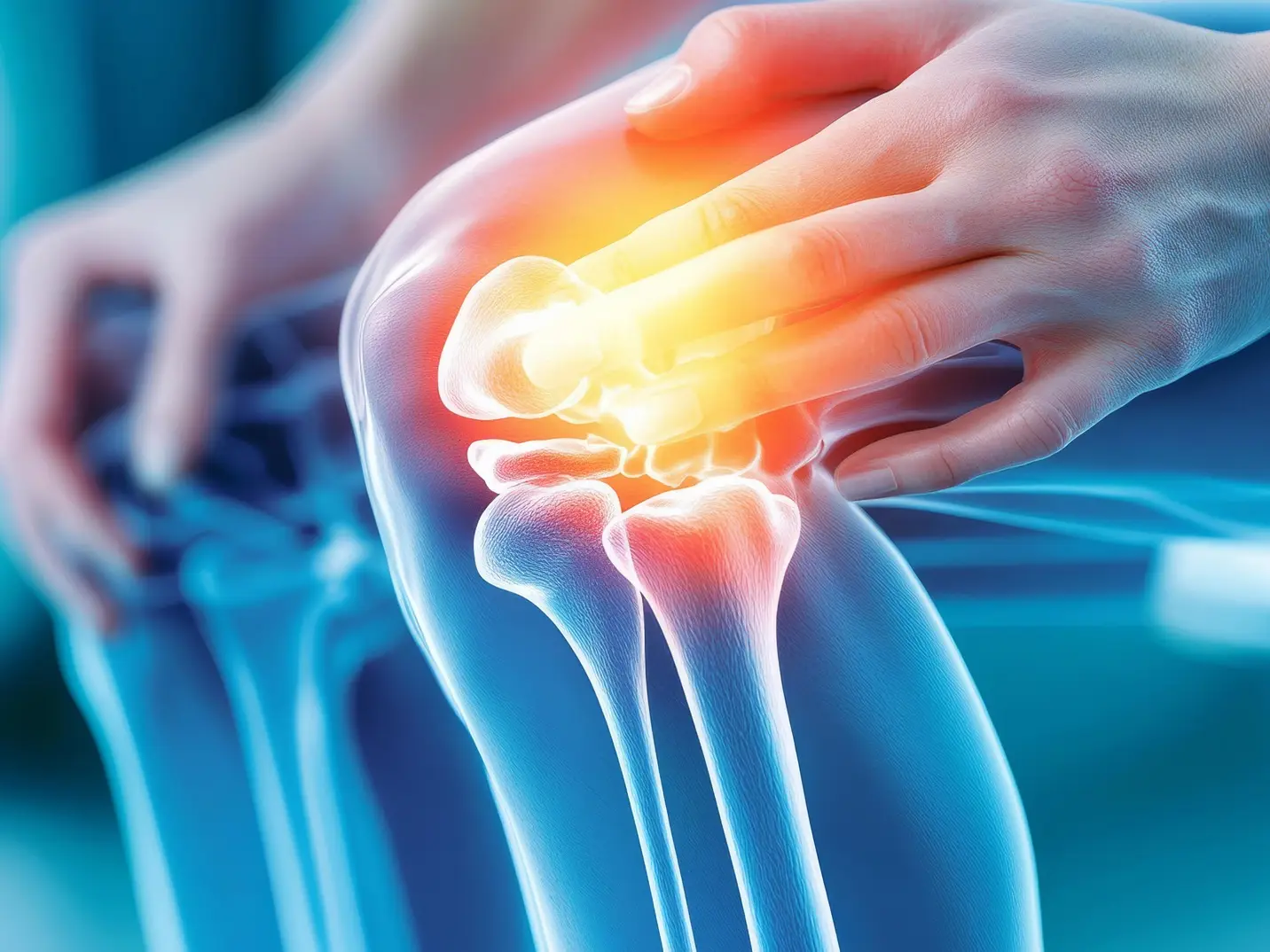
The most affected parts of the joints in the legs are the knee and hip, which can also affect younger individuals, particularly those who have a genetic history, obesity, a history of joint injury, or metabolic disorders.
Persistent joint pain is frequently brushed aside as a byproduct of ageing, long workdays, or everyday wear and tear. It is also often associated with fatigue, ageing, or daily strain. However, when there’s no history of injury, then such discomfort might be an early warning sign of arthritis that needs timely attention.
The most affected parts of the joints in the legs are the knee and hip, which can also affect younger individuals, particularly those who have a genetic history, obesity, a history of joint injury, or metabolic disorders.
According to Dr Gaurav Bhardwaj, Director, Sports & Joint Replacement Surgery at PSRI Multi-Speciality Hospital, Sheikh Sarai–II, New Delhi, unexplained joint pain may point to the early stages of arthritis, a progressive disease that can severely impact mobility and quality of life if left untreated.
"Joint pain is often associated with fatigue, ageing, or daily strain, but when there’s no history of injury, issues like these should not be ignored. Such discomfort may be an early warning sign of arthritis, which is a progressive joint disease that can significantly affect mobility and quality of life if left untreated," Dr Gaurav Bhardwaj said.
"The knee and hip are the most affected joints, especially in older adults, but arthritis is a condition that can also affect younger individuals, particularly those with a genetic history, obesity, a history of joint injury, or metabolic disorders. Inflammatory types of arthritis may additionally lead to fatigue, generalised stiffness, and low-grade fever, indicating involvement beyond the joints," he added.
Some of the notable early signs are as follows:
Trending Stories
&imwidth=280&imheight=210&format=webp&quality=medium)
&imwidth=280&imheight=210&format=webp&quality=medium)
&imwidth=280&imheight=210&format=webp&quality=medium)
&imwidth=280&imheight=210&format=webp&quality=medium)
&imwidth=280&imheight=210&format=webp&quality=medium)
&imwidth=280&imheight=210&format=webp&quality=medium)
&imwidth=280&imheight=210&format=webp&quality=medium)
&imwidth=280&imheight=210&format=webp&quality=medium)
&imwidth=280&imheight=210&format=webp&quality=medium)
&imwidth=280&imheight=210&format=webp&quality=medium)
&imwidth=280&imheight=210&format=webp&quality=medium)
&imwidth=280&imheight=210&format=webp&quality=medium)
&imwidth=280&imheight=210&format=webp&quality=medium)
&imwidth=280&imheight=210&format=webp&quality=medium)
&imwidth=280&imheight=210&format=webp&quality=medium)
&imwidth=280&imheight=210&format=webp&quality=medium)
&imwidth=280&imheight=210&format=webp&quality=medium)
&imwidth=280&imheight=210&format=webp&quality=medium)
&imwidth=280&imheight=210&format=webp&quality=medium)
&imwidth=280&imheight=210&format=webp&quality=medium)
&im=FitAndFill=(700,400)&imwidth=280&imheight=210&format=webp&quality=medium)
&imwidth=280&imheight=210&format=webp&quality=medium)
&imwidth=280&imheight=210&format=webp&quality=medium)
&imwidth=280&imheight=210&format=webp&quality=medium)
&imwidth=280&imheight=210&format=webp&quality=medium)
&imwidth=280&imheight=210&format=webp&quality=medium)
&imwidth=280&imheight=210&format=webp&quality=medium)
&imwidth=280&imheight=210&format=webp&quality=medium)
&imwidth=280&imheight=210&format=webp&quality=medium)
1. Gradual onset of joint pain: Pain that worsens with daily activities and does not subside easily, often starting as occasional discomfort and gradually becoming more persistent, especially after walking, climbing stairs, or prolonged standing.
2. Morning stiffness or stiffness after rest: Difficulty initiating movement after waking up or sitting for long periods, with the joint feeling tight or heavy before slowly loosening with activity.
3. Swelling or tenderness around joints: Sometimes accompanied by warmth or mild redness, reflecting inflammation inside the joint that may cause visible puffiness and sensitivity to touch.
4. Reduced range of motion: A feeling of restriction while bending or moving the joint, limiting flexibility and making simple actions like squatting, turning, or gripping objects uncomfortable.
5. Grating or clicking sensations: A grinding sound or feeling inside the joint during movement, which may indicate early cartilage degeneration or irregular joint surfaces.
Dr Bhardwaj stressed that early diagnosis plays a significant role in de-escalating the disease. With timely intervention, symptoms can often be managed through physiotherapy, weight control, lifestyle modifications, medications, and activity regulation, allowing patients to retain mobility and independence.
"Surgery becomes a viable option when arthritis worsens and starts to significantly interfere with day-to-day activities. The treatment of advanced arthritis has been revolutionised by robotic arm-assisted joint replacement surgery. A customised 3D plan of the patient's joint is made using detailed imaging before surgery. To remove damaged bones and cartilage and precisely position the artificial implant during the procedure, the surgeon uses a robotic arm. This methodical approach attemptsprecise alignment, preserves healthy tissue, minimises surgical trauma, and enhances joint function and stability," he further added.
This approach aims for accurate alignment, preservation of healthy tissue, reduced surgical trauma, and improved joint stability and function. Patients often experience less pain, reduced blood loss, shorter hospital stays, faster recovery, and longer-lasting implant performance. Dr Bhardwaj cautioned that persistent joint pain should not be dismissed as a normal part of ageing. Recognising early symptoms and seeking prompt medical care can help preserve joint health, prevent irreversible damage, and restore an active, pain-free life.

