Qatar warns of ‘industrial catastrophe’, S Korea sends team to assess Hormuz situation | Gravitas

&imwidth=600&imheight=450&format=webp&quality=medium "Qatar warns of ‘industrial catastrophe’, S Korea sends team to assess Hormuz situation | Gravitas")
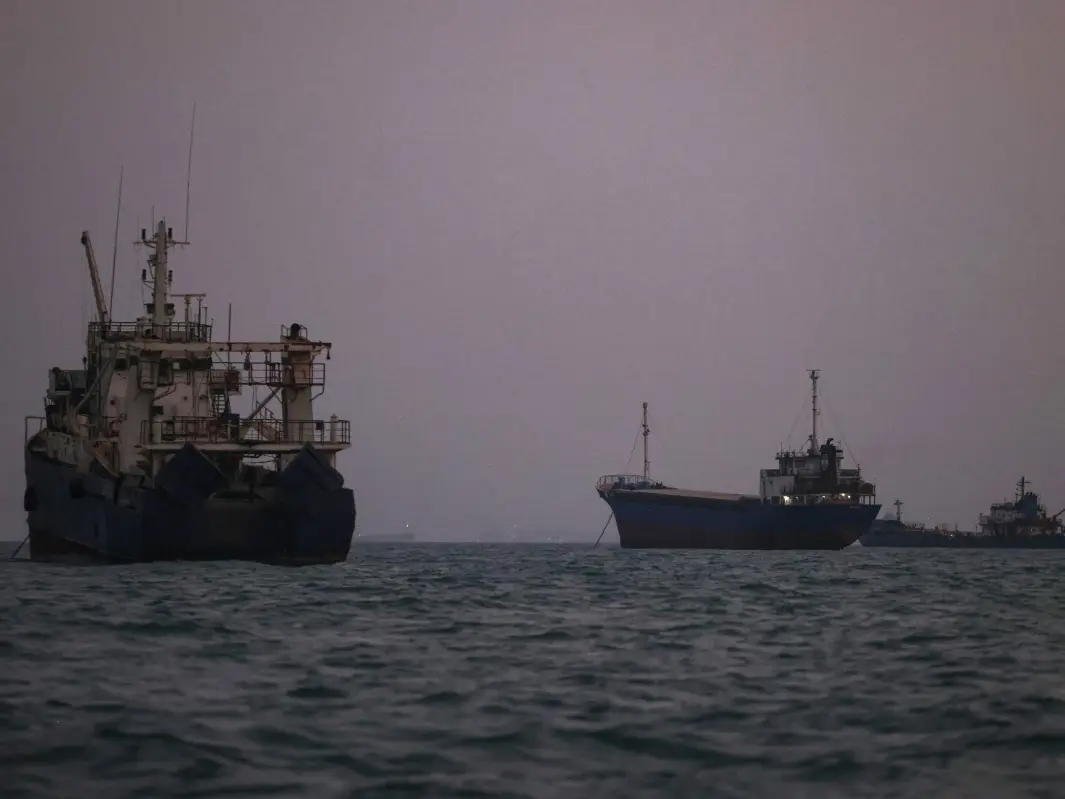
Strait of Hormuz. Photograph: (AFP)
South Korea has sent a fact-finding team to assess security in the Strait of Hormuz as shipping traffic collapses amid the Iran-US conflict, while Qatar and China push for de-escalation and Tehran warns against military intervention.
The Iran war continues to affect global trade and energy supplies, with the effective closure of the Strait of Hormuz creating growing concerns among countries that depend on the strategic waterway. South Korea, facing pressure from the United States to help secure the route, has now sent a fact-finding team to assess the situation.
Seoul announced the move just days after saying it was considering deploying military assets to the Strait of Hormuz. South Korea’s Defence Ministry said the team would assess the regional situation and security conditions. However, it stressed that the mission does not necessarily mean that Seoul will deploy troops.
South Korea has a major interest in restoring shipping through the waterway as it depends on the Strait of Hormuz for nearly 61 per cent of its crude oil imports. Tehran, however, has already warned Seoul that any military presence in the area would be viewed as direct support for the aggressor and could lead to serious consequences.
The crisis has also raised concerns in Qatar, a key US ally and major energy exporter. Qatar has warned of an industrial catastrophe if the situation continues. Qatar’s Prime Minister Al Thani is currently visiting China as both countries seek to ease tensions in West Asia.
Beijing and Doha are also pushing for safe navigation through the Strait of Hormuz. The waterway is crucial for China’s energy supplies and Qatar’s liquefied natural gas exports. Qatar’s Foreign Ministry said the region cannot accept the normalisation of a "no war, no peace" situation and called for diplomacy to resume.
Trending Stories
&im=FitAndFill=(700,400)&imwidth=280&imheight=210&format=webp&quality=medium)
&imwidth=280&imheight=210&format=webp&quality=medium)
&imwidth=280&imheight=210&format=webp&quality=medium)
&imwidth=280&imheight=210&format=webp&quality=medium)
&imwidth=280&imheight=210&format=webp&quality=medium)
&imwidth=280&imheight=210&format=webp&quality=medium)
&imwidth=280&imheight=210&format=webp&quality=medium)
&imwidth=280&imheight=210&format=webp&quality=medium)
&imwidth=280&imheight=210&format=webp&quality=medium)
&imwidth=280&imheight=210&format=webp&quality=medium)
&imwidth=280&imheight=210&format=webp&quality=medium)
&imwidth=280&imheight=210&format=webp&quality=medium)
&imwidth=280&imheight=210&format=webp&quality=medium)
&imwidth=280&imheight=210&format=webp&quality=medium)
&imwidth=280&imheight=210&format=webp&quality=medium)
&imwidth=280&imheight=210&format=webp&quality=medium)
&im=FitAndFill=(700,400)&imwidth=280&imheight=210&format=webp&quality=medium)
&imwidth=280&imheight=210&format=webp&quality=medium)
&imwidth=280&imheight=210&format=webp&quality=medium)
&imwidth=280&imheight=210&format=webp&quality=medium)
&imwidth=280&imheight=210&format=webp&quality=medium)
&imwidth=280&imheight=210&format=webp&quality=medium)
&imwidth=280&imheight=210&format=webp&quality=medium)
&imwidth=280&imheight=210&format=webp&quality=medium)
&imwidth=280&imheight=210&format=webp&quality=medium)
&imwidth=280&imheight=210&format=webp&quality=medium)
&imwidth=280&imheight=210&format=webp&quality=medium)
&imwidth=280&imheight=210&format=webp&quality=medium)
&imwidth=280&imheight=210&format=webp&quality=medium)
&imwidth=280&imheight=210&format=webp&quality=medium)
&imwidth=280&imheight=210&format=webp&quality=medium)
&imwidth=280&imheight=210&format=webp&quality=medium)
&imwidth=280&imheight=210&format=webp&quality=medium)
&imwidth=280&imheight=210&format=webp&quality=medium)
&imwidth=280&imheight=210&format=webp&quality=medium)
&imwidth=280&imheight=210&format=webp&quality=medium)
&imwidth=280&imheight=210&format=webp&quality=medium)
Shipping traffic through the Strait of Hormuz has also dropped sharply amid the US-Iran conflict. Average daily traffic has fallen to its lowest level since May. Over the past 10 days, only around 10 ships have crossed the waterway on an average day.
US Central Command has claimed that it redirected 94 commercial vessels travelling to or from Iranian ports as part of its blockade. Iran, meanwhile, has rejected US pressure and maintained that it will continue to defend its rights.
Iranian President Masoud Pezeshkian said Tehran would continue its resistance until the aggressors regretted their actions. Parliament Speaker Mohammad Bagher Ghalibaf also warned that any US attack on Iran’s oil and natural gas infrastructure would trigger a reciprocal response.
Tehran has also asserted its right to self-defence while warning against further escalation in the region. Iran has separately accused Canada of trying to appease the United States amid the two countries’ trade dispute.
The accusation followed a joint statement by Canada’s foreign and finance ministers condemning Iran’s threats against vessels seeking to pass through the Strait of Hormuz. They urged Tehran to immediately stop what they described as destabilising activities in West Asia and its support for proxy groups.
Iran rejected the Canadian allegations and accused Ottawa of distorting facts about the situation in the region. With Tehran also threatening a maritime exclusion zone in response to the US naval blockade, prospects for an immediate diplomatic breakthrough remain limited.