Gravitas | Darjeeling's tea industry faces uncertain future with 61% dip in production over 3 decades

&imwidth=600&imheight=450&format=webp&quality=medium "Gravitas | Darjeeling's tea industry faces uncertain future with 61% dip in production over 3 decades")
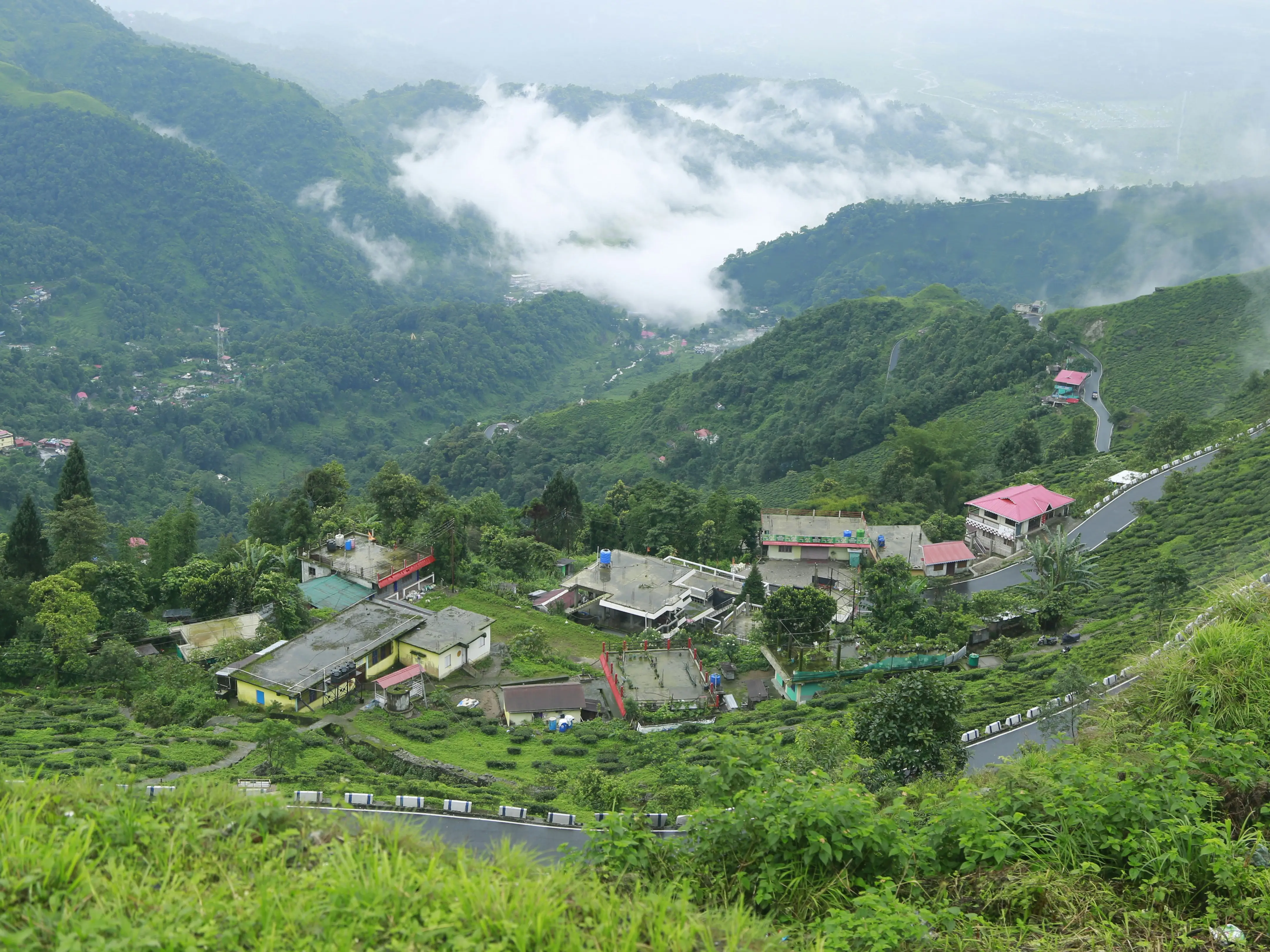
Representational image Photograph: (Unsplash)
Darjeeling's iconic tea industry is facing a deepening crisis as production falls, old tea bushes, erratic weather and cheaper Nepal tea threaten livelihoods.
Darjeeling, a key hill station in the foothills of the Himalayas, has been known throughout the world for its tea since the 19th century.
However, its tea industry is going through a crisis, potentially endangering thousands of livelihoods.
According to the Indian Tea Association, the decline has been quite steep.
While tea production stood at 14.49 million kilograms in 1990, it has plummeted to 5.6 million kilograms in 2025.
In an appeal to the West Bengal government, the association demanded a package worth 11 million U.S. dollars to stem the irreversible decline of Darjeeling's tea industry.
It also called for job support during lean periods for around 55,000 people who work on tea estates, modernising of tea leaf plucking, and fixing a minimum price.
Trending Stories
)
)
)
)
)
)
)
)
)
)
)
)
)
)
)
)
)
)
&im=FitAndFill=(700,400))
)
)
)
&im=FitAndFill=(700,400))
)
&im=FitAndFill=(700,400))
&im=FitAndFill=(700,400))
)
But, what are the main reasons for the decline in Darjeeling's tea industry?
The old tea bushes are often blamed, as the leaf they produce is brittle, which gives a coarse and bitter tea.
Owing to a dip in quality, people are increasingly switching to tea from other regions like Assam.
Additionally, erratic weather has also played a role.
Flash floods and landslides have wiped out hectares of tea plantations over the years.
This is not all.
According to reports, tea from Nepal, which offers a similar taste and costs far less to produce, has flooded the Indian market.
This tea is often packaged and sold as 'Darjeeling tea'.
While the price of Darjeeling tea has remained stagnant, the cost of wages, fuel and fertiliser have risen sharply.
The delicate and subtle taste of Darjeeling tea remains valued not just in India but also abroad.
Around 60 percent of Darjeeling tea is exported, mainly to Japan and Europe.
Thus, calls are growing for effective government intervention to save this precious product of India.