
&imwidth=800&imheight=600&format=webp&quality=medium "Why is this waterfall called the Niagara of India?")
When travellers think of massive, curved waterfalls, North America usually comes to mind. However, hidden within the dense forests of Chhattisgarh lies the Chitrakote Falls, an immense natural wonder that rivals global landmarks. Located on the Indravati River in the Bastar district, this stunning cascade earns its famous nickname for very specific geographical reasons. If you are planning a trip to central India, here is exactly why this destination is known as the Niagara of India.
A distinct horseshoe formation
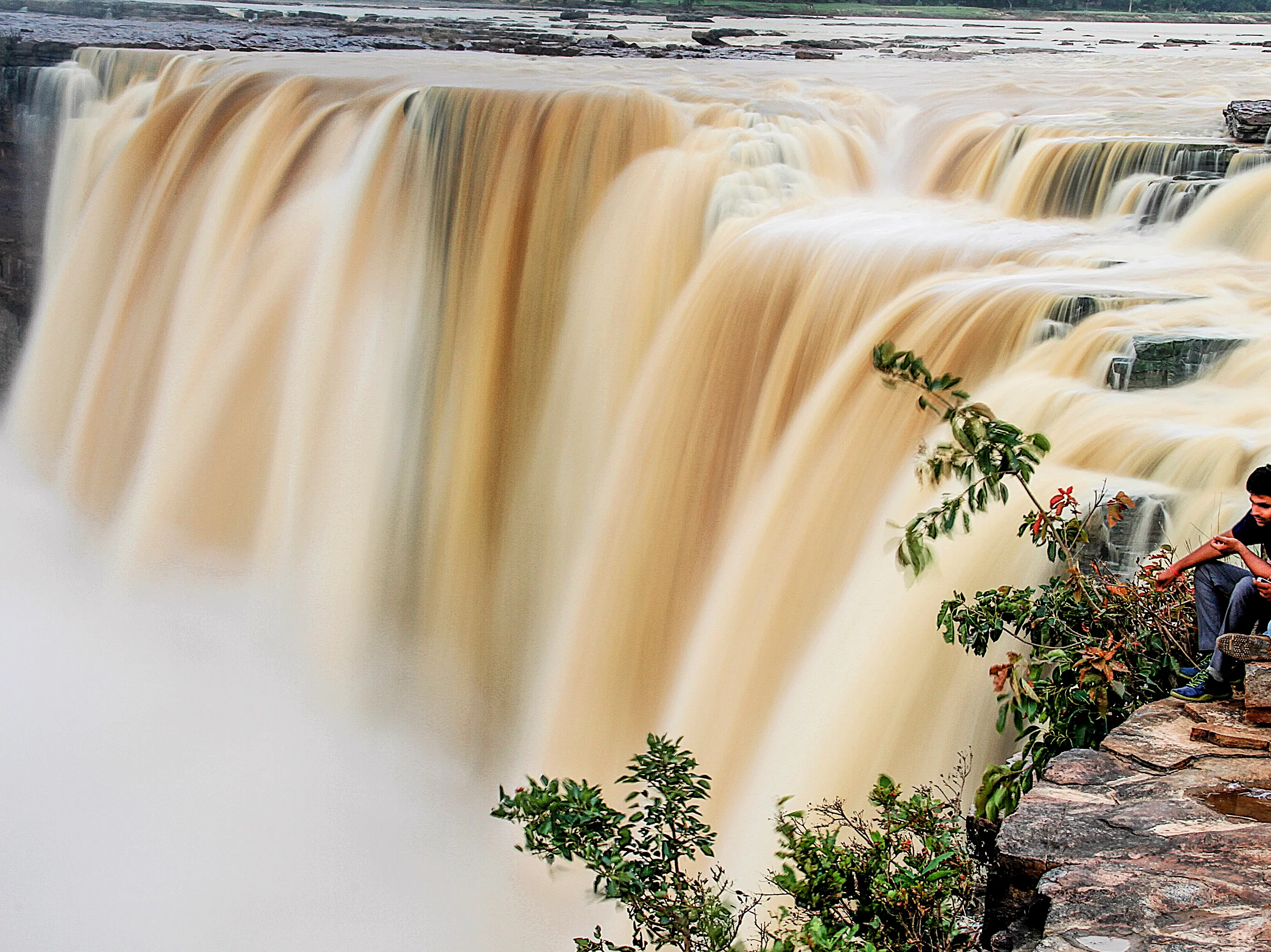
The primary reason behind the nickname is the distinct shape of the gorge. As the Indravati River approaches the drop, it spreads uniformly across a curved, horseshoe-shaped cliff. The geological formation of the riverbed features a mix of quartzitic sandstone and Archaean granite, creating a sturdy base for the massive plunge. During peak flow, the water drops a sheer height of 29 metres (95 feet). This natural arc creates a massive curtain of water that bears a striking physical resemblance to the Niagara Falls. In the dry summer months, the river flow significantly decreases, splitting the drop into three smaller streams.

India's widest waterfall
Size plays a major role in the comparison. Chitrakote is officially the widest waterfall in India. During the heavy monsoon season, the water covers the entire rocky stretch from the left bank to the right bank. This creates a continuous, unbroken sheet of water that reaches nearly 300 metres in width. The water turns a deep brown hue from the surrounding soil and silt carried downstream, highlighting the raw, untamed nature of the environment. The sheer volume and power of the river crashing into the semicircular pool below generate thick mist and constant rainbows, further mimicking the Niagara experience.
Accessible tourism and boating
Trending Stories
)
Reacher star Alan Ritchson opens up about alleged blackmail, suicide attempt during difficult period
)
S Jaishankar, former Army chief among high-profile names issued Delhi SIR notices
)
'Were you here to sell chickpeas?': Wasim Akram criticises Babar Azam's captaincy
)
Sikh bus driver assaulted, bus stolen and rammed into cars in England; video surfaces
&im=FitAndFill=(700,400))
Meet top 5 Indian batters with fastest T20I centuries
)
9 women found dead near Johannesburg: South Africans rally, demand 'enough' to femicide
&im=FitAndFill=(700,400))
How many F-35s does Britain, Japan and Israel have?
)
‘End of my career...’: NSA Doval recalls tense Sikkim mission when China captured Indian intelligence team
)
Trump defends AI amid growing alarm, announces new 'AI force' and promises an 'AI czar'
)
The Verdict | When precision fails: US commits war crime in Minab school strike, UN finds
)
‘Will go to any extent’: Pakistan vows to defend Saudi Arabia amid Houthi attacks
)
Russia holds first parliamentary elections since the beginning of the Ukraine war
&im=FitAndFill=(700,400))
Before Extraordinary Minami Minami, these popular K-dramas got Japanese versions
66 years of the Indus Waters Treaty: How India and Pakistan settled a bitter river dispute
)
US-Iran war: Tehran draws red lines — seven demands before any peace talks
)
Raphinha hat-trick powers Barcelona to 3-1 win over Sevilla in La Liga
)
Aravana prasadam shortage at Sabarimala temple in Kerala triggers protests, TDB questioned
)
China may have gained access to US's classified F-35 jets; parts meant for repairs diverted to Hong Kong, sparking Pentagon inquiry
)
US-Iran war: Tehran sets seven conditions to re-engage in talks with US
)
Gaza under attack: Health chief's son killed in IDF strikes
)
Russia's deadly Ukraine strikes kill 2 in Sumy, hit Dnipro mall
)
Report: Iran rebuilding Taleghan 2, nuclear site tied to past weapons research, hit twice by Israel
)
Trump announces ‘AI Force’ as debate grows over AI risks and regulation
)
AI actress Tilly Norwood glitches mid-interview, switches from English to Chinese | Watch
)
EXCLUSIVE | Singer Hanita Bhambri on her Toxic debut, working with Vishal Mishra and more
)
Iran sets 7 conditions to end war with US: What are Tehran’s demands?
&im=FitAndFill=(700,400))
‘Not the US or China’: These are the countries leading the world in arable land
)
Arvind Kejriwal, family members, Delhi CM Rekha Gupta get SIR notices
)
Ed Sheeran addresses Macklemore's removal, Gaza conflict during Philadelphia concert: 'I cannot hide how I feel'
)
Man breaks open wall hiding hundreds of books since 15 years
)
Harry Brook targets long reign at top of T20I rankings after Sri Lanka sweep
)
Several petrol pumps, other businesses to refuse UPI payments above Rs 2,000 from Oct 16: Is it legal?
)
Kampala-Ankara rift deepens: Uganda suspends military ties, seeks Fred Lumbuye's extradition
)
Russia-Europe tensions: Polish PM warns Russian attacks could test NATO's unity
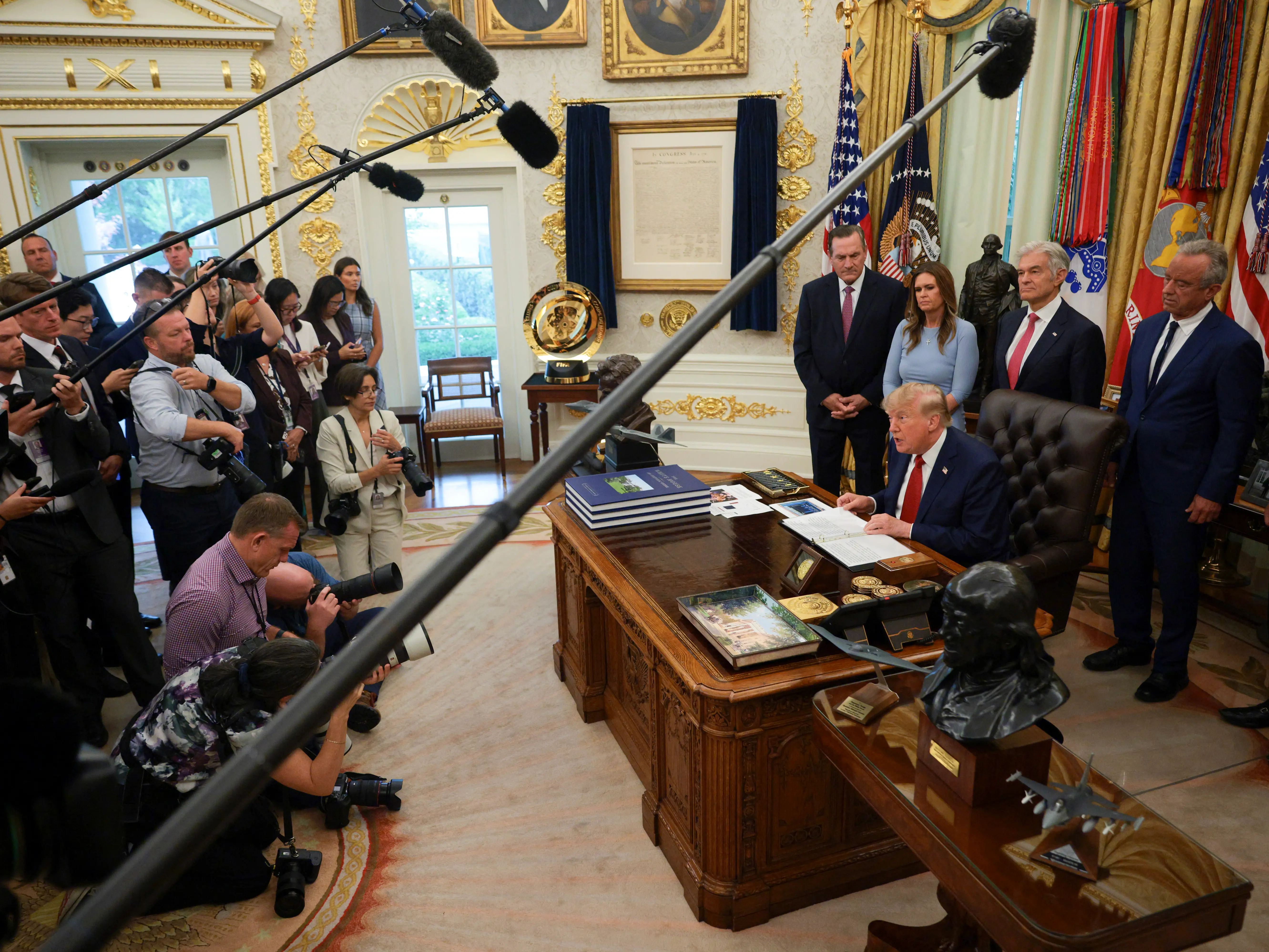)
Trump bans CNN, MS NOW and Politico from White House over ‘FAKE NEWS’
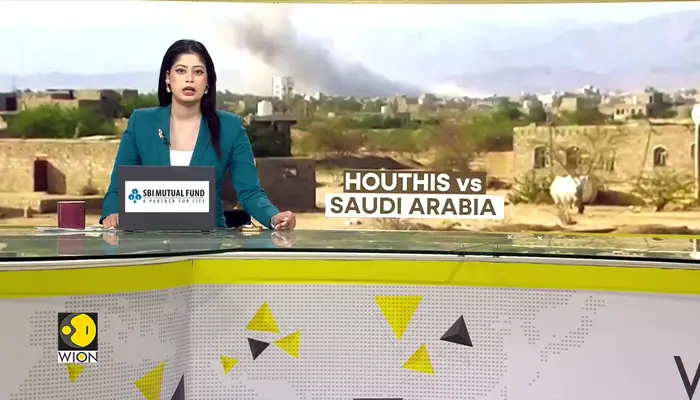)
Saudi vs Houthis: Houthis claim missiles & drones used in attack on key Saudi sites
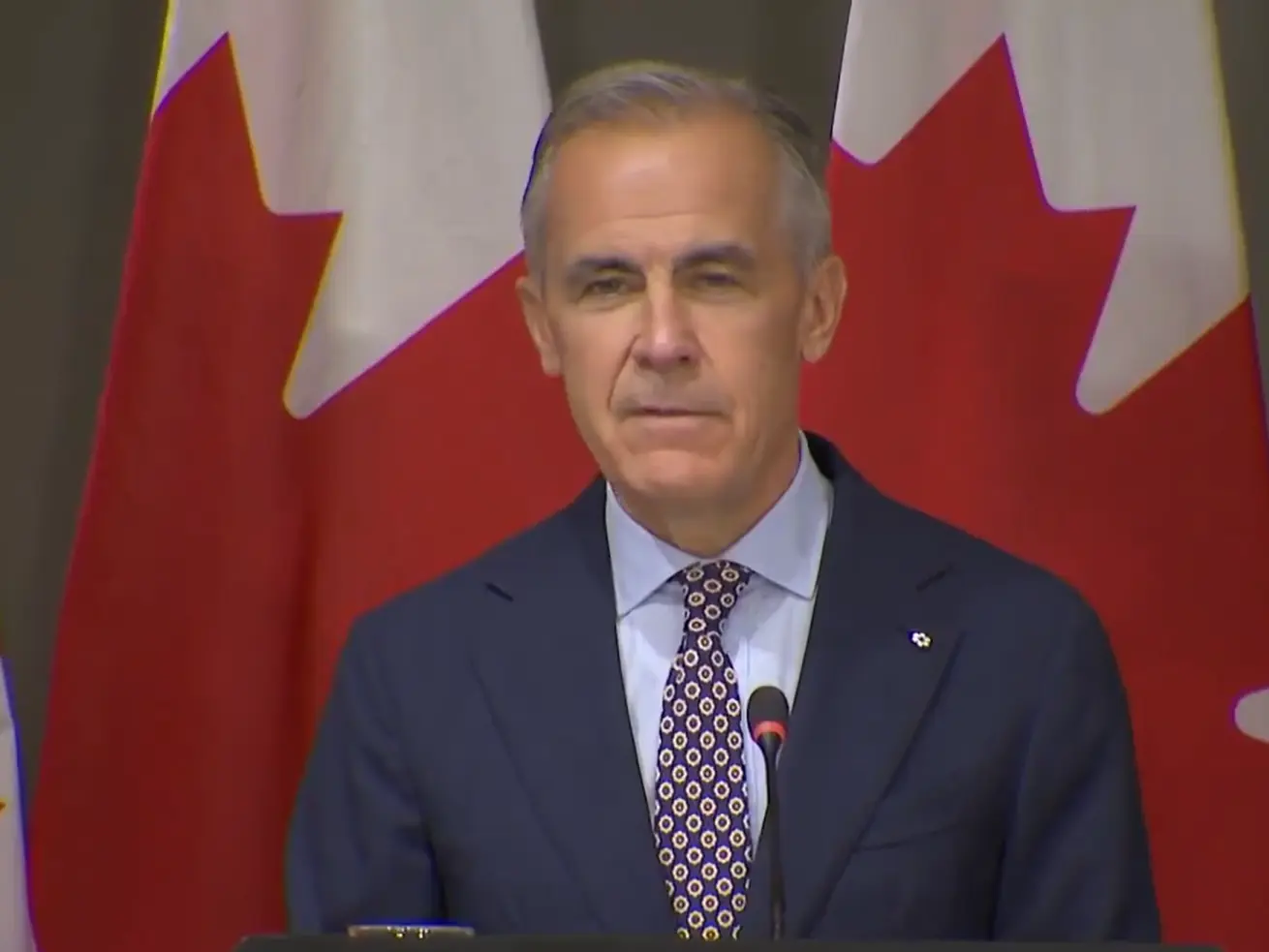)
Mark Carney mimics Trump in hilarious moment over C$70 billion clean-energy investment; room erupts in laughter
)
West Indies Squad for India Series: Hetmyer included for T20Is, Holder rested
)
Nigeria: Protesters take to the streets, police fire shots
)
Despite its remote location approximately 38 kilometres west of Jagdalpur, the site is increasingly accessible for tourists. The state has improved the approach roads and built secure viewing decks. Visitors can hire small boats to navigate the calmer sections of the lower pool for roughly Rs 50 per person. This provides a ground-level perspective of the towering 29-metre cascade. While adventure sports operate in the stormy parts of the pool, simple paddle boats are heavily utilised during the low-flow seasons.
For the best experience, plan your visit during the monsoon season between July and October when the river is in full flood. Travellers should wear sturdy shoes and book government cottages well in advance, as the small village has limited immediate accommodation options during peak tourist months.
