

&imwidth=800&imheight=600&format=webp&quality=medium "Is India eating its way to obesity and diabetes? ICMR study warns")
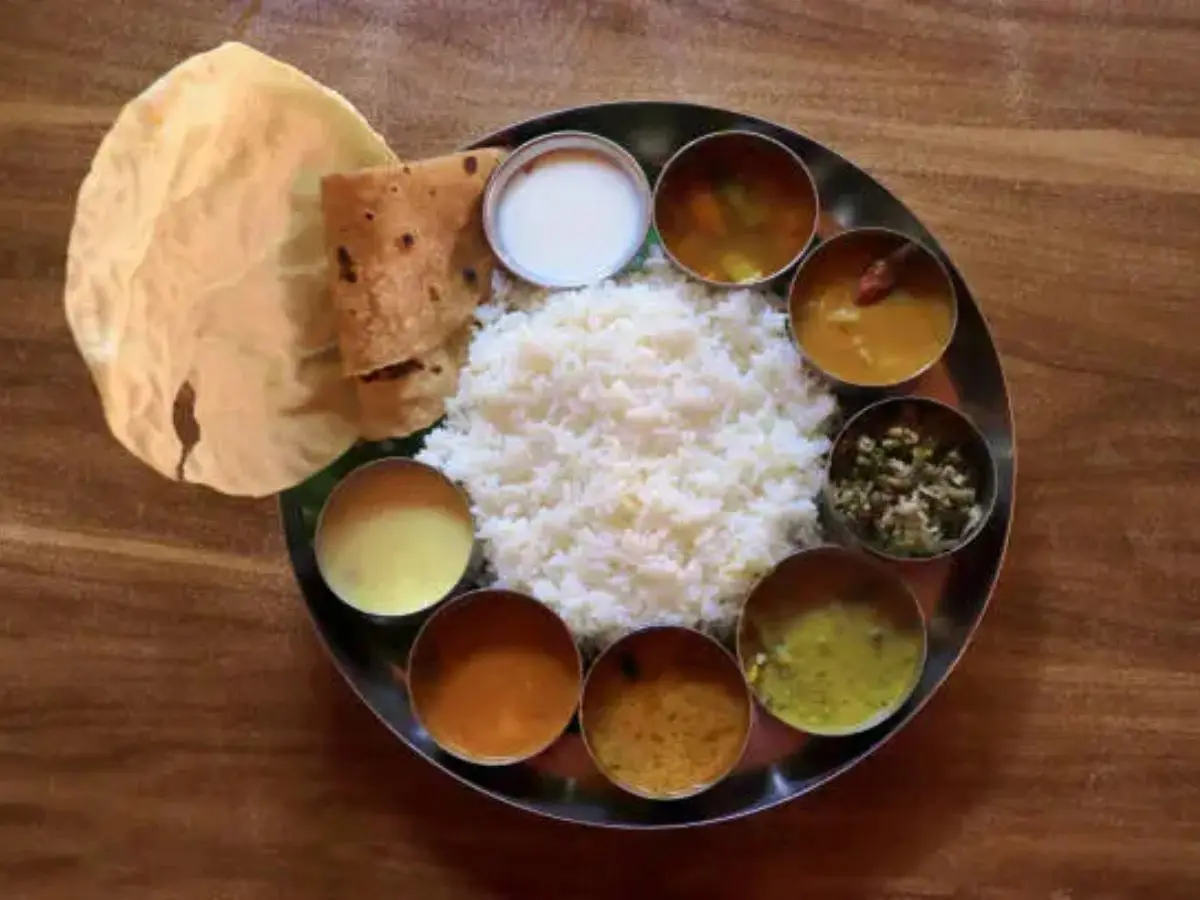
India’s dinner plates may be comforting, but they’re turning into a silent health hazard. A new nationwide study by the Indian Council of Medical Research–India Diabetes (ICMR–INDIAB) has revealed that the average Indian diet, overloaded with carbohydrates and deficient in protein, is driving the country’s alarming rise in obesity and diabetes cases.
The extensive research surveyed over 1.2 lakh adults across 36 states and union territories, mapping how regional food patterns contribute to metabolic risks. The results paint a worrying picture: 62% of daily calories consumed by Indians come from carbohydrates, among the highest in the world.
Carb overload
Most of these carbohydrates come from low-quality sources such as white rice, refined wheat, and added sugars. The study found clear regional patterns- white rice is dominant in the South, East, and Northeast, while wheat is the primary staple in North and Central India. Nutrient-rich millets, once a traditional part of Indian diets, are now mainstays in only three states- Karnataka, Gujarat, and Maharashtra.
Trending Stories
&imwidth=180&imheight=135&format=webp&quality=medium)
Brendan Taylor overtakes Andy Flower to become Zimbabwe’s leading ODI run-scorer
&im=FitAndFill=(700,400)&imwidth=180&imheight=135&format=webp&quality=medium)
What is the real meaning behind Pete Hegseth's tattoos?
&imwidth=180&imheight=135&format=webp&quality=medium)
Kenyan cult leader found guilty over starvation deaths of nearly 200 children
&imwidth=180&imheight=135&format=webp&quality=medium)
Flying car race: Alef Aeronautics welcomes Tesla Roadster '11 years' later, but are the two models the same?
&imwidth=180&imheight=135&format=webp&quality=medium)
France is burning. Trump blames immigrants. But who is answering Europe's real questions? | The Verdict
&imwidth=180&imheight=135&format=webp&quality=medium)
Shastri backs Shami comeback; lauds Bhuvi and warns Bumrah on format workload ahead of World Cup
&imwidth=180&imheight=135&format=webp&quality=medium)
Netanyahu rival Benny Gantz quits Israel election race, vows to push for unity government
&imwidth=180&imheight=135&format=webp&quality=medium)
US Midterm 2026: What do opinion polls and prediction markets say less than two weeks before voting
&imwidth=180&imheight=135&format=webp&quality=medium)
WATCH | Albania protesters set Supreme Court on fire as anti-Rama riots escalate
&imwidth=180&imheight=135&format=webp&quality=medium)
Trump Commerce Secretary Howard Lutnick’s family fortune more than doubles to $7.3 billion, outpacing his boss
&im=FitAndFill=(700,400)&imwidth=180&imheight=135&format=webp&quality=medium)
Ghaziabad is world's fastest-growing city; Surat, Patna, Rajkot also feature on list
&imwidth=180&imheight=135&format=webp&quality=medium)
‘Spare India from anarchy’: Over 400 Indian-origin academics from MIT, Oxford condemn anti-CEC protests
&imwidth=180&imheight=135&format=webp&quality=medium)
WATCH | Japan launches historic mission to collect samples from Mars' moon Phobos
&imwidth=180&imheight=135&format=webp&quality=medium)
Pakistan betrays Iran, shuts border, trade as Trump moves towards new war
&imwidth=180&imheight=135&format=webp&quality=medium)
PCB omits Atherton, Hussain from tri-series commentary panel over Imran Khan interview row
&imwidth=180&imheight=135&format=webp&quality=medium)
US Congressman Raja Krishnamoorthi describes foiled temple attack as ‘divine intervention’, criticises Vance and MAGA rhetoric
&imwidth=180&imheight=135&format=webp&quality=medium)
Trump calls on New Mexico to become 'New America', claims 'home values and incomes would rise'
&imwidth=180&imheight=135&format=webp&quality=medium)
9/11 case: US Supreme Court rejects plea deal appeal by alleged mastermind Khalid Sheikh Mohammed
&imwidth=180&imheight=135&format=webp&quality=medium)
Girl 'dead' for 8 hours wakes up at her own funeral, dad insists she wasn't breathing
&imwidth=180&imheight=135&format=webp&quality=medium)
Pujara says 'Samson and Vaibhav cannot be in Playing XI' for India on NZ tour
&imwidth=180&imheight=135&format=webp&quality=medium)
One dead after shooting near mosque in Columbus, Ohio. Here's what we know so far
&imwidth=180&imheight=135&format=webp&quality=medium)
Watch: Trump predicts Netanyahu’s victory, says ‘You’re the man I want by my side’
&im=FitAndFill=(700,400)&imwidth=180&imheight=135&format=webp&quality=medium)
New OTT releases this week (October 19-25, 2026): Gajab Raat to Chaar Yaar-8 titles to watch during Dussehra week on Netflix, Prime Video and more
&imwidth=180&imheight=135&format=webp&quality=medium)
Baby orangutan rescued in India returns to Indonesia
&imwidth=180&imheight=135&format=webp&quality=medium)
India moves to buy 10,000 more AI chips for a national compute pool open to startups
&imwidth=180&imheight=135&format=webp&quality=medium)
'Whatever I can do to end this war': Trump floats China Summit with Putin and Xi, questions Zelensky's role in peace talks
&imwidth=180&imheight=135&format=webp&quality=medium)
WATCH | Viral video shows woman jogging past burning barricade amid Paris unrest, sparks online debate
&imwidth=180&imheight=135&format=webp&quality=medium)
'Paris is going to be a Muslim city very soon': Trump blames immigration for France unrest, urges Macron to tighten border policies
&imwidth=180&imheight=135&format=webp&quality=medium)
'We feel like Mr India': Gujarat’s undercover SHE team guard garba nights at Navratri
&imwidth=180&imheight=135&format=webp&quality=medium)
Cattle-feed bran in biscuits, detergent in milk: FSSAI acts against 3 companies
&imwidth=180&imheight=135&format=webp&quality=medium)
'It's a joy to see the makers bring it on such a grand scale': SS Rajamouli on Ramayana
&imwidth=180&imheight=135&format=webp&quality=medium)
Priest dies after crucifix falls on his head during livestreamed Mass in Ecuador | VIDEO
&imwidth=180&imheight=135&format=webp&quality=medium)
Ramayana advance booking: Ranbir Kapoor, Yash's film cross $500K ahead of Diwali release
&imwidth=180&imheight=135&format=webp&quality=medium)
US midterm elections 2026: Early voting picks up pace ahead of November 3 polls
Excessive sugar intake adds to the problem. Twenty-one states and union territories consume sugar above the World Health Organization’s (WHO) recommended limit of 5% of total calories. This, coupled with refined carbs, is directly linked to the rising incidence of diabetes, prediabetes, and obesity across age groups.
Protein Deficiency
The report also revealed a significant protein gap in Indian diets- only 12% of daily calories come from protein, compared to the recommended 15–20%. Most of this comes from plant-based sources like pulses, lentils, and cereals, while dairy contributes just 2% and animal protein only 1% of daily energy.
Interestingly, the Northeast region recorded the highest protein intake (13.6%), largely due to its inclusion of fish and meat in daily meals. Yet, protein deficiency remains widespread nationwide, contributing to muscle loss, poor metabolism, and insulin resistance.
Fat quality matters too
While overall fat intake in India remains within global recommendations, the type of fat consumed raises concern. The study found that saturated fat intake exceeded healthy limits in nearly all states, except Jharkhand, Chhattisgarh, Arunachal Pradesh, and Manipur. These fats found in ghee, butter, and palm oil can increase cholesterol and heart disease risk.
Meanwhile, the consumption of healthier fats, such as monounsaturated and omega-3 fats from nuts, seeds, and fish, remains low across the country. Experts warn that this imbalance, coupled with high-carb diets, worsens metabolic health.
Small dietary tweaks for big health benefits
The ICMR team found that even a small dietary adjustment can make a significant impact. Replacing just 5% of daily calories from carbohydrates with plant or dairy proteins could lower the risk of diabetes and prediabetes. Substituting with fish or egg protein also showed positive results, but swapping carbs for red meat or fats did not yield the same benefits.
Rethinking the Indian plate
Experts suggest that achieving a healthier diet doesn’t require drastic measures, just smarter choices:
- Cut down on refined carbs like white rice and maida.
- Diversify grains, include unpolished millets and brown rice.
- Add a daily mix of pulses, lentils, paneer, and curd.
- Replace ghee and butter with healthier oils such as mustard or groundnut oil.
- Limit added sugar to less than 5% of daily calorie intake.

