Sanjay Dutt was 'shaking' after 1993 blasts case verdict, recalls Ujjwal Nikam

&imwidth=600&imheight=450&format=webp&quality=medium "Sanjay Dutt was 'shaking' after 1993 blasts case verdict, recalls Ujjwal Nikam")
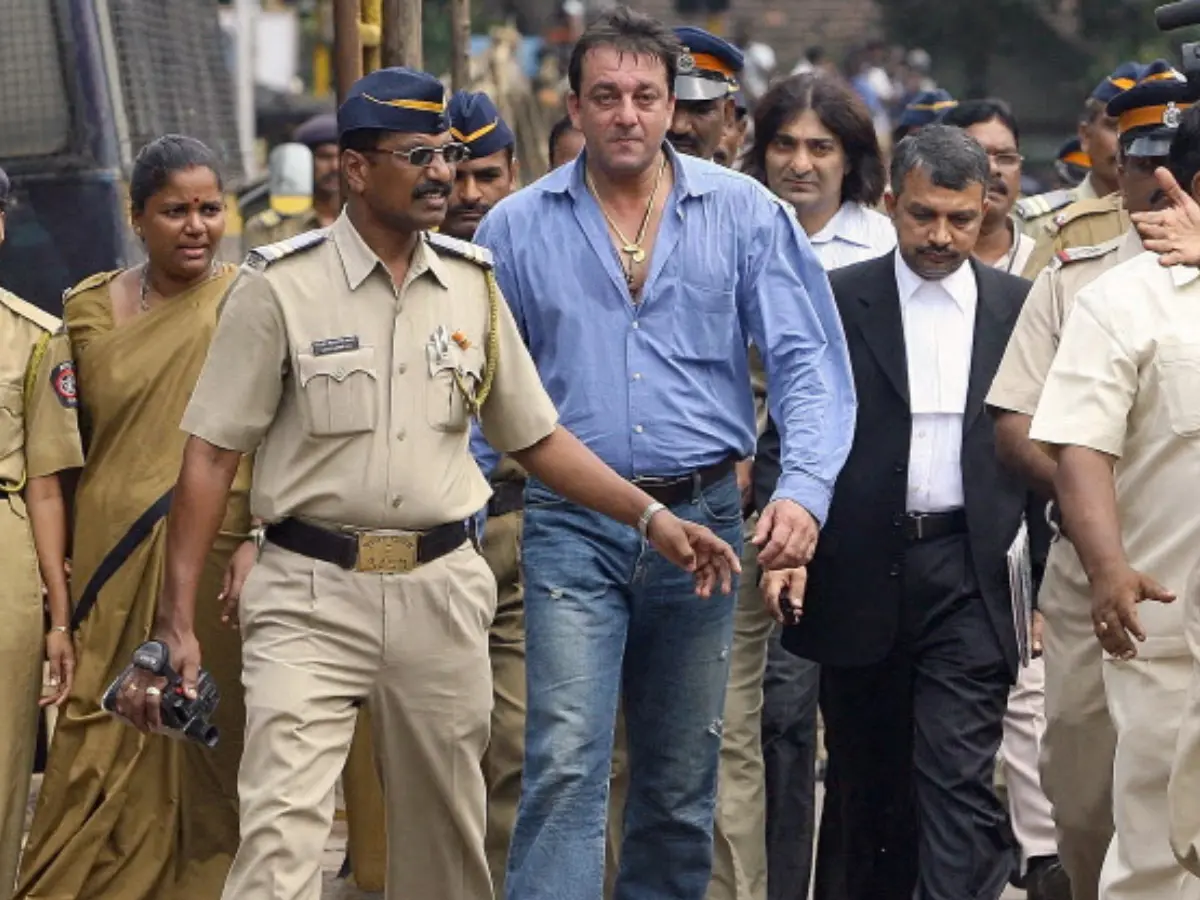
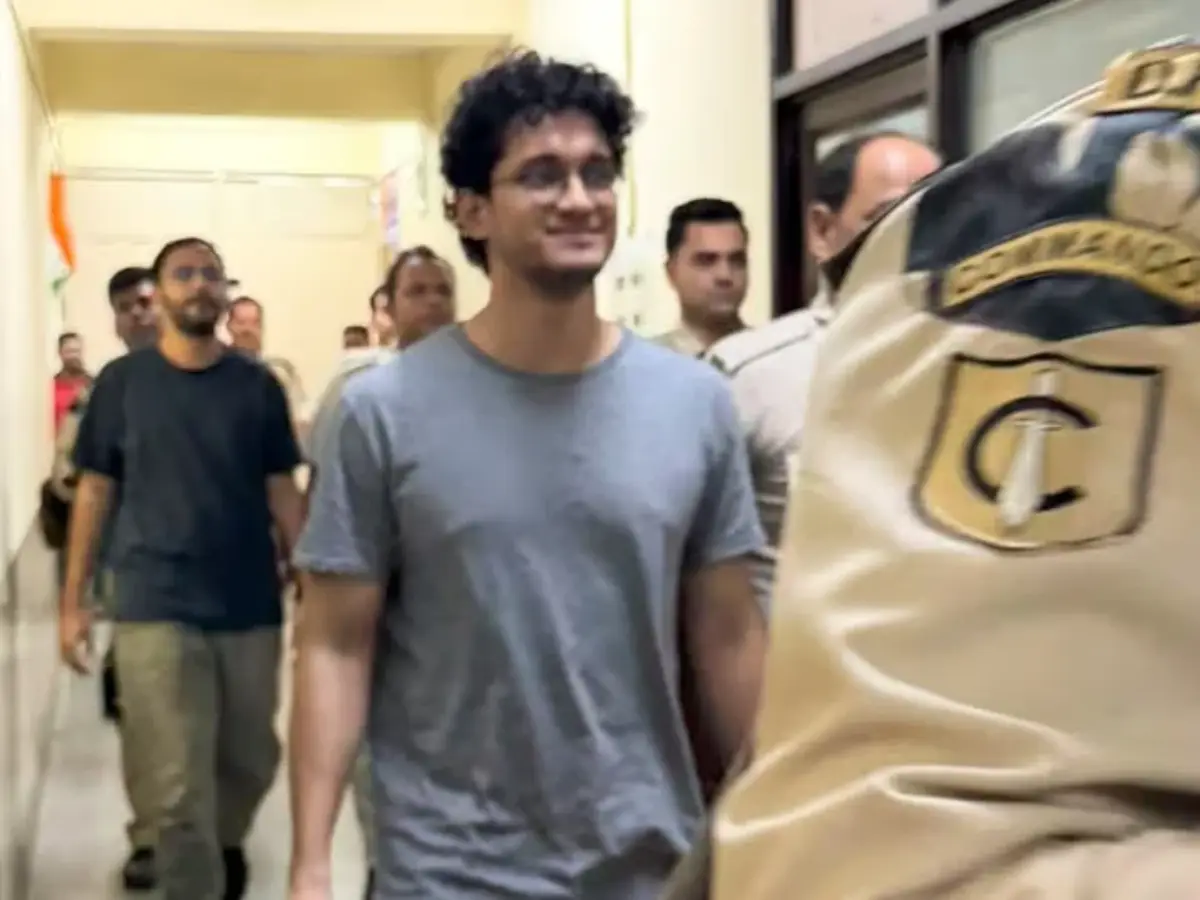
Sanjay Dutt's 1993 blasts case Photograph: (AFP)
Special public prosecutor Ujjwal Nikam recently revealed that Sanjay Dutt was visibly emotional after the 1993 Mumbai serial blasts case's verdict was announced. Read on to know more.
Sanjay Dutt's conviction under the Arms Act in connection with the 1993 Mumbai serial blasts case was once a hot topic of discussion in India. While he was acquitted of charges related to terrorism and criminal conspiracy, it was the toughest phase of his life.
Now, years later, special public prosecutor Ujjwal Nikam revisited the case and shared how the actor became emotional in the courtroom.
Also Read: Prahaar teaser: Rajkummar Rai transforms himself to play prosecutor Ujjwal Nikam in this courtroom drama on the 26/11 Mumbai terror attacks
Ujjwal Nikam opens up about the Sanjay Dutt case
During an interview with Lallantop, Nikam shared, "Every time Sanjay Dutt cried, people held me responsible for that. The media can shape public perception of someone. When the court pronounced its verdict against Sanjay Dutt, he was naturally scared. He was out on bail, but the court ordered that he be taken into custody."
Trending Stories
&imwidth=280&imheight=210&format=webp&quality=medium)
&imwidth=280&imheight=210&format=webp&quality=medium)
&imwidth=280&imheight=210&format=webp&quality=medium)
&imwidth=280&imheight=210&format=webp&quality=medium)
&imwidth=280&imheight=210&format=webp&quality=medium)
&imwidth=280&imheight=210&format=webp&quality=medium)
&imwidth=280&imheight=210&format=webp&quality=medium)
&imwidth=280&imheight=210&format=webp&quality=medium)
&imwidth=280&imheight=210&format=webp&quality=medium)
&imwidth=280&imheight=210&format=webp&quality=medium)
&imwidth=280&imheight=210&format=webp&quality=medium)
&imwidth=280&imheight=210&format=webp&quality=medium)
&imwidth=280&imheight=210&format=webp&quality=medium)
&imwidth=280&imheight=210&format=webp&quality=medium)
&imwidth=280&imheight=210&format=webp&quality=medium)
&imwidth=280&imheight=210&format=webp&quality=medium)
&imwidth=280&imheight=210&format=webp&quality=medium)
&imwidth=280&imheight=210&format=webp&quality=medium)
&imwidth=280&imheight=210&format=webp&quality=medium)
&im=FitAndFill=(700,400)&imwidth=280&imheight=210&format=webp&quality=medium)
&imwidth=280&imheight=210&format=webp&quality=medium)
&imwidth=280&imheight=210&format=webp&quality=medium)
&imwidth=280&imheight=210&format=webp&quality=medium)
&imwidth=280&imheight=210&format=webp&quality=medium)
&imwidth=280&imheight=210&format=webp&quality=medium)
&imwidth=280&imheight=210&format=webp&quality=medium)
&imwidth=280&imheight=210&format=webp&quality=medium)
&imwidth=280&imheight=210&format=webp&quality=medium)
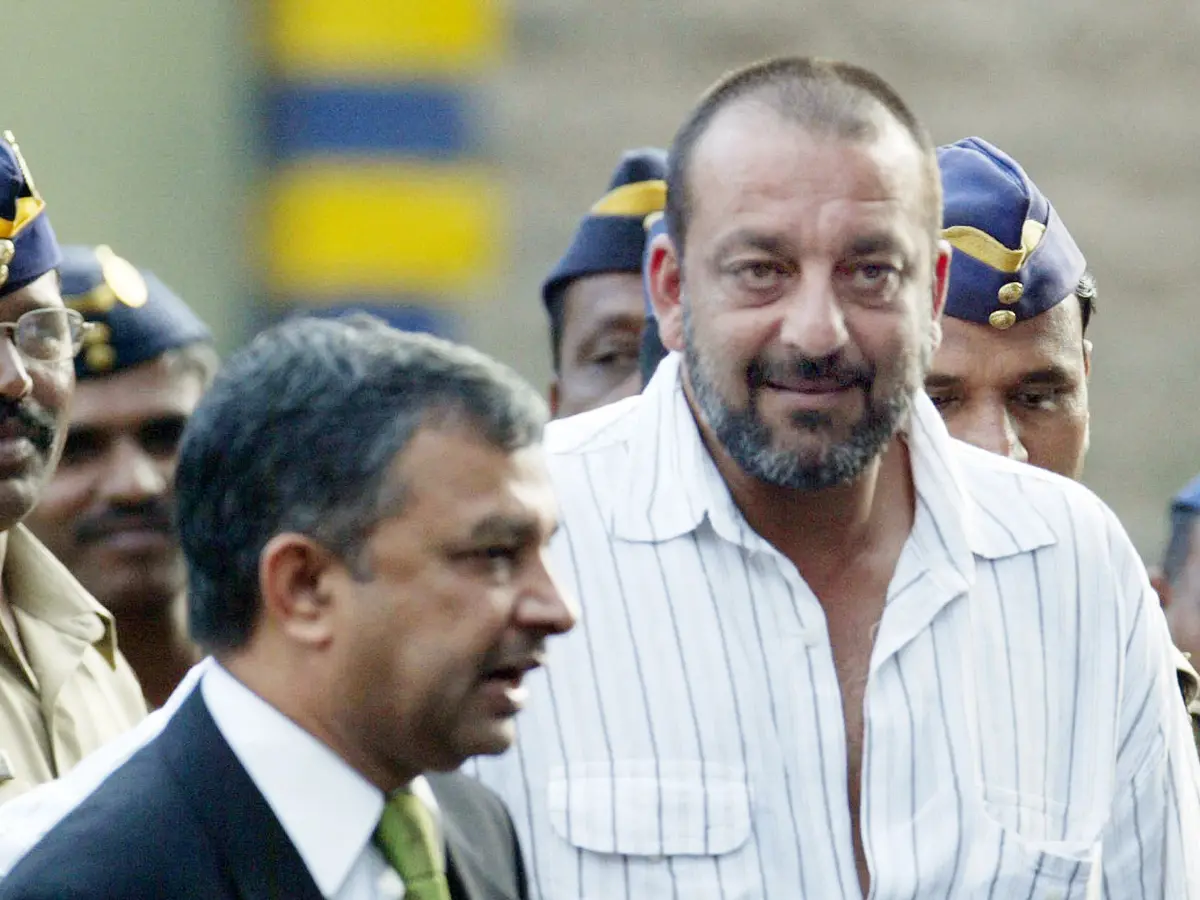)
Sanjay Dutt's 1993 blasts case Photograph: (AFP)
Also Read: Rs 2,950,000,000 net worth: Sanjay Dutt’s luxurious properties, multi-crore business and more
He further added, "My argument was that Sanjay Dutt should not get the benefit of the Probation of Offenders Act. He was convicted under the Arms Act, though the court acquitted him of conspiracy charges, and we had no objection to that. However, I argued that he should be sentenced to seven years under the Arms Act."
He further revealed that the defence had sought leniency on the grounds that it was his first offence, but the prosecution disagreed.
Sanjay Dutt's reaction after the judgment
Sharing details of the moment when the verdict was announced, Nikam revealed, "When the judgment was delivered, he was trembling. He kept saying, 'No sir, I didn't do anything wrong, sir. I will come back.' He was virtually shaking. I was standing nearby and told him, 'Sanju, the media is watching, please stand straight.' Then I asked the police to take him away. Had I not motivated him at that moment, the media would have made me the villain. Everyone was against me."
In 2013, the Supreme Court sentenced him to five years under the Arms Act. He completed his prison time in 2016, and since then, he has remained active in the film industry.

