US economy slows amid import surge; inflation accelerates

US economy
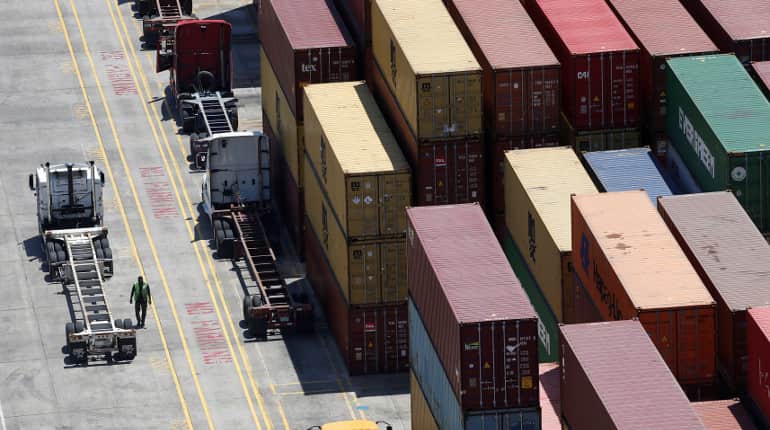
The US economy witnessed its slowest growth in nearly two years during the first quarter, largely attributed to a surge in imports and a modest accumulation of unsold goods at businesses, Reuters reported.
Despite signs of strong demand, including an uptick in inflation, experts suggest that the Federal Reserve is unlikely to consider interest rate cuts before September.
According to the Commerce Department's report on first-quarter gross domestic product (GDP), the economy expanded at a 1.6 per cent annualised rate, falling short of economists' expectations.

However, this figure may overstate the moderation in economic activity, as underlying indicators like domestic demand remained strong.
Consumer spending, albeit slightly tempered, along with increased business investment and an expanding housing market, indicated the economy's resilience.
Reuters cited Daniel Vernazza, chief international economist at UniCredit, who noted the implications of the GDP report, saying that while the Federal Reserve may perceive it as solid, the unexpected rise in inflation could reinforce the central bank's decision to delay rate cuts.
)
Justice eludes Air India 1985 bombing victims as Canada probe goes 'inactive' | Gravitas
)
Trump revives India-Middle East-Europe economic corridor as India emerges central to West Asia’s future: What is it?
)
Erdogan again raises Kashmir issue at UNGA, calls for dialogue under UN Charter
)
Trump signs Greenland security deal with Denmark, paving way for two new US military bases
)
Most Americans want greater federal AI oversight
)
IND vs JPN T20I: How an overturned wide became point of difference between India's win and a tie
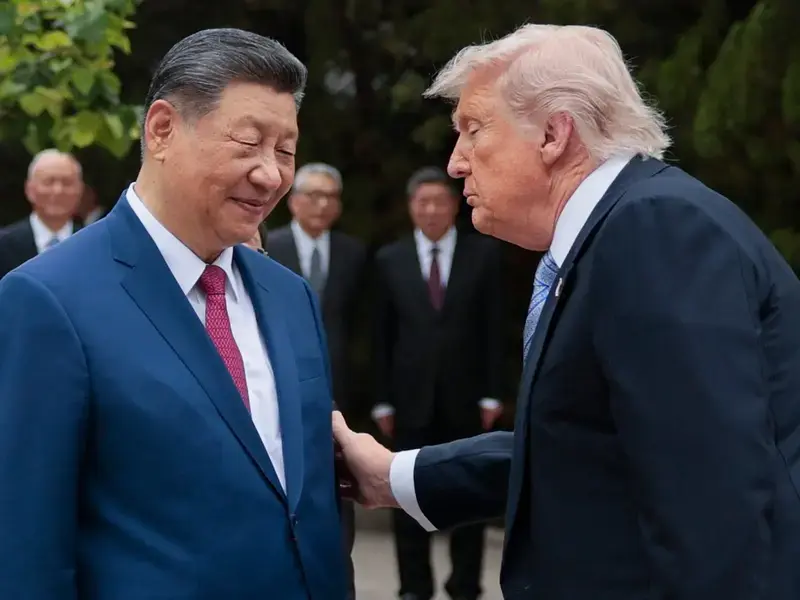)
Trump-Xi summit: From trade to Taiwan, what will the US and Chinese presidents discuss in Washington?
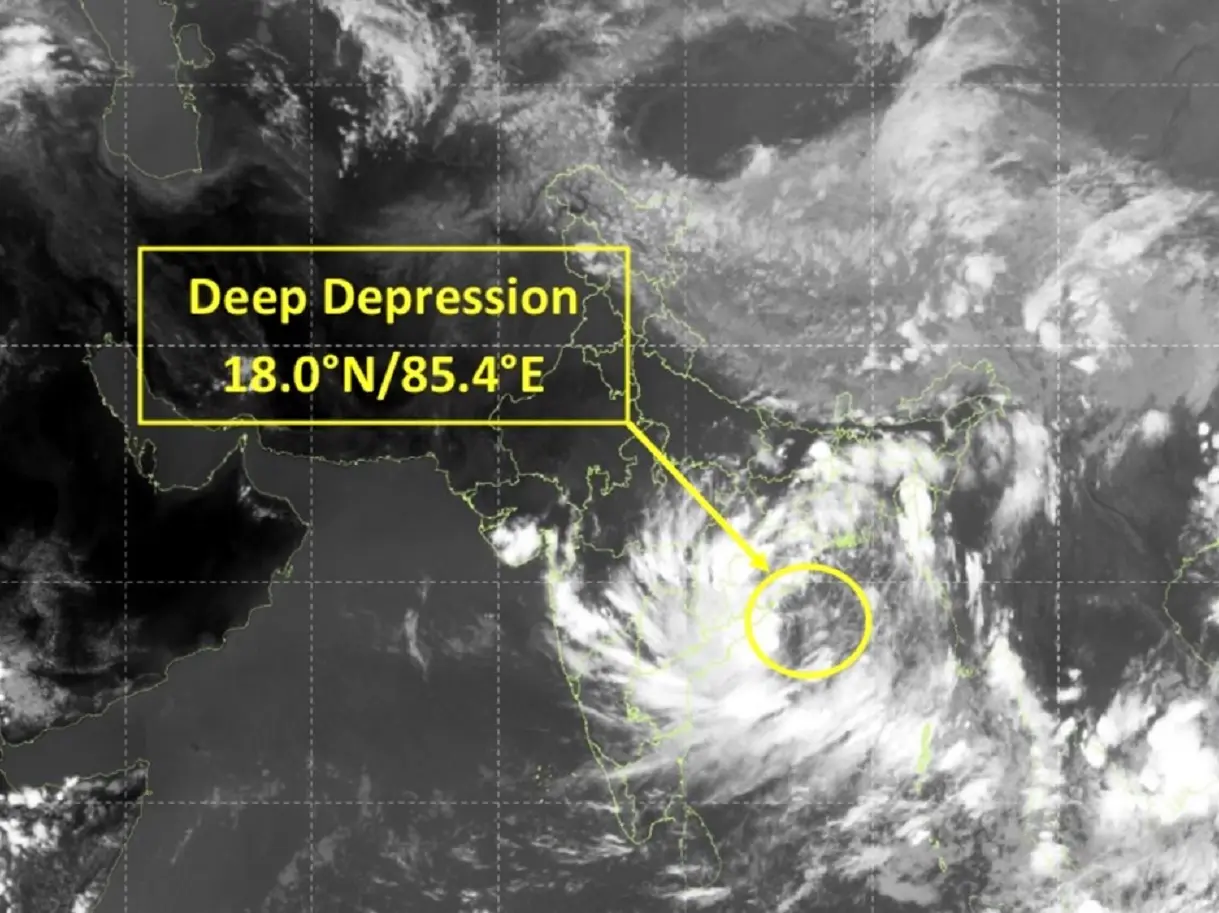)
Cyclone Arnab: Landfall expected before midnight tomorrow as IMD issues orange alerts across six states
)
ICC plans T20I expansion and fewer ODIs in 2027–2031 FTP cycle: Report
)
US-China tech war: Businesses in the front line
)
'Mumma’s boy from Gwalior who dared to dream': Kartik Aaryan pens long note after first National Award win
)
Gravitas | Boosting NHS productivity could save 20,600 lives in UK annually: Report
)
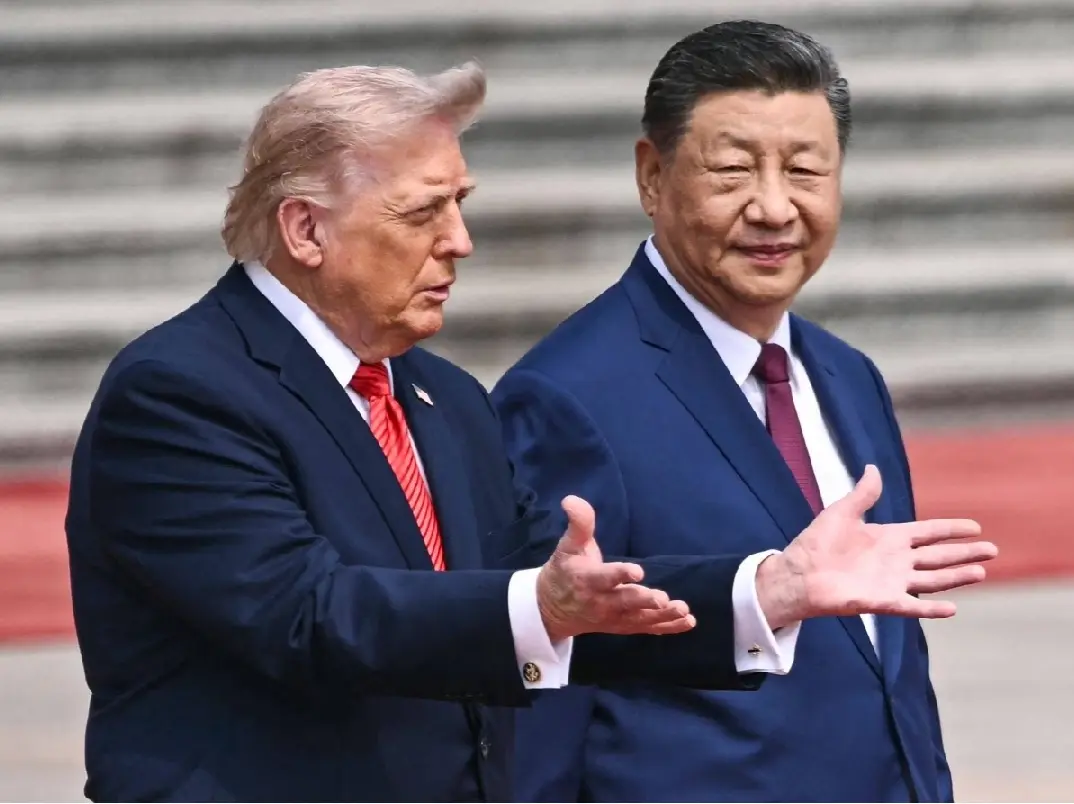
Nor'easter could batter 13 US states this week. What you should know
)
US and China vie for AI dominance as calls grow for regulation | Gravitas
)
Yemen clashes kill 154 people in two days as cornered Saudi battles Houthi offensive | Gravitas
)
Bomb scare in New York amid UNGA: Suspicious suitcase found near UN headquarters
)
IND vs JPN, one-off T20I: Japan captain Kendel on pushing India to the brink - ‘It was special’
)
Raaka creates history! Allu Arjun’s film secures Guinness World Record ahead of release
)
Mikel Arteta verbally agrees to three-year extension with Arsenal after title-winning Premier League season
)
WION Iconic Tourism Summit and Awards 2026: Key voices to discuss India’s tourism future
)
WION Iconic Tourism Summit and Iconic Awards 2026: India's travel economy leaders gather in Delhi
&im=FitAndFill=(700,400))
New OTT releases this week (September 21-27, 2026): Shaque: Trust No One, Hunkkaar, Don’t Be Shy- 5 new titles coming to Netflix, Prime Video and more
)
81st UN General Assembly: Burnham announces UK-US AI defence tie-up
)
Trump calls on nations to quit ‘rogue’ and ‘out-of-control’ International Criminal Court, rips UN
)
Infections transmitted from pregnant woman linked to autism risk
)
'What kind of confession is this?': Pakistan PM Shehbaz Sharif’s 'terrorists would be roaming New York' remark goes viral, raises alarm online. Watch
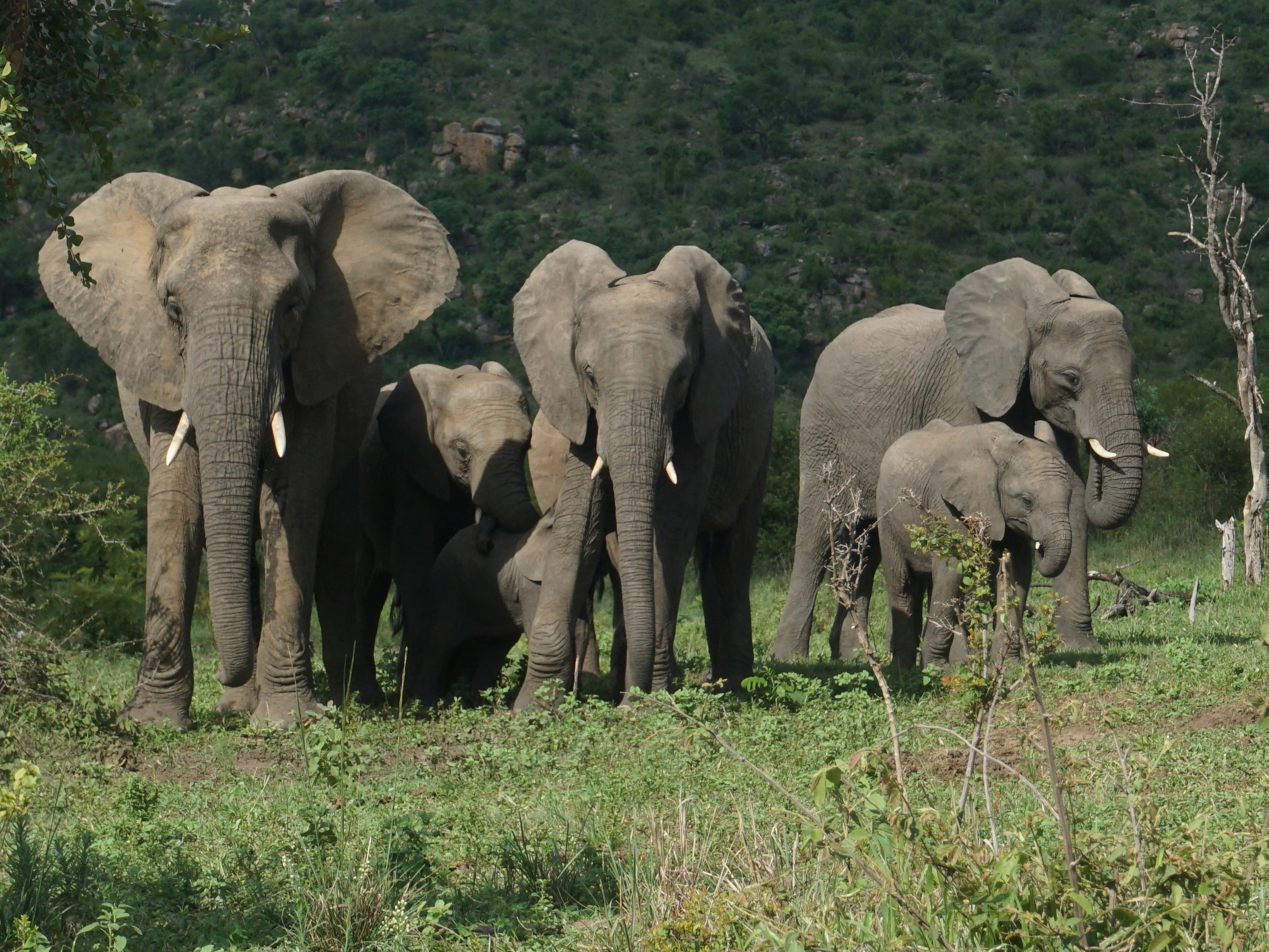)
Elephants hide behind trees, stage surprise attack on poachers targeting rhinos in South Africa
)
IIT Bombay professor Suryanarayana Doolla sent on leave amid Sahil Wakode death probe
&im=FitAndFill=(700,400))
National Film Awards 2026: Kartik Aaryan, Mammootty, Yami Gautam, Randeep Hooda and other key winners
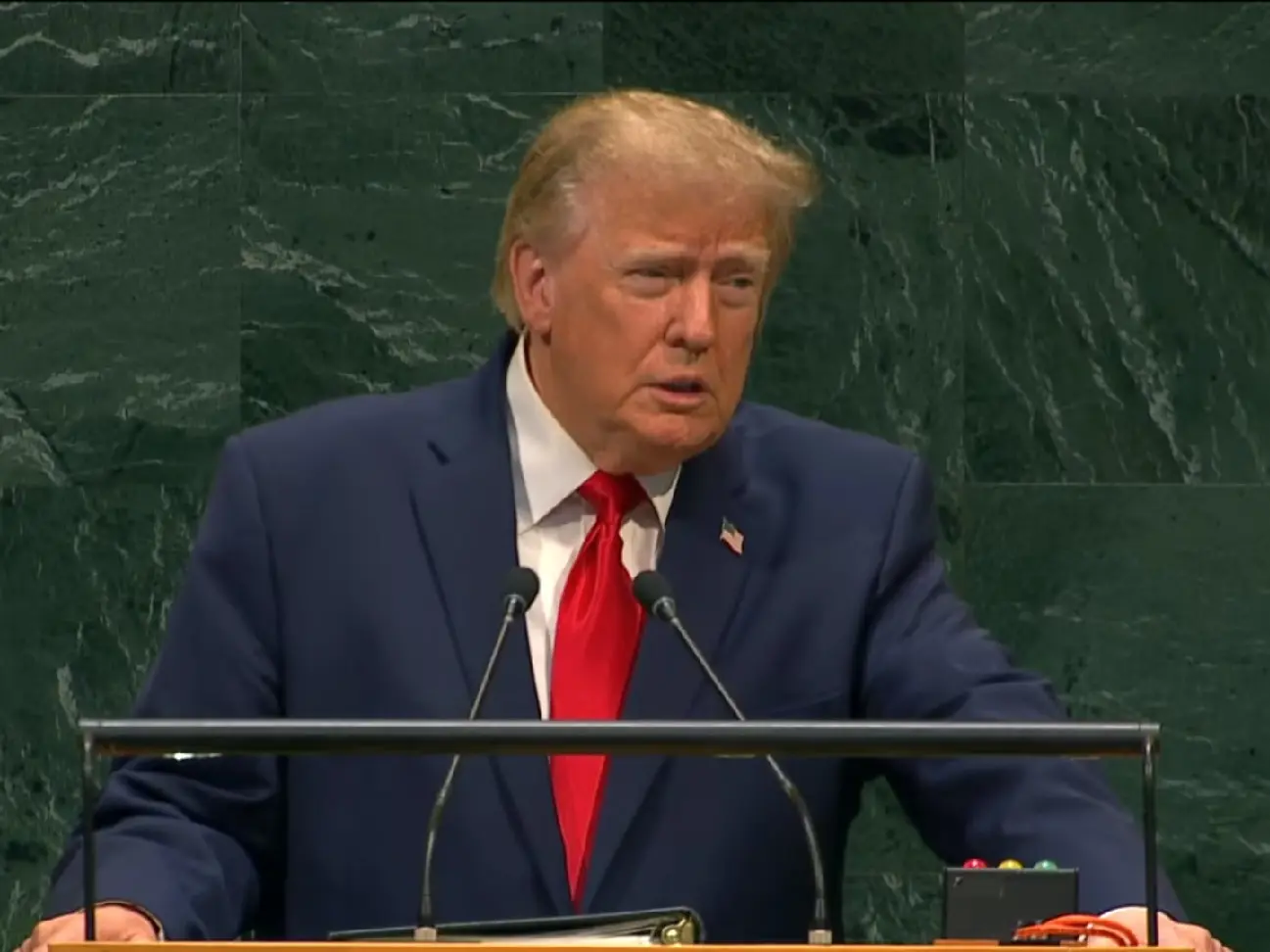)
‘Strike a deal or drive Iran into hell’: Trump issues fresh warning to Tehran at UNGA
)
Anne Hathaway to run in supporting race for Nolan's epic
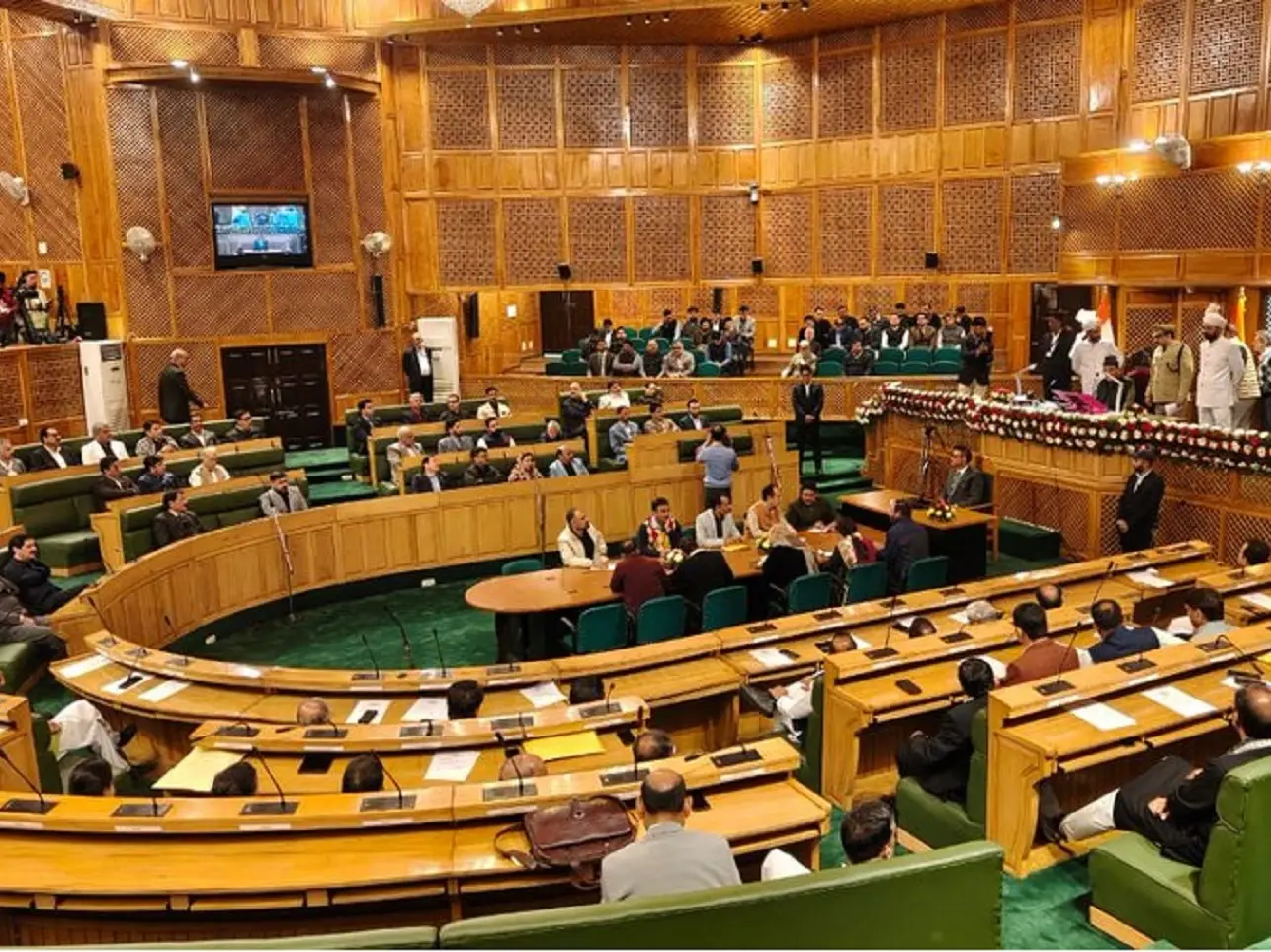)
Over 4,200 books withdrawn from circulation in J&K colleges, 94% from Kashmir
)
From Gaddafi tearing up UN Charter to Trump’s ‘escalatorgate’: Most unforgettable UNGA moments
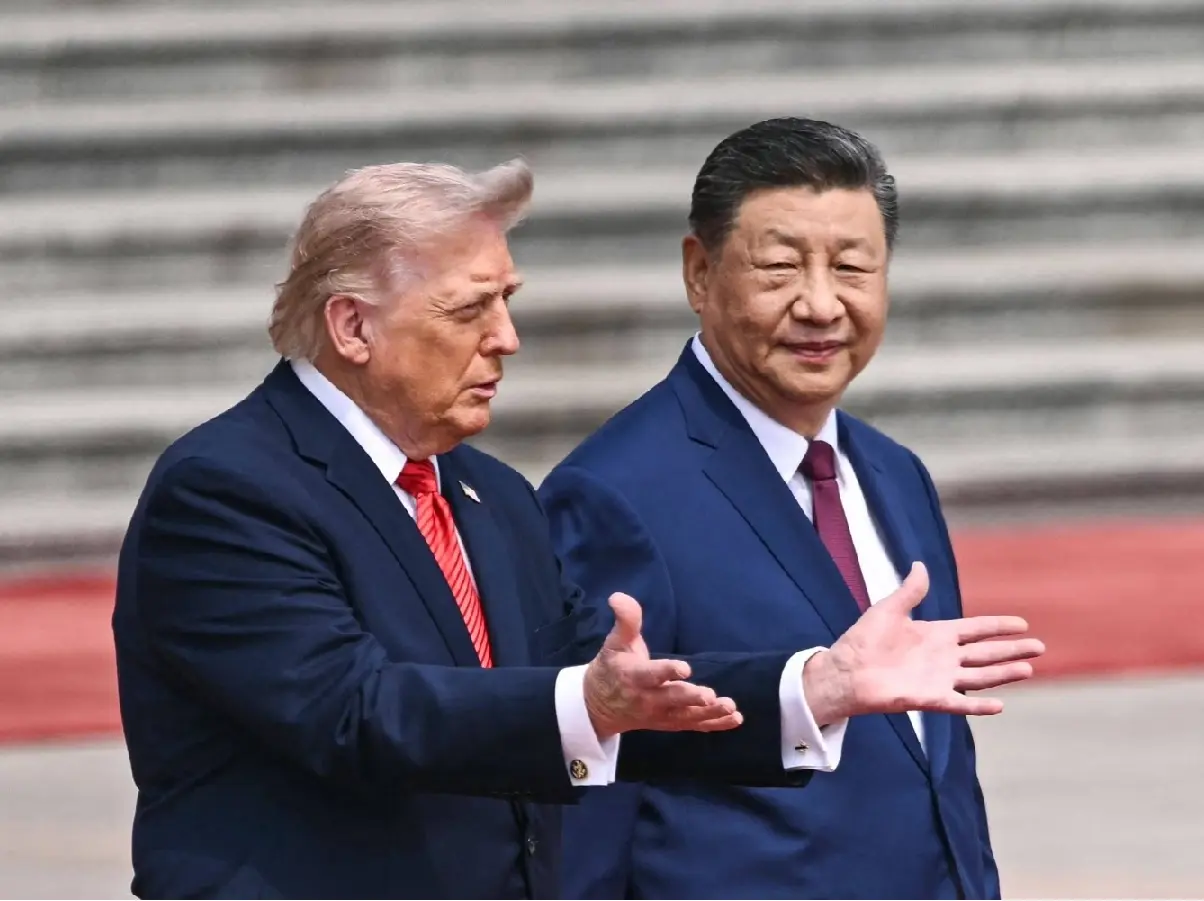)
Explainer: Why rare-earth export licences and Board of Trade are US priorities ahead of Trump-Xi summit
)
Asia prepares for record El Nino, food shock
)
Oil slips to $98 as Saudi Arabia restarts East-West oil pipeline
)
Four female students raped during 'Red Zone' at California university. What we know
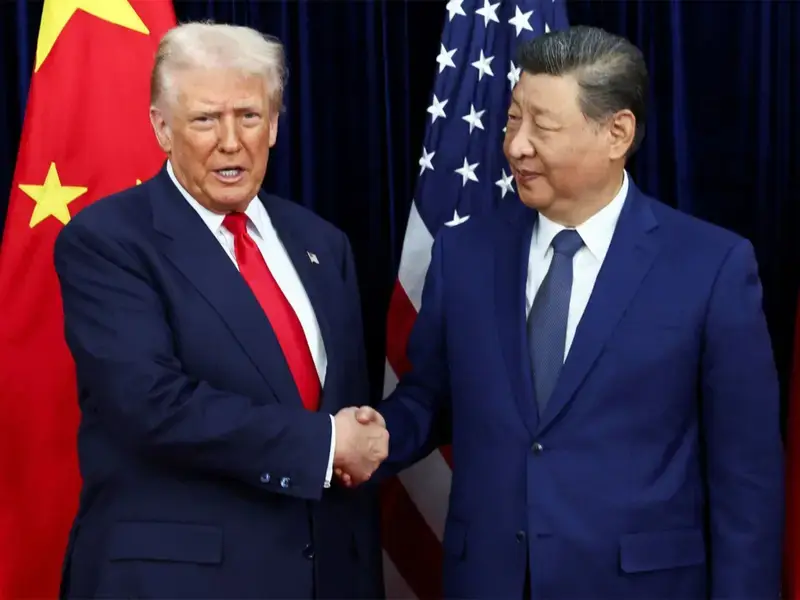)
'Taiwan and human rights are red lines': China warns US ahead of Xi-Trump visit
Economists polled by Reuters had forecasted a GDP growth rate of 2.4 per cent, with estimates ranging from 1.0 per cent to 3.1 per cent.
The GDP expansion in the first quarter marked a slowdown from the previous quarter's growth rate of 3.4 per cent.
Notably, the growth pace fell below the non-inflationary threshold of 1.8 per cent as regarded by US central bank officials.
However, excluding volatile components such as inventories, government spending, and trade, the economy grew at a healthier rate of 3.1 per cent, dispelling notions that government expenditure was solely driving economic momentum.
Treasury Secretary Janet Yellen said that her focus was on consumer and business spending, indicating their alignment with last year's growth rates.
This highlights the underlying strength of the US economy, characterised by strong consumer and business activities.
Inflationary pressures intensified during the first quarter, with the PCE price index, excluding food and energy, surging at a rate of 3.7 per cent.
This marked an acceleration from the previous quarter's pace of 2.0 per cent.
Rising costs in services like transportation and housing offset declines in goods prices, contributing to the inflationary surge.
Despite concerns over a potential slowdown, the labour market remains resilient.
Weekly jobless claims declined, indicating stability in the employment landscape.
Low layoffs continue to sustain high wages, supporting consumer spending, a crucial driver of economic activity.
However, recent data suggests that lower-income households are relying more on debt to fund purchases, indicating potential challenges ahead.
While income increased in the first quarter, gains were windswept by inflation and higher taxes, resulting in a slower pace of growth in disposable income.
The saving rate decreased slightly, reflecting adjustments in household finances while economic conditions continue to change.
Business spending witnessed an uptick, particularly in investments related to artificial intelligence, offsetting declines in government outlays.
The widening trade deficit, with reduced inventory accumulation, posed challenges to GDP growth.
Imports satiated part of the increased spending, contributing to a wider trade deficit.
Despite a slowdown in government spending, business investments and residential construction remained strong, indicating diverse drivers of economic activity.
(With inputs from Reuters)