US, China extend tariff truce by 90 days, avert near-total trade freeze

&imwidth=600&imheight=450&format=webp&quality=medium "US, China extend tariff truce by 90 days, avert near-total trade freeze")
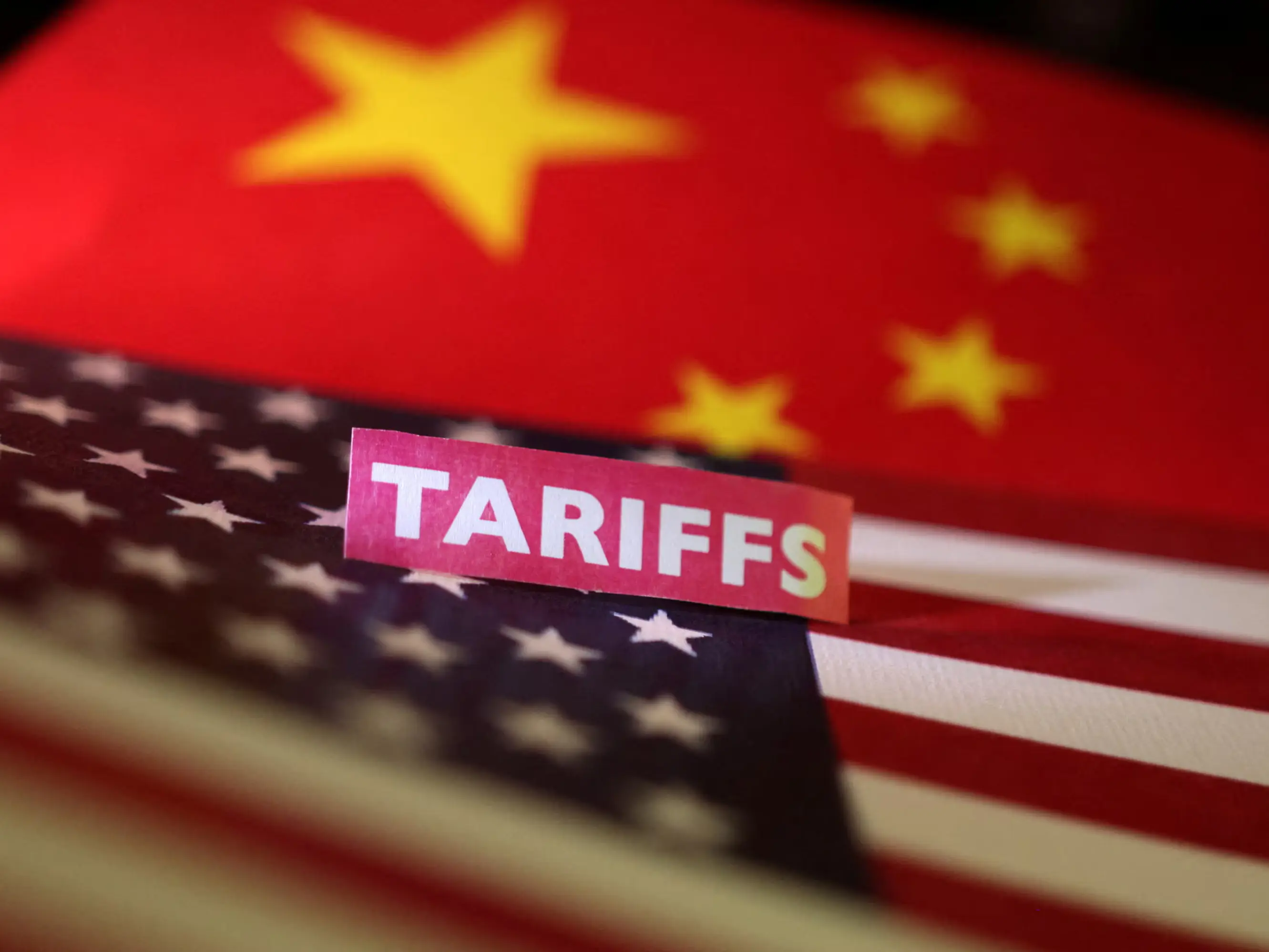
US and Chinese flags and a "tariffs" label are seen in this illustration. Photograph: (Reuters)
The US and China have extended their tariff truce for 90 days, preventing a potential trade freeze. President Trump signed an executive order delaying higher tariffs until November 10.
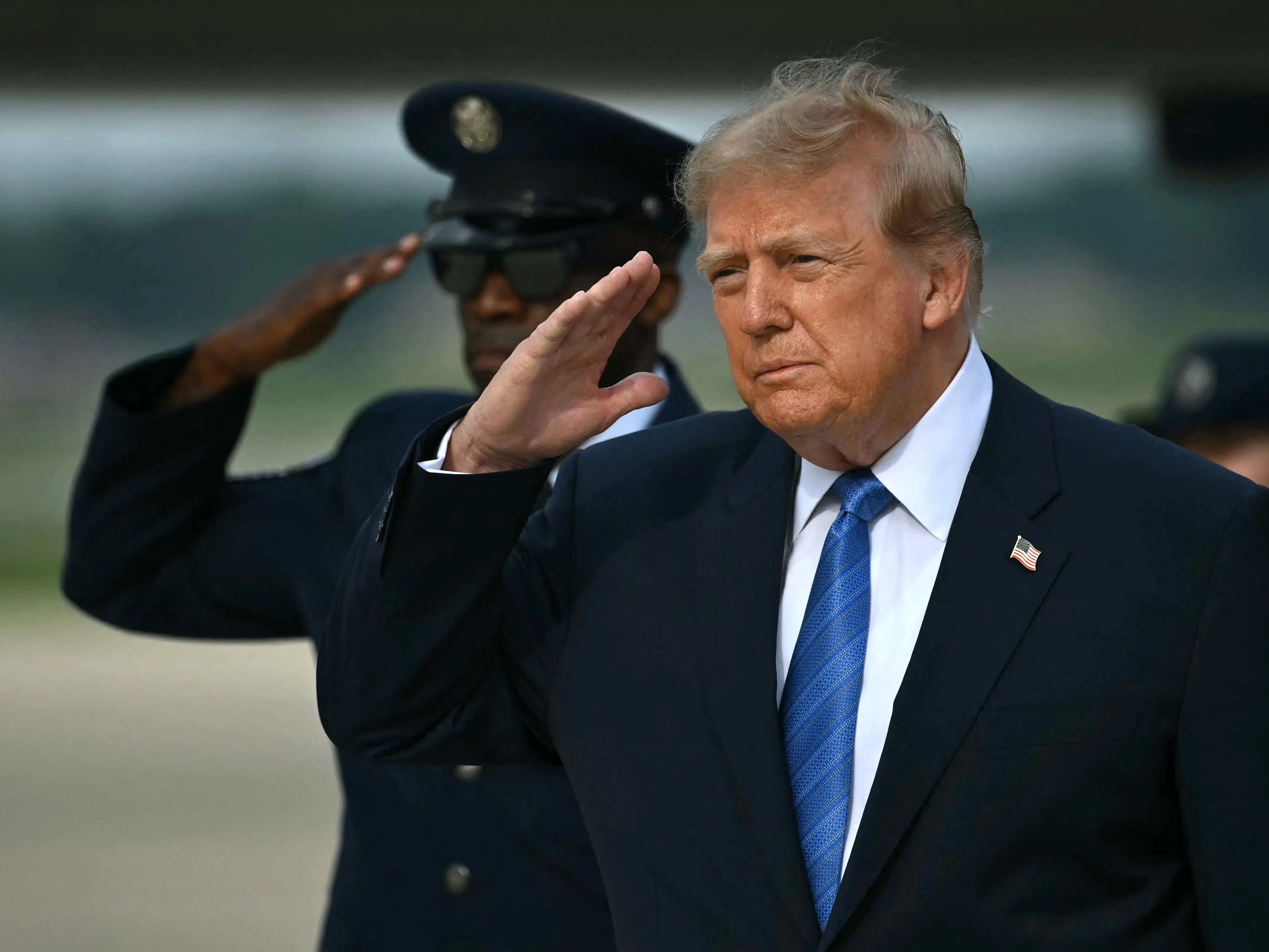
The United States and China have agreed to extend their tariff truce by 90 days, delaying a surge in import duties that threatened to escalate into a near-total trade freeze between the world’s two largest economies. US President Donald Trump announced on his Truth Social platform on Monday that he had signed an executive order suspending the imposition of higher tariffs until November 10 at 12:01 a.m. EST (0501 GMT). All other elements of the truce will remain in place.
China’s Commerce Ministry issued a matching statement early on Tuesday, postponing for 90 days the implementation of additional tariffs on US goods and delaying the addition of American companies to its trade and investment restriction lists. Beijing described the move as a step to implement the “important consensus” reached by President Xi Jinping and Trump during their June 5 call.
Surge in tariffs averted
Without the extension, US tariffs on Chinese goods were set to jump to 145%, while Chinese tariffs on American imports were due to rise to 125 per cent, levels that analysts say would have amounted to a “virtual trade embargo.”
The truce locks in current tariff levels of 30% on Chinese imports to the US, and 10% on US goods entering China. The extension is expected to benefit American retailers preparing for the autumn and Christmas shopping season, as it allows them to import electronics, clothing, and toys at lower tariff rates. “This will undoubtedly lower anxiety on both sides as talks continue,” said Ryan Majerus, a former US trade official, as quoted by Reuters.
Political backdrop and negotiation push
The decision follows a series of high-level negotiations, including talks in Geneva in May and in Stockholm in July. As per Reuters, US Treasury Secretary Scott Bessent had repeatedly warned that the triple-digit duties introduced in the spring were “untenable,” essentially imposing a trade freeze.
Trending Stories
)
)
)
)
&im=FitAndFill=(700,400))
&im=FitAndFill=(700,400))
)
)
)
)
)
)
)
)
)
)
)
)
)
)
)
)
)
)
)
)
)
)
)
&im=FitAndFill=(700,400))
)
)
&im=FitAndFill=(700,400))
&im=FitAndFill=(700,400))
Former White House trade adviser Kelly Ann Shaw noted that the extension was typical of Trump’s style of brinkmanship, suggesting that the president pushed for further concessions from China before agreeing. According to Reuters, Trump had urged Beijing to quadruple its soybean purchases over the weekend, though he did not repeat this demand on Monday.
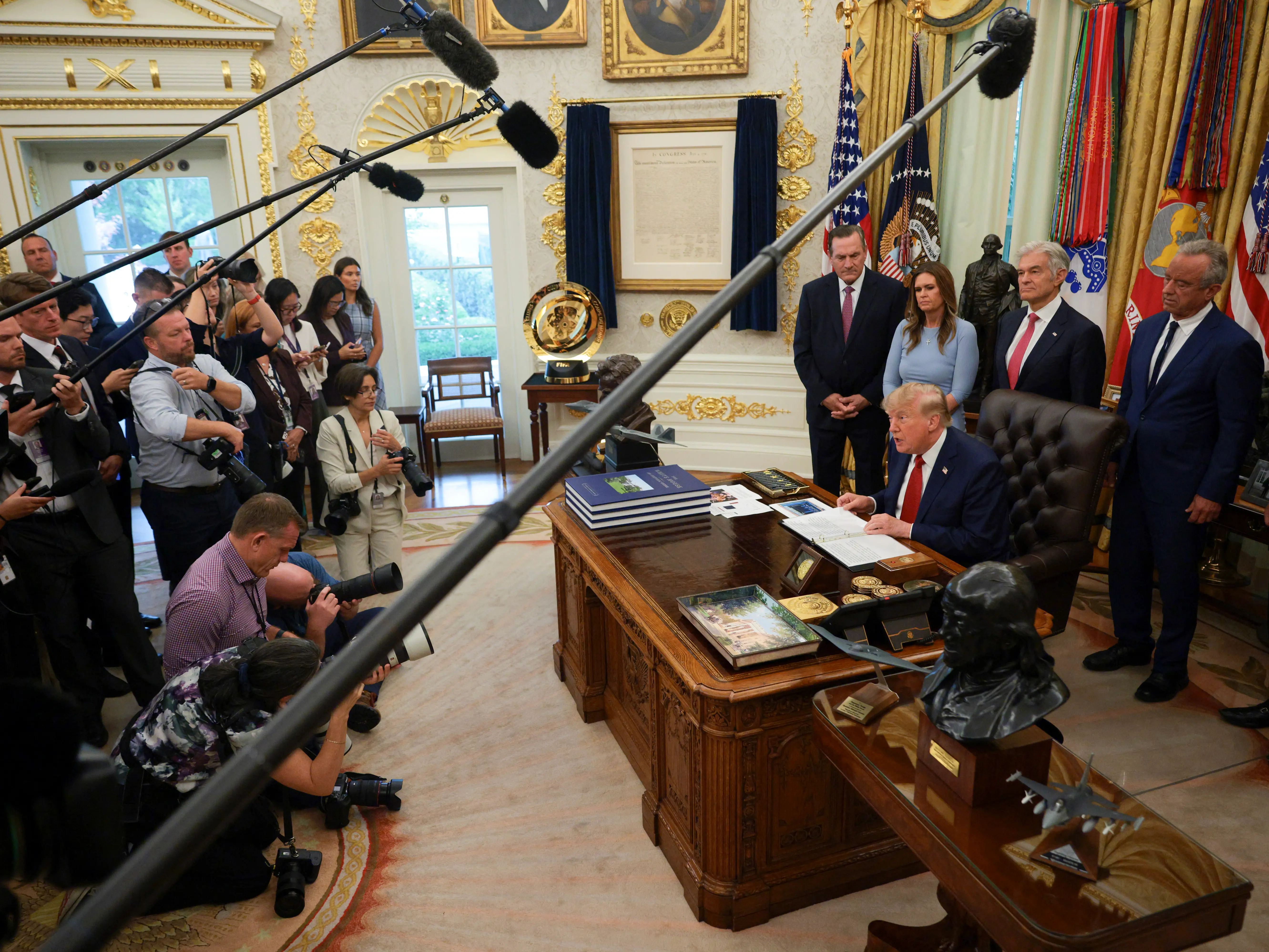
Trump told a news conference that he has a “good relationship” with Xi Jinping and hinted that a face-to-face meeting could happen before the end of the year if progress is made.
Economic impact
According to US Commerce Department data cited by Reuters, imports from China surged earlier this year as firms rushed to beat tariff deadlines, but fell sharply in June. The US trade deficit with China narrowed by roughly one-third that month to $9.5 billion — the lowest since February 2004 and has shrunk by $22.2 billion over the past five months, a 70% reduction from a year earlier. Beyond tariffs, Washington has been pressing Beijing to reduce purchases of Russian oil as part of its broader strategy to pressure Moscow over the Ukraine war. Trump has also threatened to impose secondary tariffs on China if it continues buying Russian crude.
Analysts see the 90-day pause as a temporary relief for global markets, but one that could just as easily expire without a deal. “Combined with some of the de-escalatory steps both the United States and China have taken in recent weeks, it demonstrates that both sides are trying to see if they can reach some kind of deal,” said Wendy Cutler, a former senior US trade official, as per Reuters.
(With inputs from the agencies)