Union Budget 2023-24: Here's what healthcare sector got from the budget


Healthcare
Indian Finance Minister Nirmala Sitharaman presented the Union Budget 2023-24 on Wednesday (February 1). The government has described the budget as the first of "Amrit Kaal", which pave the way for the nation to grow and achieve Prime Minister Narendra Modi's vision to make India a developed country in the next 25 years.
The budget proposed changes to income tax slabs, a steep hike in capital investment, and also a mention of the healthcare sector.

In the opening remarks of her speech, Sitharaman hailed the country-wide vaccination drive against coronavirus (COVID-19) in unparallel scale and speed.
The finance minister praised India's rising global profile. She noted that several accomplishments, like unique world-class digital public infrastructure for example Aadhar, Co-Win & UPI, are responsible for such significant growth.
The finance minister announced that dedicatedmultidisciplinary coursesfor medical devices will be supported in existing institutions to ensure the availability of skilled manpower for futuristic medical technologies, high-end manufacturing and research.
)
Three labourers killed as DU student loses control of his car, rams into them on Dwarka Expressway
)
Pentagon revives mandatory testosterone testing for male troops aged 30 and above
)
FACT CHECK: Why did PM Modi ask Xi ‘is it okay’ at BRICS Summit? New video reveals...
)
India seeks to build a full semiconductor supply chain
)
North Korea's last nuclear test in 2017 set off 1,399 earthquakes over 8 years, each stronger than previous
&im=FitAndFill=(700,400))
From Abhishek Sharma to Sahil Chauhan, 5 batters with fastest T20I hundreds
)
Indian activist-lawyer Prashant Bhushan's post brings focus on ‘conflict of interest’ appointments of ex-govt officials at Reliance, Adani groups
)
US And Denmark reach Greenland deal, Trump announces expanded military presence
)
Former India player Diana Edulji wants Smriti Mandhana to replace Harman as skipper at the earliest
)
China may have gained access to US's classified F-35 jets; parts meant for repairs diverted to Hong Kong, sparking Pentagon inquiry
&im=FitAndFill=(700,400))
Meet top 5 batters in the latest ICC T20I Rankings
)
Godfather of AI Geoffrey Hinton gives US lawmakers a one-year warning on AI
)
US F-16 fighter jet crashes in Michigan during training mission, pilot ejects safely
)
Shivakumar attends 79th Kalyana Karnataka Utsav in Kalaburagi
)
Trump signs Russia sanctions law: India faces fresh 100% tariff threat over Russian oil
)
Why Ranveer Singh’s Dhurandhar missed India’s Oscar entry; FFI jury member reveals what happened
)
Hong Kong extends newborn cash support scheme by three years
)
How did an Australian river with 500 crocodiles pass the Olympic test? Here's how
)
‘Will go to any extent’: Pakistan vows to defend Saudi Arabia amid Houthi attacks
)
'He will always be ahead': India coach Gambhir says Sooryavanshi won't walk into team ahead of Samson
)
The Verdict | When precision fails: US commits war crime in Minab school strike, UN finds
)
Trump signs Russia sanctions bill into law, targets Moscow’s energy sector
&im=FitAndFill=(700,400))
New Friday OTT releases (September 18, 2026): Lust Stories 3, You+Me, Best of the Best- 8 new titles coming on Netflix, Prime Video and more
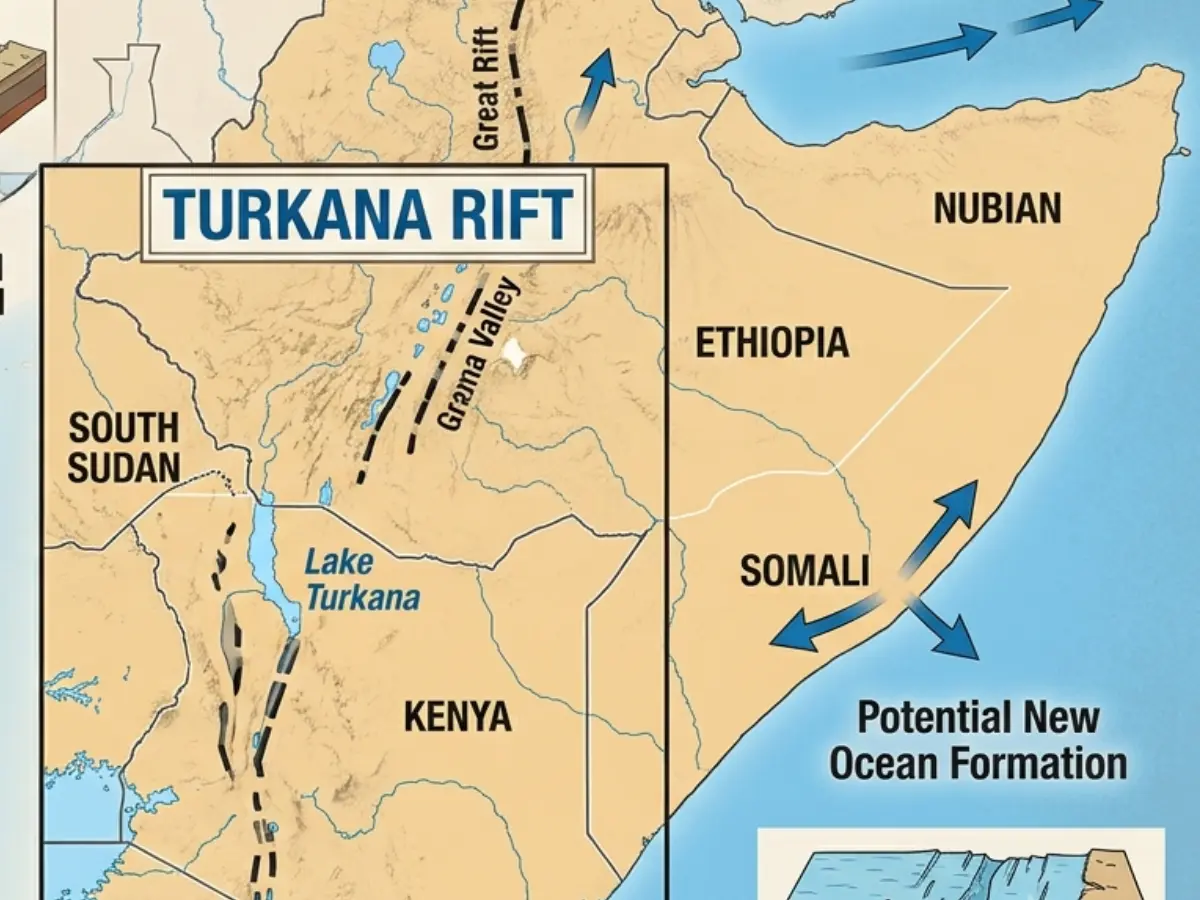)
Africa is splitting, and a lot sooner than estimated, giving way to a new ocean
)
'Gangsta' crab shoves knife blade at man and his dog in Florida - Watch
)
Trump bans CNN, MS NOW and Politico from White House over ‘FAKE NEWS’
)
Trump 2.0: Dark days ahead for America’s ‘imperial presidency’
)
Trump's Greenland dream comes true? POTUS announces 'Infinite Life' deal with Denmark, claims permanent US control
)
Laura Wolvaardt sets new world record for most WT20I runs in a year
)
Drone strikes cooling tower at Russia's Kursk Nuclear Plant, IAEA confirms
)
Who is Khalilur Rahman? All you need to know about 81st UN General Assembly President
&im=FitAndFill=(700,400))
Meet top 5 bowlers in latest ICC T20I rankings
)
Ukraine plans record $109 bn defence spending, nearly two thirds of budget amid Russia war
&im=FitAndFill=(700,400))
Meet top 5 Indian batters with fastest T20I centuries
She added that under health education and skilling, 157 newnursing collegeswill be established in co-location with existing medical colleges established since 2014.
The finance minister addedthat facilities in selectiveICMR labswill be made available for research by public and private medical college faculty and private sector R&D teams for encouraging collaborative research and innovation.
She added that a new programme for research and innovation in pharmaceuticals will be taken up through Centres of Excellence.
Allocation of budget:
Sitharaman announced that the health sector has been allocated Rs 89,155 crore in the Union Budget 2023-24, which is a hike of around 13 per cent over Rs 79,145 crore allocated in 2022-23.
The budget allocation for the AYUSH ministry has been increased from Rs 2,845.75 crore to Rs 3,647.50 crore, which is a 28 per cent increase.
Out of Rs 89,155 crore, Rs 86,175 crore has been allocated to the Department of Health and Family Welfare, while Rs 2,980 crore to the Department of Health Research.
Mission to eliminate Sickle Cell Disease (SCD)
Special mention was given to the mission's launch to eliminate sickle cell anaemia by 2047. The finance minister said that it will entail awareness creation, universal screening of 7 crore people in the age group 0 to 40 years in affected tribal areas and counselling through collaborative efforts.
What is Sickle Cell Disease (SCD)?
Sickle Cell Disease (SCD) is a genetic condition and is widespread among the tribal population in India and in other vulnerable populations. The Indian Health Minister Mansukh Mandaviya said that the tribals aged below 40 will be provided cards mentioning their sickle cell anaemia status. He said they would get pre-marital counselling about the risk of their child getting the disease if they marry another affected person.
After the presentation of the budget, Mandaviya said that the government will take up the eradication of sickle cell anaemia in a mission mode. He also noted that the authorities will conduct massive screening in affected tribal areas for early detection of cases.
"Going forward, the government will also issue cards after screening to tribal persons below 40 years affected by the disease mentioning their sickle cell anaemia status and also provide pre-marital counselling to make the patients aware of the detrimental effects of the disease if they marry another sickle cell anaemia patient and give birth," he said.
(With inputs from agencies)
WATCH WION LIVE HERE
You can now write for wionews.com and be a part of the community. Share your stories and opinions with us here.