UAW halts Ford's Kentucky truck plant in surprise move amid labour negotiations


Members of the United Auto Workers (UAW) union hold a practice picket in front of Stellantis headquarters.
The United Auto Workers (UAW) union brought Ford's largest global plant, the Kentucky truck plant, to a halt, disrupting the production of lucrative pickup trucks and large SUVs. This development marks a significant escalation in the UAW's four-week targeted strike against the Detroit Three automakers, as reported by Reuters.
The UAW initiated the strike after the union claimed that Ford, the second-largest U.S. automaker, refused to make further concessions in contract negotiations. While automakers have offered substantial wage increases, inflation-linked pay hikes, and better compensation for temporary workers, the union's demands persist, including higher wages, the elimination of a two-tier wage system, and extending union representation to battery plants across all three auto giants.
"We had to choose to do things differently this way," Reuters quoted UAW President Shawn Fain as saying. "If the companies aren't going to come to the table and take care of the membership's needs, then we will react," he added.

The Kentucky truck plant is a key area for Ford, generating approximately $25 billion in annual revenue, which constitutes about one-sixth of the company's global automotive revenue. This unexpected strike has the potential to impact Ford's full-year profits adversely. Ford's stock faced a 2 per cent drop in after-hours trading following the announcement.
The UAW requested a new offer from Ford during a meeting held on Wednesday evening, further escalating the tensions. According to a Ford official, the company did not have a new offer ready.
"You just lost Kentucky Truck," Fain told the Ford official during the meeting.
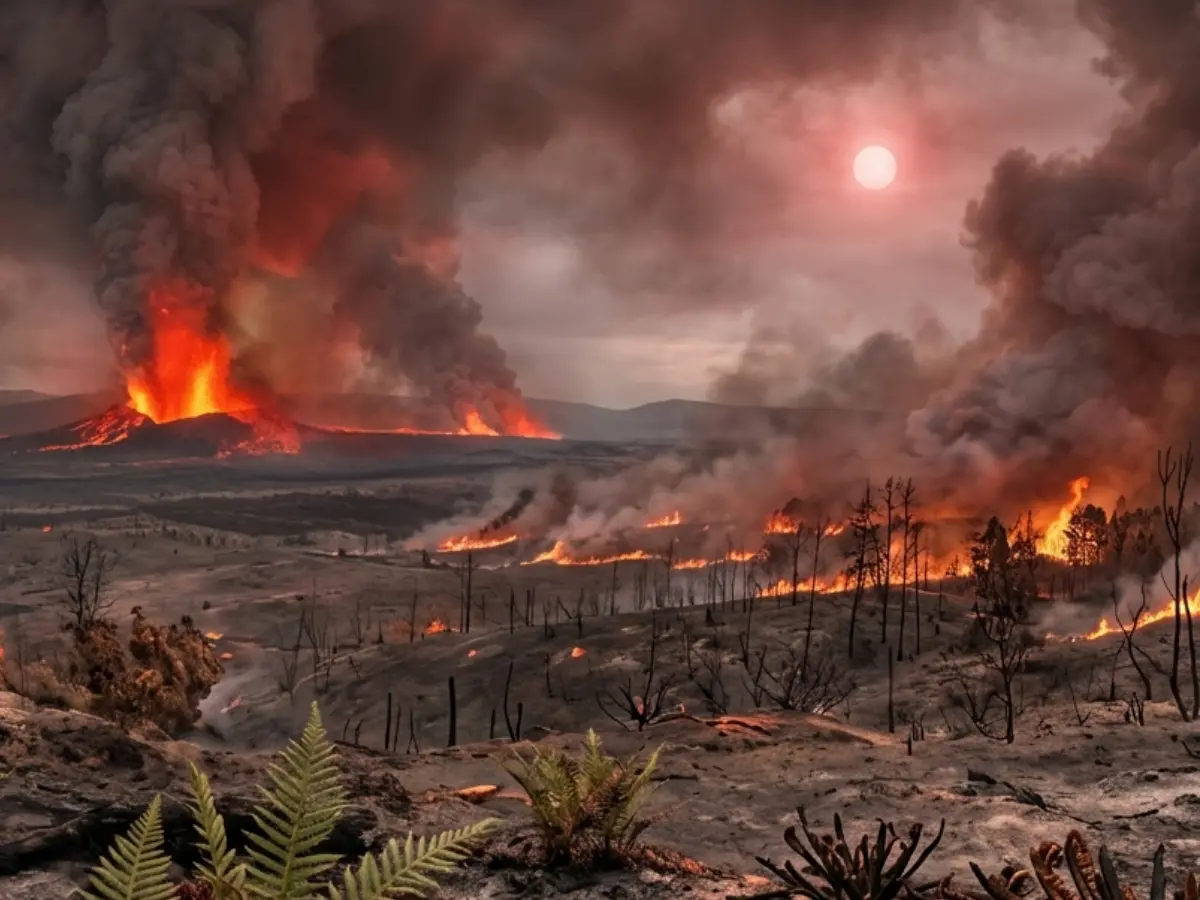)
'Hellish' wildfires burned through Europe for 300,000 years after supercontinent Pangea broke up
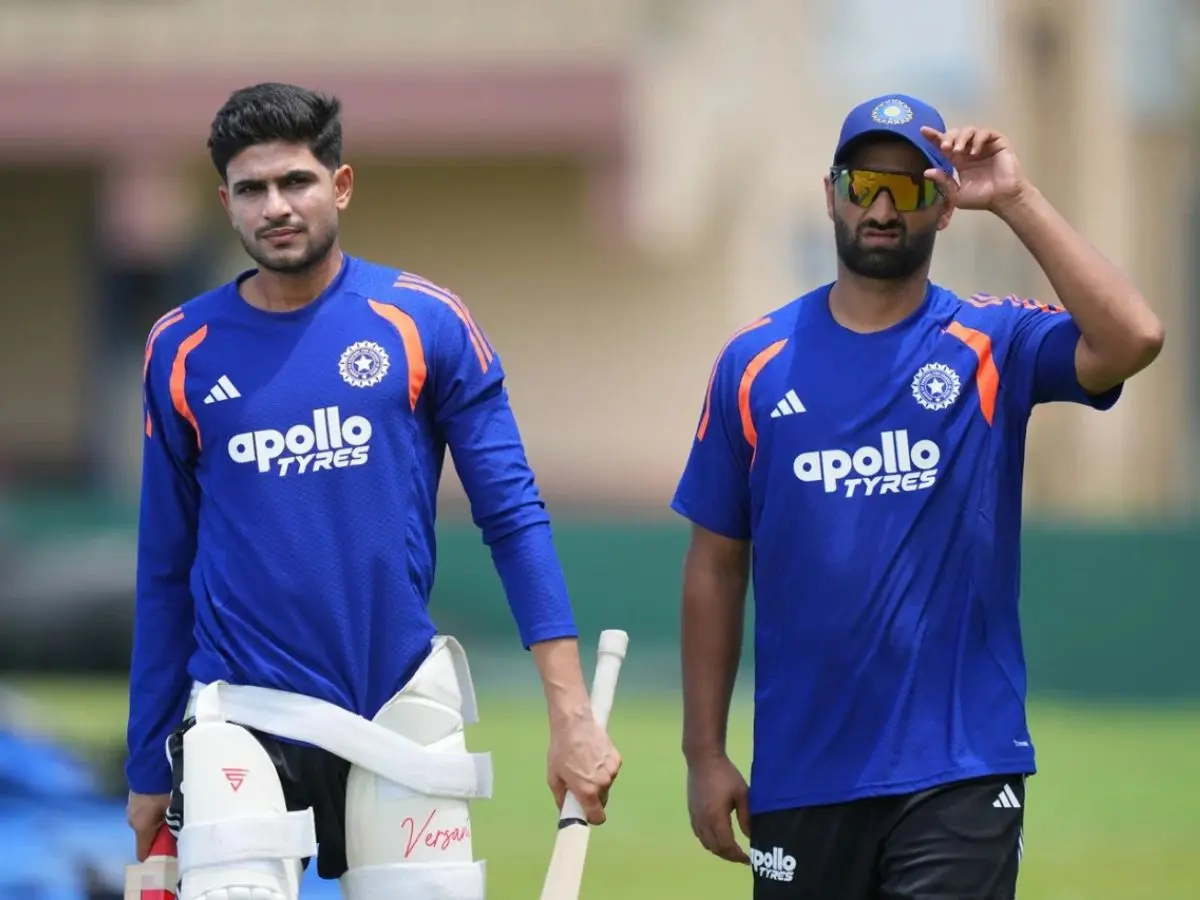)
No Pandya as Auqib Nabi earns maiden ODI call-up; Mayank returns for WI T20Is| check full squads
)
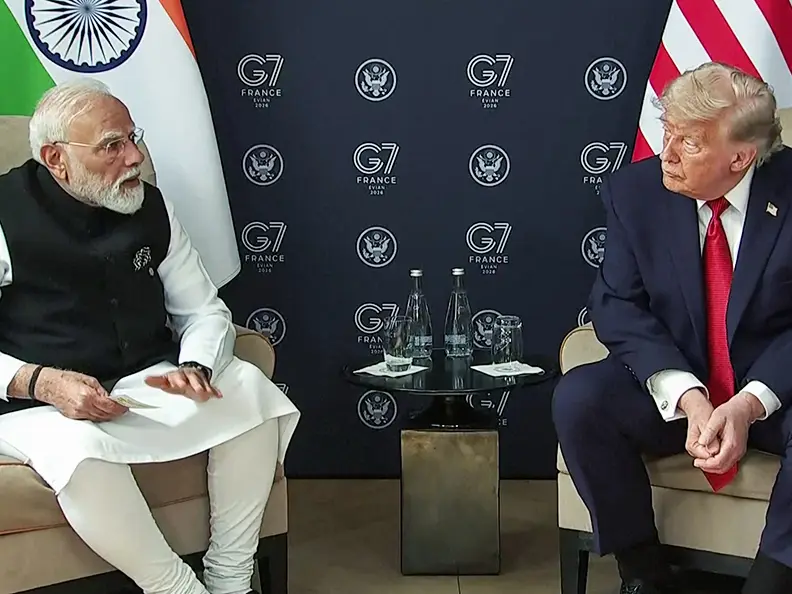
Trump praises India’s Opium crackdown, hails anti-drug efforts
Mandakini breaks silence on Dawood Ibrahim photo: 'I was not invited by him'
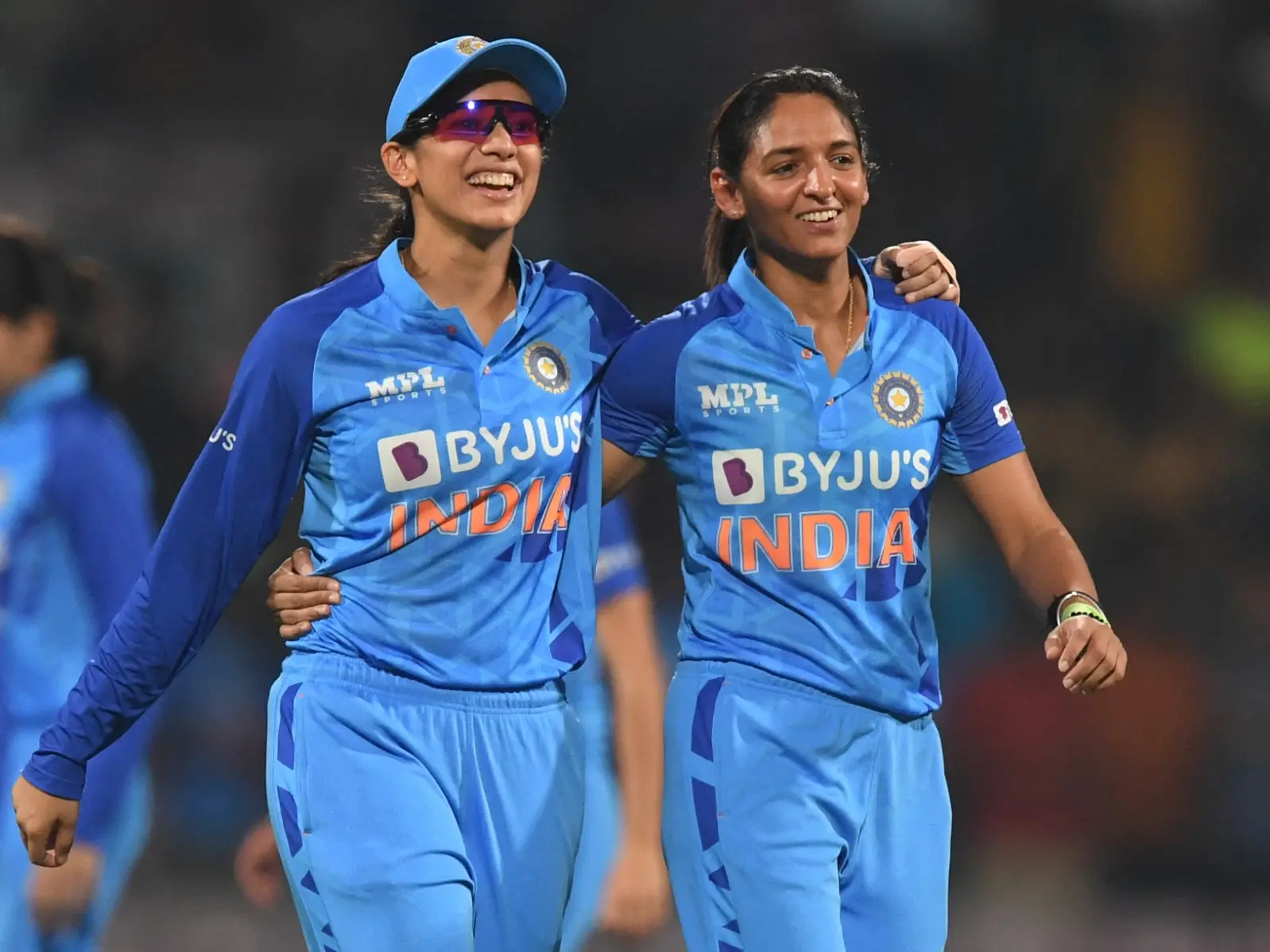)
Former India player Diana Edulji wants Smriti Mandhana to replace Harman as skipper at the earliest
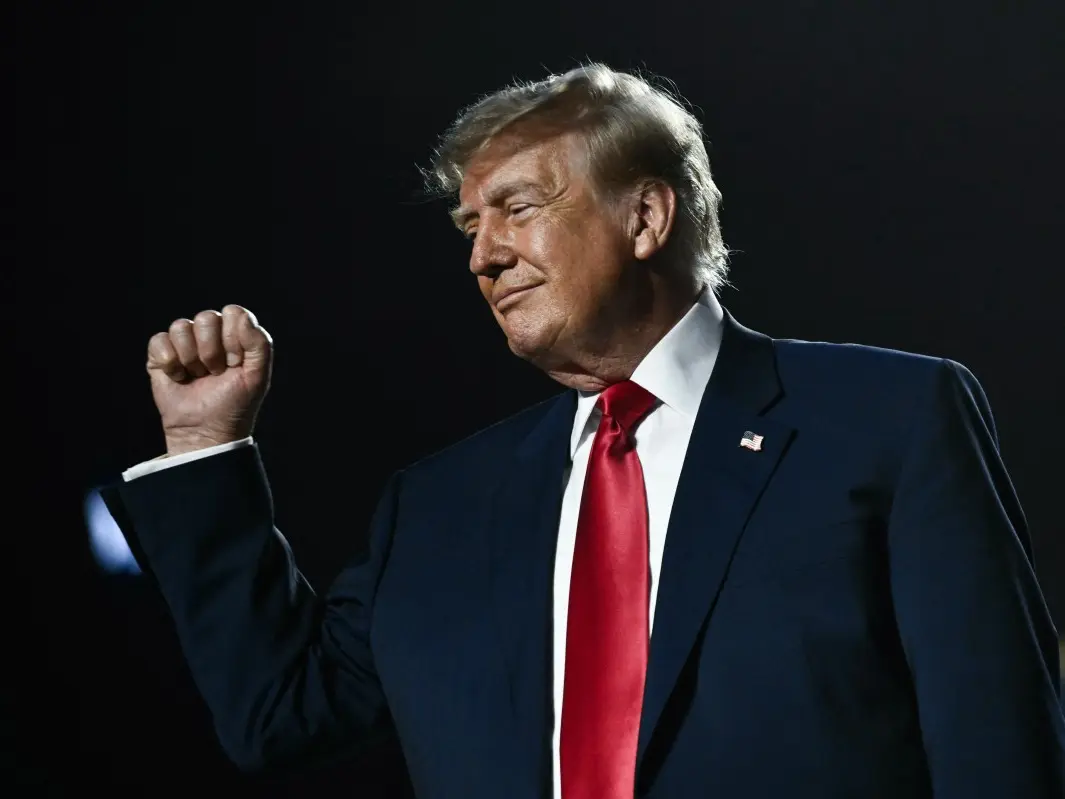)
Trump calls Canada-EU associate membership plan ‘laughable’ and threatens 'very serious tariffs'
)
Protests erupt over migrant housing plan in Piddington
)
India can scale up Finland’s circular solutions, minister Multala says
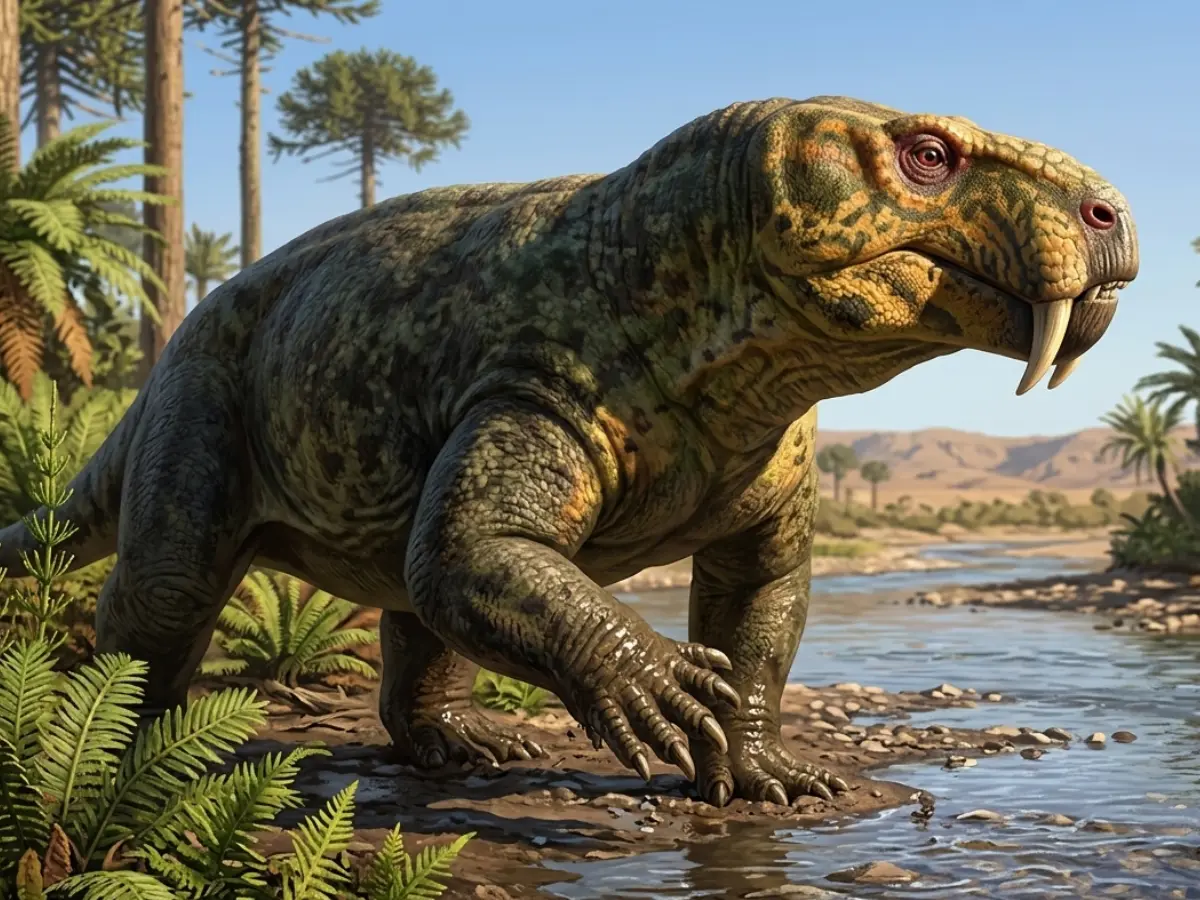)
240-million-year-old bizarre 'pig with a tusk' creature creates new dilemma over origin of dinosaurs
)
Europe wants a common playbook for security threats, seeks security beyond NATO
)
All Indian goods to get duty-free access to New Zealand
)
Formula One reveals the 2027 race calendar; Monaco to host sprint race for the first time
)
Bigg Boss 20: Mahhi Vij reveals she lost Yuva role to Kareena Kapoor; 'didn’t work out in my favour'
)
Lionel Messi for 2026 Ballon d’Or over Mbappe and Yamal, says Diego Simeone
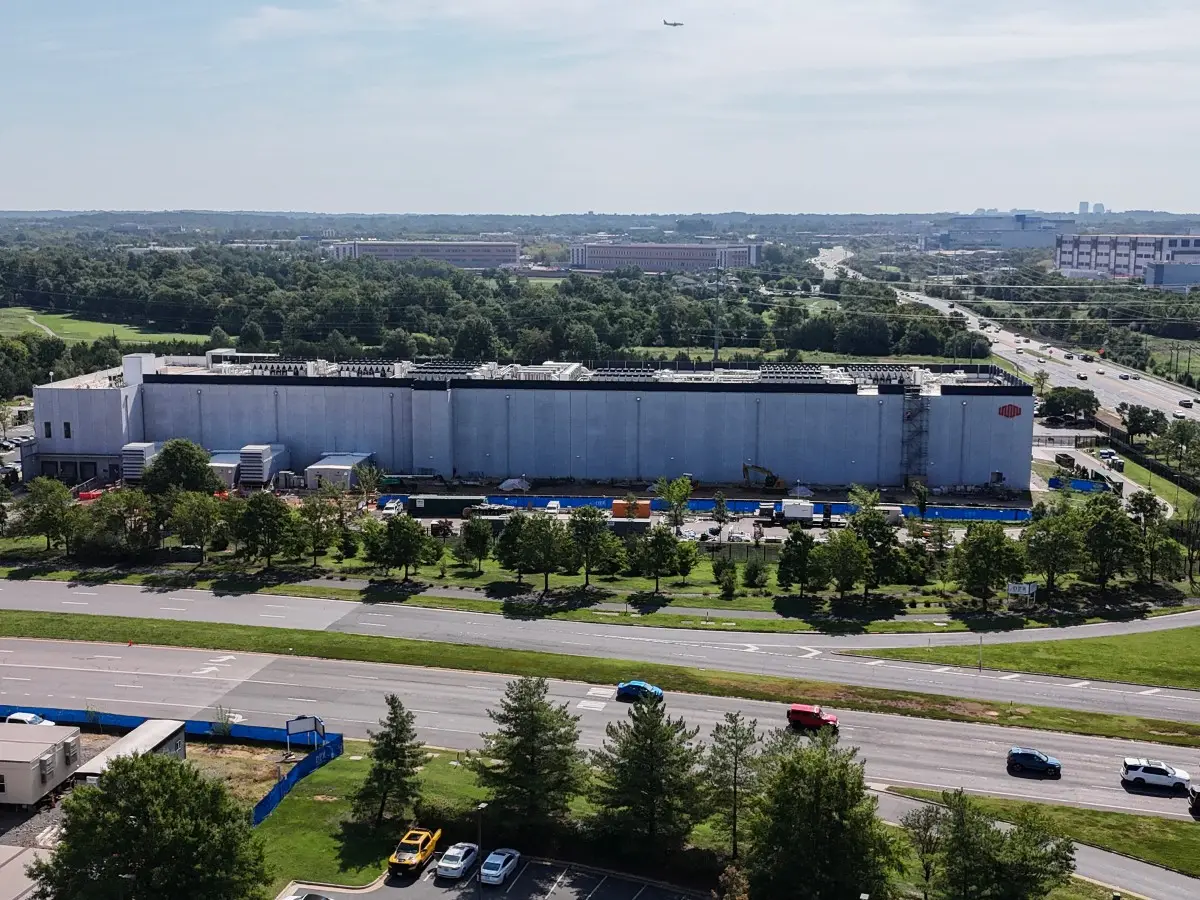)
US House votes 417-3 to pass Ratepayer Protection Act targeting AI data center electricity costs
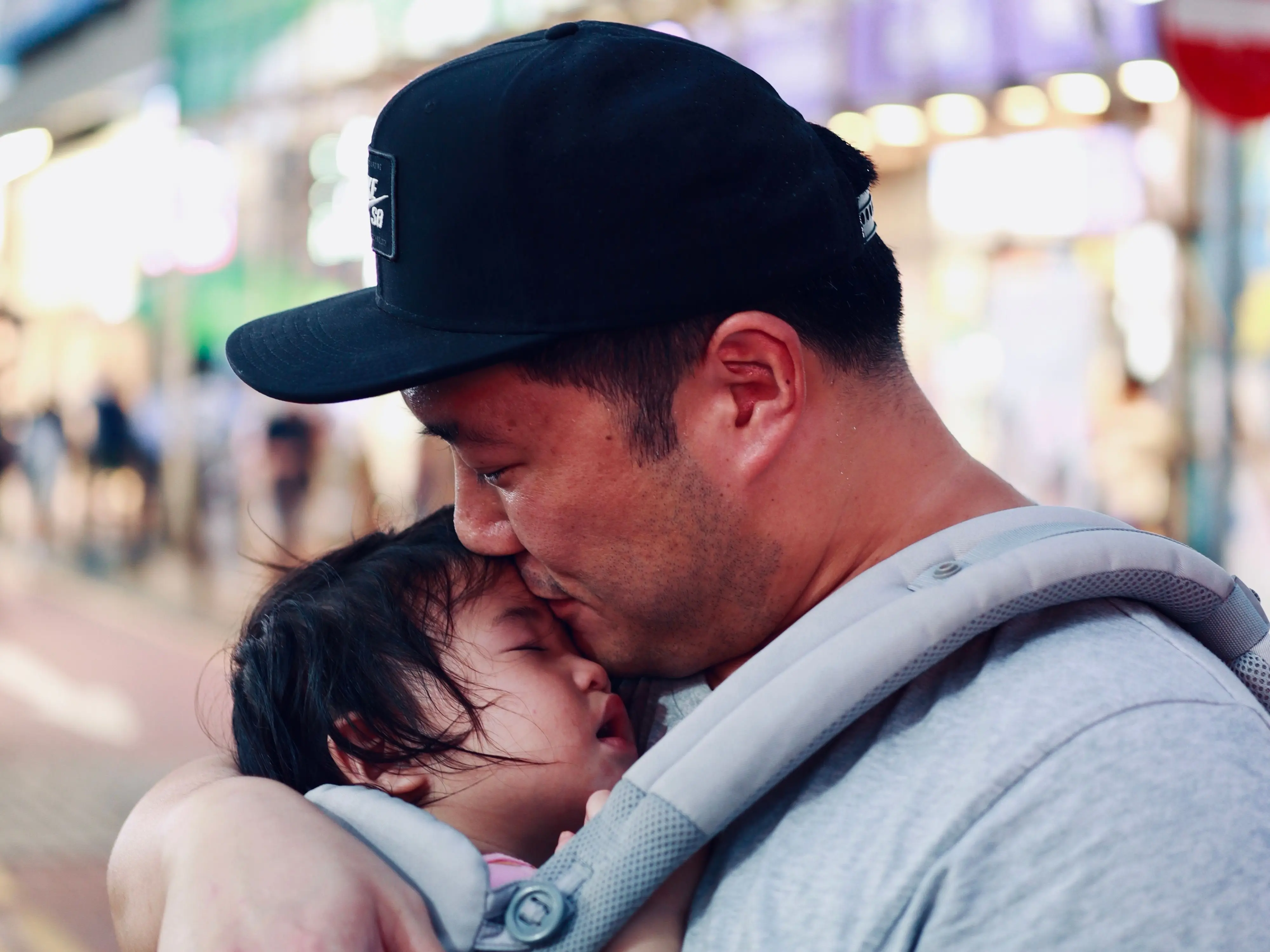)
Hong Kong unveils 11 new measures to boost birth rates, offers higher cash bonuses and housing perks
)
Former OpenAI researcher warns of growing risks from Artificial Intelligence
)
Veteran actor Anant Nag honoured with Indian cinema’s highest award
)
Wildfire tears through forests in Spain's Valencia
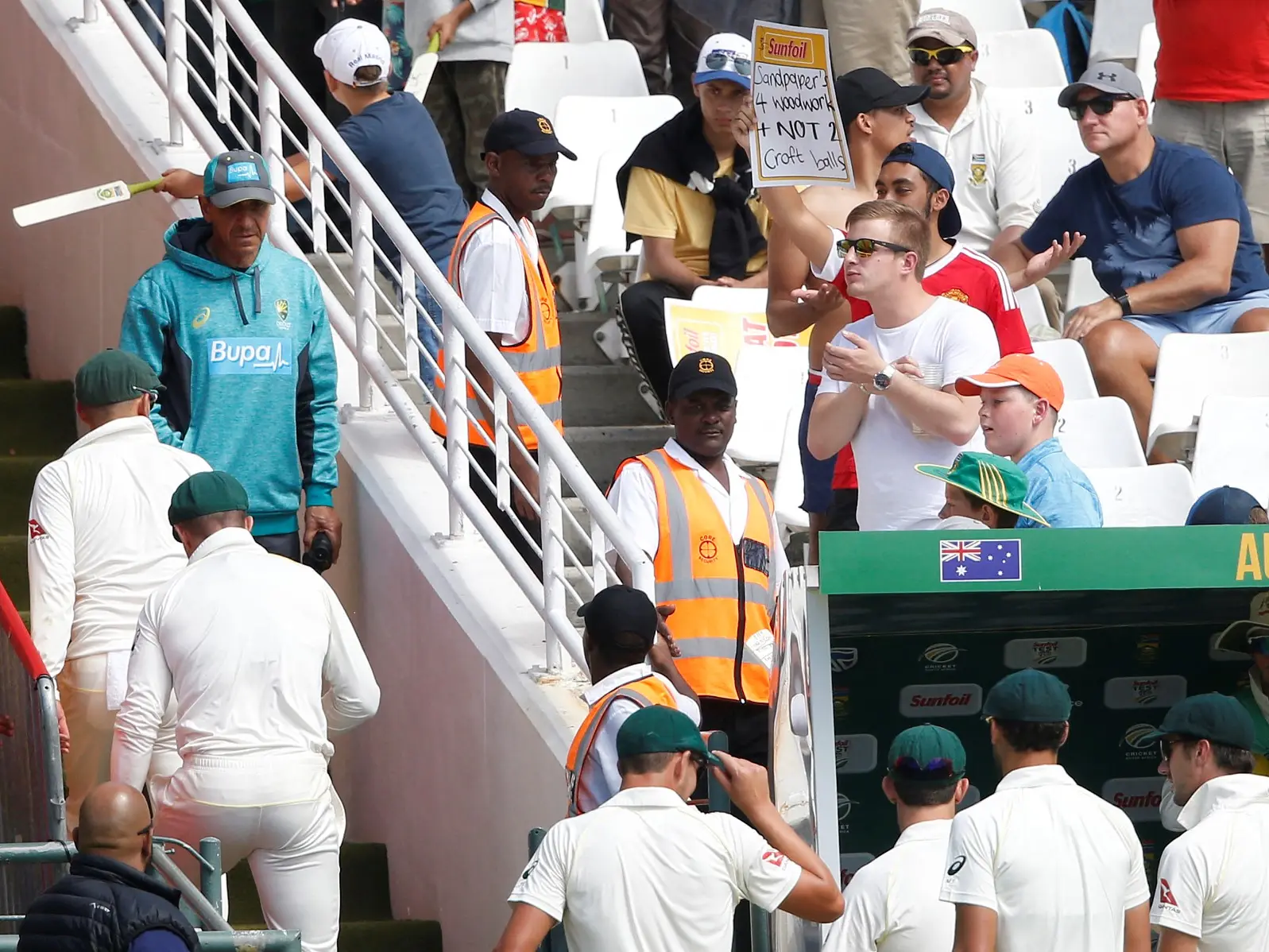)
AUS vs SA: Steve Smith still gets 'little flashbacks' from sandpaper gate
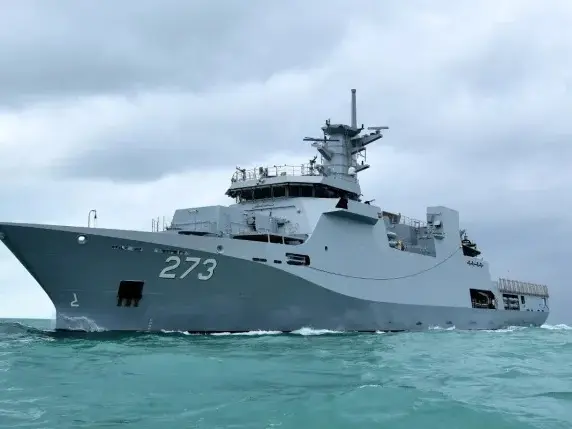)
Pakistan naval vessel returns to harbour with 'severe damage' after collision with Indian warship in Arabian Sea
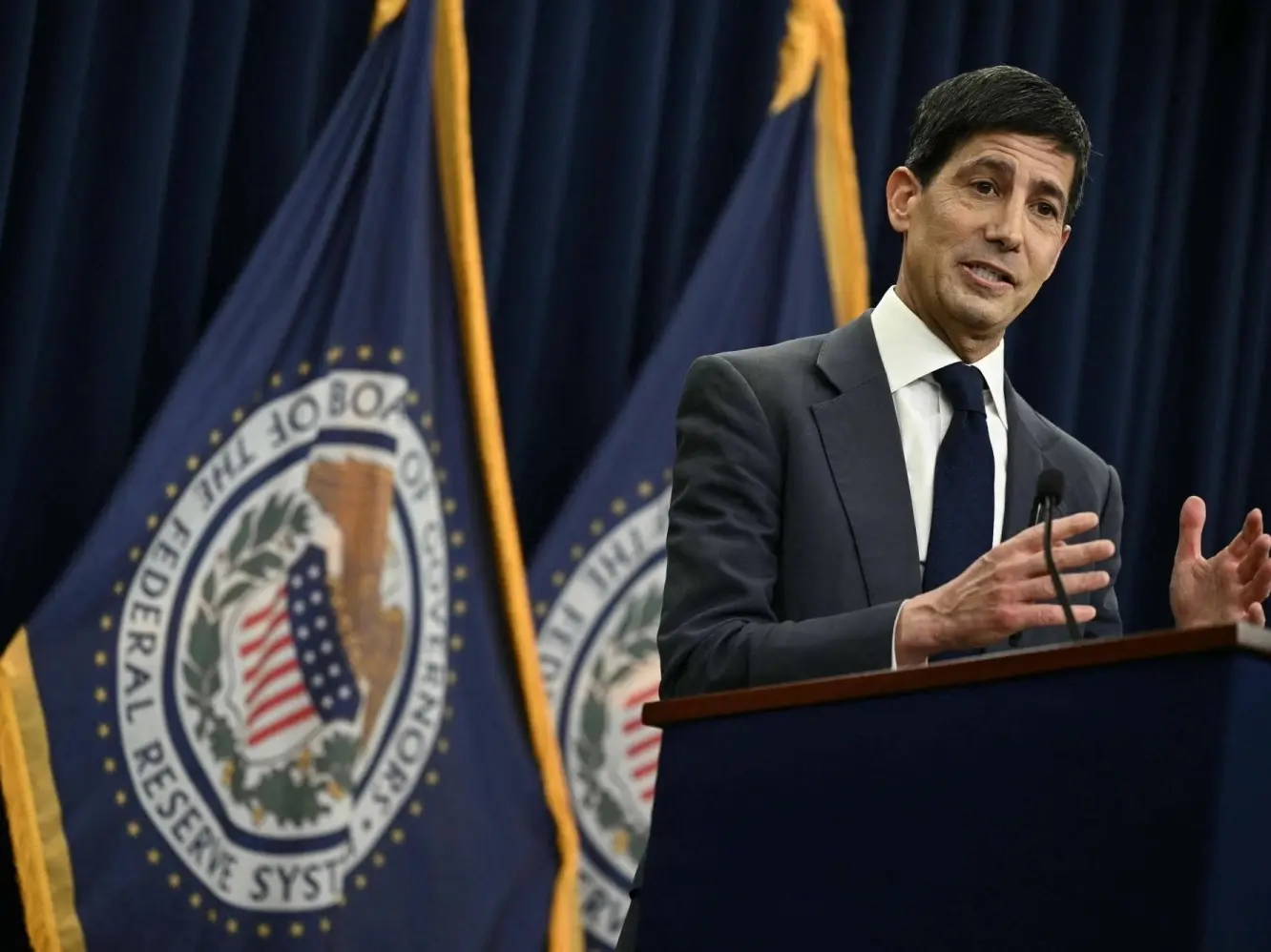)
Fed raises rates for first time in 3 years, Kevin Warsh defies Trump as inflation mounts
)
Katrina Kaif’s postpartum weight is not the problem; your gaze is
)
Daayra movie review: Kareena Kapoor, Prithviraj Sukumaran shine in Meghna Gulzar’s cop-versus-cop crime thriller
)
Saudi Vs Houthis: Yemeni military rebels clash with Houthis
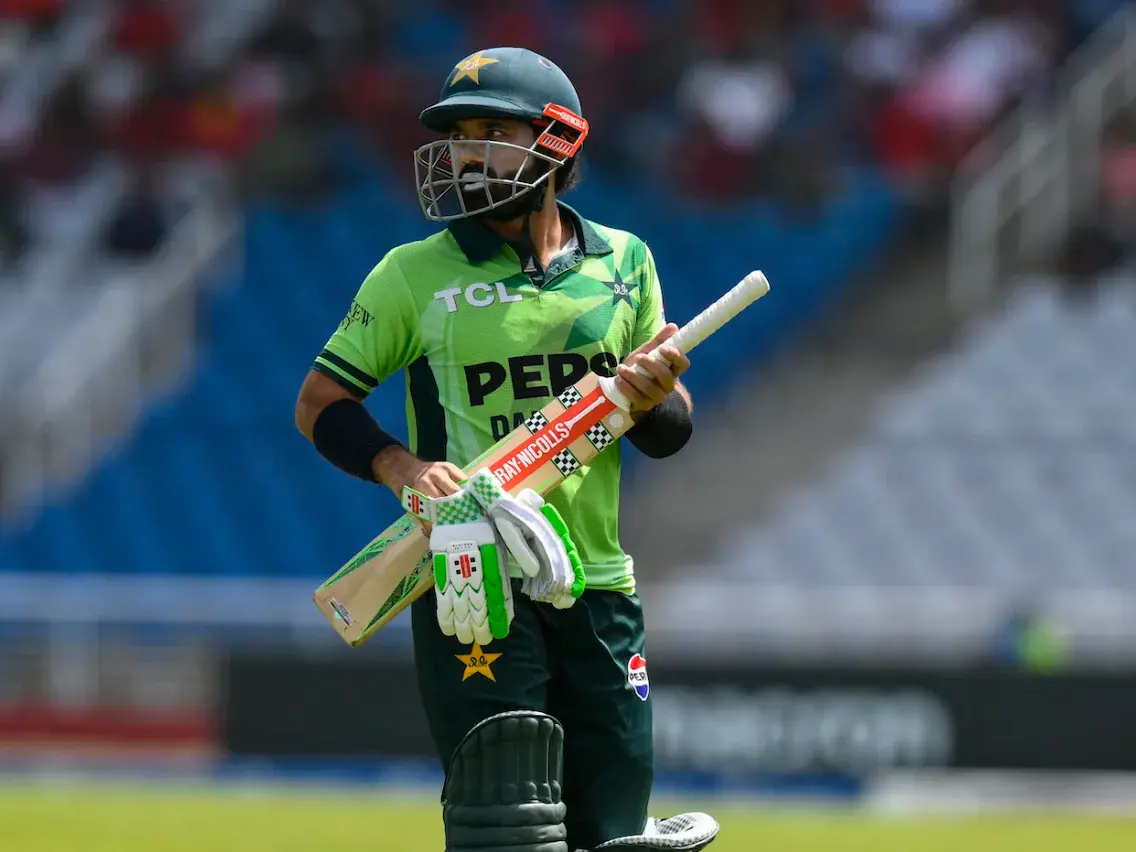)
Pak batter Rizwan's petition against being questioned by cyber crime agency rejected by court
)
US trade tariff: 100% tariff targets Russian buyers amid trade tensions
)
Pakistan: Imran Khan's sons Kasim & Sulaiman claim their father is 'tortured' in jail
&im=FitAndFill=(700,400))
New OTT releases this week (September 14-20, 2026): Lust Stories 3, Waiting Hai, Irumudi- 5 new titles coming on Netflix, Prime Video and more
)
Ebola outbreak: WHO sees encouraging signs in fight against Ebola outbreak
)
Trump gets new power to hit India, China with up to 100% tariffs as US Senate clears Russia sanctions bill
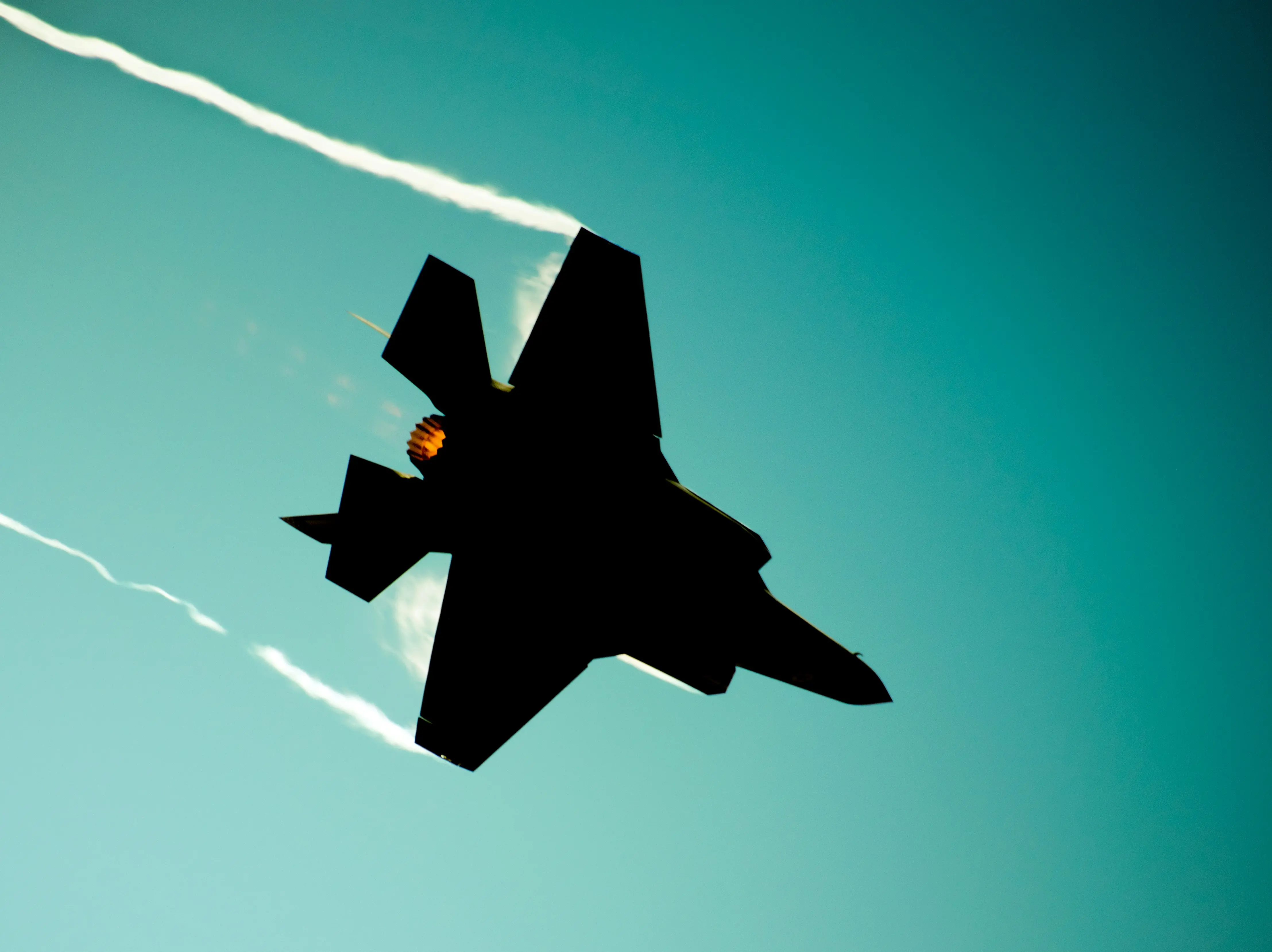)
‘Imagine 50 AI fighters cornering one manned jet’: India’s mobbing doctrine eyes a new era of air warm
)
Saudi vs Houthis: Riyadh claims to have shot Houthi drone targeting Mecca
)
US Treasury rallies global financial institutions for Op Economic Outcast to isolate Iran
)
Want to get married within a year? Why 18 lakh people rush to Jaipur for ‘sacred henna’
)
Pakistan boycotts chess match against Israel at Olympiad
)
UN General Assembly 2026: What is veto power. Which countries have it and how does it work?
&im=FitAndFill=(700,400))
Suriya and Jyothika say ‘I do’ again after 20 years! See their dreamy wedding pics
)
Abhishek Sharma rises to No. 2 in T20Is; ENG’s Robinson 3rd after record Pakistan Tests
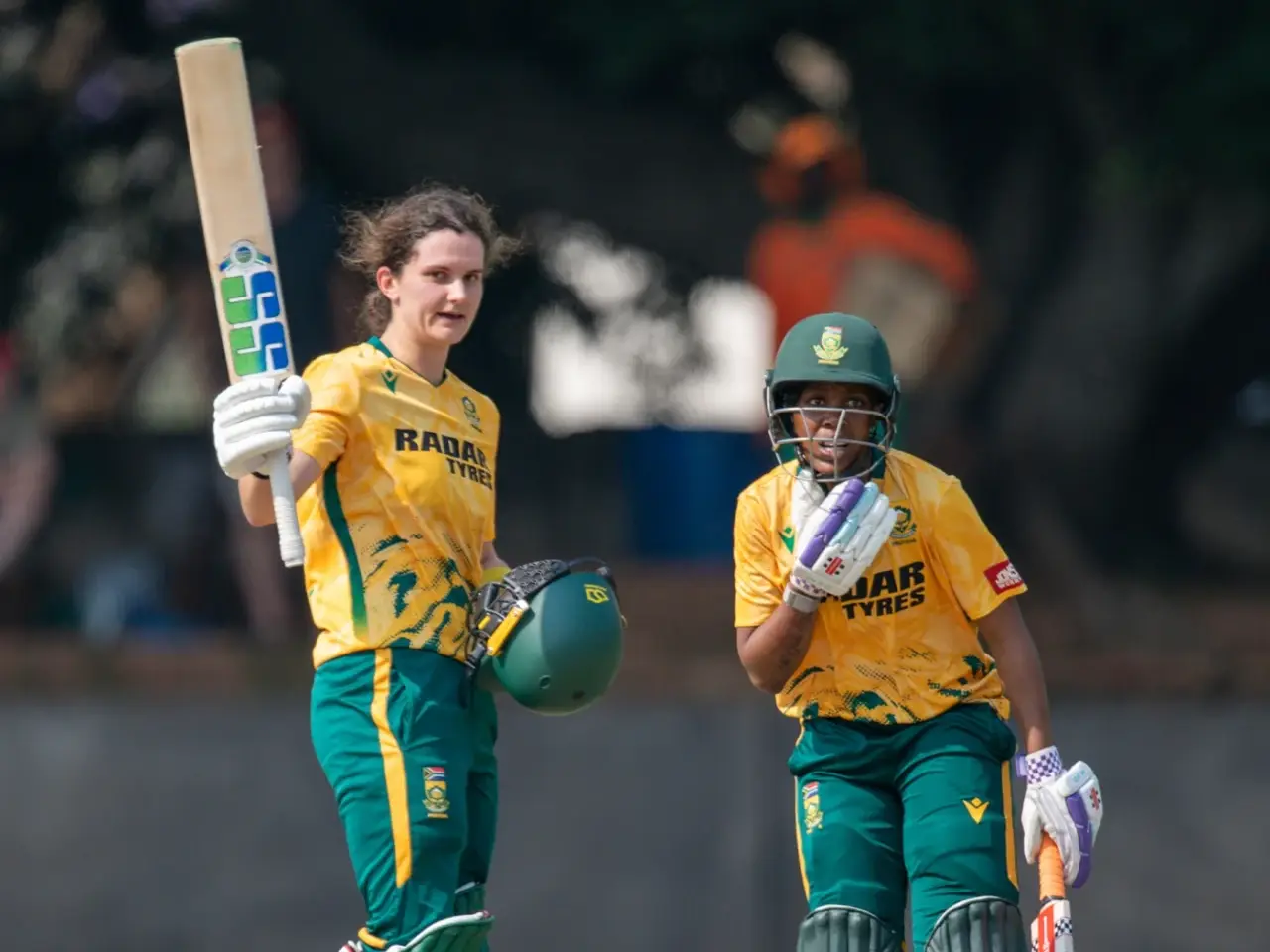)
Laura Wolvaardt sets new world record for most WT20I runs in a year
)
The Early Spring season 2 is happening, but fans have one request - 'don't change the actors'
)
According to Reuters, Ford responded to the strike, describing it as "grossly irresponsible but unsurprising given the union leadership's stated strategy of keeping the Detroit Three wounded for months through 'reputational damage' and 'industrial chaos.'"
The UAW's decision to shut down the assembly lines that manufacture Ford Super Duty pickup trucks and Lincoln Navigator and Ford Expedition large SUVs, all of which are high-profit vehicles, may potentially undermine the automaker's profitability.
Fain indicated that the union was prepared to strike at the GM assembly plant in Arlington, Texas, which produces Cadillac Escalade and Chevy Suburban, among other high-priced SUVs. The strike is also a warning to Stellantis, the parent company of Chrysler, whose wage and benefits offers fall short of those offered by Ford.
As negotiations continue, the labour disruption may continue to disrupt production for the automakers and their suppliers, with thousands of workers potentially being furloughed. Reuters reported that the UAW's strategy is keeping the automakers off balance, and it could be "uncharted territory" for both sides, as labour professor Harley Shaiken from the University of California, Berkeley, commented.
Before this recent development, the UAW had refrained from additional strikes against Detroit Three auto plants, citing GM's willingness to allow workers at joint venture battery plants to be covered by union contracts.
As the Detroit automakers prepare to report their third-quarter financial results between October 24 and 31, the UAW may use their expected robust profits as leverage in negotiations for a more favourable contract.
Separately, Ford's battery joint venture with South Korea's SK On, BlueOval SK, announced that it would provide higher wages for some workers at its Tennessee and Kentucky plants, offering a range of $24 to $37.50 per hour based on experience.
(With inputs from Reuters)
WATCH WION LIVE HERE