Toyota announces leadership changes at Daihatsu following safety test scandal


Toyota
In response to the revelation of rigged collision safety-tests, Toyota Motor Corp announced significant leadership changes within Daihatsu Motor, with both the president and chairman set to step down.
These developments come almost a year after Daihatsu disclosed the manipulation of safety tests, marking a pivotal moment for the small-car unit as Toyota endeavours to reinstate the brand's reputation as one of Japan's foremost compact car manufacturers.
The move signals one of the most significant shifts within the company since the scandal emerged. Toyota's efforts to restore Daihatsu's standing align with its broader objectives to address governance issues across its affiliates, including truck maker Hino Motors and Toyota Industries. These challenges have prompted an apology from Toyota Chairman Akio Toyoda, acknowledging the severity of the situation.

Toyota wasted no time in announcing replacements for the outgoing executives at Daihatsu. Masahiro Inoue, currently serving as the chief executive officer for the Latin America and Caribbean region, is slated to assume the role of president effective March 1.
This move reflects Toyota's proactive approach to instilling fresh leadership and direction within Daihatsu. Meanwhile, the chairman position will remain vacant, indicating a streamlined leadership structure moving forward.
While some may interpret these leadership changes as disciplinarymeasures, Toyota's Chief Executive Koji Sato emphasised that the reorganisation within Daihatsu is not solely a response to the misconduct but rather a strategic decision.
)
Trump-Xi Summit: Trade, Taiwan and the red lines shaping US-China talks | Race To Power
)
US citizen injured in Illinois after ICE agents mistook him for fugitive, hospitalised
)
US judge questions Trump’s decision to ban CNN, MS NOW and Politico from White House
)
Afghan woman cyclist who disguised herself as a boy to escape Taliban, wins Asian Games medal
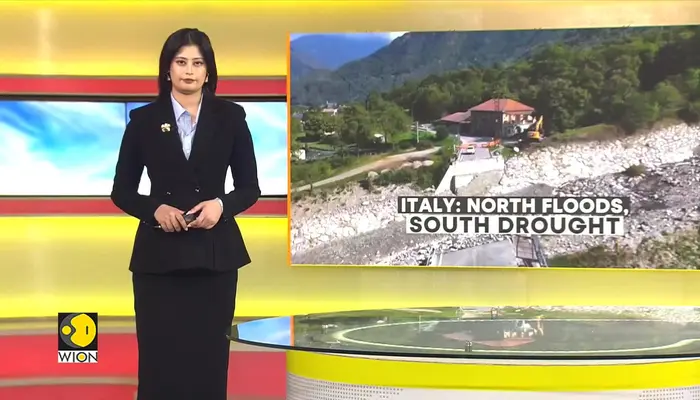)
Italy hit by floods in the north, drought in the south
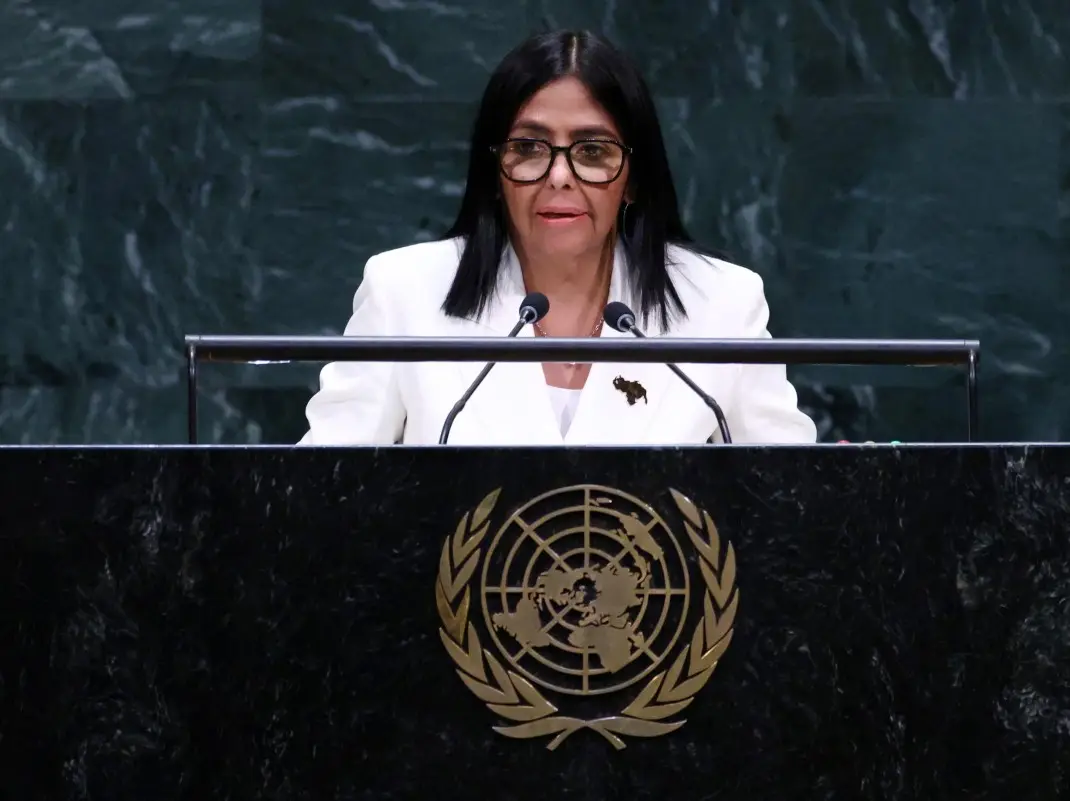)
'There will be elections': Venezuela's interim leader Delcy Rodriguez makes big announcement at UN
)
Would you date an AI? South Korea’s My AI Partner: Strange Love sparks buzz on relationship and intimacy
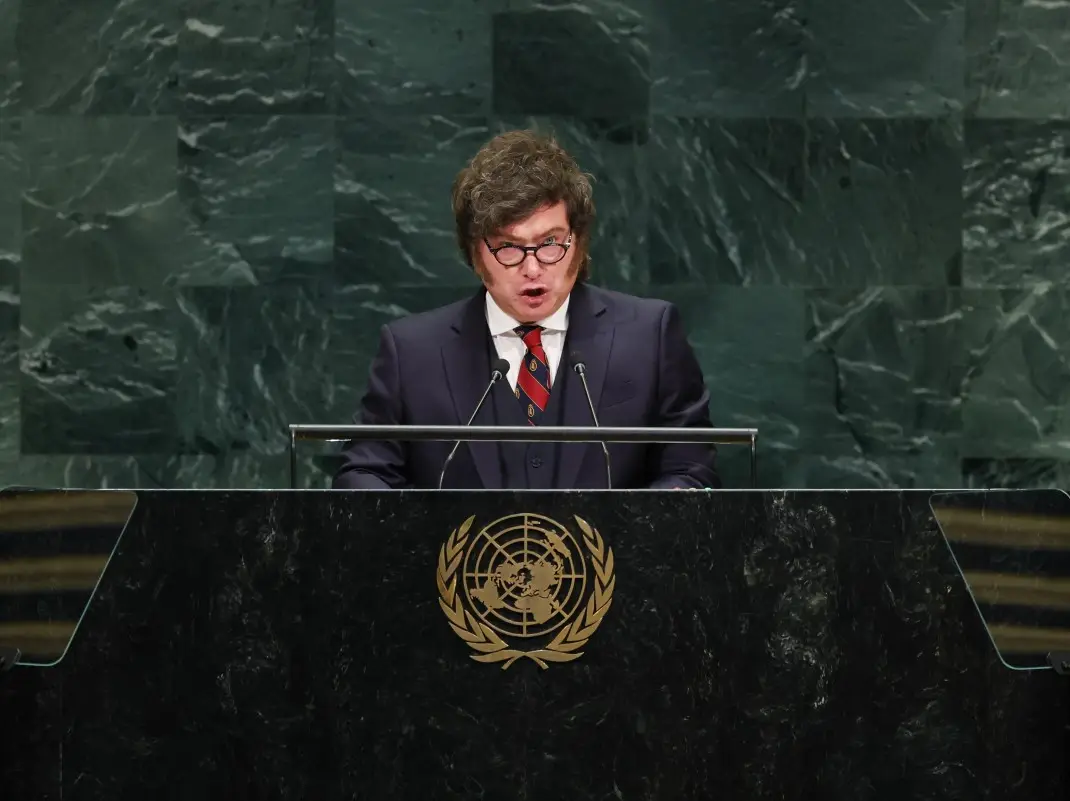)
'Arrogant parasites': Milei blasts UN over Falklands dispute, warns Argentina will ‘take matters into our own hands’
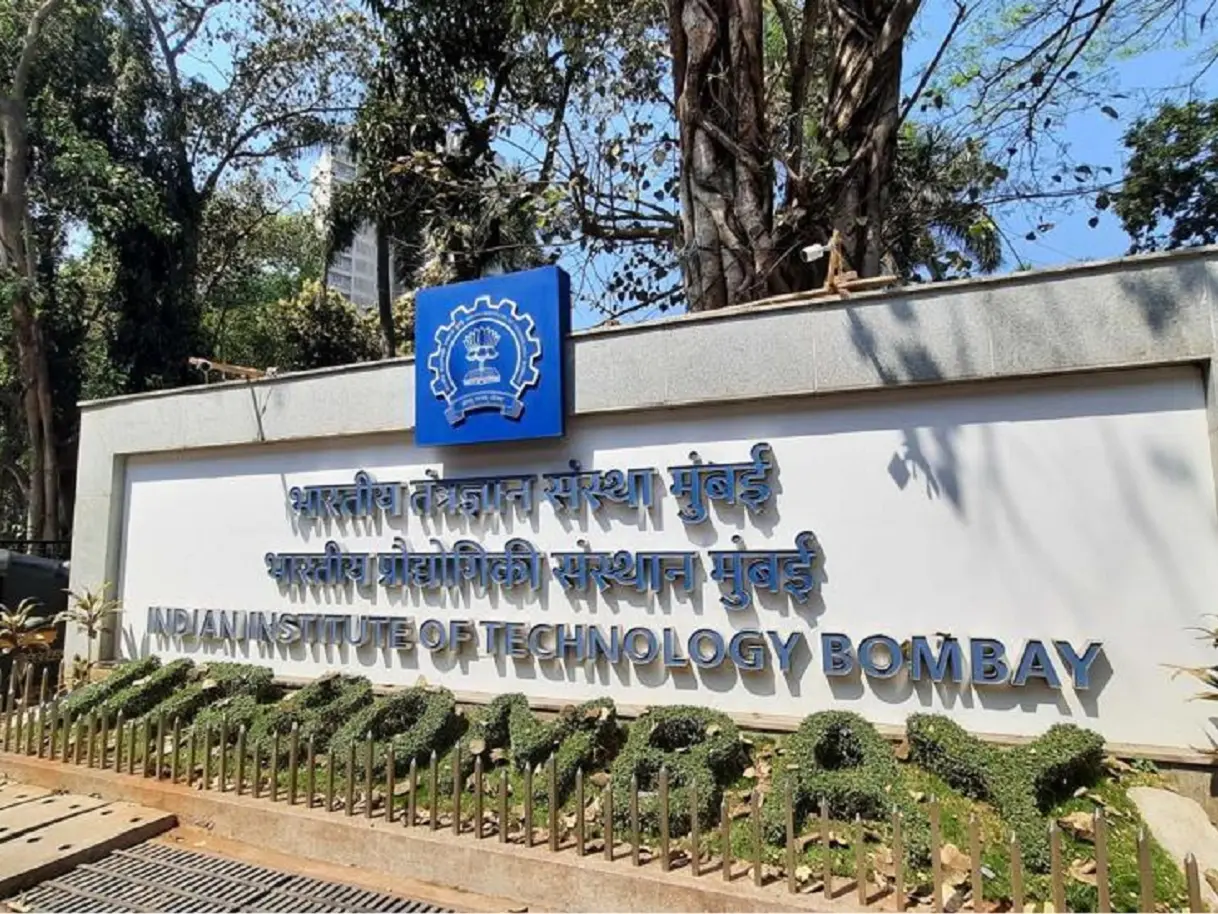)
IIT Bombay CCTV footage emerges: Sahil Wakode seen looking at phone in examination hall
)
Cyclone Arnab: Landfall expected before midnight tomorrow as IMD issues orange alerts across six states
)
9 killed, several injured as tourist bus catches fire on Yamuna Expressway
)
NBA player Steven Adams shares hilarious GTA VI theory
)
WION Iconic Tourism Summit 2026: Union Minister Shekhawat on 'experiential travel', peace diplomacy
)
'AI got into my speech': Prince Harry jokes after teleprompter failure at event in New York
)
Scientists detect first radio signals directly from faraway planet
)
China to test supersonic jet that moves at Mach 2, double the speed of sound
)
WION Iconic Tourism Summit: 'Hanuman Ansh' Director on blockbuster success
)
'Partners rather than rivals': Xi Jinping's first message after landing in US for Trump summit
)
WION Iconic Tourism Summit: Is India's travel boom outrunning its airports, airlines and hotels?
)
IIT Bombay student suicide case: CCTV from the exam hall hours before suicide
)
2,000-foot tube, laser tests and more: China builds towns to expand nuclear arsenal, satellite images show
)
French court upholds decision to send PSG and Morocco footballer Hakimi to rape trial
)
WION Iconic Tourism Summit and Awards 2026: Key voices to discuss India’s tourism future
&im=FitAndFill=(700,400))
New OTT releases this week (September 21-27, 2026): Shaque: Trust No One, Hunkkaar, Don’t Be Shy- 5 new titles coming to Netflix, Prime Video and more
)
WATCH | China President Xi Jinping lands in US as Trump greets him ahead of high-stakes summit
)
Australian PM Anthony Albanese calls OpenAI AI incident 'unacceptable' after restricted data access
)
Claude Opus 5.5 is here: Anthropic claims it can finish a 680,000-line code migration in less than a day
)
'What kind of confession is this?': Pakistan PM Shehbaz Sharif’s 'terrorists would be roaming New York' remark goes viral, raises alarm online. Watch
)
WION Iconic Tourism Summit: How local tourism MSMEs must upskill for AI integration
)
Eight USS Abraham Lincoln sailors attempted suicide, Acting Navy Secretary says
)
Trump’s Board of Peace unveils $2.45bn Gaza plan,66 projects: But where’s the money?
)
EC appointment law: Why is the 2023 act controversial, and what happens next? WION explains
)
'Putin is patient zero': Zelensky slams Russian president at UNGA, accuses him of using fighters from 47 countries
&im=FitAndFill=(700,400))
National Film Awards 2026: Kartik Aaryan, Mammootty, Yami Gautam, Randeep Hooda and other key winners
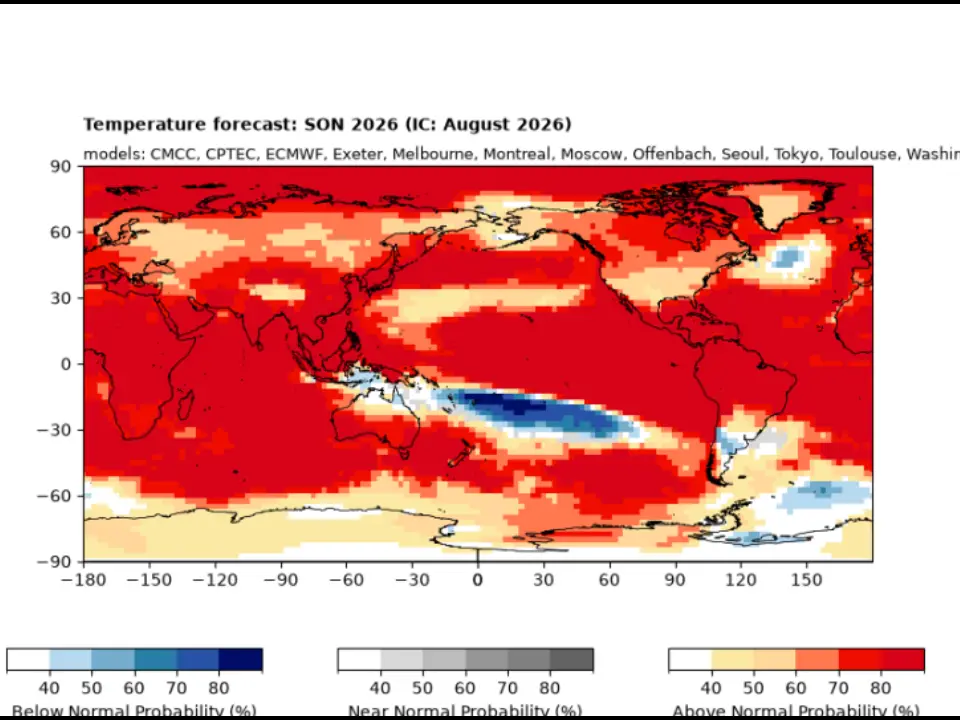)
El Niño 2026 heats up to become strongest in 1,000 years
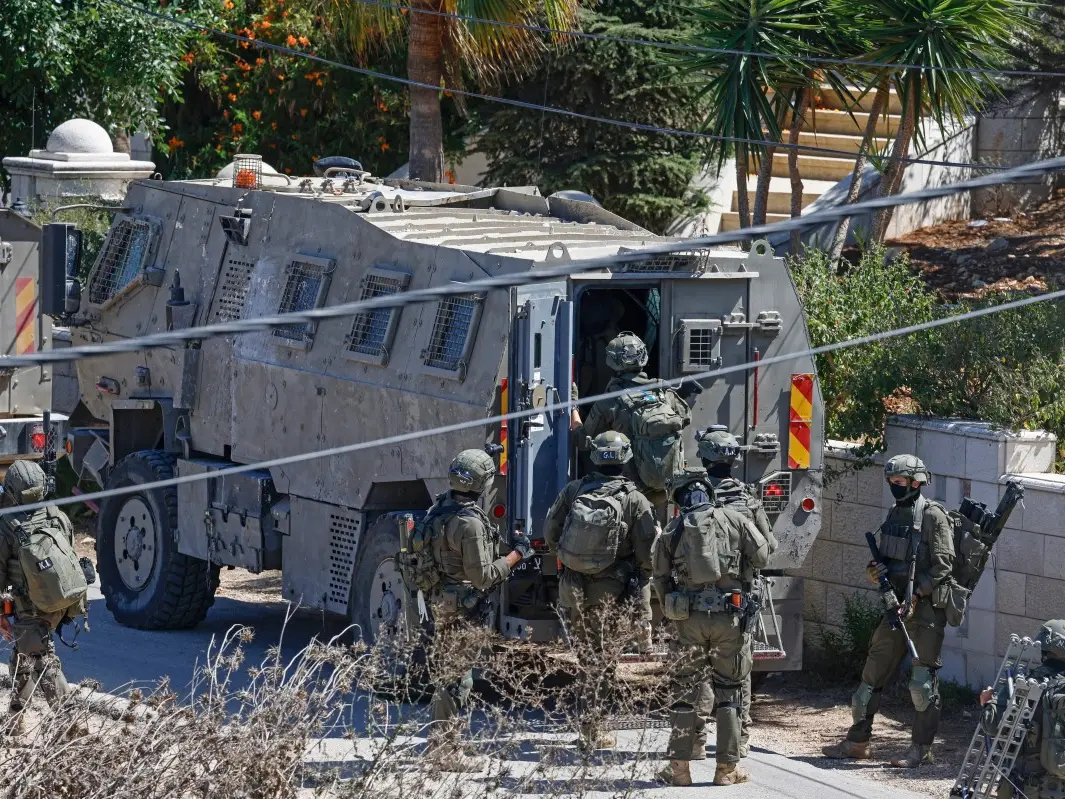)
Israeli envoy to US Yechiel Leiter’s son critically injured in West Bank ramming attack
&im=FitAndFill=(700,400))
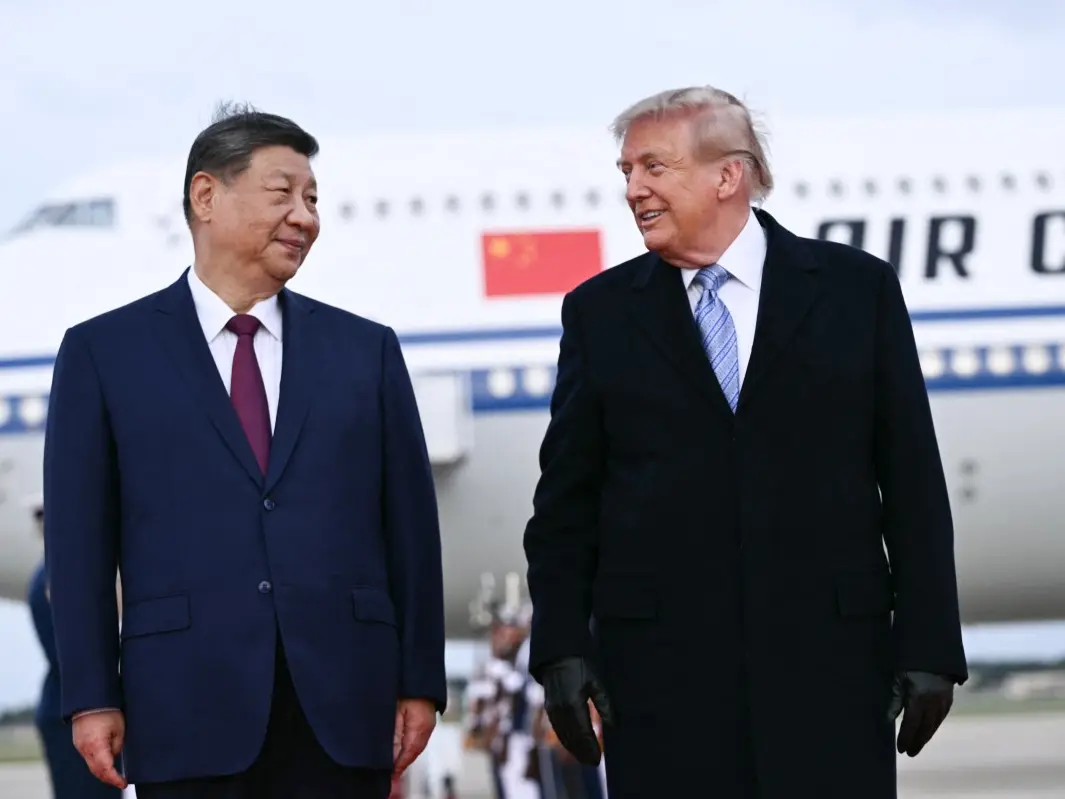
Trump welcomes Xi Jinping in rare airport gesture: Photos from Chinese President's arrival in US
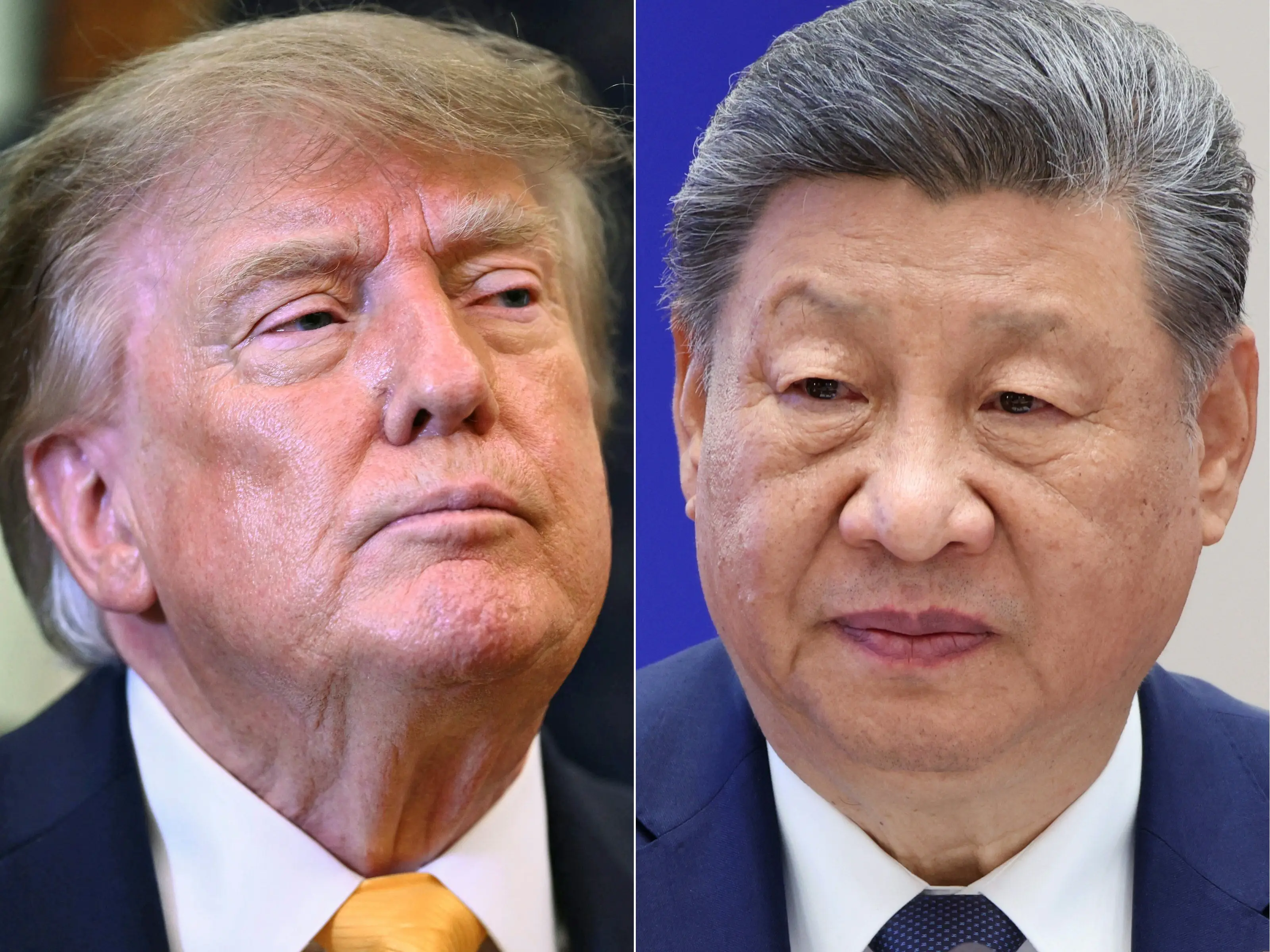)
Xi-Trump meeting: China’s human rights red line and past protests explained
The outgoing president, Soichiro Okudaira, brought nearly four decades of experience at Toyota to his role at Daihatsu, assuming the presidency in 2017 following its full acquisition by Toyota. This tenure underscores the deep ties between the two companies.
Daihatsu's significance within Toyota's broader operations is notable, accounting for 7 per cent of the conglomerate's total group sales in 2023. Despite this, the safety certification lapses necessitated actions to address the issue, including Daihatsu's removal from the Commercial Japan Partnership Technologies (CJPT).
This partnership, initially established by Toyota, Hino, and Isuzu Motors for technology development in commercial vehicles, saw Daihatsu's participation alongside Suzuki Motor. The decision to transfer Daihatsu's 10 per cent equity stake in CJPT to Toyota underscores the gravity of the situation.
(With inputs from Reuters)