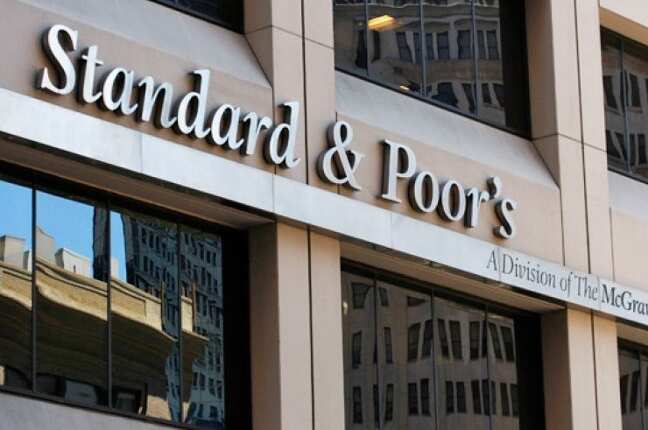
S&P's India ratings remain unchanged, India's economic outlook 'stable'

S&P
Last week, Moody's has upgraded India?s sovereign ratings to Baa2 from its lowest investment grade (Baa3) for the first time since 2004
India on Thursday condemned the decision of a Pakistan court to release from house arrest Islamist leader Hafiz Saeed, accused of masterminding attacks on Mumbai in 2008 in which 166 people were killed.
Saeed, co-founder of dreaded militant outfit Lashkar-e-Taiba (LeT), a banned organisation in both India and the United States (US), was put under house arrest in January after years of living freely in Pakistan, one of the sore points in its fraying relationship with the US and India.
Indian foreign ministry spokesman Raveesh Kumar said that the country is outraged that a self-confessed and a United Nations proscribed terrorist was allowed to walk free and continue with his evil agenda while adding that it showcases Pakistan's 'lack of seriousness' in handling issues concerning militancy on its soil.

Meanwhile, anti-Pakistan protest erupted in parts of India to protest the release of Saeed.
India accused Pakistan of sponsoring the attacks through the LeT, which Saeed founded in the 1990s.
Pakistan has denied any state involvement in the attack. It placed the LeT on a list of banned organizations in 2002.
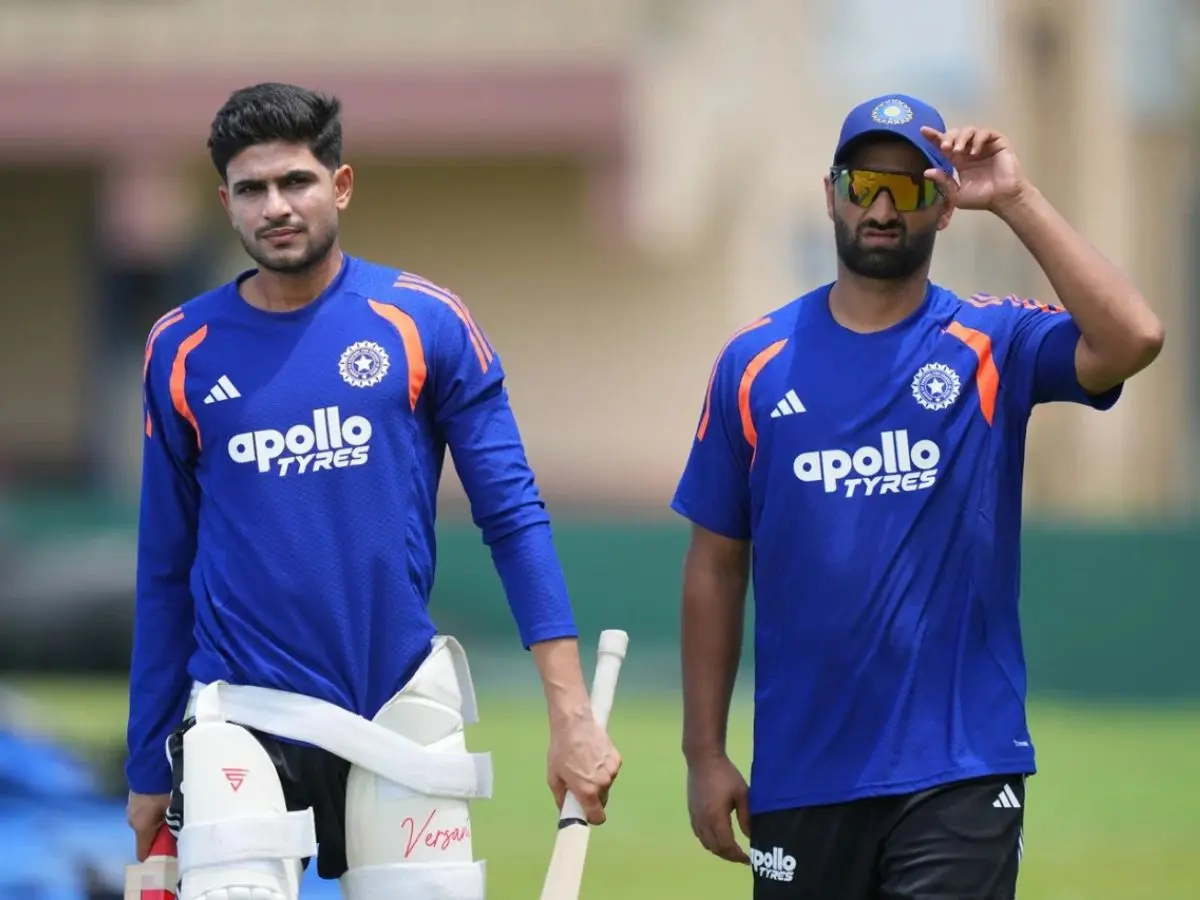)
No Pandya as Auqib Nabi earns maiden ODI call-up; Mayank returns for WI T20Is| check full squads
)
Chiefs tight end Travis Kelce named one of the victims in $35 million ponzi scheme
)
Trump praises India’s Opium crackdown, hails anti-drug efforts
)
Sydney Sweeney defends provocative ad choice, the internet is still not impressed
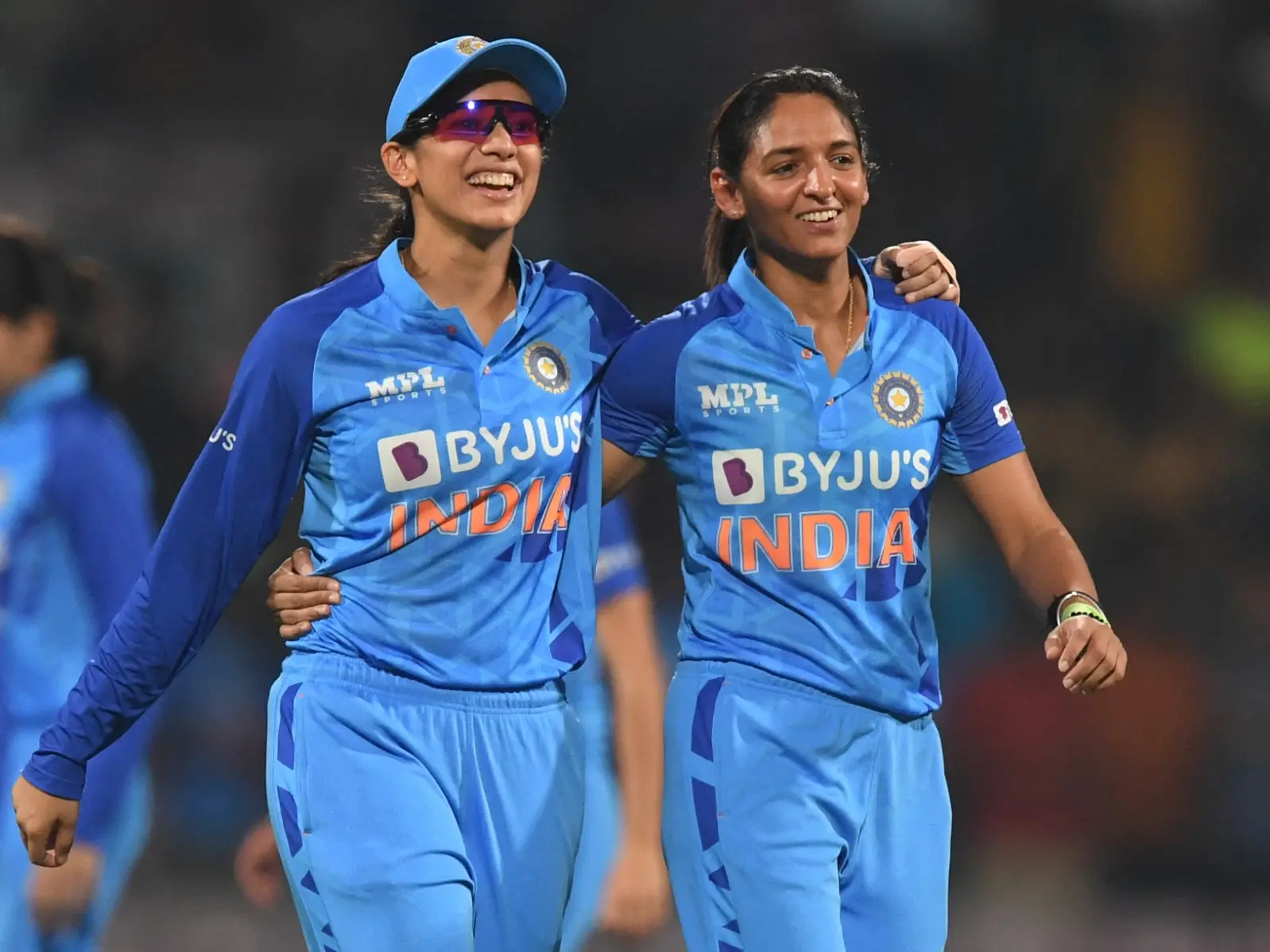)
Former India player Diana Edulji wants Smriti Mandhana to replace Harman as skipper at the earliest
)
Trump calls Canada-EU associate membership plan ‘laughable’ and threatens 'very serious tariffs'
)
Protests erupt over migrant housing plan in Piddington
)
Shahzad Bhatti Network declared terrorist organisation under UAPA: Govt order
)
Europe wants a common playbook for security threats, seeks security beyond NATO
)
Formula One reveals the 2027 race calendar; Monaco to host sprint race for the first time
)
All Indian goods to get duty-free access to New Zealand
)
Bigg Boss 20: Mahhi Vij reveals she lost Yuva role to Kareena Kapoor; 'didn’t work out in my favour'
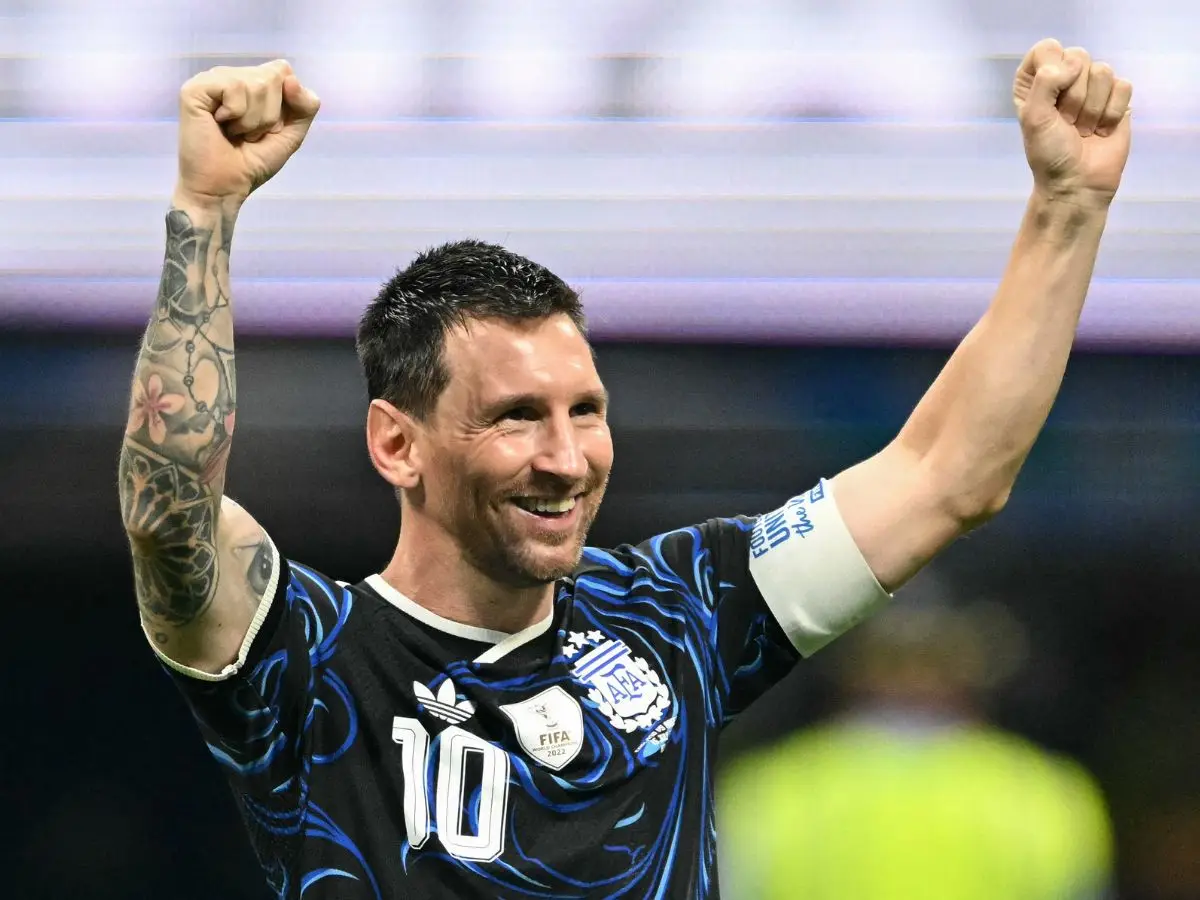)
Lionel Messi for 2026 Ballon d’Or over Mbappe and Yamal, says Diego Simeone
)
US House votes 417-3 to pass Ratepayer Protection Act targeting AI data center electricity costs
)
Hong Kong unveils 11 new measures to boost birth rates, offers higher cash bonuses and housing perks
)
Former OpenAI researcher warns of growing risks from Artificial Intelligence
)
Veteran actor Anant Nag honoured with Indian cinema’s highest award
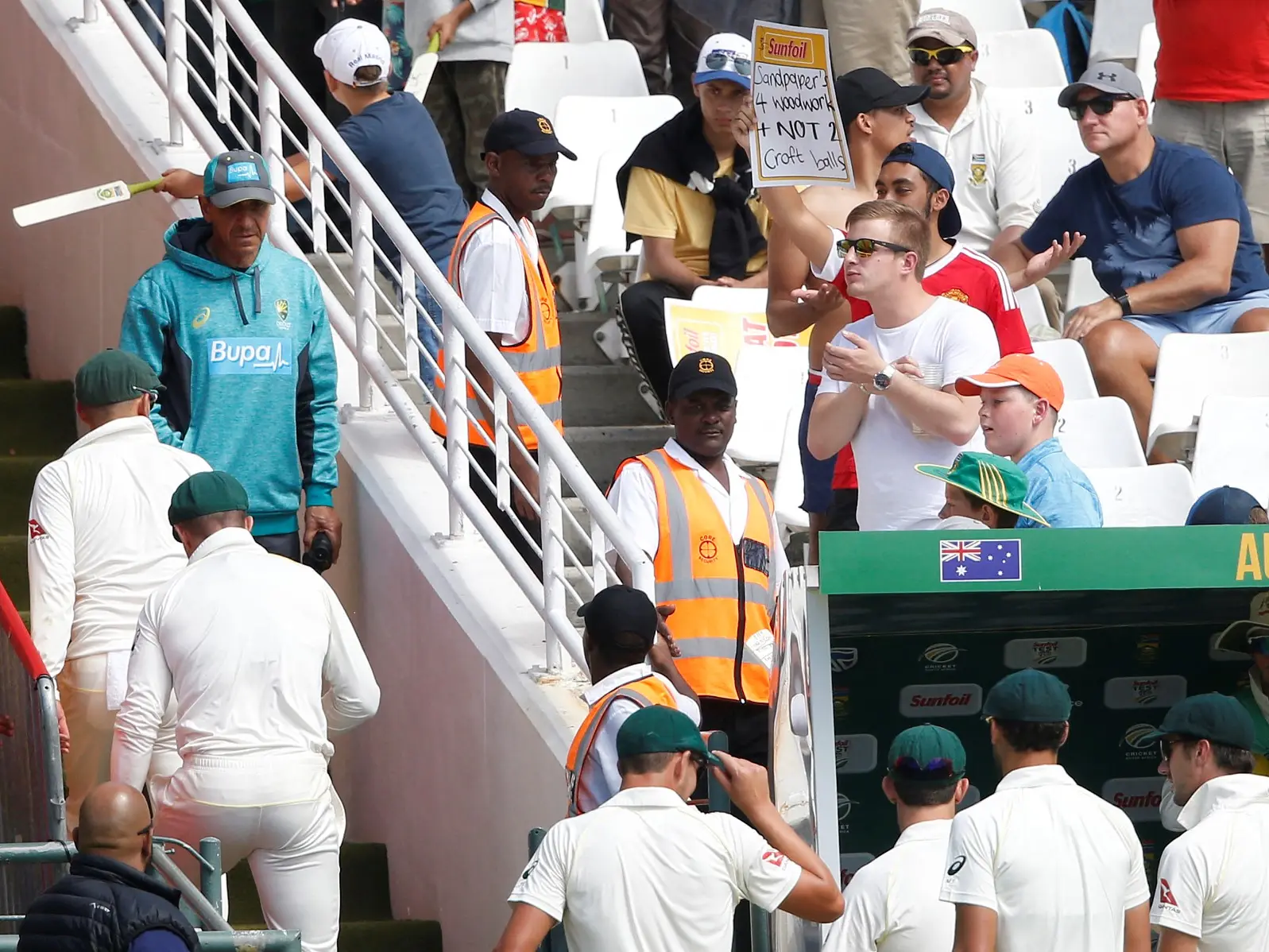)
AUS vs SA: Steve Smith still gets 'little flashbacks' from sandpaper gate
)
Pakistan naval vessel returns to harbour with 'severe damage' after collision with Indian warship in Arabian Sea
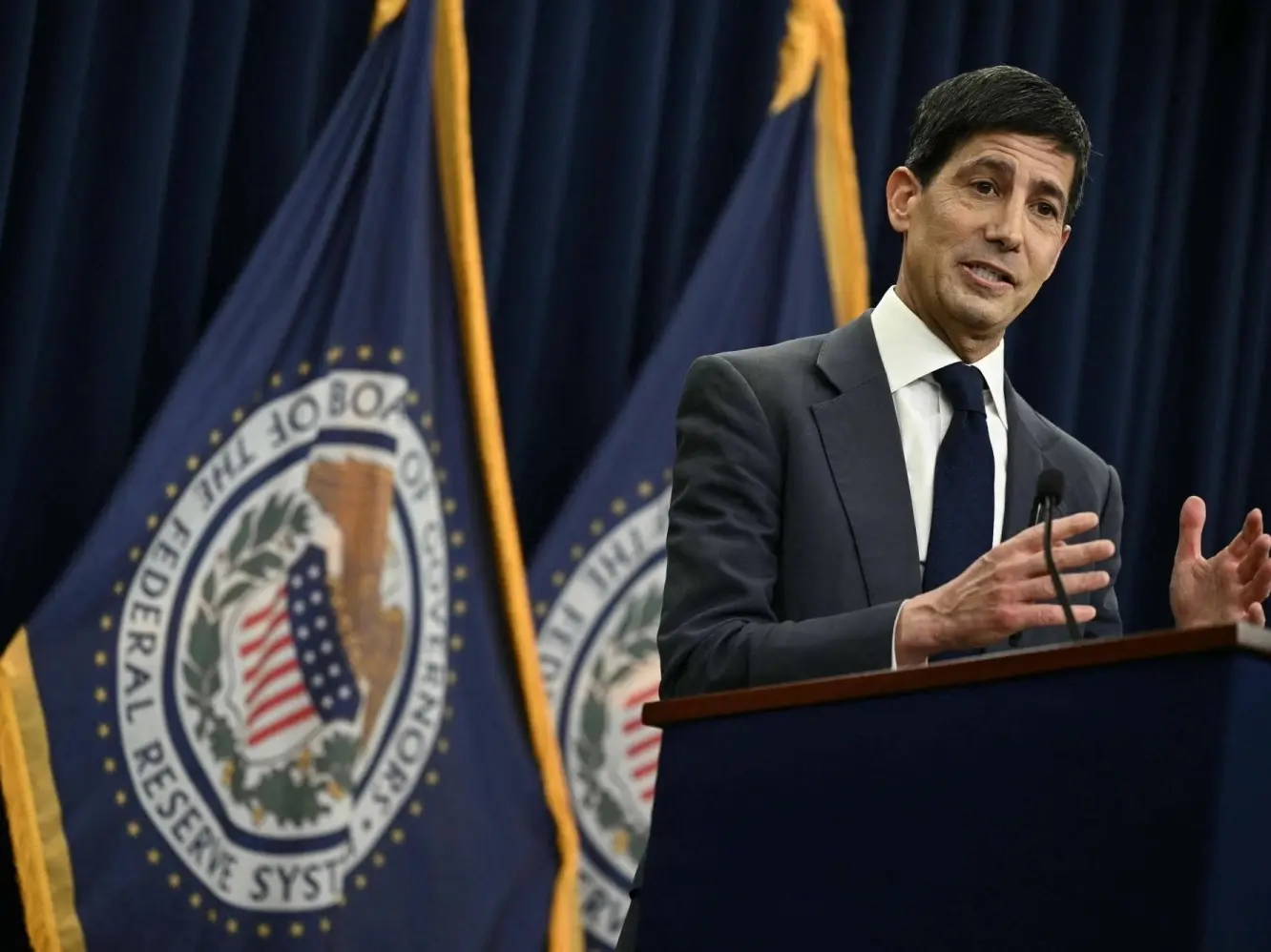)
Fed raises rates for first time in 3 years, Kevin Warsh defies Trump as inflation mounts
)
Katrina Kaif’s postpartum weight is not the problem; your gaze is
)
Taiwan seeks deeper India ties as direct flights restart soon and chip projects advance
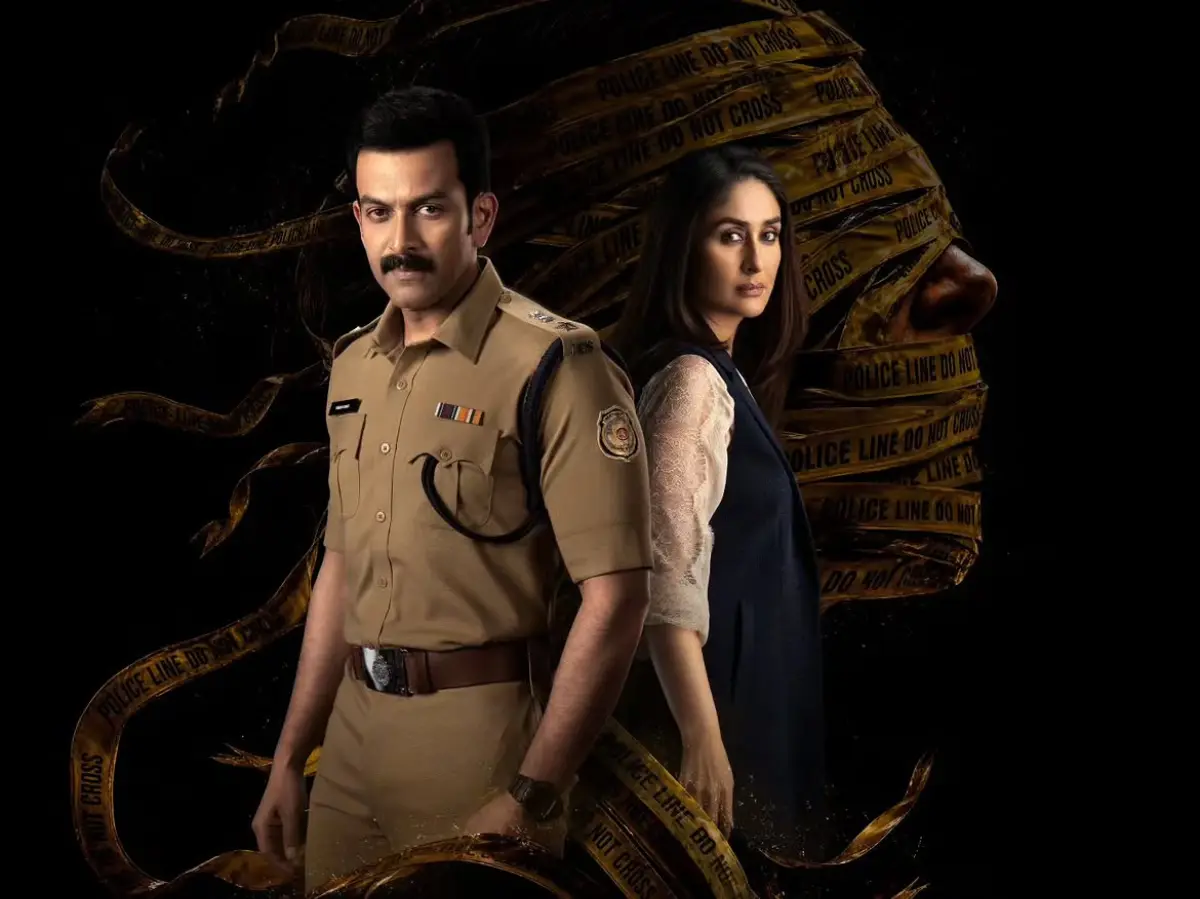)
Daayra movie review: Kareena Kapoor, Prithviraj Sukumaran shine in Meghna Gulzar’s cop-versus-cop crime thriller
)
Saudi Vs Houthis: Yemeni military rebels clash with Houthis
)
Pak batter Rizwan's petition against being questioned by cyber crime agency rejected by court
)
US trade tariff: 100% tariff targets Russian buyers amid trade tensions
)
Pakistan: Imran Khan's sons Kasim & Sulaiman claim their father is 'tortured' in jail
&im=FitAndFill=(700,400))
New OTT releases this week (September 14-20, 2026): Lust Stories 3, Waiting Hai, Irumudi- 5 new titles coming on Netflix, Prime Video and more
)
Trump gets new power to hit India, China with up to 100% tariffs as US Senate clears Russia sanctions bill
)
Prime Minister Narendra Modi's birthday: Italian PM Meloni sends birthday wishes
)
‘Imagine 50 AI fighters cornering one manned jet’: India’s mobbing doctrine eyes a new era of air warm
)
Saudi vs Houthis: Riyadh claims to have shot Houthi drone targeting Mecca
)
US Treasury rallies global financial institutions for Op Economic Outcast to isolate Iran
)
India breaks silence on US Russia sanctions bill, 100% tariff threat: ‘Committed to energy security’ for 1.4 billion
)
Pakistan boycotts chess match against Israel at Olympiad
)
Want to get married within a year? Why 18 lakh people rush to Jaipur for ‘sacred henna’
&im=FitAndFill=(700,400))
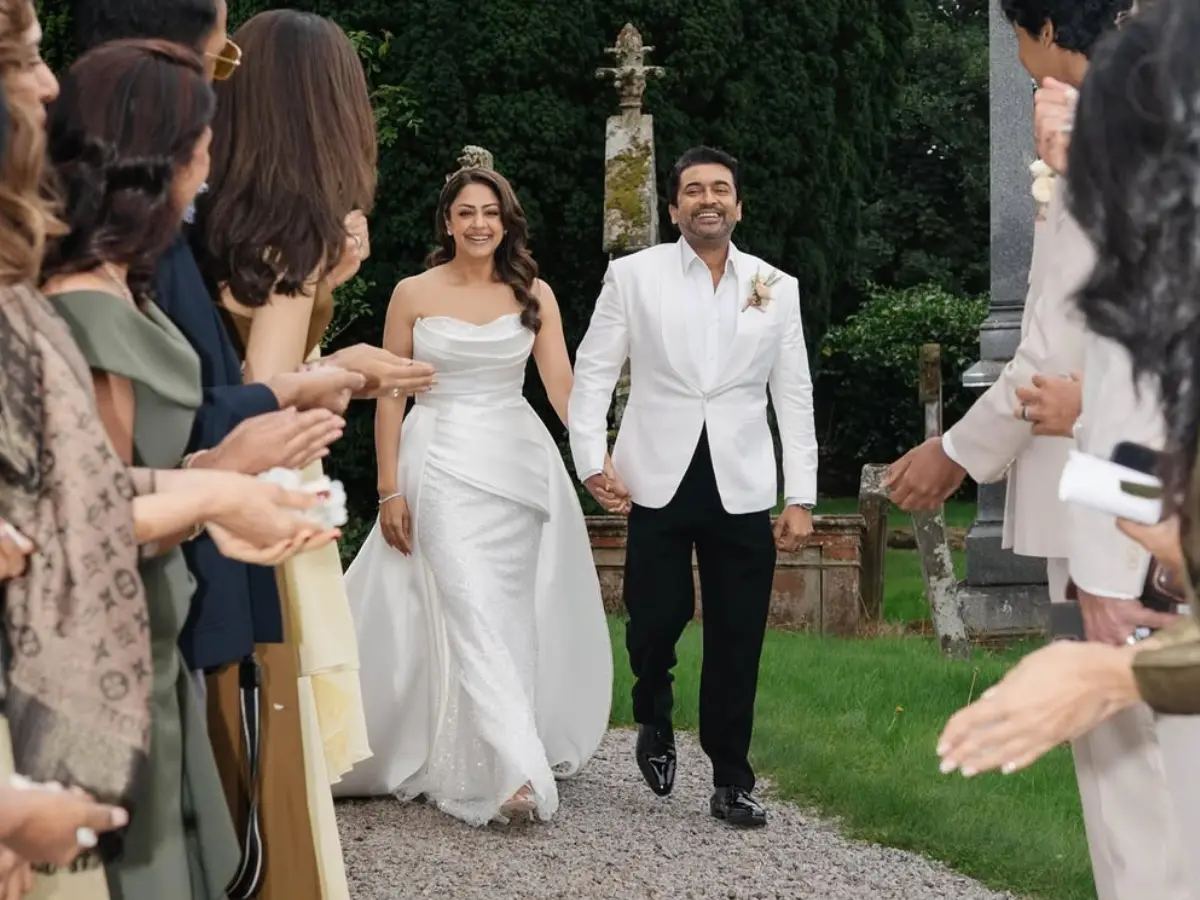
Suriya and Jyothika say ‘I do’ again after 20 years! See their dreamy wedding pics
)
Abhishek Sharma rises to No. 2 in T20Is; ENG’s Robinson 3rd after record Pakistan Tests
)
The Early Spring season 2 is happening, but fans have one request - 'don't change the actors'
Pakistan frees Hafiz Saeed
A Pakistani court Wednesday ordered the release of one of the alleged masterminds of the 2008 Mumbai attacks which killed more than 160 people, after months of US pressure on Islamabad over its alleged support for militants.
Firebrand cleric Hafiz Saeed, who heads the UN-listed terrorist group Jamaat-ud-Dawa (JuD) and has a $10 million US bounty on his head, will be freed tomorrow after less than a year in detention following the decision by the Lahore High Court, a JuD official said.
"The review board looking into the case... has refused to extend his house arrest as the government failed to provide any evidence against the charges," a spokesman for the party, Ahmed Nadeen said.
The horror of the Mumbai carnage played out on live television around the world as commandos battled the heavily armed gunmen, who arrived by sea on the evening of November 26, 2008.
It took the authorities three days to regain full control of the city.
JuD, which has operated freely across Pakistan and is popular for its charity work, is considered by the US and India to be a front for Lashkar-e-Taiba (LeT), the militant group blamed for the attack on India's financial capital.
New Delhi has long seethed at Pakistan's failure either to hand over or prosecute those accused of planning the attacks, while Islamabad has alleged that India failed to give it crucial evidence.
India has also said there is proof that "official agencies" in Pakistan were involved in plotting the attack -- a charge Islamabad denies.
Analyst and retired Pakistani general Talat Masood told AFP that Saeed is given special treatment by the government "because they think that his organisation was supportive in Kashmir", the disputed Himalayan territory over which India and Pakistan have fought two of their three wars.
Saeed said later in a video message that he was detained because of his association with Kashmir.
"It's because of Kashmir that India is after me, but all her efforts have been in vain and Allah has set me free," he said in the video released by his party's media team.
"This is a victory for Pakistan's freedom and God willing Kashmir will also be freed because I'm fighting Kashmir's case," Saeed added.
India blames Pakistan for sending militant groups, including LeT, to foment unrest in the part of Kashmir controlled by New Delhi.
However, Masood said the government could seek new reasons to detain Saeed to avoid more international pressure, particularly from Washington, which has been pressuring Pakistan for months over its alleged support for militants including the Taliban in neighbouring Afghanistan.
US President Donald Trump in August accused Pakistan of harbouring "agents of chaos", and Secretary of State Rex Tillerson said last month that the Washington has made "very specific" requests of Pakistan over militancy.
The US has also made several overtures to Pakistan's arch-enemy India for closer ties.
Following a brief period of house arrest in 2008, Saeed led a high-profile public life and regularly delivered fiery anti-India speeches.
He was placed under house arrest once more in January this year following years of foreign pressure, prompting demonstrations in several Pakistani cities.
Masood said that his release could see him participate in a general election set to be held sometime next year, adding that if he won a seat in the national assembly that could be "very embarrassing internationally".
(With AFP inputs)