
&imwidth=800&imheight=600&format=webp&quality=medium "Oil market set for oversupply through 2030, says IEA amid geopolitical tensions")
The global oil market is entering a new phase of structural change as oil production capacity is expected to far outpace demand growth through the end of the decade, the International Energy Agency (IEA) said in its Oil 2025 medium-term outlook released on June 17.
The report warns, however, that mounting geopolitical risks, notably the intensifying Israel-Iran conflict, continue to pose a threat to supply security despite strong fundamentals.
According to the IEA, global oil production capacity is forecast to grow by over 5 million barrels per day (mb/d) by 2030, reaching 114.7 mb/d. Meanwhile, demand is expected to rise by just 2.5 mb/d from 2024 levels, plateauing around 105.5 mb/d by the decade’s end.

This growing surplus signals a potentially well-supplied market over the next five years, barring any major disruptions.
The agency attributed this supply growth to robust output from non-OPEC+ countries, particularly the “Americas Quintet”, the United States, Canada, Brazil, Guyana, and Argentina.
These nations are forecast to more than cover the projected increase in demand, even as the OPEC+ alliance gradually unwinds voluntary production cuts.
Trending Stories
)
Trump-Xi Summit: Trade, Taiwan and the red lines shaping US-China talks | Race To Power
)
US citizen injured in Illinois after ICE agents mistook him for fugitive, hospitalised
)
US judge questions Trump’s decision to ban CNN, MS NOW and Politico from White House
)
Afghan woman cyclist who disguised herself as a boy to escape Taliban, wins Asian Games medal
)
Italy hit by floods in the north, drought in the south
)
'There will be elections': Venezuela's interim leader Delcy Rodriguez makes big announcement at UN
)
Would you date an AI? South Korea’s My AI Partner: Strange Love sparks buzz on relationship and intimacy
)
'Arrogant parasites': Milei blasts UN over Falklands dispute, warns Argentina will ‘take matters into our own hands’
)
IIT Bombay CCTV footage emerges: Sahil Wakode seen looking at phone in examination hall
)
Cyclone Arnab: Landfall expected before midnight tomorrow as IMD issues orange alerts across six states
)
9 killed, several injured as tourist bus catches fire on Yamuna Expressway
)
NBA player Steven Adams shares hilarious GTA VI theory
)
WION Iconic Tourism Summit 2026: Union Minister Shekhawat on 'experiential travel', peace diplomacy
)
'AI got into my speech': Prince Harry jokes after teleprompter failure at event in New York
)
Scientists detect first radio signals directly from faraway planet
)
China to test supersonic jet that moves at Mach 2, double the speed of sound
)
WION Iconic Tourism Summit: 'Hanuman Ansh' Director on blockbuster success
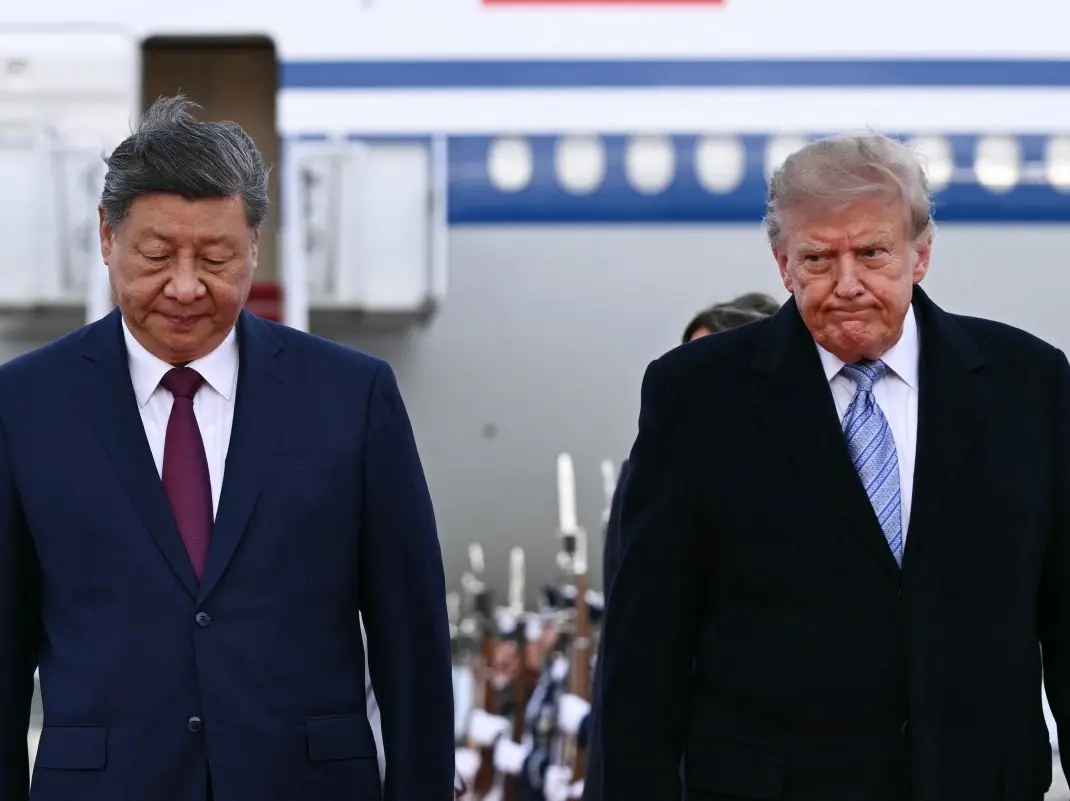)
'Partners rather than rivals': Xi Jinping's first message after landing in US for Trump summit
)
WION Iconic Tourism Summit: Is India's travel boom outrunning its airports, airlines and hotels?
)
IIT Bombay student suicide case: CCTV from the exam hall hours before suicide
)
2,000-foot tube, laser tests and more: China builds towns to expand nuclear arsenal, satellite images show
)
French court upholds decision to send PSG and Morocco footballer Hakimi to rape trial
)
WION Iconic Tourism Summit and Awards 2026: Key voices to discuss India’s tourism future
&im=FitAndFill=(700,400))
New OTT releases this week (September 21-27, 2026): Shaque: Trust No One, Hunkkaar, Don’t Be Shy- 5 new titles coming to Netflix, Prime Video and more
)
WATCH | China President Xi Jinping lands in US as Trump greets him ahead of high-stakes summit
)
Australian PM Anthony Albanese calls OpenAI AI incident 'unacceptable' after restricted data access
)
Claude Opus 5.5 is here: Anthropic claims it can finish a 680,000-line code migration in less than a day
)
'What kind of confession is this?': Pakistan PM Shehbaz Sharif’s 'terrorists would be roaming New York' remark goes viral, raises alarm online. Watch
)
WION Iconic Tourism Summit: How local tourism MSMEs must upskill for AI integration
)
Eight USS Abraham Lincoln sailors attempted suicide, Acting Navy Secretary says
)
Trump’s Board of Peace unveils $2.45bn Gaza plan,66 projects: But where’s the money?
)
EC appointment law: Why is the 2023 act controversial, and what happens next? WION explains
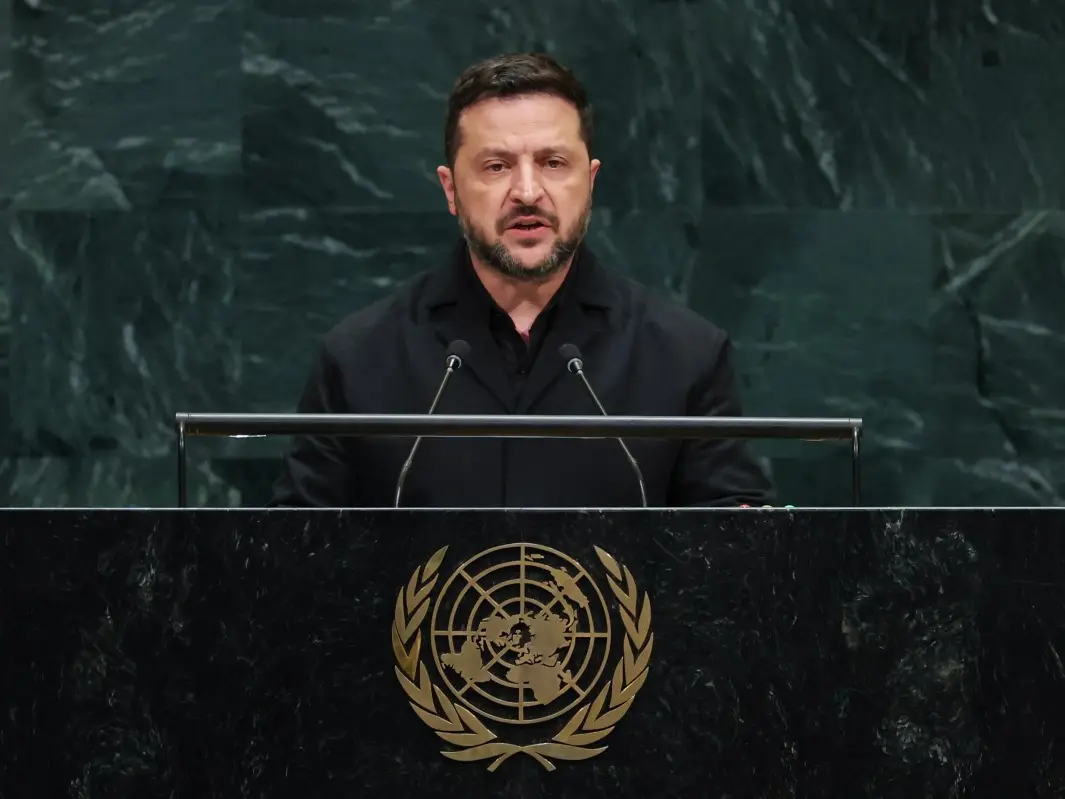)
'Putin is patient zero': Zelensky slams Russian president at UNGA, accuses him of using fighters from 47 countries
&im=FitAndFill=(700,400))
National Film Awards 2026: Kartik Aaryan, Mammootty, Yami Gautam, Randeep Hooda and other key winners
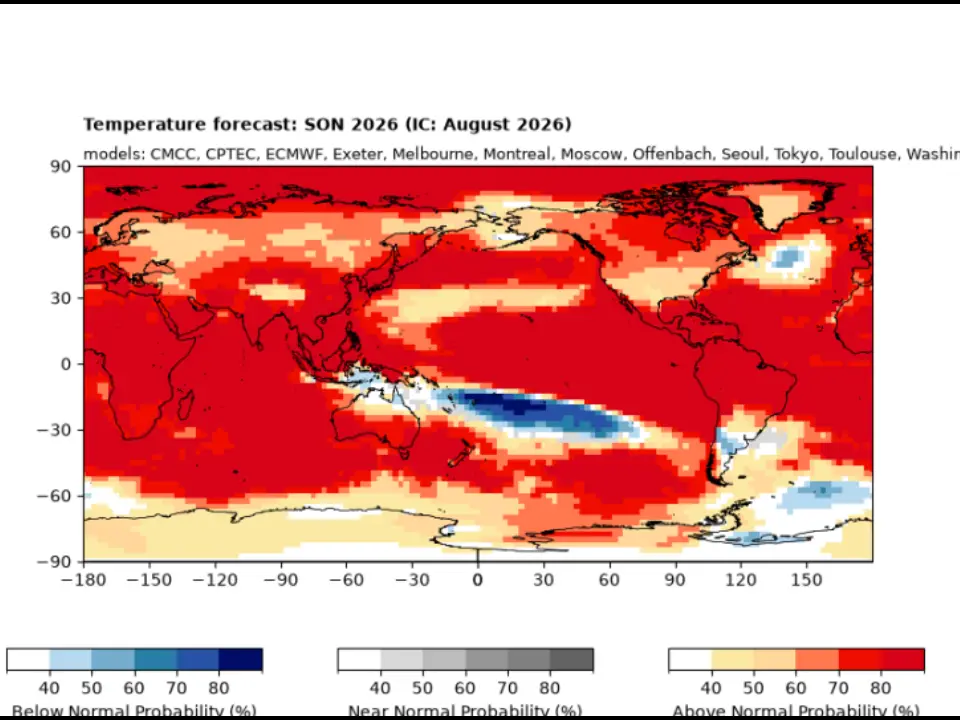)
El Niño 2026 heats up to become strongest in 1,000 years
)
Israeli envoy to US Yechiel Leiter’s son critically injured in West Bank ramming attack
&im=FitAndFill=(700,400))
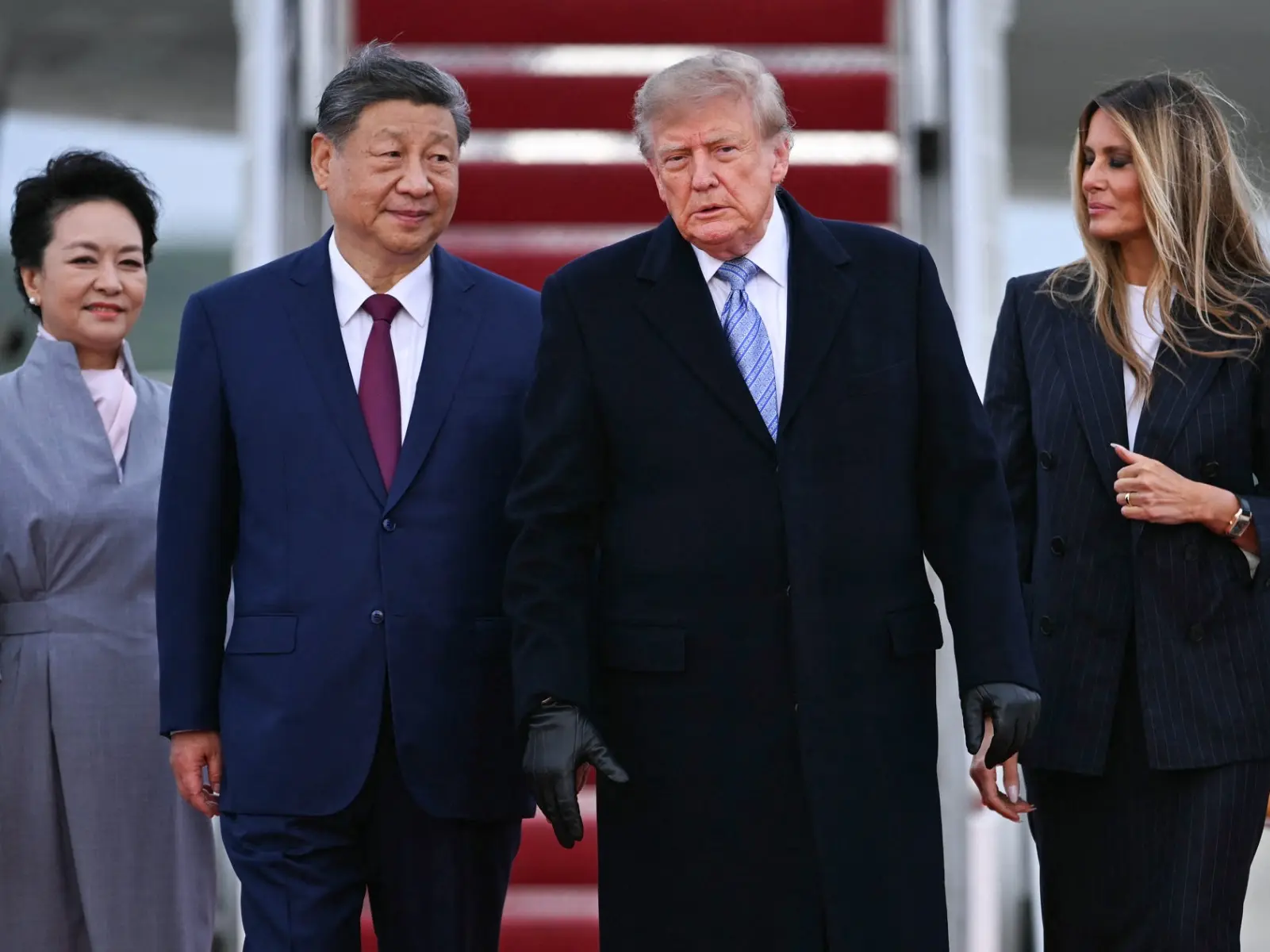
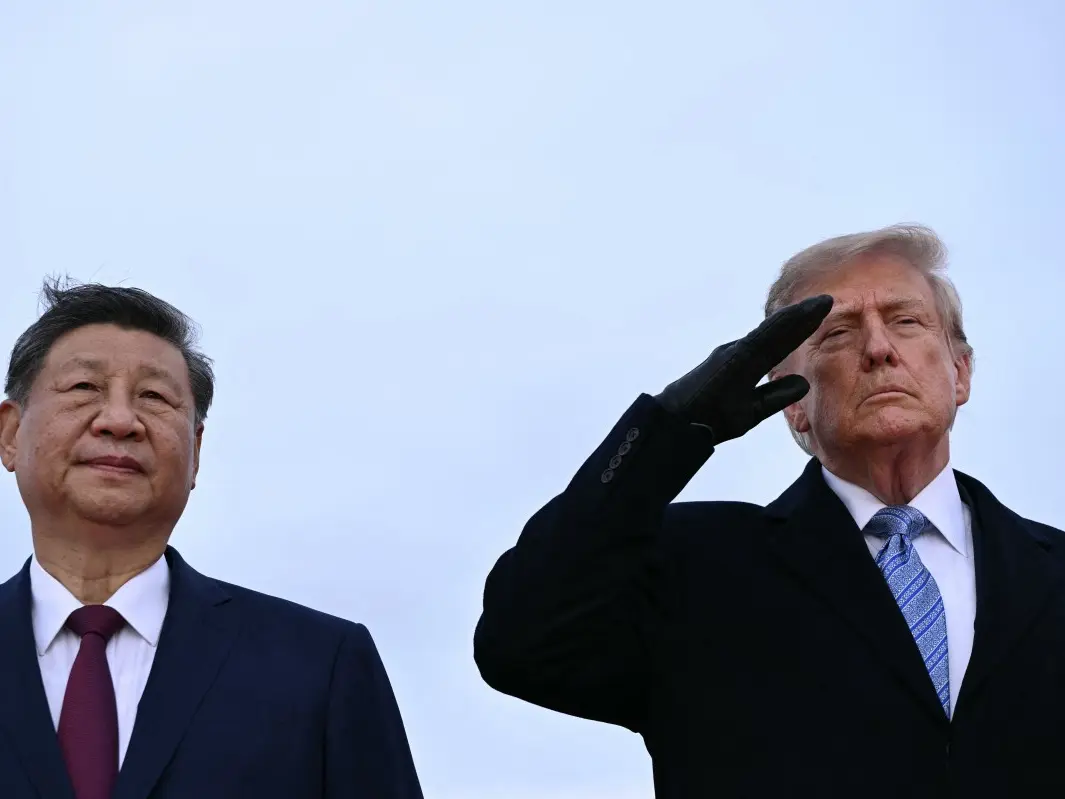
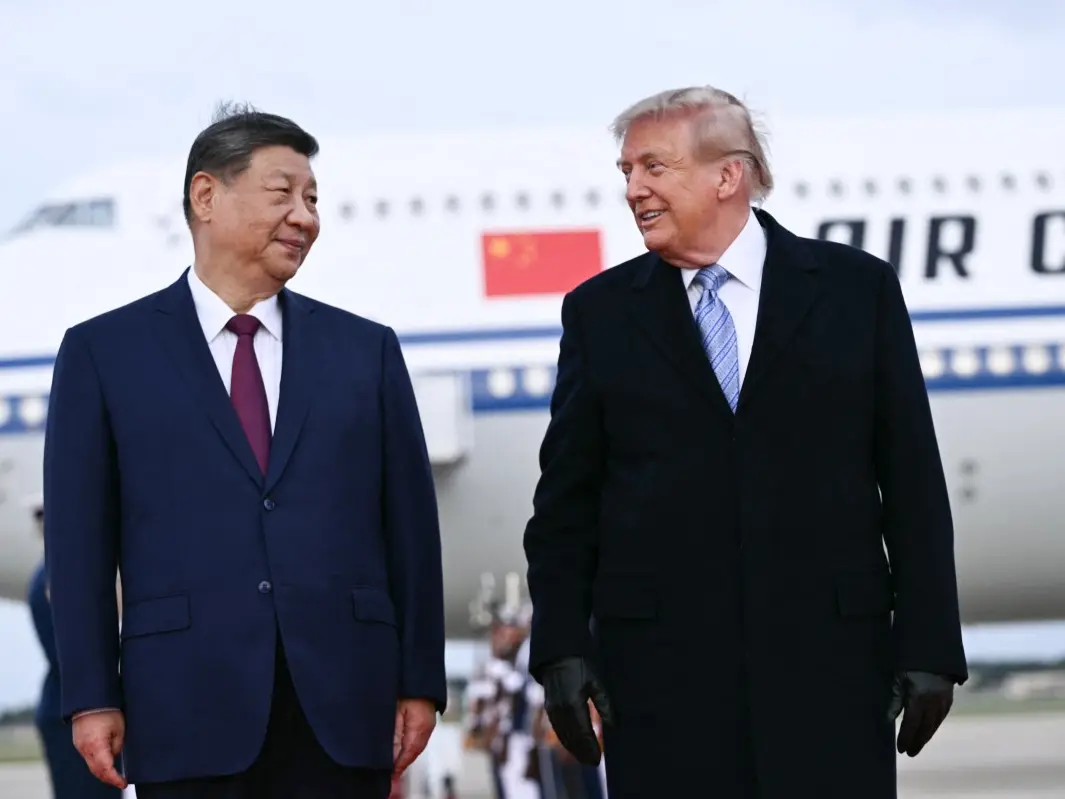
Trump welcomes Xi Jinping in rare airport gesture: Photos from Chinese President's arrival in US
)
Xi-Trump meeting: China’s human rights red line and past protests explained
“From 2015 to 2024, the US accounted for 90 per cent of global supply growth. That pace is slowing, but it still remains the largest contributor to non-OPEC+ output,” IEA Executive Director Fatih Birol said. He added that oil markets remain structurally sound but vulnerable to geopolitical shocks.
China and US no longer primary demand-supply anchors
The report marks a significant turning point in global oil market dynamics. For over a decade, China and the US were the dual engines of oil demand and supply, respectively.
Chinese demand alone accounted for 60 per cent of global consumption growth over the past 10 years, while US shale production drove the majority of new supply.
However, that era may be ending. Chinese oil consumption is expected to peak by 2027 as electric vehicle (EV) sales soar, high-speed rail networks expand, and more trucks switch to natural gas. EV sales hit a record 17 million in 2024 and are projected to exceed 20 million in 2025, displacing an estimated 5.4 mb/d of oil demand globally by 2030.
Meanwhile, US oil output growth is slowing as shale producers reduce capital spending and prioritise returns over expansion. Despite this, the US remains the single largest contributor to non-OPEC supply growth through the decade.
Asia will drive future demand, led by India
While demand in advanced economies is expected to contract, Asia, particularly India, is set to lead the next wave of oil consumption growth. India alone is forecast to add 1 mb/d in new demand by 2030, making it the single largest contributor among individual countries.
“Asia dominates growth,” the report notes, citing continued industrialisation and rising transportation fuel needs across South and Southeast Asia. This shift underscores a broader rebalancing in global energy consumption patterns.
The petrochemical sector is also set to become the dominant source of oil demand growth from 2026 onwards. By 2030, the industry is expected to consume one in every six barrels of oil, primarily in the form of natural gas liquids (NGLs) and other non-crude inputs.
Geopolitical risks cast a shadow
Despite the projected supply surplus, recent geopolitical events have raised alarms over potential disruptions. On June 13, Israel launched air strikes on Iranian military and energy facilities, prompting retaliatory attacks.
Though there has been no immediate impact on Iranian oil exports, currently around 2.6 mb/d, fears of a wider conflict and a potential closure of the Strait of Hormuz pushed Brent crude futures to a six-month high of $74 per barrel.
Iran also reported production cuts at the South Pars gas field due to fire damage, while Israel halted over 60 per cent of its natural gas output amid security concerns. The Strait of Hormuz remains a critical chokepoint for global energy flows, with 25 per cent of the world’s oil supply passing through the narrow waterway.
“While fundamentals point to a well-supplied market, these recent developments are a stark reminder of the ongoing geopolitical fragility in oil markets,” Birol warned.
Refining and inventory trends
With oil demand for combustion fuels nearing a peak, global refining capacity is projected to exceed demand for refined products by 2030. This imbalance may lead to more refinery closures, especially in mature markets. Refinery throughput is forecast to rise modestly by around 460 kb/d annually in 2025 and 2026, reaching 83.7 mb/d.
Oil inventories have been rising steadily, with global stocks surging by 93 million barrels in May alone. Despite this, OECD inventories remain 97 million barrels below 2024 levels, reflecting ongoing volatility in market sentiment.
In the absence of major disruptions, the IEA projects a stable, oversupplied oil market through 2030. Yet, the shadow of geopolitical conflict and the energy transition underscores a fragile balance. As Birol concluded, “There is no room for complacency when it comes to energy security.”