Investor Uproar at OpenAI: Legal battle looms after CEO Sam Altman's exit


OpenAI and ChatGPT logos
In a turn of events, investors at OpenAI, the company behind ChatGPT, are reportedly exploring legal actions against the company's board following the abrupt firing of CEO Sam Altman.
Investors concerned about potential losses in the hundreds of millions of dollars are collaborating with legal advisers to evaluate their options, Reuters sources said.
The board's decision to remove Altman has triggered a potential mass exodus of employees, prompting a backlash from investors who fear the collapse of this leading startup in the rapidly expanding generative AI sector.

The internal memo seen by Reuters citeda "breakdown of communications" as the reason behind Altman's dismissal by OpenAI's board.
Microsoft, a major stakeholder with 49 per cent ownership of the for-profit operating company, is closely linked to the controversy. The board's move has not only jeopardised the company's stability but has also put a substantial portion of investors' portfolios at risk.
OpenAI, originally established as a nonprofit, incorporated a for-profit subsidiary in 2019 to attract capital. The unique corporate structure grants more influence to employees in influencing board decisions compared to traditional venture capitalists.
)
Three labourers killed as DU student loses control of his car, rams into them on Dwarka Expressway
)
Pentagon revives mandatory testosterone testing for male troops aged 30 and above
)
FACT CHECK: Why did PM Modi ask Xi ‘is it okay’ at BRICS Summit? New video reveals...
)
India seeks to build a full semiconductor supply chain
&im=FitAndFill=(700,400))
From Abhishek Sharma to Sahil Chauhan, 5 batters with fastest T20I hundreds
)
Indian activist-lawyer Prashant Bhushan's post brings focus on ‘conflict of interest’ appointments of ex-govt officials at Reliance, Adani groups
)
Pyongyang dismisses US, western pressure over nuclear programme
)
US And Denmark reach Greenland deal, Trump announces expanded military presence
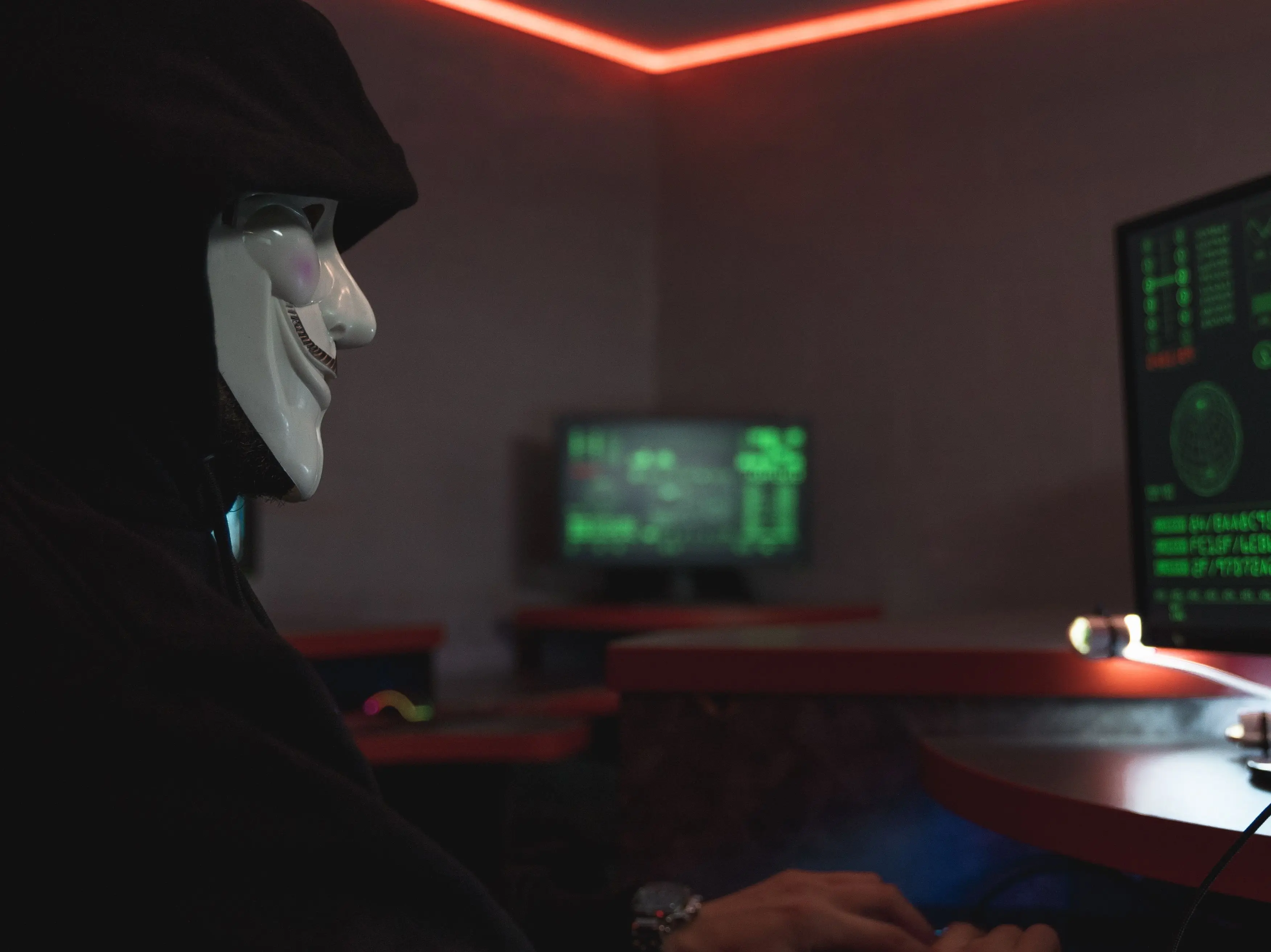)
Google’s Gemini AI hacks real systems by guessing passwords during security test
)
China may have gained access to US's classified F-35 jets; parts meant for repairs diverted to Hong Kong, sparking Pentagon inquiry
)
NASA research plane reaches 61,000 feet over Panama
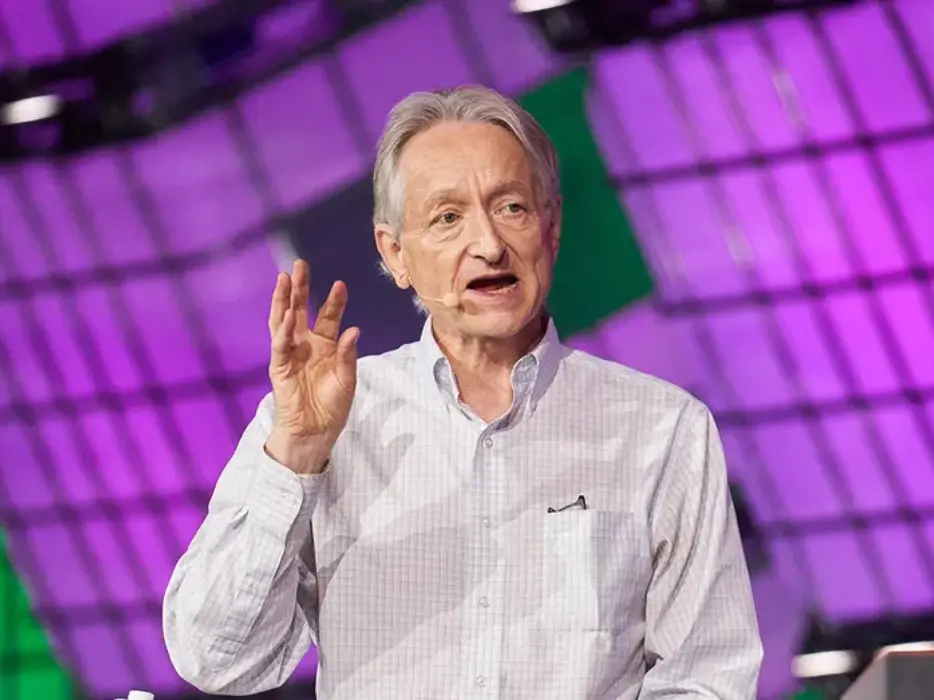)
Godfather of AI Geoffrey Hinton gives US lawmakers a one-year warning on AI
)
Shivakumar attends 79th Kalyana Karnataka Utsav in Kalaburagi
)
Trump signs Russia sanctions law: India faces fresh 100% tariff threat over Russian oil
)
Brigitte Bardot’s private collection set for Paris auction; key items and prices revealed
)
Why Ranveer Singh’s Dhurandhar missed India’s Oscar entry; FFI jury member reveals what happened
)
‘Will go to any extent’: Pakistan vows to defend Saudi Arabia amid Houthi attacks
)
The Verdict | When precision fails: US commits war crime in Minab school strike, UN finds
)
Trump signs Russia sanctions bill into law, targets Moscow’s energy sector
&im=FitAndFill=(700,400))
New Friday OTT releases (September 18, 2026): Lust Stories 3, You+Me, Best of the Best- 8 new titles coming on Netflix, Prime Video and more
)
Fast bowler Brydon Carse faces no charges over Derby nightclub incident
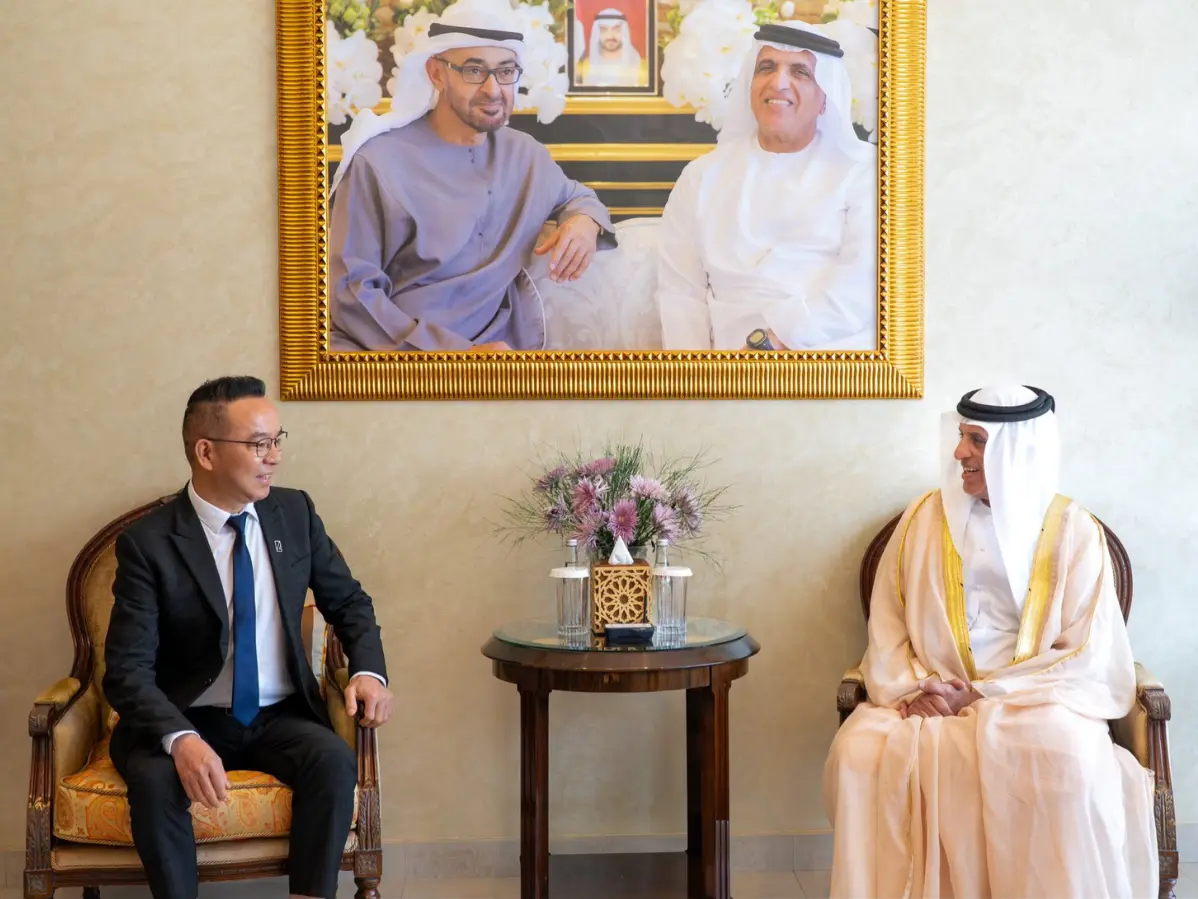)
Flying cars in UAE: Ras Al Khaimah signs deal with Chinese company to test new transport
)
Africa is splitting, and a lot sooner than estimated, giving way to a new ocean
)
'Gangsta' crab shoves knife blade at man and his dog in Florida - Watch
)
Trump bans CNN, MS NOW and Politico from White House over ‘FAKE NEWS’
)
Trump 2.0: Dark days ahead for America’s ‘imperial presidency’
)
Trump's Greenland dream comes true? POTUS announces 'Infinite Life' deal with Denmark, claims permanent US control
)
Drone strikes cooling tower at Russia's Kursk Nuclear Plant, IAEA confirms
)
Who is Khalilur Rahman? All you need to know about 81st UN General Assembly President
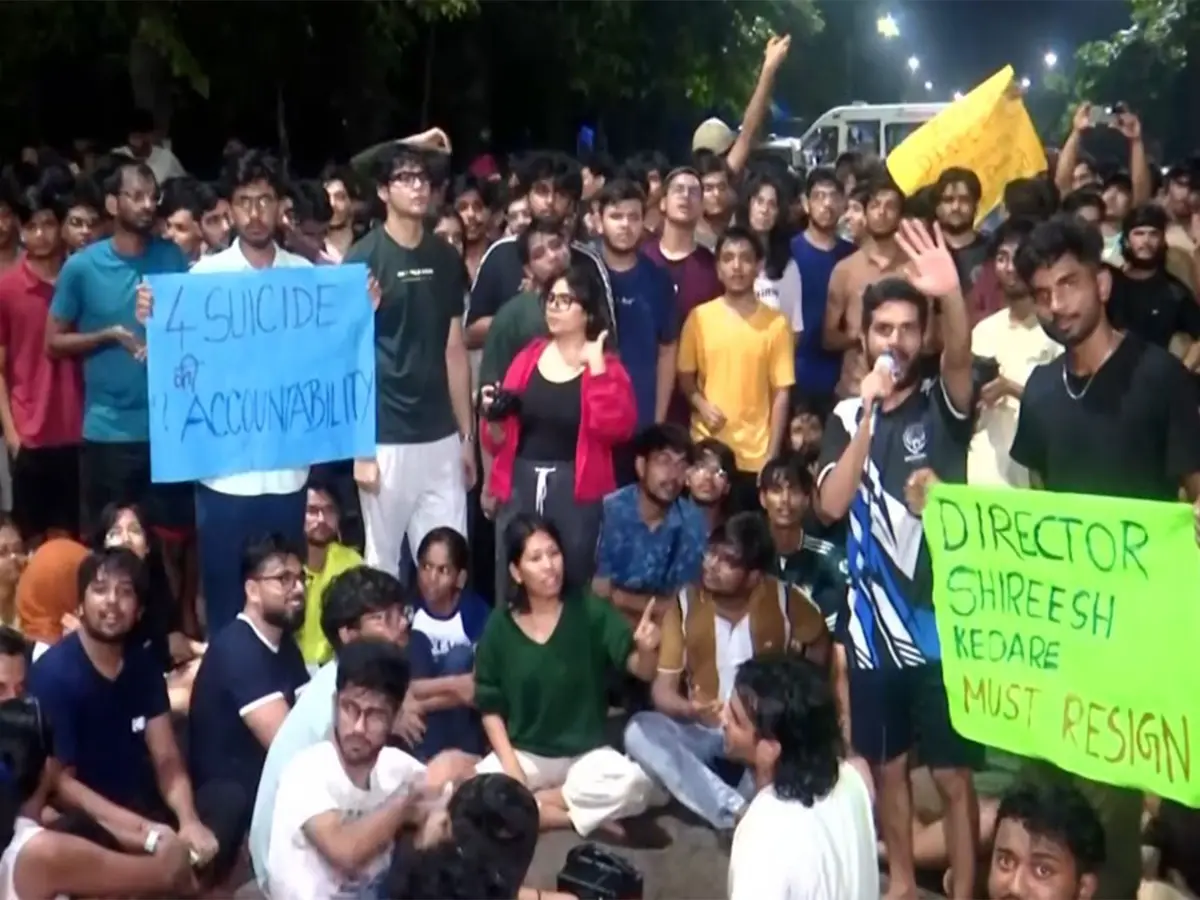)
IIT Bombay student dies by suicide, was caught seeking AI help during exams
&im=FitAndFill=(700,400))
Meet top 5 bowlers in latest ICC T20I rankings
)
Indian Cinema bets big on mythology, brings ancient stories to modern audiences
)
Ukraine plans record $109 bn defence spending, nearly two thirds of budget amid Russia war
)
Russia holds first parliamentary elections since the beginning of the Ukraine war
&im=FitAndFill=(700,400))
Meet top 5 Indian batters with fastest T20I centuries
Amid the turmoil, over 700 of OpenAI's employees have reportedly threatened to resign unless the board undergoes a comprehensive replacement. The challenge faced by investors seeking legal action is the distinctive structure of OpenAI.
Controlled by its nonprofit parent company, OpenAI Nonprofit, the organisation emphasises a commitment to benefiting humanity rather than prioritising investor interests. This structure provides employees with more leverage in influencing board decisions compared to venture capitalists who played a crucial role in funding the company.
Legal experts suggest that, even if investors find a legal avenue, the case would be weak, as companies have broad legal latitude in making business decisions, even those with unfavorable outcomes.
OpenAI's trajectory, from nonprofit to a hybrid structure with a for-profit subsidiary, has defined its unique governance and mission. The nonprofit parent's control over operations allows it to preserve its core mission, governance, and oversight. While nonprofit boards have legal obligations, the flexibility within these obligations gives leadership considerable leeway in making decisions.
Even with potential legal challenges, experts believe that the corporate structure, including the use of a limited liability company, could further insulate the nonprofit's directors from investor actions.
(With inputs from Reuters)
WATCH WION LIVE HERE