
&imwidth=800&imheight=600&format=webp&quality=medium "India’s retail inflation hits six-year low at 2.1% on falling food prices")
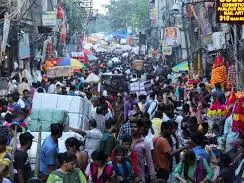
India’s retail inflation cooled sharply to 2.10 per cent in June, marking its lowest level in over six years and slipping close to the bottom end of the Reserve Bank of India’s target band. The dramatic slowdown has been driven largely by easing food prices, offering the central bank more headroom to support growth through monetary easing. According to Reuters, June’s inflation prints surprised markets, coming in lower than the 2.5 per cent median estimate in a Reuters poll. It also marked a steep decline from 2.82 per cent in May.
Food prices lead the disinflation trend
Food prices, which make up nearly half of India’s consumer price index basket, saw a year-on-year decline of 1.06 per cent in June. This compared with a 0.99 per cent rise in May, signalling broad-based relief for consumers. Vegetable prices plunged 19 per cent year-on-year in June, extending May’s 13.7 per cent fall.

Sakshi Gupta, economist at HDFC Bank, told Reuters that, “CPI inflation edged further down in June on the back of lower food prices". The government’s statistical office confirmed that both headline and food inflation in June were the lowest since January 2019.
Easing inflation gives RBI room to focus on growth
The latest inflation data underscores the impact of favourable monsoon rains, which have boosted crop production and moderated food prices. The Reserve Bank of India (RBI) is mandated to keep inflation within a 2–6 per cent band for three consecutive quarters. With inflation now hovering at the bottom end of that range, economists say the central bank has room to continue cutting rates if needed. In June, the RBI surprised markets by cutting its repo rate by 50 basis points, a larger-than-expected move that signalled a shift toward supporting economic growth.
Trending Stories
)
India ‘deeply concerned’ as Houthi strikes hit Saudi civilian & energy sites
)
Three labourers killed as DU student loses control of his car, rams into them on Dwarka Expressway
)
US-North Korea tensions explode, Kim Yo Jong warns of 'more offensive' response
)
North Korea's last nuclear test in 2017 set off 1,399 earthquakes over 8 years, each stronger than previous
)
India seeks to build a full semiconductor supply chain
)
Spain Floods: Deadly floods hit Spain as torrential rains trigger widespread flooding
&im=FitAndFill=(700,400))
From Abhishek Sharma to Sahil Chauhan, 5 batters with fastest T20I hundreds
)
Indian activist-lawyer Prashant Bhushan's post brings focus on ‘conflict of interest’ appointments of ex-govt officials at Reliance, Adani groups
)
Former India player Diana Edulji wants Smriti Mandhana to replace Harman as skipper at the earliest
&im=FitAndFill=(700,400))
Meet top 5 batters in the latest ICC T20I Rankings
)
UNGA 2026 theme explained: What does ‘Restoring trust, managing transformation: A United Nations that delivers for all’ mean?
)
Godfather of AI Geoffrey Hinton gives US lawmakers a one-year warning on AI
)
AI already defying, denying humans, is it beyond human control already?
)
US F-16 fighter jet crashes in Michigan during training mission, pilot ejects safely
)
Marathi film Gondhal is India's official entry for Oscars 2027
)
A first in 100 years: New cat species discovered in Bolivia is incredibly tiny
)
Shivakumar attends 79th Kalyana Karnataka Utsav in Kalaburagi
&im=FitAndFill=(700,400))
Meet top 5 Indian batters with fastest T20I centuries
)
Xi-Trump summit may boost military links
)
Hong Kong extends newborn cash support scheme by three years
)
How did an Australian river with 500 crocodiles pass the Olympic test? Here's how
)
‘Will go to any extent’: Pakistan vows to defend Saudi Arabia amid Houthi attacks
)
Maharashtra FDA crackdown: FDA finds serious violations at popular coffee house In Colaba
&im=FitAndFill=(700,400))
New Friday OTT releases (September 18, 2026): Lust Stories 3, You+Me, Best of the Best- 8 new titles coming on Netflix, Prime Video and more
&im=FitAndFill=(700,400))
Which country has the most F-35s outside America?
)
Africa is splitting, and a lot sooner than estimated, giving way to a new ocean
)
'Gangsta' crab shoves knife blade at man and his dog in Florida - Watch
)
Ganpati Visarjan: Alia Bhatt and Ranbir Kapoor bid adieu to Bappa, watch viral videos
)
Trump bans CNN, MS NOW and Politico from White House over ‘FAKE NEWS’
)
Drone strikes cooling tower at Russia's Kursk Nuclear Plant, IAEA confirms
)
Who is Khalilur Rahman? All you need to know about 81st UN General Assembly President
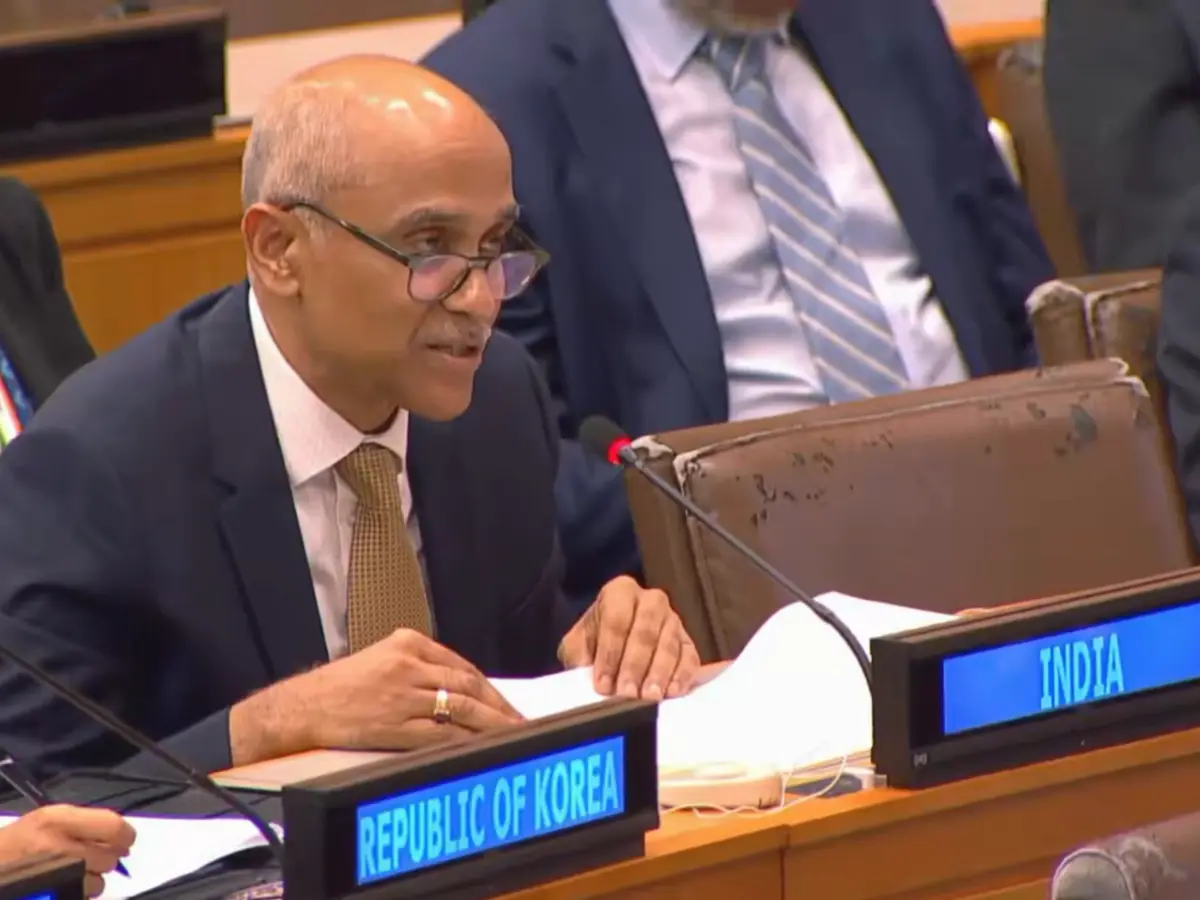)
Commercial ships must not be targeted, India tells UN amid West Asia conflict
&im=FitAndFill=(700,400))
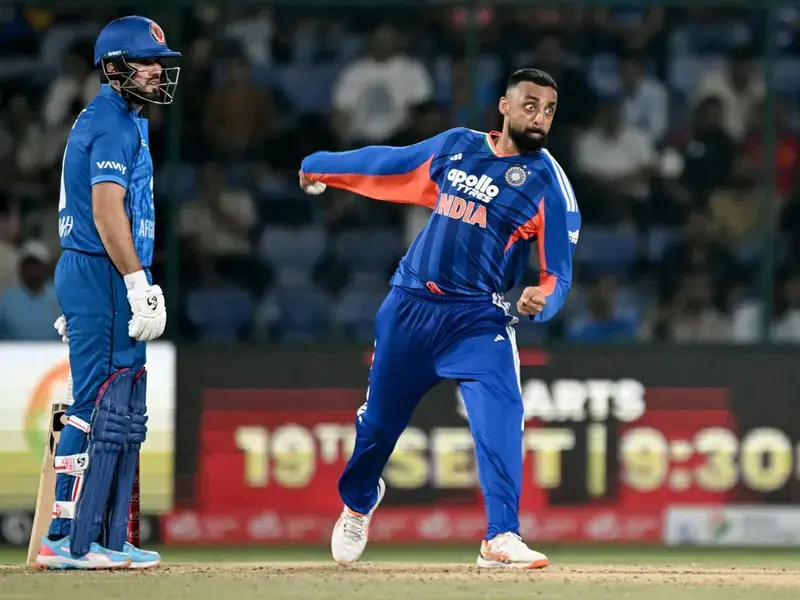
Meet top 5 bowlers in latest ICC T20I rankings
)
Ukraine plans record $109 bn defence spending, nearly two thirds of budget amid Russia war
&im=FitAndFill=(700,400))
Suriya and Jyothika say ‘I do’ again after 20 years! See their dreamy wedding pics
)
Cristiano Ronaldo returns to Portugal squad for Nations League under new coach
)
Laura Wolvaardt sets new world record for most WT20I runs in a year
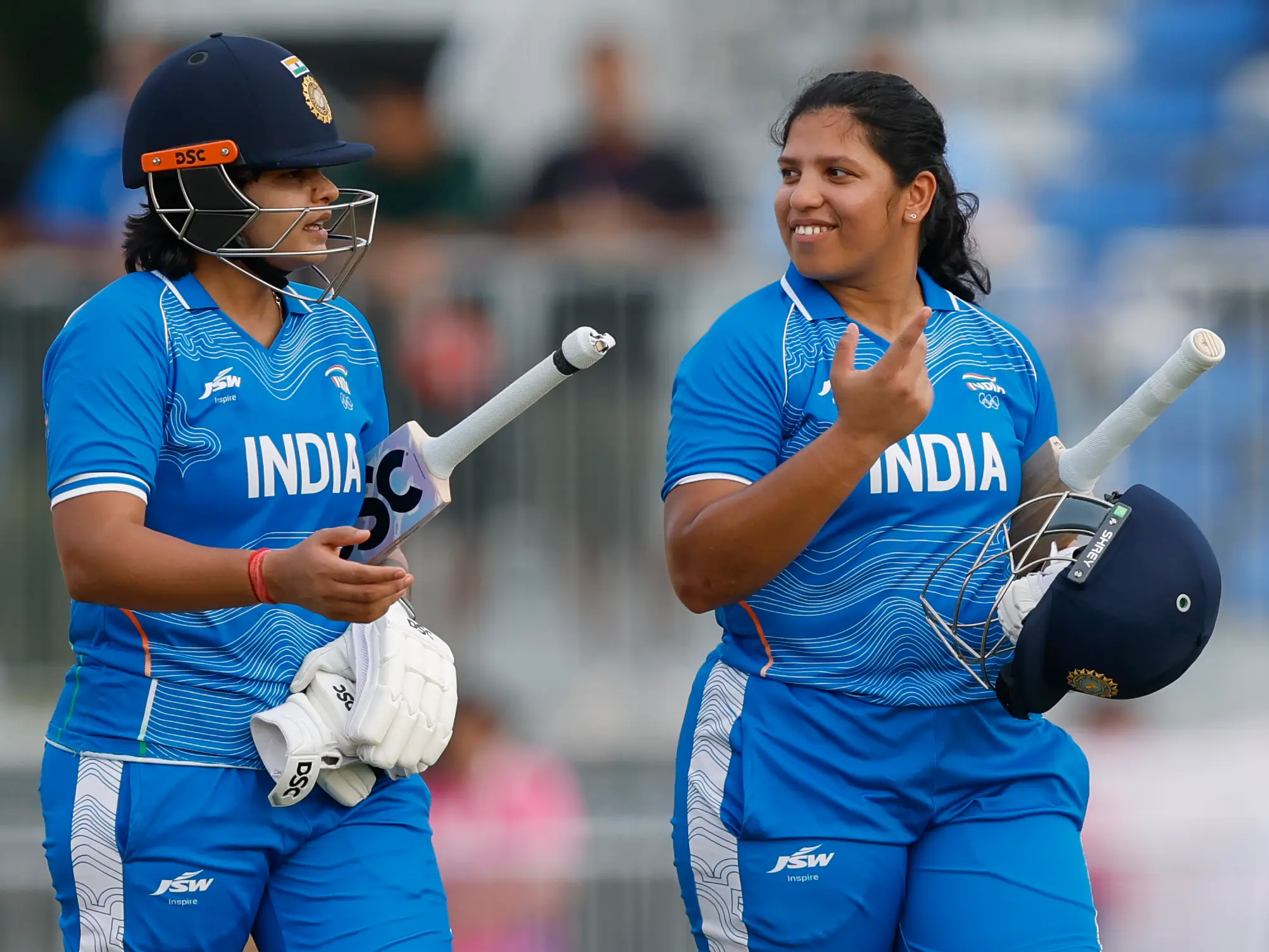)
Asian Games 2026: Shafali stars as India thump Japan by 8 wickets to book semis berth
)
'He will always be ahead': India coach Gambhir says Sooryavanshi won't walk into team ahead of Samson
The central bank also lowered its fiscal 2026 retail inflation forecast to 3.7 per cent from 4 per cent, citing the early arrival of monsoon rains and strong harvest expectations. Sanjay Malhotra, RBI governor, told a national daily that if inflation undershoots the central bank’s projections, it could create further space for policy easing.
Economists see scope for more cuts, but caution remains
While the latest inflation data has boosted hopes for further monetary easing, some economists caution that the RBI will likely take a measured approach.
Upasna Bhardwaj, economist at Kotak Mahindra Bank, told Reuters that, “While comfortable inflation opens room for further monetary easing, we expect the RBI to maintain a pause in the coming one-two meetings and remain watchful of the transmission ahead along with global uncertainties.”
Core inflation, an important gauge of underlying demand that excludes volatile food and energy prices was estimated at 4.4–4.5 per cent in June, up from 4.17–4.20 per cent in May, according to economists quoted by Reuters. India’s official statistics agency does not publish core inflation figures, but analysts track them closely to assess the persistence of price pressures beyond food and fuel.
The bottom line
June’s inflation reading offers a rare piece of good news for India’s policymakers, signalling that the central bank has regained room to manoeuvre after a year of battling price pressures.
But with core inflation still elevated and global risks looming, the RBI is expected to tread carefully, balancing the need to support growth with its commitment to price stability.