Hong Kong luxury retailers adapt as Chinese tourist spending declines

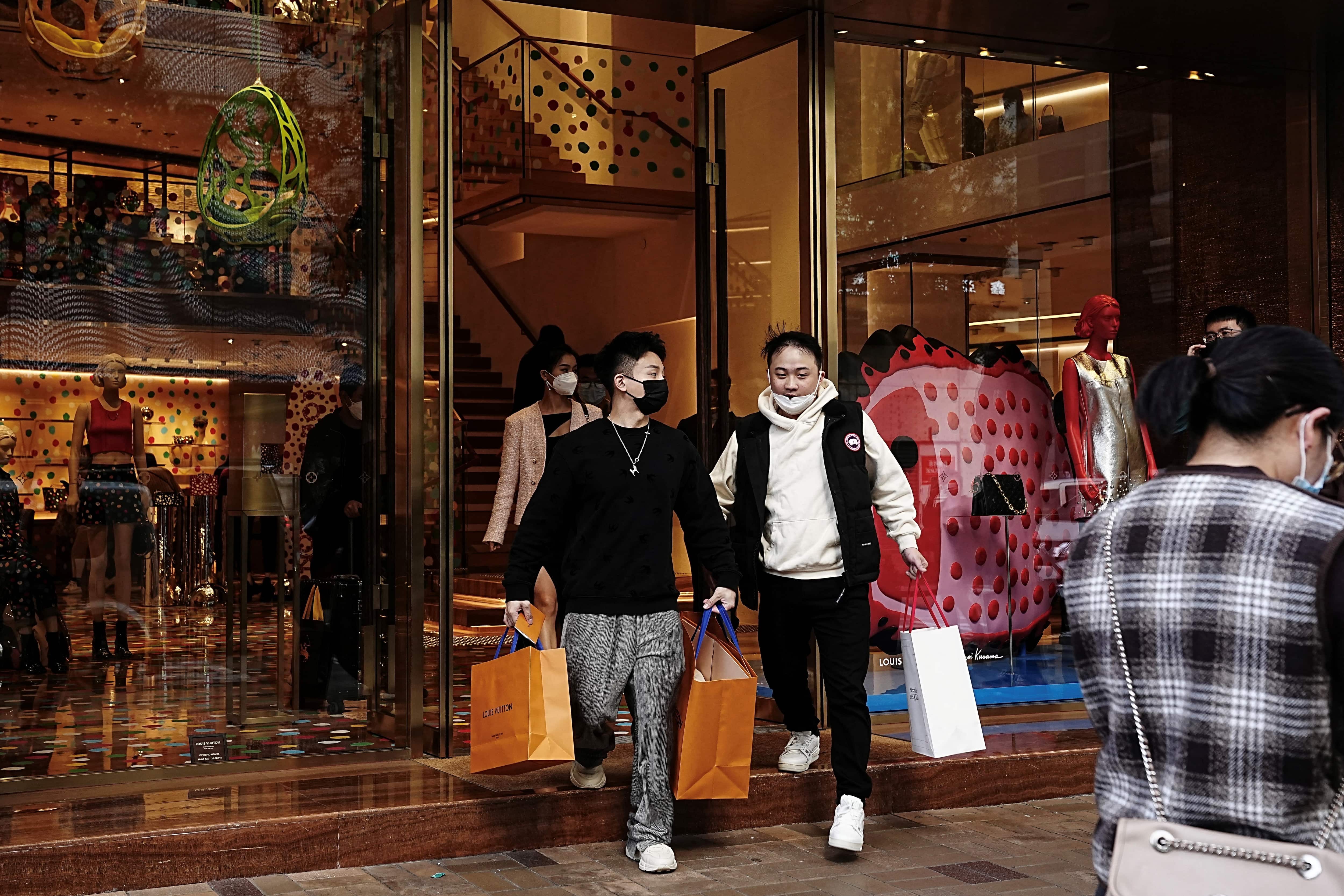
A shopper sits in front of a Clarins advertisement displayed at a Lane Crawford luxury store
Hong Kong's luxury retail sector is undergoing a transformation as the city adjusts to a decrease in high-spending Chinese tourists and a shift in consumer preferences. Once a global hub for multi-brand department stores and ultra-luxury brands, the city is now facing challenges from competing shopping destinations, changing consumer behaviour, and the rise of online shopping, impacting the demand for luxury goods in the region.
Shift in Visitor Focus: From shopping to experience
Before the pandemic, Hong Kong attracted high-spending mainland Chinese visitors, boosting its luxury retail sector. However, the focus of visitors has now shifted from extravagant shopping sprees to a greater desire for local culture and experience-based tourism, according to Rosanna Tang, an executive director at Cushman & Wakefield. Overnight and same-day visitor shopping spend has significantly decreased, prompting retailers to redirect their focus towards food and beverage outlets.

"The focus of visitors in Hong Kong has shifted from 'shop till you drop' to a greater desire for local culture and experience-based touring ," Reuters quoted Tang as saying.
Impact on Luxury Retailers: Harvey Nichols closes flagship store
British luxury department store Harvey Nichols, a symbol of Hong Kong's luxury retail scene, is at the forefront of these changes. Its owner, Dickson Concepts, recently announced the relinquishment of its lease on the flagship five-level store in the upscale Landmark mall after almost two decades. The company stated, "Chinese tourists coming to Hong Kong are no longer focused on shopping as they used to be before the pandemic."
)
Three labourers killed as DU student loses control of his car, rams into them on Dwarka Expressway
)
Pentagon revives mandatory testosterone testing for male troops aged 30 and above
)
FACT CHECK: Why did PM Modi ask Xi ‘is it okay’ at BRICS Summit? New video reveals...
)
India seeks to build a full semiconductor supply chain
&im=FitAndFill=(700,400))
From Abhishek Sharma to Sahil Chauhan, 5 batters with fastest T20I hundreds
)
Indian activist-lawyer Prashant Bhushan's post brings focus on ‘conflict of interest’ appointments of ex-govt officials at Reliance, Adani groups
)
US And Denmark reach Greenland deal, Trump announces expanded military presence
)
Former India player Diana Edulji wants Smriti Mandhana to replace Harman as skipper at the earliest
)
China may have gained access to US's classified F-35 jets; parts meant for repairs diverted to Hong Kong, sparking Pentagon inquiry
&im=FitAndFill=(700,400))
Meet top 5 batters in the latest ICC T20I Rankings
)
Godfather of AI Geoffrey Hinton gives US lawmakers a one-year warning on AI
)
Shivakumar attends 79th Kalyana Karnataka Utsav in Kalaburagi
)
Trump signs Russia sanctions law: India faces fresh 100% tariff threat over Russian oil
)
Why Ranveer Singh’s Dhurandhar missed India’s Oscar entry; FFI jury member reveals what happened
)
How did an Australian river with 500 crocodiles pass the Olympic test? Here's how
)
‘Will go to any extent’: Pakistan vows to defend Saudi Arabia amid Houthi attacks
)
'He will always be ahead': India coach Gambhir says Sooryavanshi won't walk into team ahead of Samson
)
The Verdict | When precision fails: US commits war crime in Minab school strike, UN finds
)
Trump signs Russia sanctions bill into law, targets Moscow’s energy sector
&im=FitAndFill=(700,400))
New Friday OTT releases (September 18, 2026): Lust Stories 3, You+Me, Best of the Best- 8 new titles coming on Netflix, Prime Video and more
)
Fast bowler Brydon Carse faces no charges over Derby nightclub incident
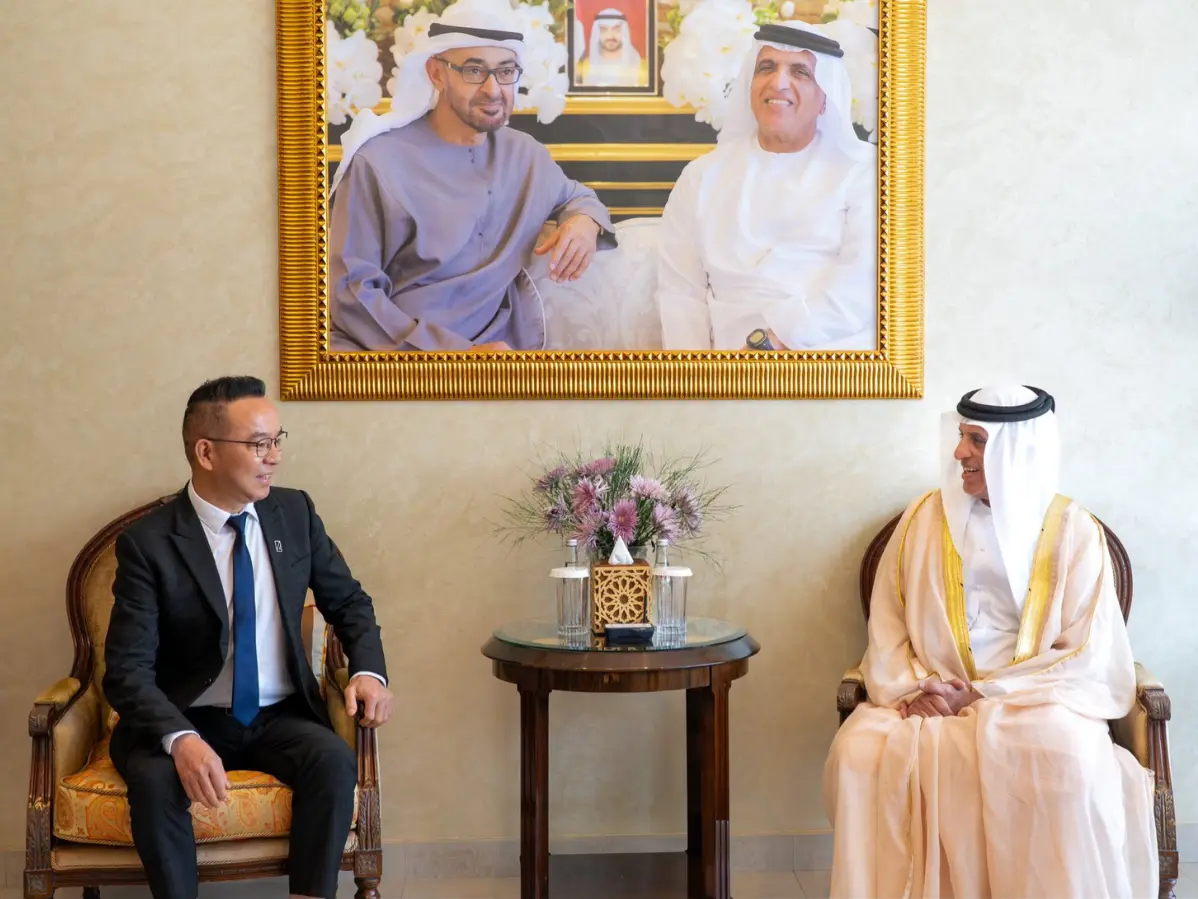)
Flying cars in UAE: Ras Al Khaimah signs deal with Chinese company to test new transport
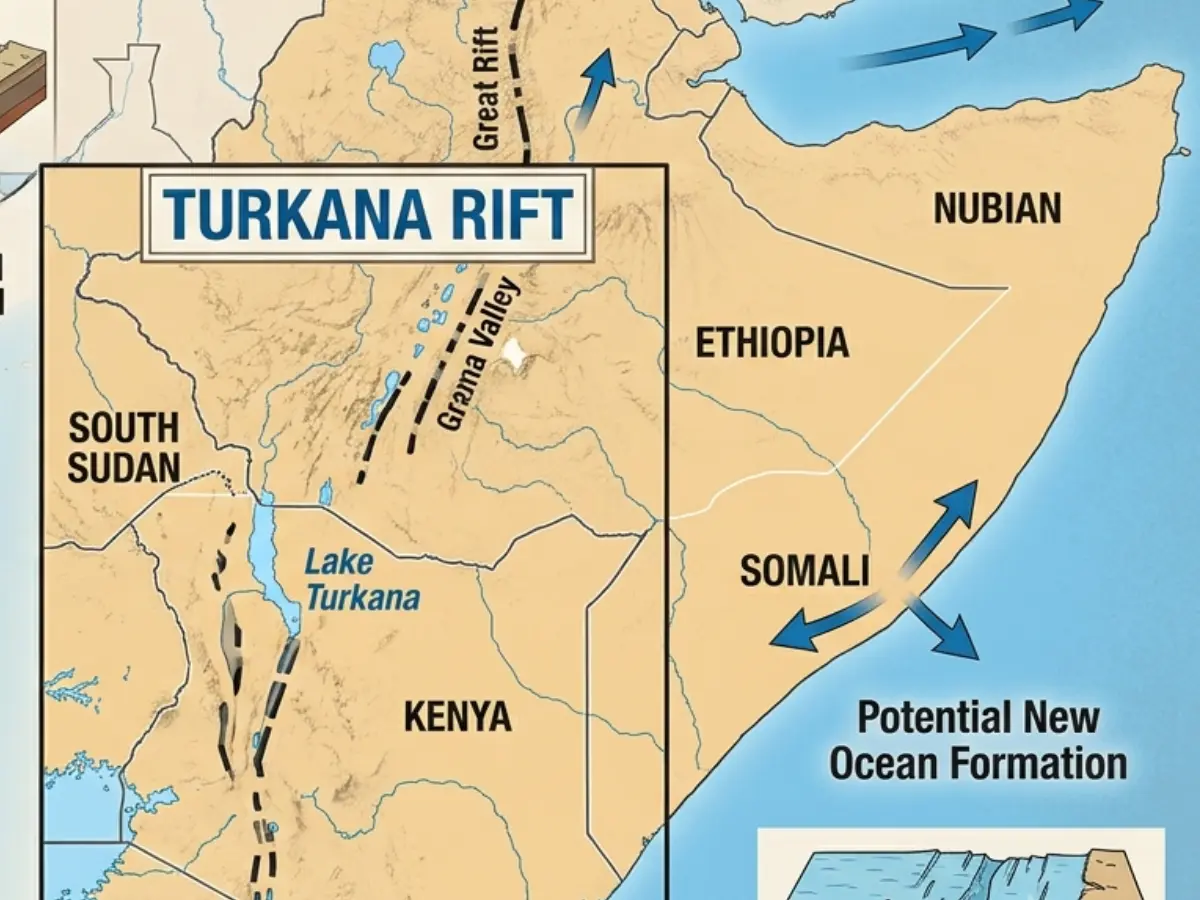)
Africa is splitting, and a lot sooner than estimated, giving way to a new ocean
)
'Gangsta' crab shoves knife blade at man and his dog in Florida - Watch
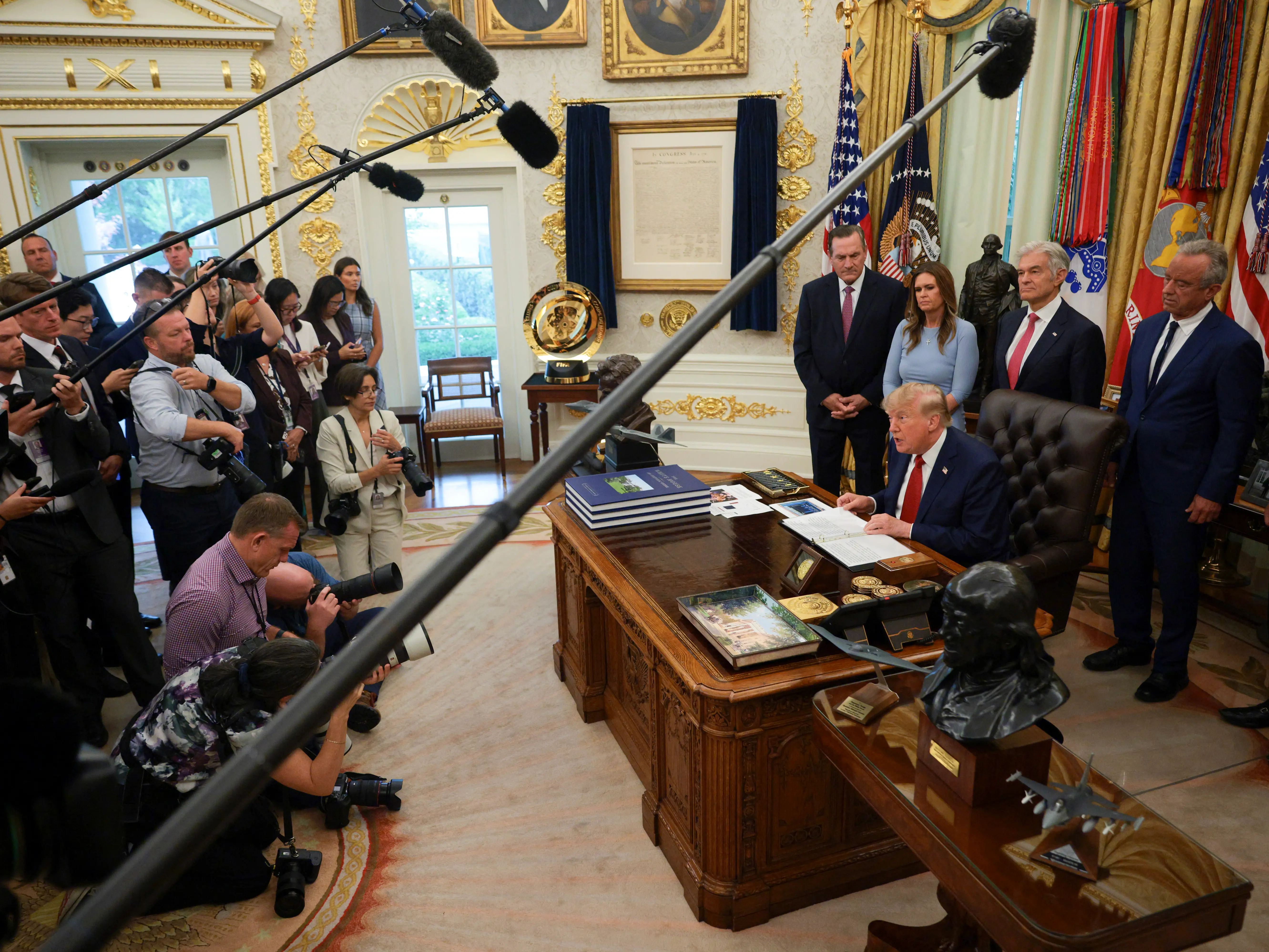)
Trump bans CNN, MS NOW and Politico from White House over ‘FAKE NEWS’
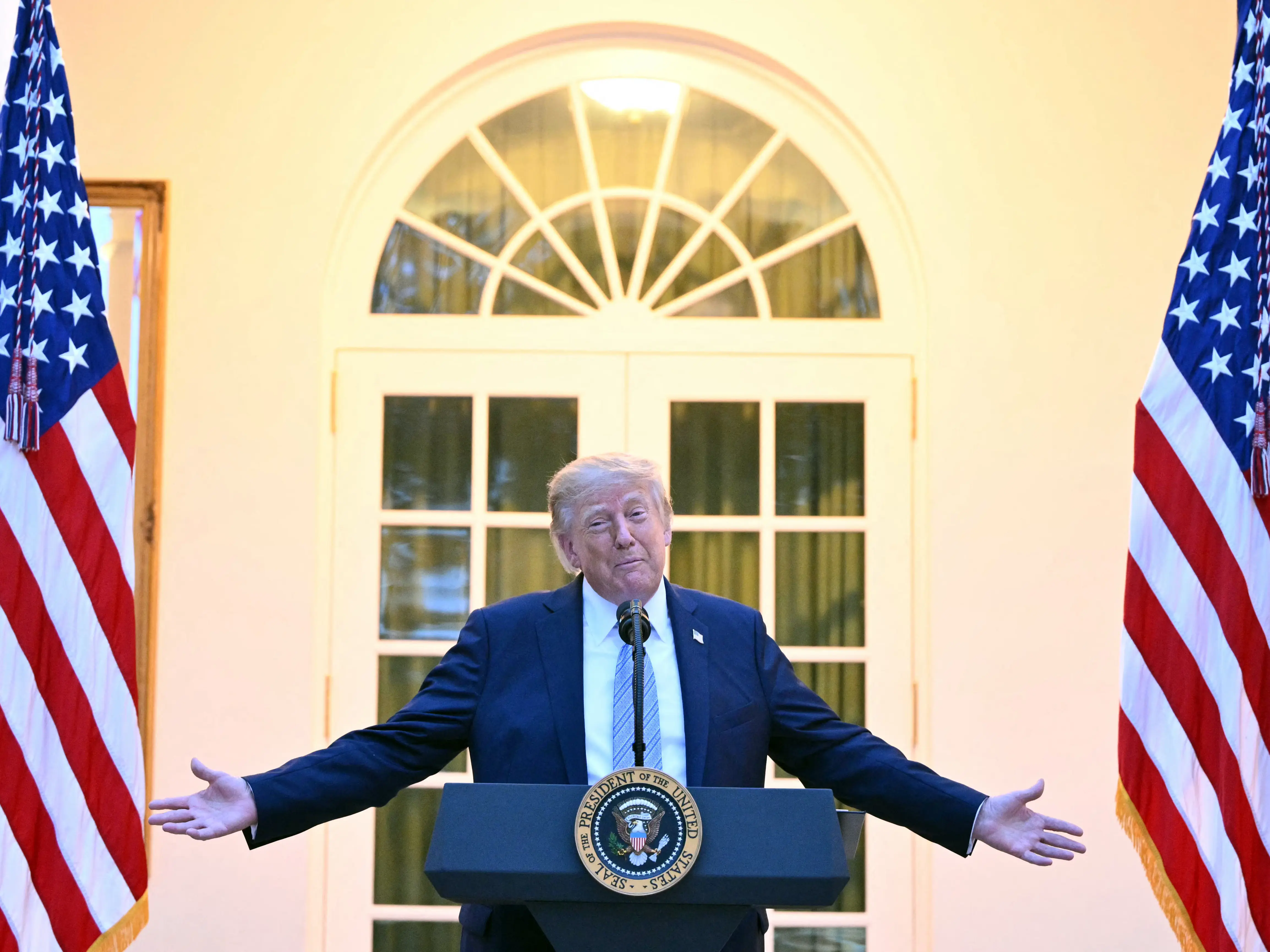)
Trump 2.0: Dark days ahead for America’s ‘imperial presidency’
)
Trump's Greenland dream comes true? POTUS announces 'Infinite Life' deal with Denmark, claims permanent US control
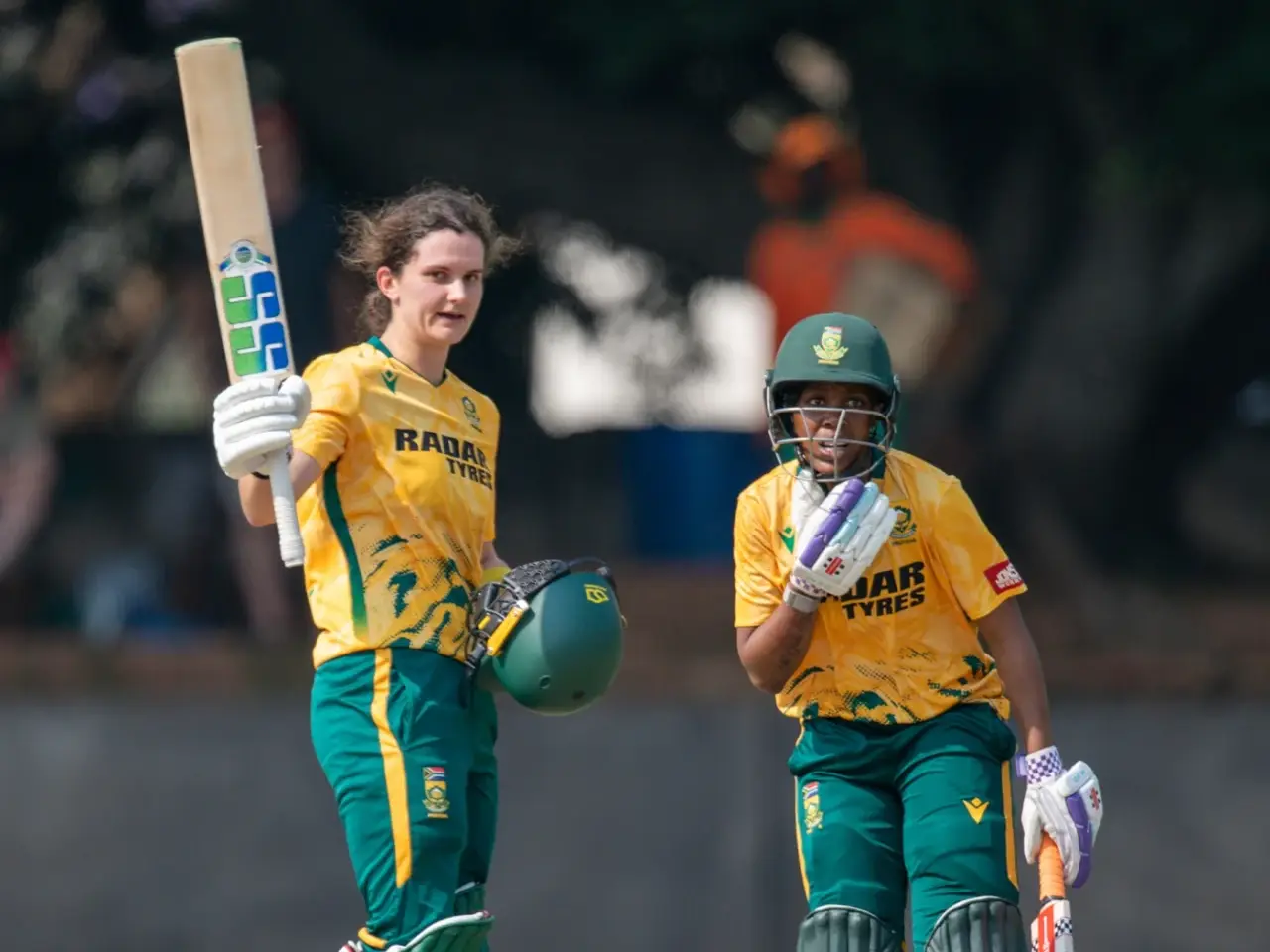)
Laura Wolvaardt sets new world record for most WT20I runs in a year
)
Drone strikes cooling tower at Russia's Kursk Nuclear Plant, IAEA confirms
)
Who is Khalilur Rahman? All you need to know about 81st UN General Assembly President
&im=FitAndFill=(700,400))
Meet top 5 bowlers in latest ICC T20I rankings
)
Ukraine plans record $109 bn defence spending, nearly two thirds of budget amid Russia war
)
Russia holds first parliamentary elections since the beginning of the Ukraine war
&im=FitAndFill=(700,400))
Meet top 5 Indian batters with fastest T20I centuries
Luxury retailers, including Valentino, Burberry, and LVMH's Tiffany, have also closed some of their stores in Hong Kong, where retail rents remain the highest in Asia despite a 40 per cent drop since 2019.
Government and Tourism Sector Response: A shift towards nature and leisure attractions
With total retail sales down about 20 per cent from 2018 levels, the government and tourism sector in Hong Kong are making efforts to reduce reliance on luxury spending by Chinese shoppers. Initiatives include promoting nature and leisure attractions, developing large-scale festivals, and green tourism projects in outlying islands. However, the effectiveness of these strategies remains uncertain as the city grapples with the aftermath of anti-government protests in 2019 and strict COVID-19 rules.
Luxury sector's repositioning and future prospects
Despite closures and challenges, Hong Kong has reclaimed its position as the number one location in per-capita spending on luxury goods in 2023, surpassing Switzerland and Singapore, according to Euromonitor International. The city is expected to recover to its pre-COVID personal luxury goods sales levels by mid-2024.
Caroline Reyl, Head of Premium Brands at Pictet Asset Management, anticipates improvement in the luxury sector but acknowledges the competition from China's Hainan island. She mentions, "There was probably some over-distribution in the past," suggesting that major luxury labels saturated Hong Kong with their stores. As some brands reduce exposure to Hong Kong, opportunities emerge for others to fill the void.
Luxury brands such as Louis Vuitton and Chanel remain optimistic about Hong Kong's future prospects. Louis Vuitton recently held a star-studded fashion show in the city, signalling a luxury renaissance. Chanel and other brands have opened new retail spaces, demonstrating confidence in the city's resilience despite current challenges.
While property developer Hong Kong Land reports a return to pre-pandemic levels in tenant sales and footfall in its city centre malls, the closure of Harvey Nichols highlights the changing dynamics in the luxury retail landscape.
(With inputs from Reuters)
WATCH WION LIVE HERE