Global fight against inflation nearly won, but new risks emerge, says IMF


International Monetary Fund (IMF), (Source: Reuters)
The International Monetary Fund (IMF) has announced a significant update regarding the global economy's ongoing battle against inflation. In a recent report, the IMF stated that while the fight against inflation is "almost won," several emerging risks could threaten this progress.
The findings come as global inflation rates are projected to decline, yet concerns about geopolitical tensions and economic slowdowns in key markets remain prevalent as detailed in a report by CNBC.
Inflation rates on the decline

According to the IMF's latest forecasts, global headline inflation will fall to 3.5 per cent on an annual basis by the end of 2025, from an average 5.8 per cent in 2024, the agency said in its World Economic Outlook released on October 22.
“The global battle against inflation is almost won,” the IMF report stated, even as it called for “a policy triple pivot” to address interest rates, government spending, and reforms and investment to boost productivity.
Inflation peaked at a year-over-year rate of 9.4 per cent in the third quarter of 2022. The year-end 2025 rate is slightly below the average annual rise in prices in the two decades before the Covid-19 pandemic. This positive trend is largely attributed to tighter monetary policies implemented by central banks worldwide, which have begun to show results in curbing rising prices.
)
Trump says he'll build an 'AI Force' and appoint a czar, for 'high IQ' people only
&im=FitAndFill=(700,400))
What TSMC's 2nm technology means for Apple
)
Sikh bus driver assaulted, bus stolen and rammed into cars in England; video surfaces
)
Mark Carney mimics Trump in hilarious moment over C$70 billion clean-energy investment; room erupts in laughter
&im=FitAndFill=(700,400))
Top 10 countries in mathematics: See the world’s best performers in 2026
)
Trump signs Russia sanction bill. How will it impact India? WION Explains
)
BTS' fans question iHeartRadio’s treatment of group after brief festival set
)
Asian Games 2026: India win first medal as women’s 10m air rifle team claims silver
)
Samsung raises Galaxy S26 prices by Rs 20,000: Here’s what each model now costs
)
Trump defends AI amid growing alarm, announces new 'AI force' and promises an 'AI czar'
)
Iran sets 7 conditions to end war with US: What are Tehran’s demands?
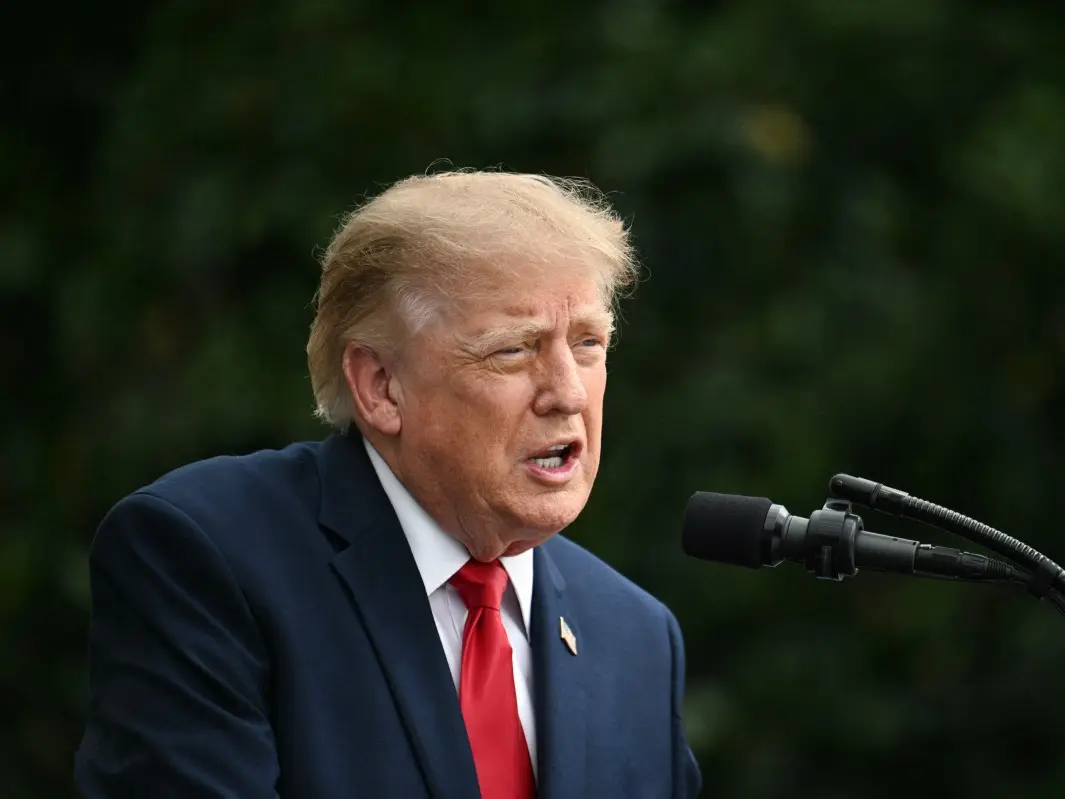)
Trump announces ‘AI Force’ as debate grows over AI risks and regulation
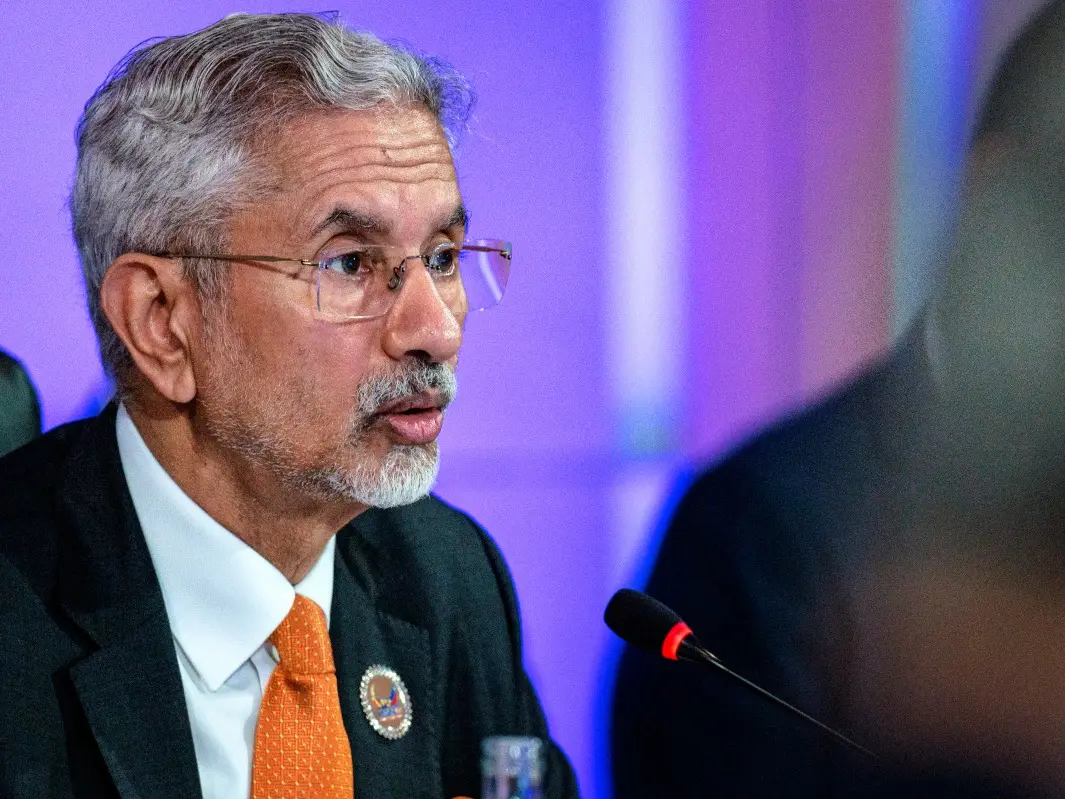)
S Jaishankar, former Army chief among high-profile names issued Delhi SIR notices
)
Israeli President pardons combat medic who shot dead a badly wounded Palestinian attacker
)
Arvind Kejriwal, family members, Delhi CM Rekha Gupta get SIR notices
)
AI actress Tilly Norwood glitches mid-interview, switches from English to Chinese | Watch
)
Saudi vs Houthis: Houthis claim missiles & drones used in attack on key Saudi sites
)
Ed Sheeran addresses Macklemore's removal, Gaza conflict during Philadelphia concert: 'I cannot hide how I feel'
)
Saudi Arabia exits China-led mBridge digital currency platform amid Saudi-Houthi conflict
)
Italy to ban burqa and hijab in schools, limit foreign students per class: PM Giorgia Meloni
)
'Lot of things to learn from experienced players': Jayasuriya backs Rohit, Virat for 2027 ODI World Cup
)
9 women found dead near Johannesburg: South Africans rally, demand 'enough' to femicide
)
North Korea's nuclear tests triggered 1,399 earthquakes: Earth is still shaking | Gravitas
)
Several petrol pumps, other businesses to refuse UPI payments above Rs 2,000 from Oct 16: Is it legal?
)
Kampala-Ankara rift deepens: Uganda suspends military ties, seeks Fred Lumbuye's extradition
)
AUS vs ZIM, 3rd ODI: Ellis stars as Australia edge Zimbabwe by one wicket in last-over thriller
)
West Indies Squad for India Series: Hetmyer included for T20Is, Holder rested
)
China now makes advanced memory chips without the machines it was banned from buying
)
Harry Brook targets long reign at top of T20I rankings after Sri Lanka sweep
)
Trump in ‘deciding mode’ on Iran, says ‘very big things’ going to happen soon
)
$5 million bounty, US sanctions: Drug-cartel boss Christy Kinahan faces Dubai exit after UAE cancels his visa
)
Munich Mayor taps first keg to kick off Oktoberfest
)
Bigg Boss 20: Who Is Rohed Khan? Meet the Austrian actor from Bade Miyan Chote Miyan
)
AI safety debate: Trump says he will not tolerate attempts to slow AI growth
Pierre-Olivier Gourinchas, the IMF's chief economist, expressed optimism about the global economy's trajectory. He noted that advanced economies, particularly the United States and the Eurozone, are expected to lead this recovery, the CNBC report detailed further.
The US economy has already surpassed its pre-pandemic growth levels, while the Eurozone shows promising signs of recovery after a challenging period. He further stated that, “Despite the good news on inflation, downside risks are increasing and now dominate the outlook.”
Emerging risks threatening progress
Despite these optimistic projections, Gourinchas warned of several downside risks that could hinder economic stability. Notably, China's economic performance has been under scrutiny due to ongoing challenges in its property market and consumer confidence issues. The IMF highlighted that any slowdown in China could have ripple effects on global trade partners.
Other risks include potential price spikes driven by geopolitical tensions and trade disputes. As central banks navigate these complexities, they must also manage interest rates carefully to avoid stifling growth or allowing inflation to resurge.
The global growth estimate for 2024 and 2025 according to the fund is expected to be 3.2 per cent. IMF believes that this rate is stable but still remains underwhelming. The United States is now forecast to see faster growth, along with strong expansions are also likely in emerging Asian economies as a result of robust artificial intelligence-related investments.
Still, the IMF lowered its outlook for other advanced economies, notably the largest European nations, as well as several emerging markets, blaming escalating global conflicts and ensuing risk to commodity prices.
The report underlines the importance of fiscal policy adjustments as countries strive for sustainable growth. Gourinchas emphasised that while central banks are crucial in managing inflation, governments must also focus on medium-term fiscal consolidation to ensure budgetary flexibility and sustainable debt levels.
Looking ahead: A cautious optimism
While the IMF's five-year forecast projects global growth at a modest 3.1 per cent, representing the lowest level in decades, there are reasons for cautious optimism. The anticipated decline in inflation rates could provide a more stable environment for investment and consumer spending. It is important to note that, structural headwinds such as low productivity and aging populations are also limiting growth prospects.
The report also identifies potential growth drivers such as advancements in technology and looser fiscal policies that could bolster economic activity moving forward. However, as central banks deliberate on future interest rate adjustments, their decisions will be pivotal in shaping the economic landscape.
Therefore, while the IMF's report indicates substantial progress in combating inflation globally, it also serves as a reminder of the numerous challenges that lie ahead. Policymakers must remain vigilant and adaptable to ensure sustained economic growth amidst evolving risks and uncertainties.
