Global economy faces hurdles as IMF Chief flags low growth and high debt concerns

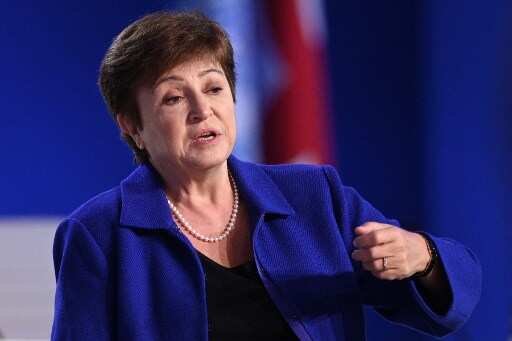
Kristalina Georgieva, IMF Chief
The global economy faces increasing challenges as low growth and mounting debt continue to weigh on financial stability, according to the International Monetary Fund (IMF) Managing Director Kristalina Georgieva as detailed by her in her conversation withCNBC.
Speaking at a recent forum, Georgieva urged world leaders to take decisive action, stressing that these factors pose significant risks to both developed and emerging economies.
Growth stagnation and rising debt levels

Georgieva highlighted that global economic growth remains sluggish, hovering below its potential, primarily due to the pandemic’s lingering effects, inflationary pressures, and geopolitical tensions. “We are navigating a complicated environment where risks are high, and the outlook is uncertain,” she stated, emphasising the need for a concerted effort to restore economic resilience.
While countries are making strides in recovery, many have resorted to increased borrowing to stimulate their economies. This has resulted in escalating public debt levels, which could hinder sustainable growth in the long term. The IMF estimates that global debt levels surged to nearly 100 per cent of the global GDP during the pandemic, straining fiscal policies worldwide.
Georgieva cautioned that without effective management, these debts could result in prolonged financial distress for several countries. “The danger is that high debt levels can choke growth, making it harder for governments to invest in vital sectors such as healthcare, education, and infrastructure,” she added.
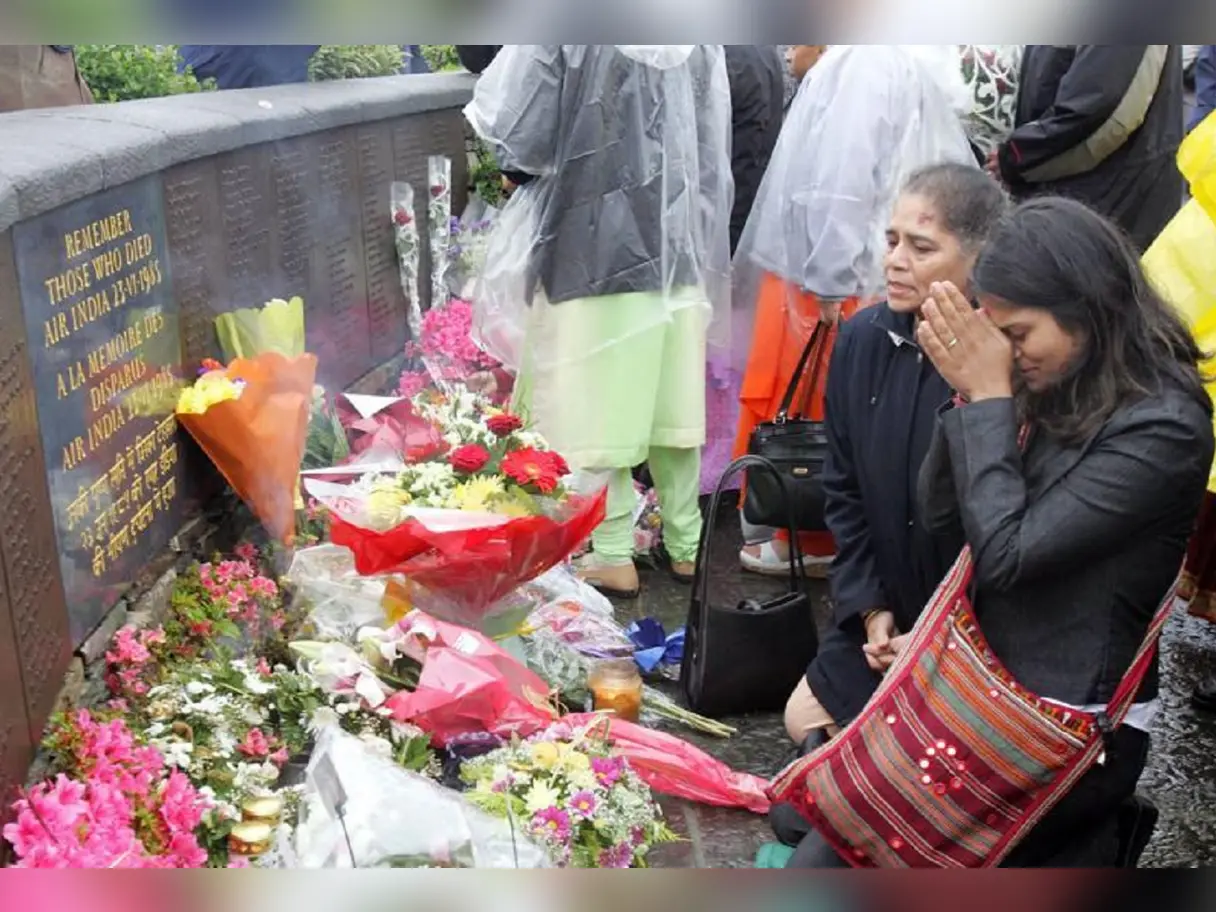)
Justice eludes Air India 1985 bombing victims as Canada probe goes 'inactive' | Gravitas
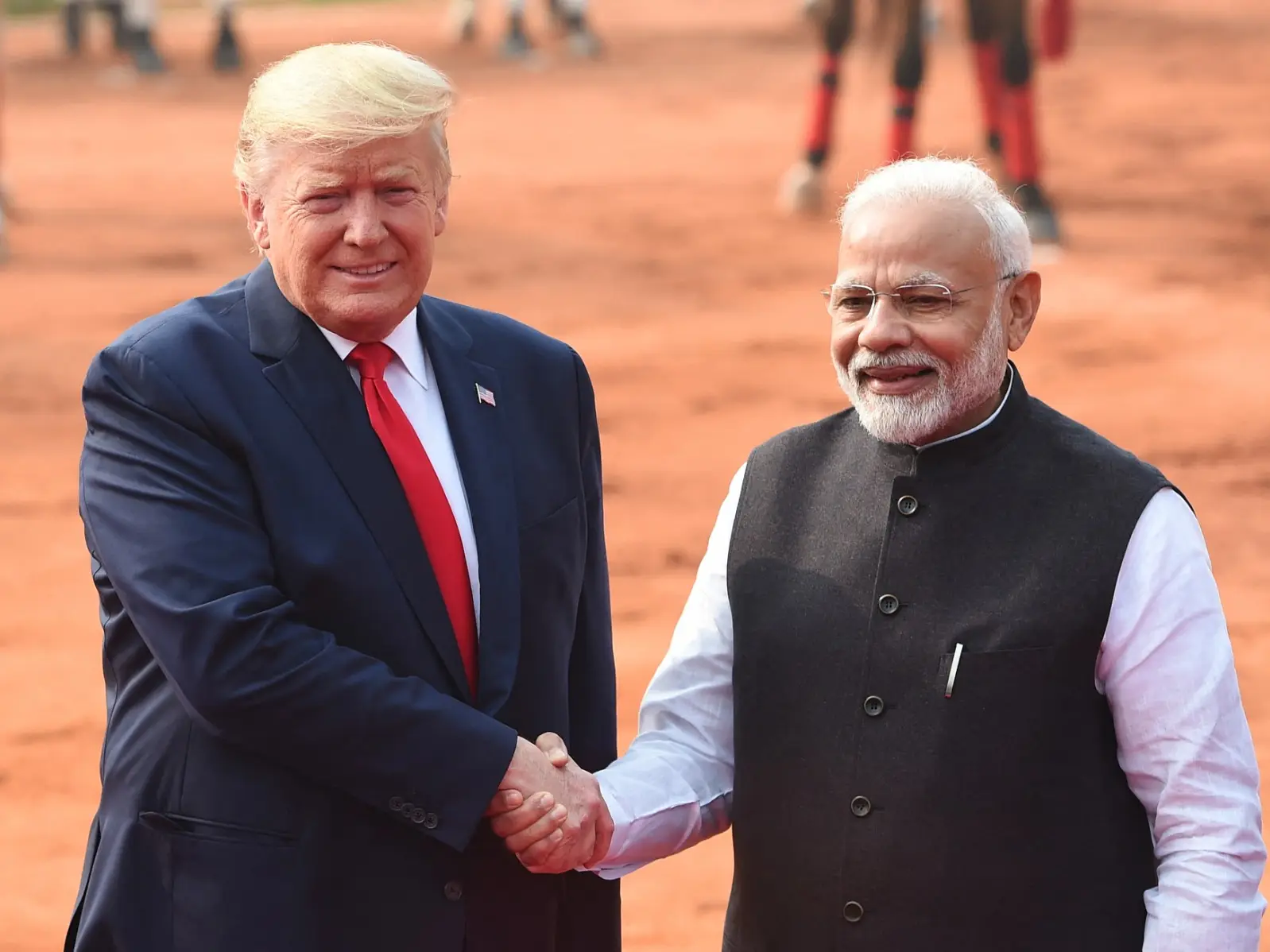)
Trump revives India-Middle East-Europe economic corridor as India emerges central to West Asia’s future: What is it?
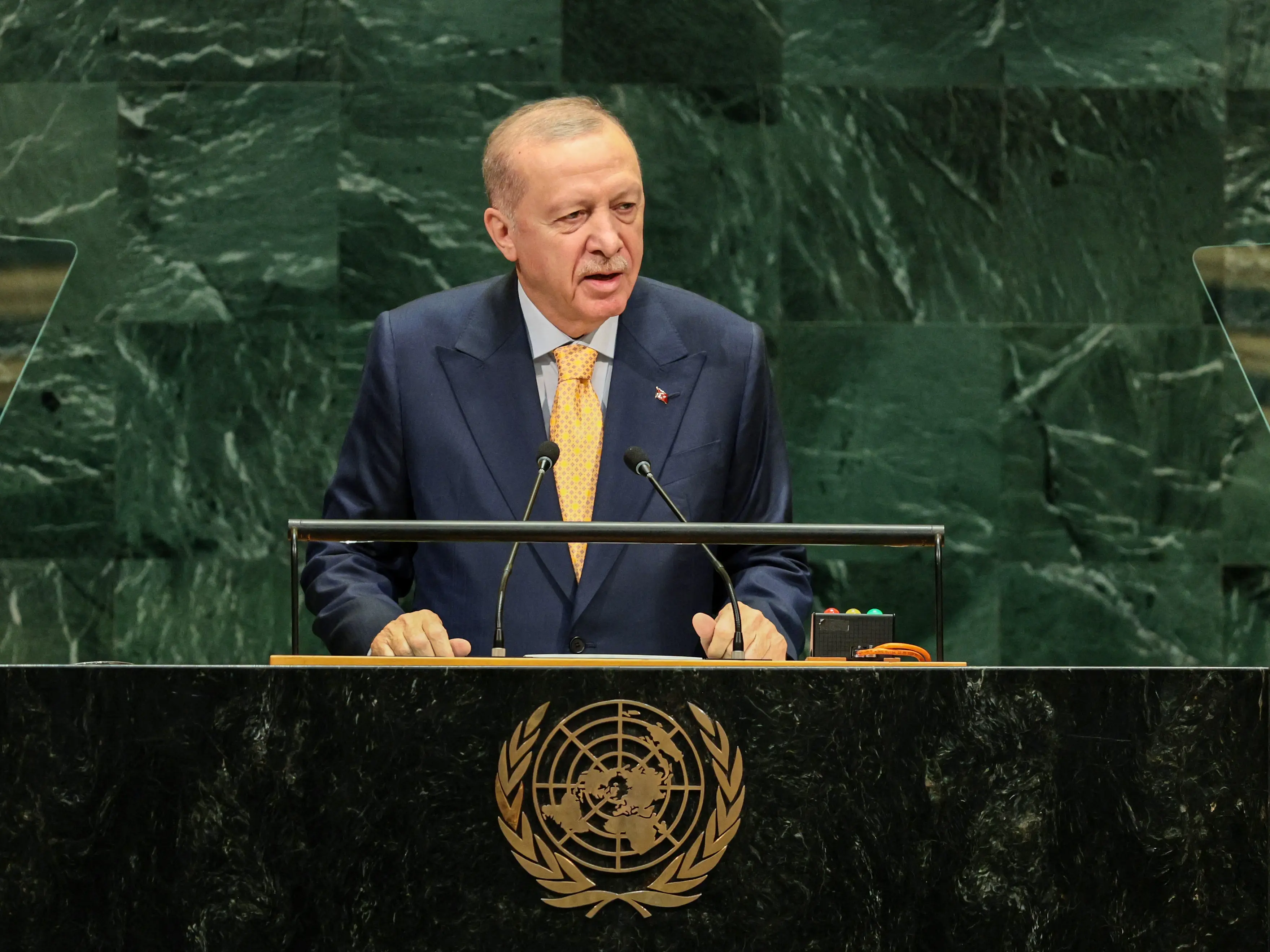)
Erdogan again raises Kashmir issue at UNGA, calls for dialogue under UN Charter
)
Four decades after leaving Kolkata, the Birlas may be coming back for more
)
The Verdict | Moral policing isn’t culture or discipline, it’s crime
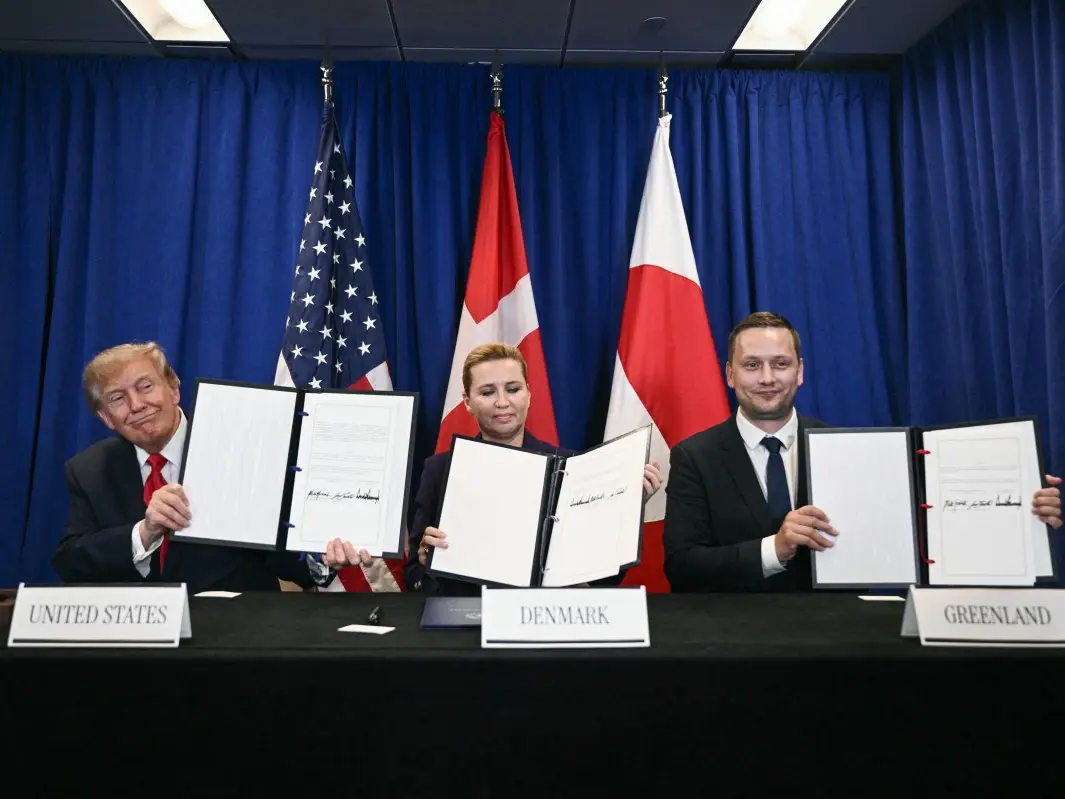)
Trump signs Greenland security deal with Denmark, paving way for two new US military bases
)
Major League Soccer referee sacked for sexist comment about female match referee
)
IND vs JPN T20I: How an overturned wide became point of difference between India's win and a tie
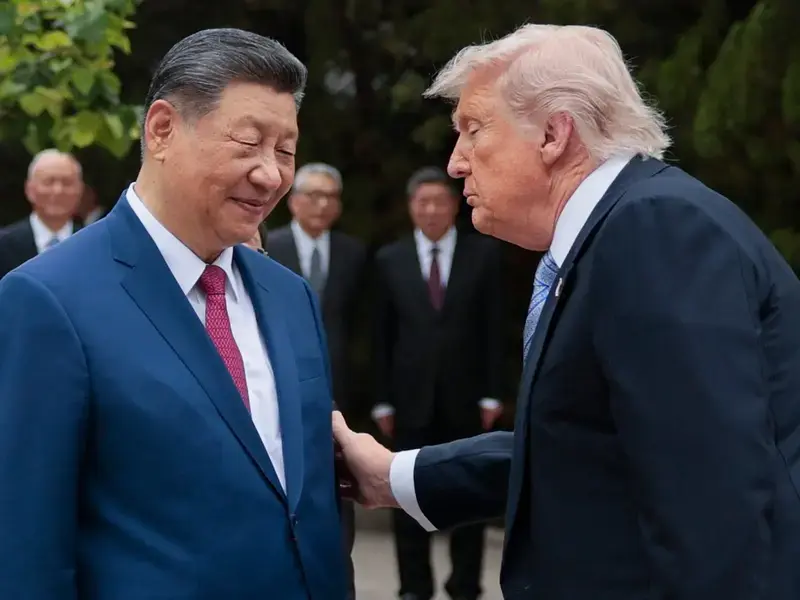)
Trump-Xi summit: From trade to Taiwan, what will the US and Chinese presidents discuss in Washington?
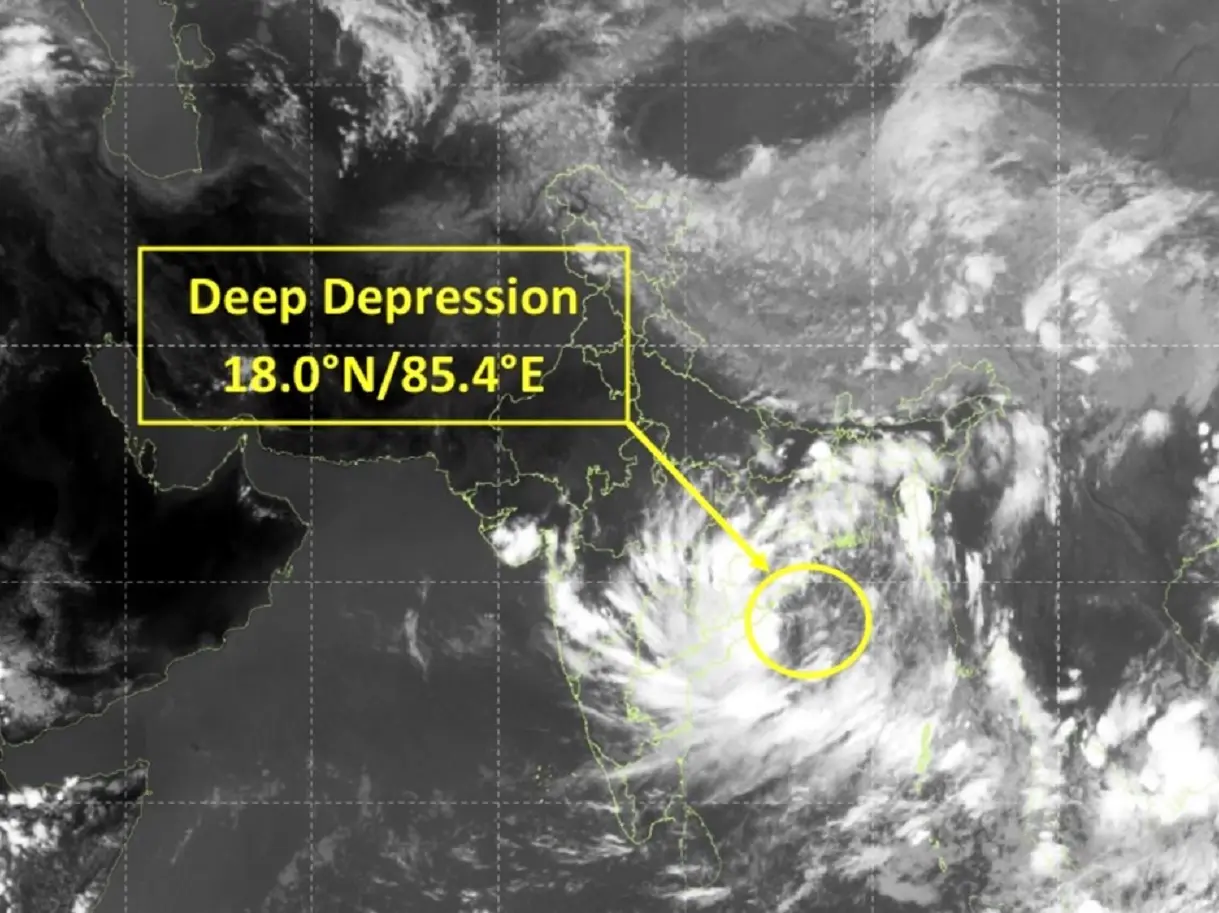)
Cyclone Arnab: Landfall expected before midnight tomorrow as IMD issues orange alerts across six states
)
Glitch in the matrix caught on camera: Woman vanishes after talking to reporter
)
ICC plans T20I expansion and fewer ODIs in 2027–2031 FTP cycle: Report
)
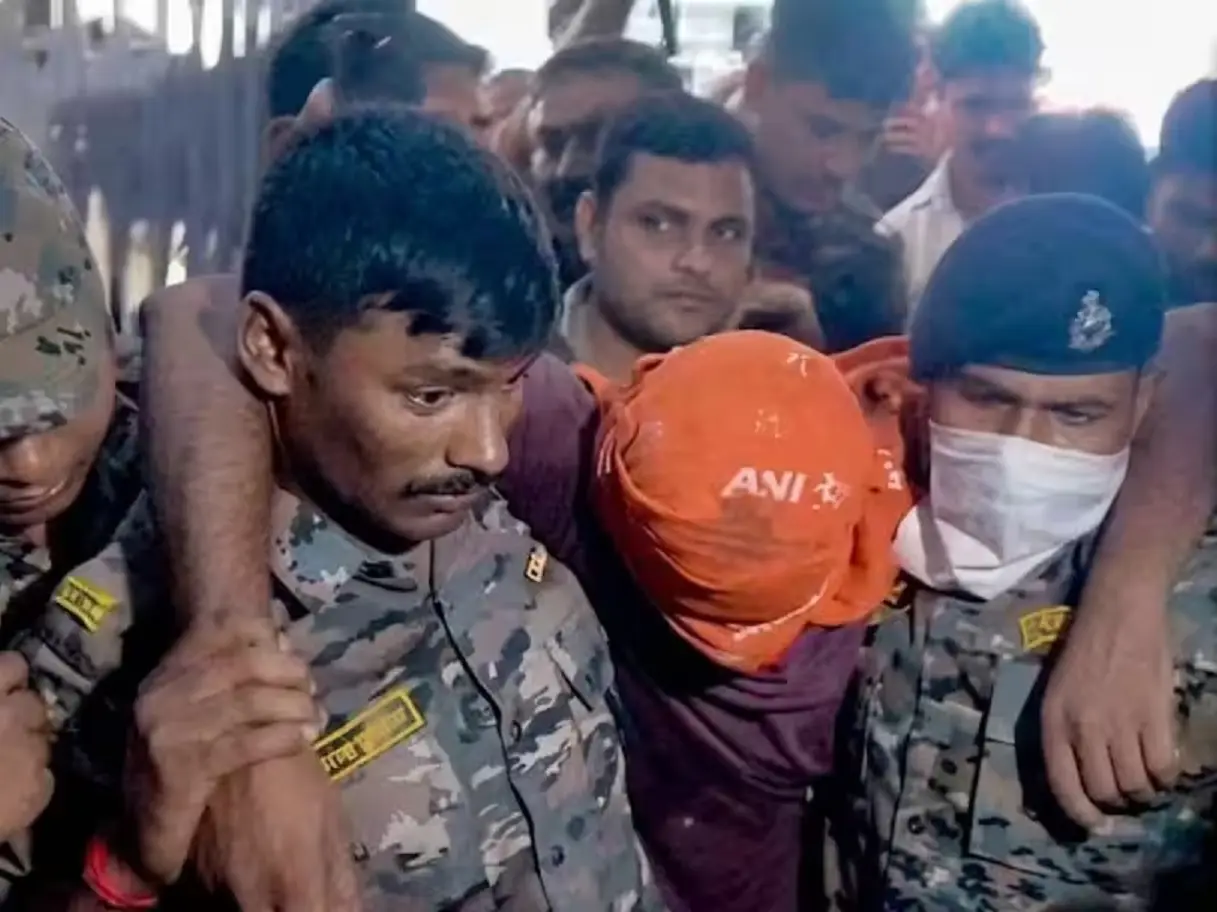
Key accused in Bihar's Jamui molestation case, arrested after police shoot him in leg
)
'Mumma’s boy from Gwalior who dared to dream': Kartik Aaryan pens long note after first National Award win
)
Gravitas | Boosting NHS productivity could save 20,600 lives in UK annually: Report
)
US and China vie for AI dominance as calls grow for regulation | Gravitas
)
Yemen clashes kill 154 people in two days as cornered Saudi battles Houthi offensive | Gravitas
)
Bomb scare in New York amid UNGA: Suspicious suitcase found near UN headquarters
)
IND vs JPN, one-off T20I: Japan captain Kendel on pushing India to the brink - ‘It was special’
)
Raaka creates history! Allu Arjun’s film secures Guinness World Record ahead of release
)
Saudi Arabia exits China-led mBridge digital currency platform amid Saudi-Houthi conflict
)
WION Iconic Tourism Summit and Awards 2026: Key voices to discuss India’s tourism future
)
World leaders repeatedly call Gaza crisis ‘genocide’ as Israel’s war dominates opening sessions of UNGA
)
WION Iconic Tourism Summit and Iconic Awards 2026: India's travel economy leaders gather in Delhi
)
American manufacturing is reshoring faster than its factory floors can absorb
&im=FitAndFill=(700,400))
New OTT releases this week (September 21-27, 2026): Shaque: Trust No One, Hunkkaar, Don’t Be Shy- 5 new titles coming to Netflix, Prime Video and more
)
81st UN General Assembly: Burnham announces UK-US AI defence tie-up
)
Trump calls on nations to quit ‘rogue’ and ‘out-of-control’ International Criminal Court, rips UN
)
Who is Clavicular? The 20-year-old controversial 'Looksmaxxing' influencer charged with rape allegations
)
IIT Bombay professor Suryanarayana Doolla sent on leave amid Sahil Wakode death probe
)
'This is normally what toddlers do': Why a psychiatrist is raising fresh questions about Trump’s recent behaviour
&im=FitAndFill=(700,400))
National Film Awards 2026: Kartik Aaryan, Mammootty, Yami Gautam, Randeep Hooda and other key winners
)
‘Strike a deal or drive Iran into hell’: Trump issues fresh warning to Tehran at UNGA
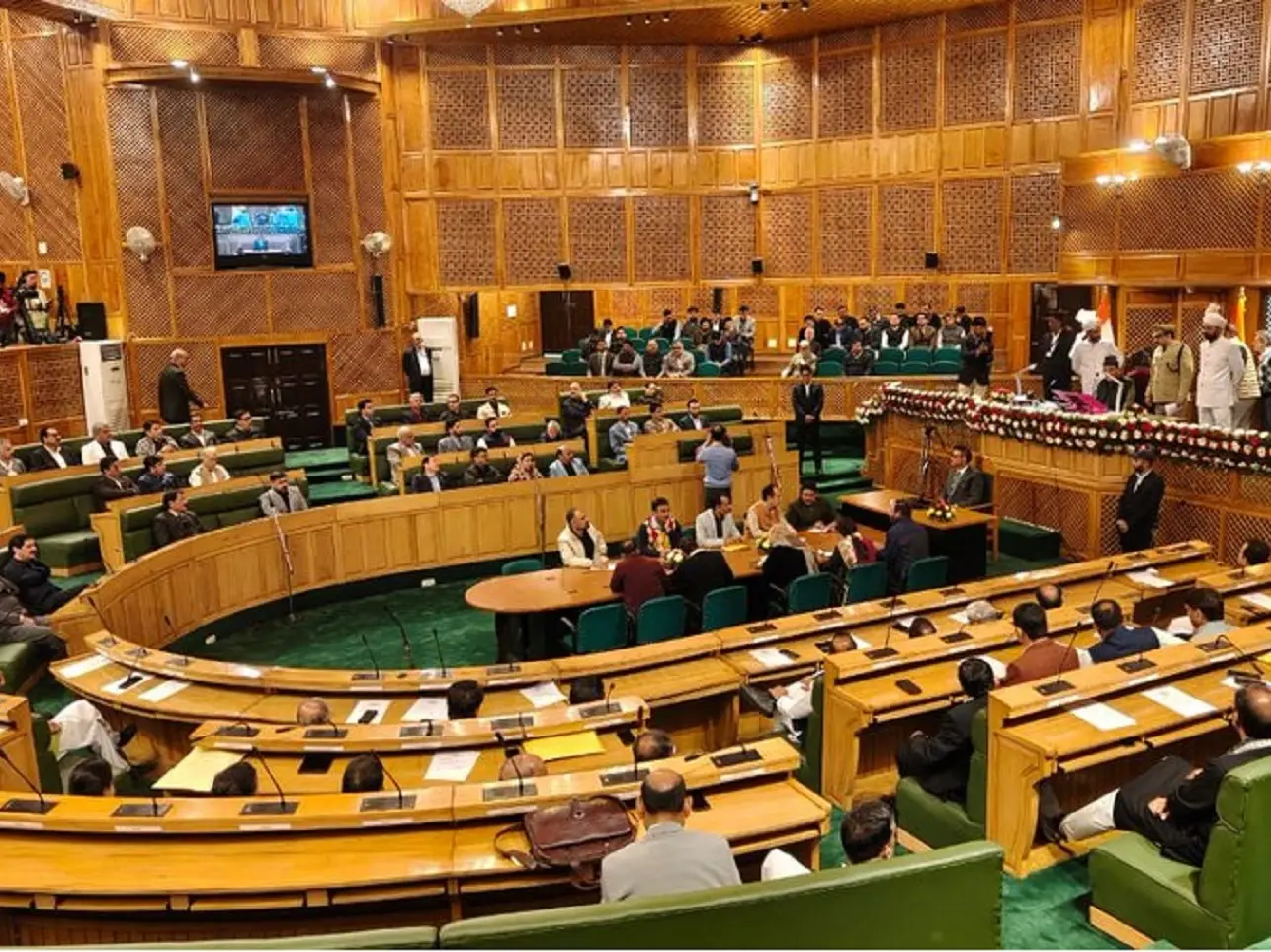)
Over 4,200 books withdrawn from circulation in J&K colleges, 94% from Kashmir
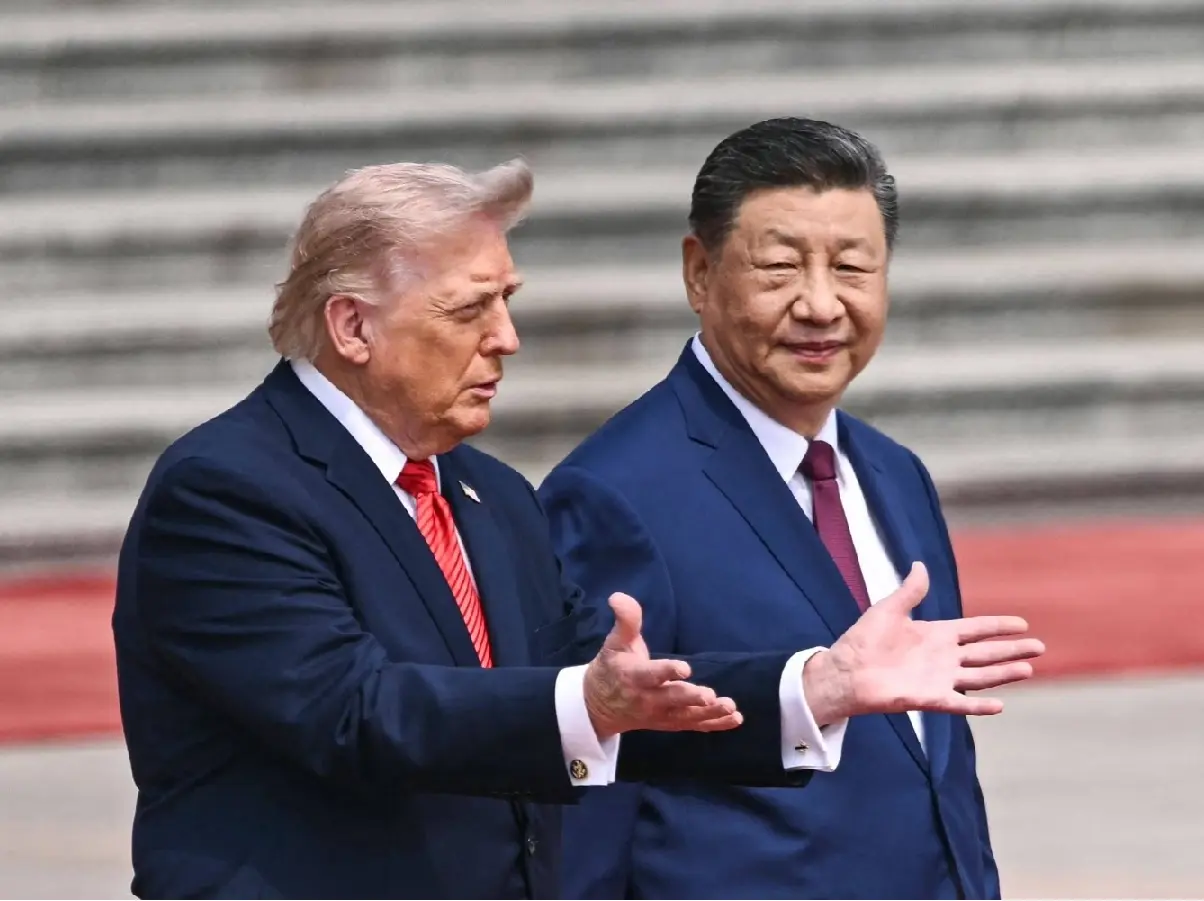)
Explainer: Why rare-earth export licences and Board of Trade are US priorities ahead of Trump-Xi summit
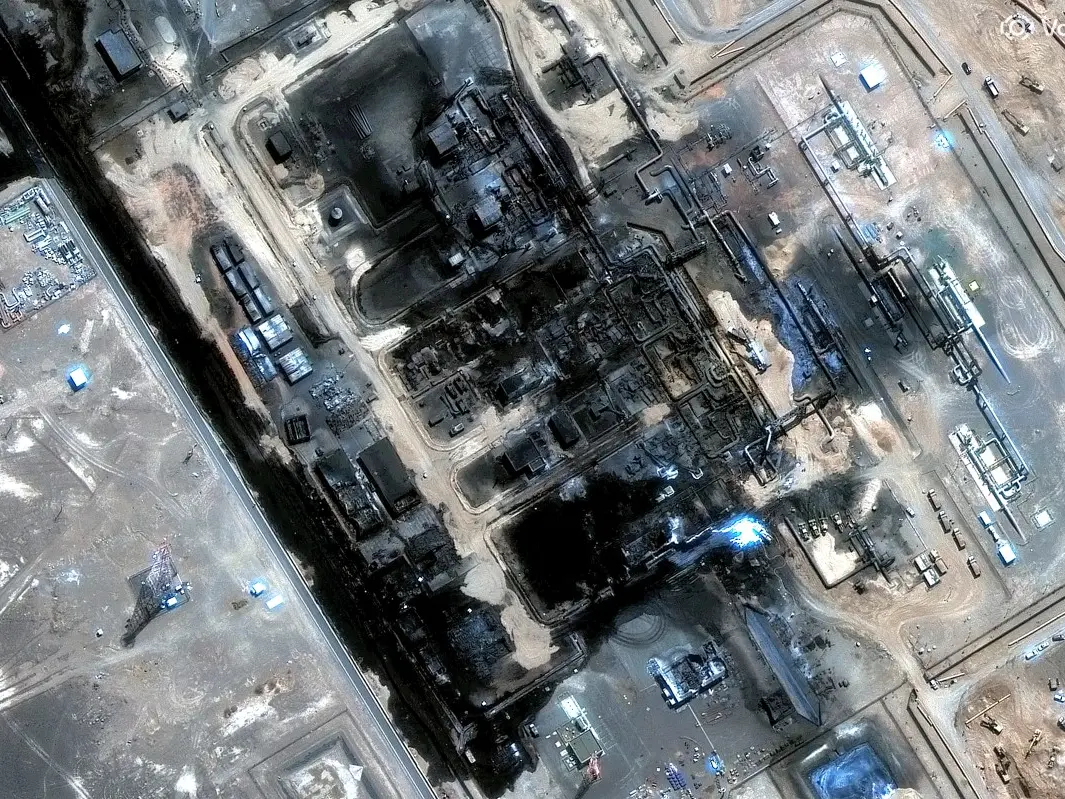)
Oil slips to $98 as Saudi Arabia restarts East-West oil pipeline
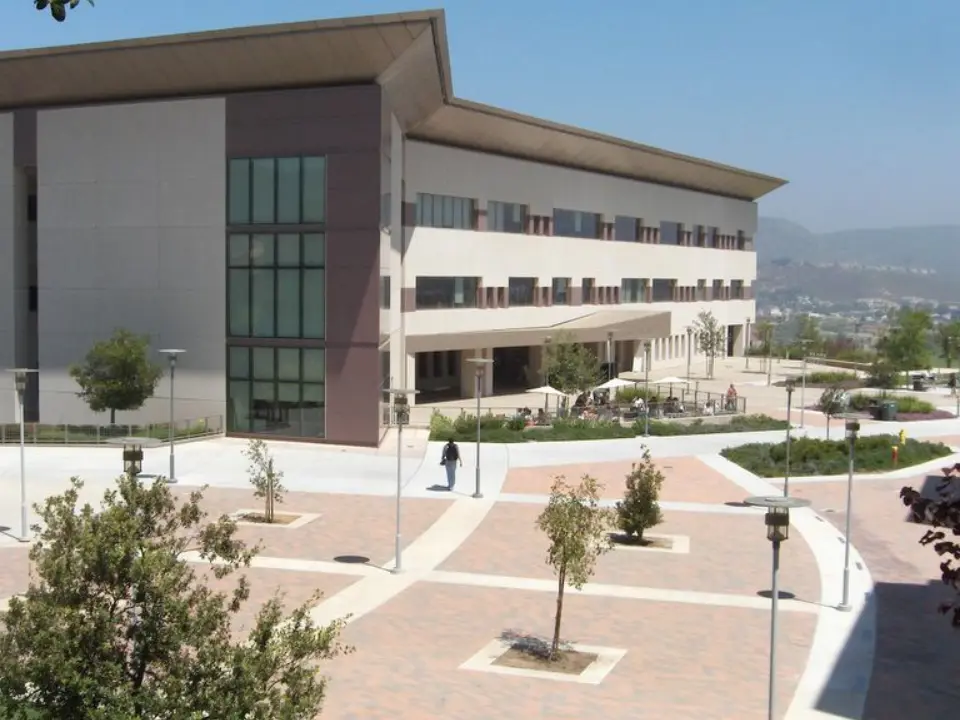)
Four female students raped during 'Red Zone' at California university. What we know
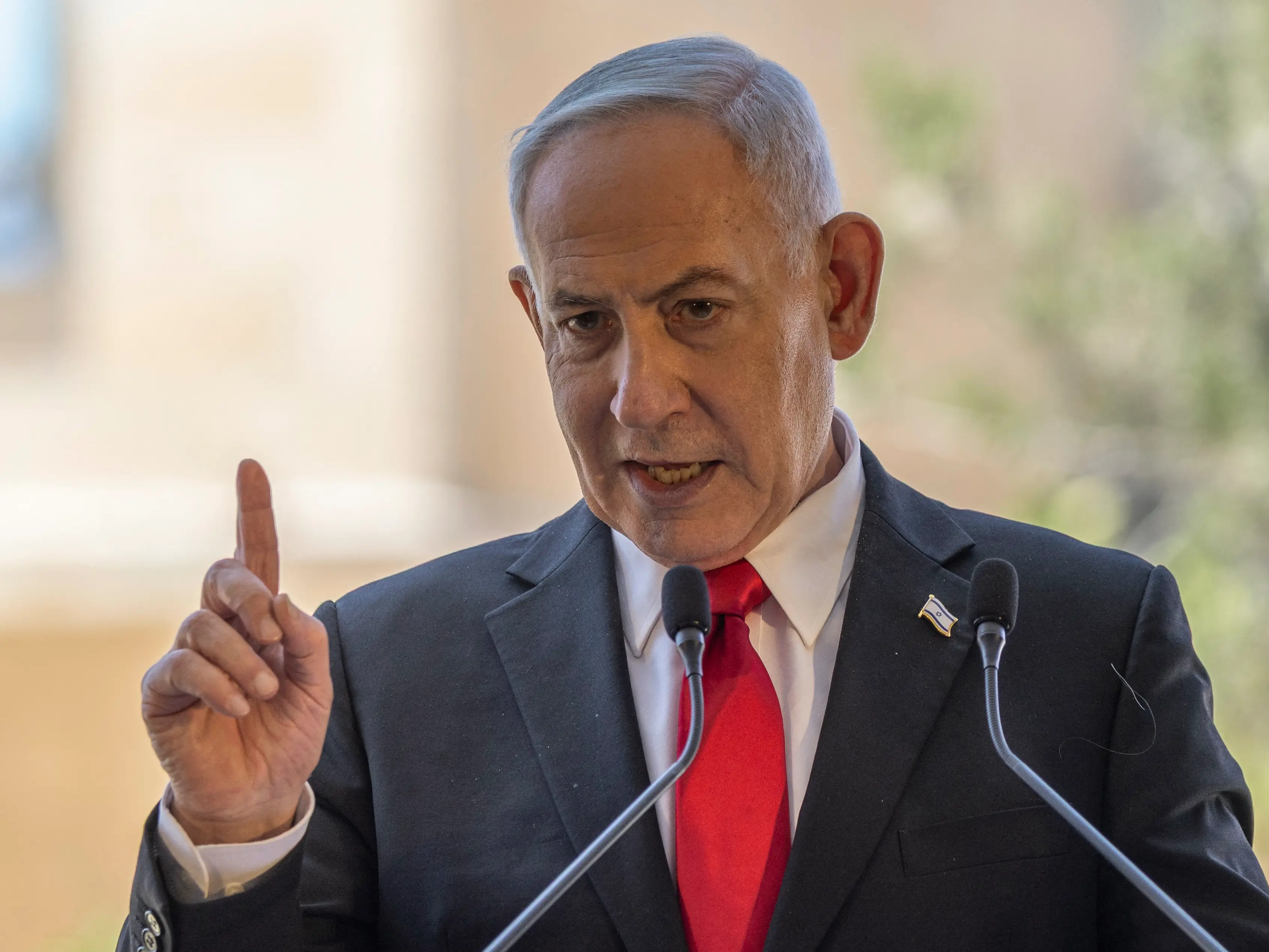)
‘Shame on you’: Netanyahu vows to ‘tell the truth’ about Mamdani at UN ahead of New York visit
Call for global cooperation and economic reforms
The IMF Chief called for greater global cooperation to combat these pressing issues, stressing that piecemeal approaches will not be sufficient. “In this interconnected world, no country is immune to shocks. We need stronger multilateral cooperation to address global economic challenges,” she said.
Georgieva also advocated for structural reforms and targeted policies aimed at strengthening economic fundamentals. She pointed out that addressing inefficiencies in tax collection, reducing corruption, and increasing public investment in innovation would help countries improve their fiscal standing. “Governments must seize the opportunity to implement reforms now before the situation deteriorates further,” she urged
Potential solutions and the path forward
To address the global economic slowdown and growing debt crisis, the IMF has called for a balance between fiscal consolidation and investment in growth-enhancing sectors. Countries are encouraged to prioritise areas that can generate long-term economic benefits, including green energy, digital transformation, and education.
Moreover, Georgieva noted the importance of debt restructuring for highly indebted nations, proposing that debt relief measures, along with support from international lenders, could help vulnerable economies recover faster. “The IMF stands ready to support countries with the tools they need to reduce their debt burden and foster growth,” she reaffirmed.
“We are all very worried about the expanding conflict in West Asia and its potential to destabilise regional economies and global oil and gas markets,” she further added.
As global economic uncertainties continue, it is clear that coordinated action and bold reforms are essential to safeguard long-term financial stability. The IMF’s warnings serve as a wake-up call for policymakers to act swiftly and decisively in the face of these mounting challenges.
