European car giants struggle with lower sales amid transition year

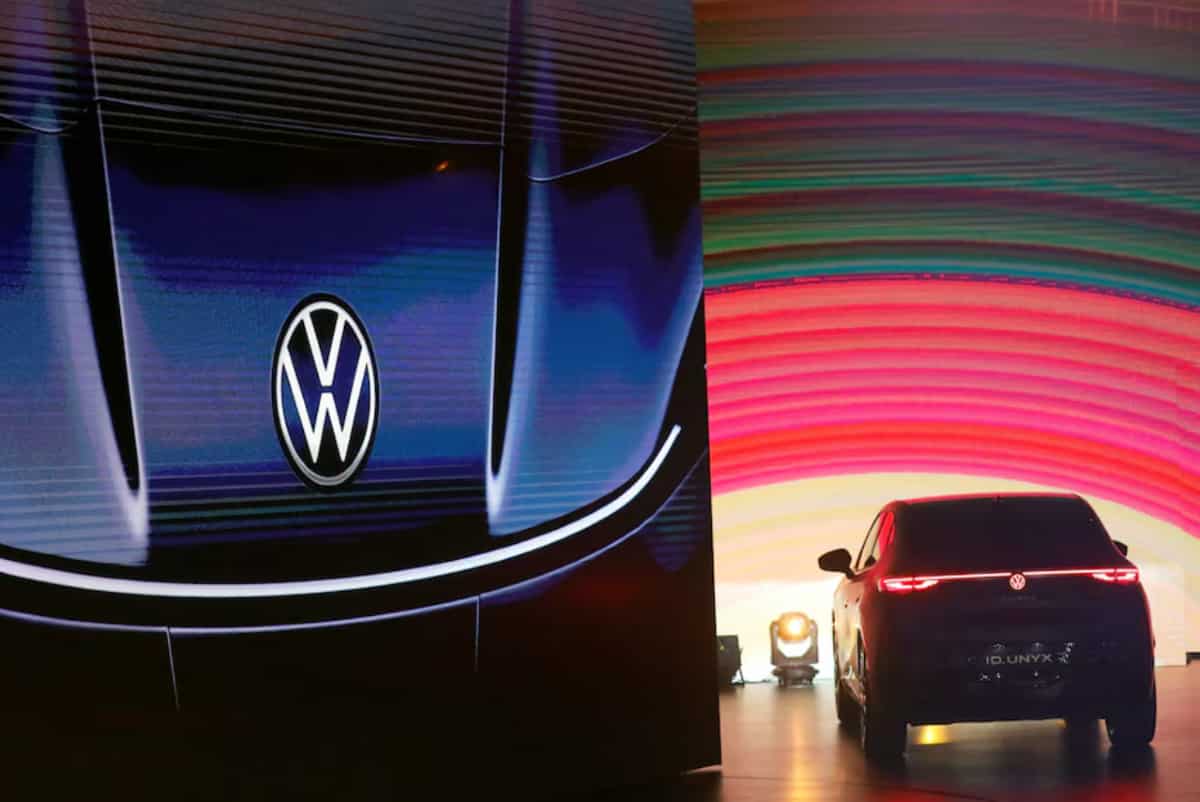
The first-quarter result of the European automotive majors was pretty grim.
Volkswagen, Mercedes-Benz and Stellantis, top players in the European automotive market, are continuously experience falling sales and reduction in net revenues in the first quarter, citing the reasons of new model launches, increasing expenses and the general slowdown of the consumer markets.
Impact on stocks
The disclosure of unimpressive sales numbers plunged the stock market into turmoil as the shares of Mercedes, Stellantis and Volkswagen all faced a price drop. Mercedes was definitely the least successful of the European stocks represented in the blue-chip euro STOXX sub-index, with the VW and Stellantis also showing some notable downs as the main losers.

Challenges in sales
While the mass market and the premium car market were hit by sales decline, automakers kept car prices steady by assuring consumers about forthcoming upgrades that would happen with the launch of new models. According to analysts, the delivery problems and shrinking margins are considered to be the main factors that hinder the further development of the industry.
Also Read:US mandates new cars to come with emergency braking systems by 2029
)
Laura Wolvaardt sets new world record for most WT20I runs in a year
)
North Korea's last nuclear test in 2017 set off 1,399 earthquakes over 8 years, each stronger than previous
)
India seeks to build a full semiconductor supply chain
&im=FitAndFill=(700,400))
New Friday OTT releases (September 18, 2026): Lust Stories 3, You+Me, Best of the Best- 8 new titles coming on Netflix, Prime Video and more
)
Trump signs Russia sanctions law: India faces fresh 100% tariff threat over Russian oil
)
Drone strikes cooling tower at Russia's Kursk Nuclear Plant, IAEA confirms
)
Trump bans CNN, MS NOW and Politico from White House over ‘FAKE NEWS’
)
‘Will go to any extent’: Pakistan vows to defend Saudi Arabia amid Houthi attacks
)
Trump signs Russia sanctions bill into law, targets Moscow’s energy sector
&im=FitAndFill=(700,400))
From Abhishek Sharma to Sahil Chauhan, 5 batters with fastest T20I hundreds
)
China may have gained access to US's classified F-35 jets; parts meant for repairs diverted to Hong Kong, sparking Pentagon inquiry
)
Three labourers killed as DU student loses control of his car, rams into them on Dwarka Expressway
)
Why Ranveer Singh’s Dhurandhar missed India’s Oscar entry; FFI jury member reveals what happened
)
'Gangsta' crab shoves knife blade at man and his dog in Florida - Watch
)
US F-16 fighter jet crashes in Michigan during training mission, pilot ejects safely
)
How did an Australian river with 500 crocodiles pass the Olympic test? Here's how
)
Shivakumar attends 79th Kalyana Karnataka Utsav in Kalaburagi
)
Godfather of AI Geoffrey Hinton gives US lawmakers a one-year warning on AI
)
Trump's Greenland dream comes true? POTUS announces 'Infinite Life' deal with Denmark, claims permanent US control
)
US And Denmark reach Greenland deal, Trump announces expanded military presence
&im=FitAndFill=(700,400))
Meet top 5 Indian batters with fastest T20I centuries
)
FACT CHECK: Why did PM Modi ask Xi ‘is it okay’ at BRICS Summit? New video reveals...
)
Trump 2.0: Dark days ahead for America’s ‘imperial presidency’
)
Pentagon revives mandatory testosterone testing for male troops aged 30 and above
&im=FitAndFill=(700,400))
Meet top 5 bowlers in latest ICC T20I rankings
)
Africa is splitting, and a lot sooner than estimated, giving way to a new ocean
)
Ukraine plans record $109 bn defence spending, nearly two thirds of budget amid Russia war
)
'He will always be ahead': India coach Gambhir says Sooryavanshi won't walk into team ahead of Samson
)
Former India player Diana Edulji wants Smriti Mandhana to replace Harman as skipper at the earliest
)
Hong Kong extends newborn cash support scheme by three years
)
The Verdict | When precision fails: US commits war crime in Minab school strike, UN finds
)
Indian activist-lawyer Prashant Bhushan's post brings focus on ‘conflict of interest’ appointments of ex-govt officials at Reliance, Adani groups
&im=FitAndFill=(700,400))
Meet top 5 batters in the latest ICC T20I Rankings
)
Who is Khalilur Rahman? All you need to know about 81st UN General Assembly President
Market weakness and demand dynamics
In a time considered by European manufacturers as the "transition year", their business faces a combination of challenges such as a market slump aggravated by inflation, massive price hikes, and weak progress in the field of electric vehicles transportation. This situation raises the questions of whether the reduction in demand is only resulted from model switches or differs in the market downturn.
Competitive landscape
The competitive landscape brings further obstacles, especially for the German auto manufacturers like Volkswagen as they have to fight for what they have in the intensifying competition from their domestic rivals in China. CFO of Volkswagen, Arno Antlitz, accepted that China, being a fiercely competitive market, called for strategic moves to be held that will help the company stay relevant in the market place.
Shift to electric
European automakers are funneling substantial investments into electric vehicles to counter the dominance of Tesla and fend off competition from Chinese counterparts entering the European market with cost-effective electric models. This crucial decision-to-electrific, considered to be imperative from the long term sustainability viewpoint, does have short term earnings conundrums.
Earnings report
The first-quarter result of the automotive majors was pretty grim as Mercedes showed 30% decrease in earnings, Volkswagen showed 20% decrease in operating profit and Stellantis showed 12% decrease in revenue. Despite these setbacks, all three companies reaffirmed their profit or sales targets for 2024, buoyed by the imminent launch of new models.
Outlook and strategies
While the auto industry is supposedly lacking a boost in quarter 1, automakers are exploring the future with hope, by anticipating the new model launch and a revival in the consumer demand. Volkswagen expects a big increase in order intake within the second quarter, which should be triggered by 30 new models to be made available on the market as the company is dedicated to revitalizing its market share.
Adapting to evolving market dynamics
As European car giants navigate the challenges of a transition year, their resilience and adaptability come to the fore. With a strategic focus on innovation, market expansion, and cost optimisation, these automakers are poised to weather the storm and emerge stronger in a rapidly evolving automotive landscape.
(With inputs from Reuters)