
&imwidth=800&imheight=600&format=webp&quality=medium "China's Iranian oil imports hit record high amid signs of sanctions shift")
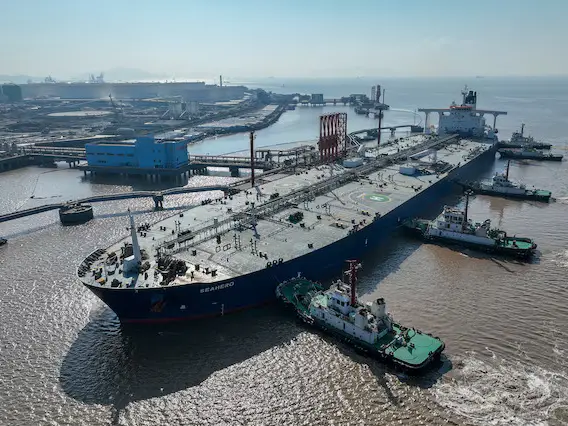
China’s imports of Iranian crude oil surged to record levels in June, as Tehran boosted shipments ahead of the recent conflict with Israel and Chinese independent refiners rushed to lock in discounted barrels amid tightening global supplies. According to data from ship-tracking firms Vortexa and Kpler, China imported an estimated 1.8 million barrels per day (bpd) of Iranian oil between June 1 and June 20. By June 27, the rolling average had eased slightly to 1.46 million bpd, still sharply higher than May’s 1 million bpd. The surge followed a spike in Iranian loadings in May, which rose to 1.83 million bpd, the highest level in several years.
These volumes were driven by Iran’s effort to expedite exports in anticipation of further escalation in its conflict with Israel and possible disruptions in the Strait of Hormuz. Most of the crude was absorbed by China’s so-called “teapot” refineries, smaller independent operators with growing demand and declining inventories ahead of the peak summer consumption season.
Iran’s exports peaked at 2.2 million bpd in mid-June but tapered off to 1.5 million bpd in the latter half of the month, following Israeli airstrikes on June 13. Analysts at Petro-Logistics confirmed a notable decline in loadings after the attacks, suggesting short-term supply volatility from OPEC’s third-largest producer could tighten global oil markets.

Sanctions confusion and US signals shift in strategy
The jump in Iranian shipments also coincides with mounting speculation over a potential easing of US sanctions. President Donald Trump, who had reinstated his “maximum pressure” policy earlier this year, said last week, “China can now continue to purchase oil from Iran. Hopefully, they will be purchasing plenty from the US, also.” The statement sparked confusion about whether Washington is softening enforcement.
While the White House later clarified that sanctions remain in place, Trump’s comments were widely interpreted as an attempt to leverage China’s energy needs into broader trade concessions. Meanwhile, reports indicate the US is offering Iran a potential $30 billion package in nuclear energy development and sanctions relief in exchange for halting uranium enrichment, an offer Tehran has not accepted.
Trending Stories
)
‘Kill all in the name of...’: FBI arrests 21-year-old over alleged ISIS-inspired mass-casualty attack plot
)
Space mines, lasers & robotic arms: Lt Gen Pannu decodes US disclosure of weapons in space
)
Bitter Zelensky snubs Trump for playing politics with Ukraine war | Gravitas
)
Passengers scream as Iran flight suffers mid-air scare: Boeing 737 shakes violently after take-off | VIDEO
)
US fires up to 70 interceptors against Iran attack on Jordan, putting supplies under pressure
)
India’s imports from Russia jump 57% in five months; China remains top import source
)
‘US military task force aiding Saudi Arabia forces with intel, planning support’: Official
)
OpenAI boss Sam Altman repeats AI 'slow down' call, says world 'right to be afraid'
)
Top military commanders from US, Israel, and 7 Arab nations held secret meeting on Iran War
)
Sydney Sweeney defends provocative ad choice, the internet is still not impressed
)
'Definitely feel bad for yourself': Kuldeep Yadav opens up on India Test snubs
)
Ex-India all-rounder Yuvraj Singh wants India to avoid 'massive changes' before ODI World Cup 2027
)
Ed Sheeran’s US tour loses all support acts after Macklemore’s removal | Controversy explained
)
China's property crisis deepens as investment plunges nearly 20%
)
Messi set to play in farewell match on October 6 in Argentina vs Benin friendly
)
2,200 people donate Rs 1.5 crore for 'docile' Georgia donkey 'HeeHaw' shot dead by police officer
)
Putin-linked Russian oligarch, Melania links: Why Trump skipped his son’s Bahamas wedding bash?
)
800 million years old - Scientists discover 'fingerprints' of supercontinent Gondwana in ancient rocks
)
Trump's name cannot return to Kennedy Center, US judge rules
)
Water equivalent to two Pacific Oceans could be stashed 2,900 km inside Earth
)
1,200 Indian and US troops begin high-altitude and desert drills
)
Ex-CIA officer caught with gold bars worth $40 million seeks plea deal | Gravitas
&im=FitAndFill=(700,400))
New OTT releases this week (September 14-20, 2026): Lust Stories 3, Waiting Hai, Irumudi- 5 new titles coming on Netflix, Prime Video and more
)
Trump's Iran war faces fresh House rebuke; 7 Republicans join Democrats in push to end conflict ahead of midterms
)
US Treasury yields cross 5% as Scott Bessent warns of ‘global issues’ impacting bonds
)
Who is Kalyan Bainsla, accused in the Gurugram hit-and-run case involving woman biker?
)
Saudi Arabia discovers 110 million tonnes of Uranium-rich ore in Madinah region
)
'Now Trump is copying us': Shivakumar links US $5,000 plan to Congress guarantees
)
Elephants hide behind trees, stage surprise attack on poachers targeting rhinos in South Africa
)
Los Angeles helicopter crash: At least three dead, several injured; NTSB to investigate
)
West Bengal IPS officer Bushra Bano transferred after objections to ‘Assalamualaikum’, ‘Inshallah’
)
India summons top Pakistan diplomat after Pak Navy ship collides with Indian warship at high seas
)
Spanish officer sent home from NATO base over affair with 'Russian spy' | Gravitas
)
Saudi Arabia accuses Houthis of drone attack on Mecca, first-ever red alert in Islam's holiest site sparks panic
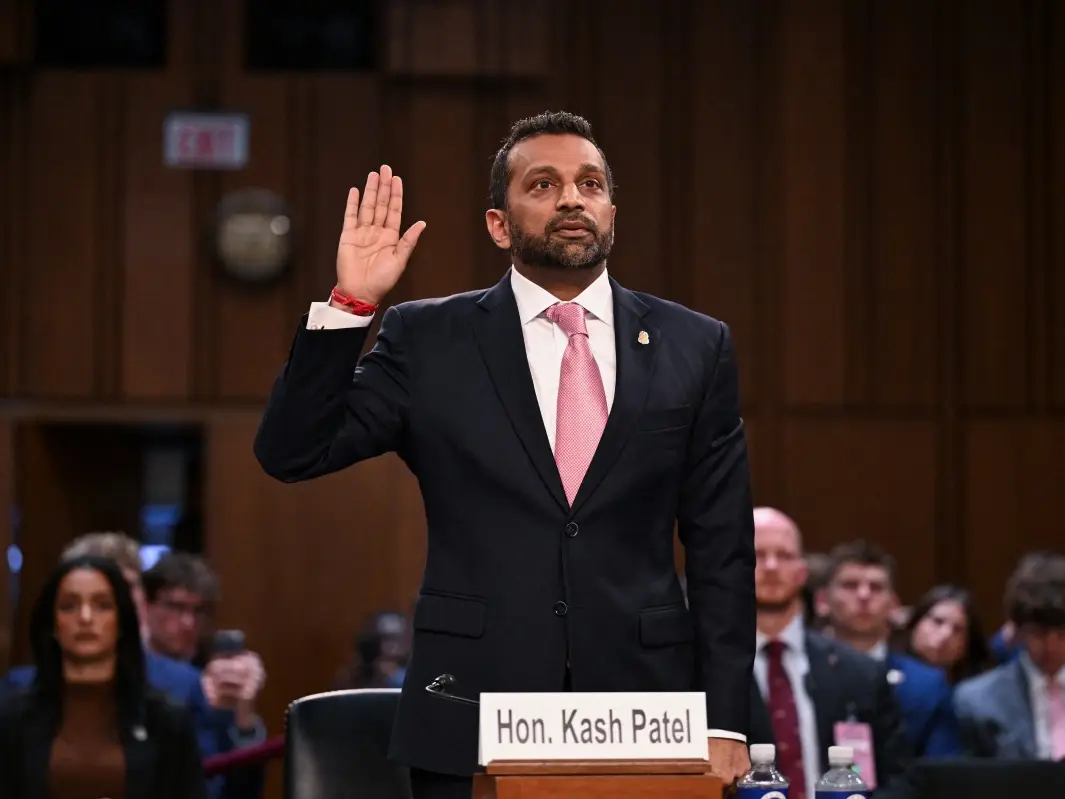)
'Like a thug you are using agency to go after..': Kash Patel grilled by Senate Democrats over FBI firings, journalist investigations and hiring policy
Oil prices retreat as geopolitical premium fades
Amid easing West Asian tensions, an increase in Iranian oil flows and ongoing OPEC+ production hikes, oil prices declined on June 30. Brent crude futures dropped 66 cents, or 0.97 per cent, to $67.11 per barrel ahead of the August contract expiry. The more active September contract slipped to $65.97. West Texas Intermediate (WTI) fell by 94 cents to $64.58 per barrel.
Analysts attributed the dip to the market pricing out the geopolitical risk premium that had briefly pushed Brent above $80 during the 12-day Iran-Israel war. A ceasefire announced by Trump helped cool the market, while news that OPEC+ is preparing a fifth consecutive production increase—adding another 411,000 bpd in August—has further weighed on sentiment. Still, oil benchmarks are expected to post their second consecutive monthly gain of over 5 per cent, reflecting lingering tightness in global supply despite the short-term correction.