China coal-fired power capacity still rising, bucking global trend


Polluted day Beijing
Chinaraised itscoal-firedpowercapacityby 42.9 gigawatts (GW), or about 4.5 per cent, in the 18 months to June, connecting new projects to the grid at a time whencapacityin the rest of the world shrank, according to astudypublished on Wednesday.
Chinaalso has another 121.3 GW ofcoal-firedpowerplants under construction, US-basedresearch networkGlobalEnergy Monitor said in its report, nearly enough topowerthe whole of France.
The increase followed a 2014-2016 "permitting surge" by local governments aiming to boost growth while formerly suspended projects have also been restarted,GlobalEnergy Monitor said. In the rest of the world,coal-firedpowercapacityfell 8.1 GW over the same period.

To cut pollution and greenhouse gas emissions,Chinahas promised an "energy revolution" aimed at dramatically reducing its reliance oncoal. It cutcoal's share of the country's total energy from 68 per centin 2012 to 59 per cent last year, and researchers predict it will fall to 55.3 per centby 2020.
Absolutecoalconsumption, however, has continued to increase in line with a rise in overall Chinese energy demand.
And environmental groups have accused Beijing of relaxing its efforts oncoal, pointing to remarks in October by Premier Li Keqiang, who urgedChinato make greater use of itscoal"endowment" by building cleanpowerplants.
)
Outrage erupts after 3-year-old is married to 60-year-old man in Pakistan, link to her sister's murder being probed
)
Scientists detect first radio signals directly from faraway planet
)
Army chief reviews operational preparedness along LoC, visits mega eye camp in Tangdhar
)
US court backs Pentagon's decision to exclude Anthropic over Claude AI restrictions
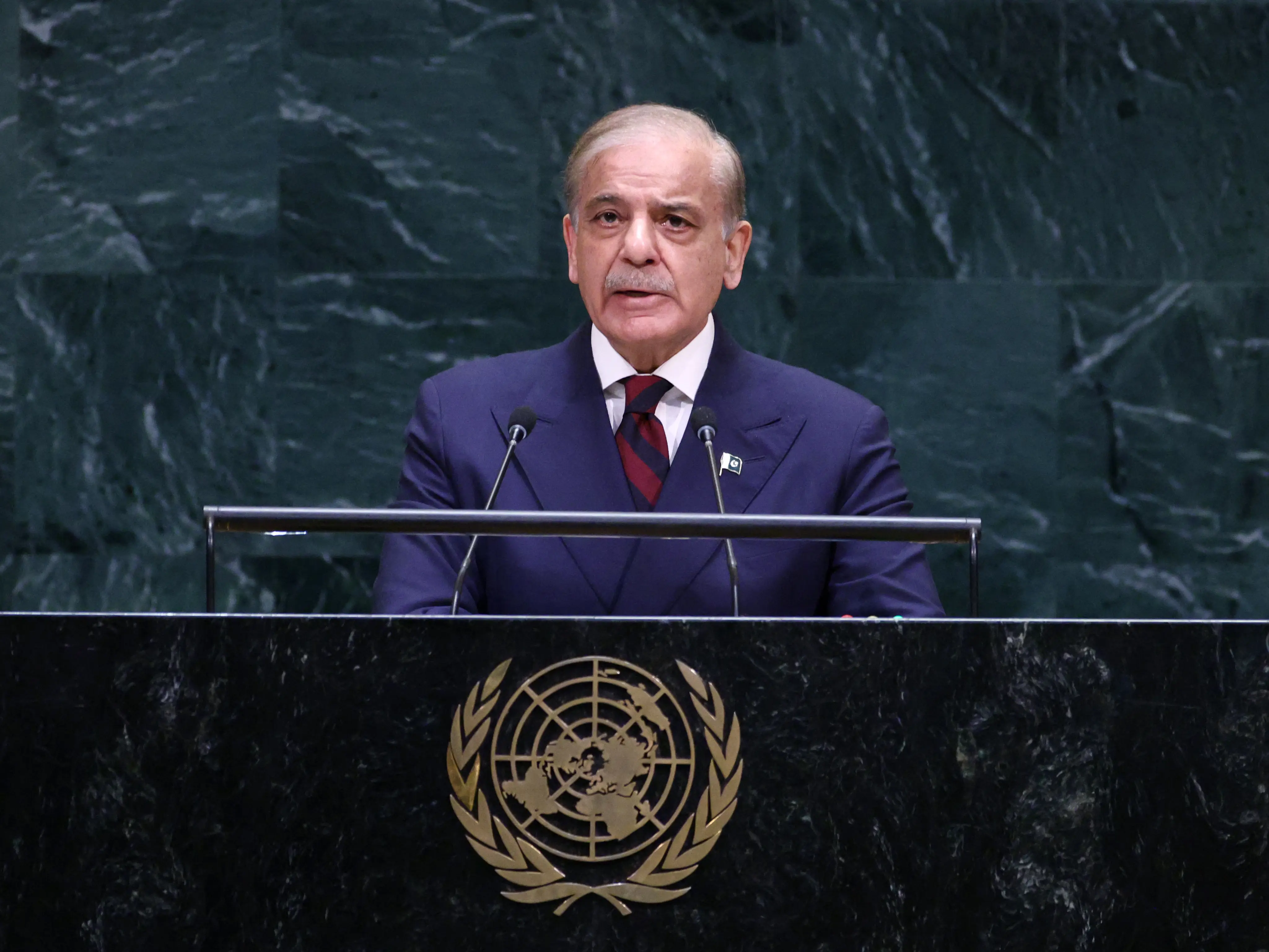)
‘Attack on Mecca a red line for Pakistan’: Shehbaz Sharif warns Houthis at UN
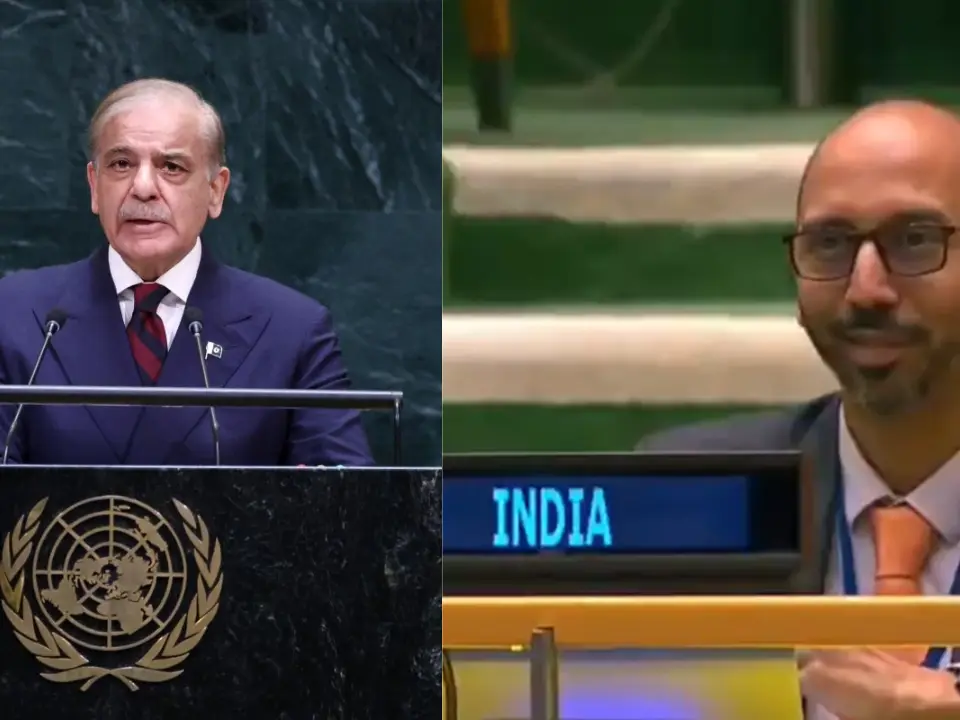)
WATCH | As Shehbaz Sharif claims Pakistan’s ‘victory’ during 2025 conflict, Indian diplomat R Srinivas laughs at UN
)
Trump rejects Iran's 7-day ceasefire proposal as US weighs renewed bombing after midterms: Report
)
Bias or safety concerns? Bengaluru CEO says firm will not hire men from UP, Bihar, Rajasthan, MP. Here's why
)
India's UN Envoy slams Pakistan: 'They claim security by day, terrorism by night'
)
Heart of the Beast review: Brad Pitt leads a gripping tale of survival and loyalty
)
Myanmar training camp case: US national, 6 Ukrainians allowed to meet their families abroad
)
OpenAI AI Agents hacked 4 websites before Hugging Face, researchers reveal
)
Tesla is preparing something big for Optimus: new Gen 3 models surface in app
)
Bollywood mourns Mushtaq Khan: Sunny Deol, Rajpal Yadav and others pay tribute
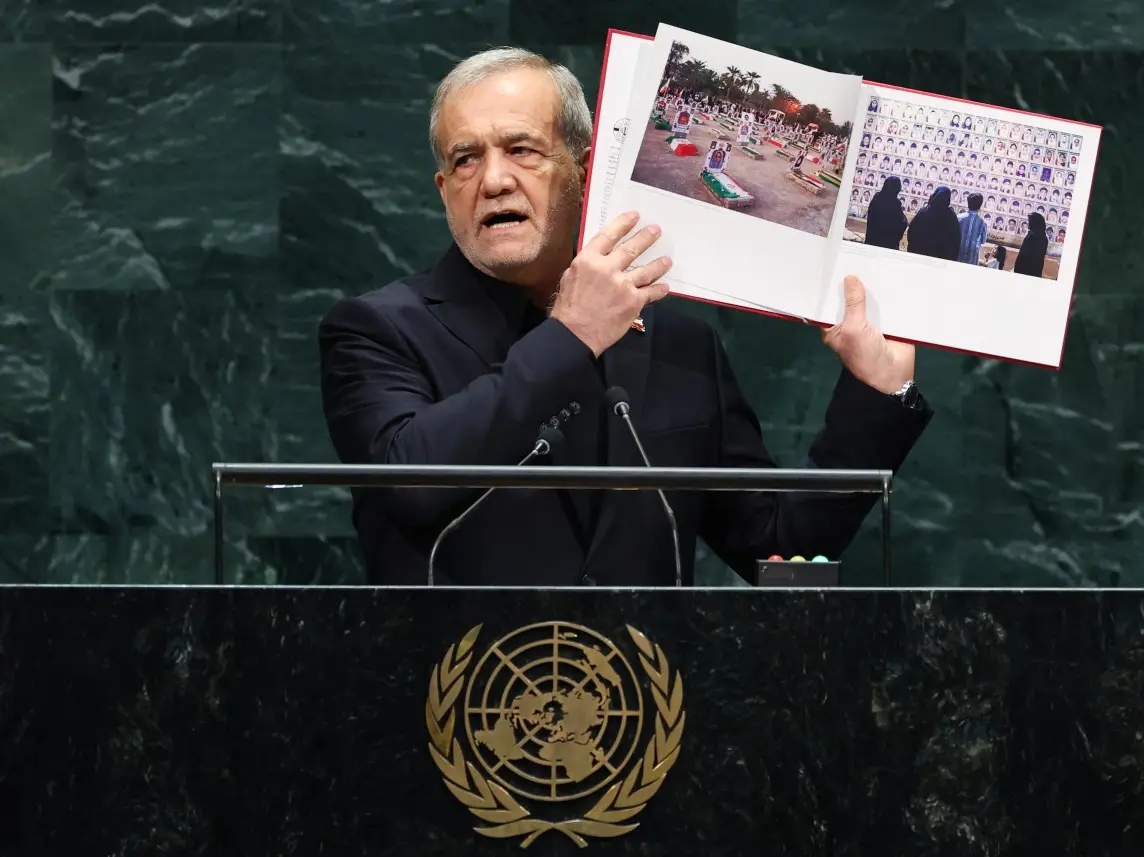)
'We do not wish to continue. It's America that must choose': Iran president Pezeshkian calls on US to end war
)
US Supreme Court backs Trump administration's use of SAVE database to check voter citizenship
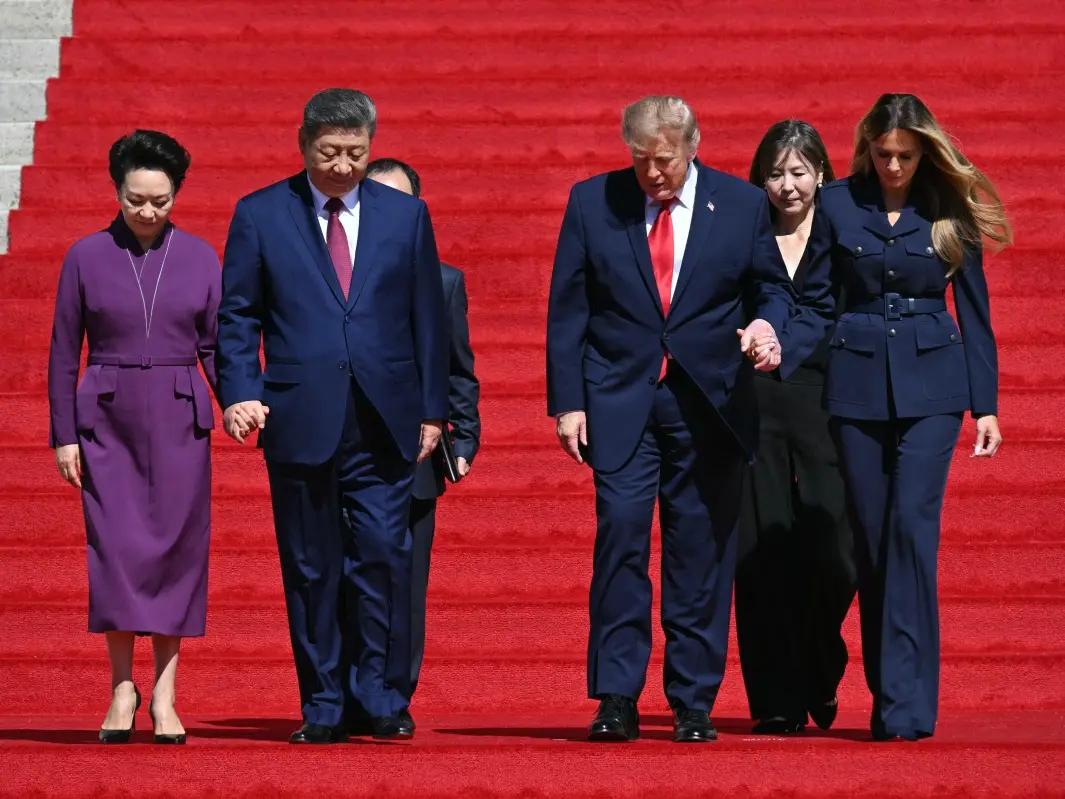)
Trump-Xi summit wrap: Big pageantry, Iran talks, few major developments and more meetings planned
)
Did Hitler kill his niece Geli Raubal? Newly found records reopen a 95-year-old mystery
)
10,000 gather in support of 87-year-old forcefully evicted from home of 71 years
)
Cindy Crawford’s son Presley Gerber cremated as death probe continues
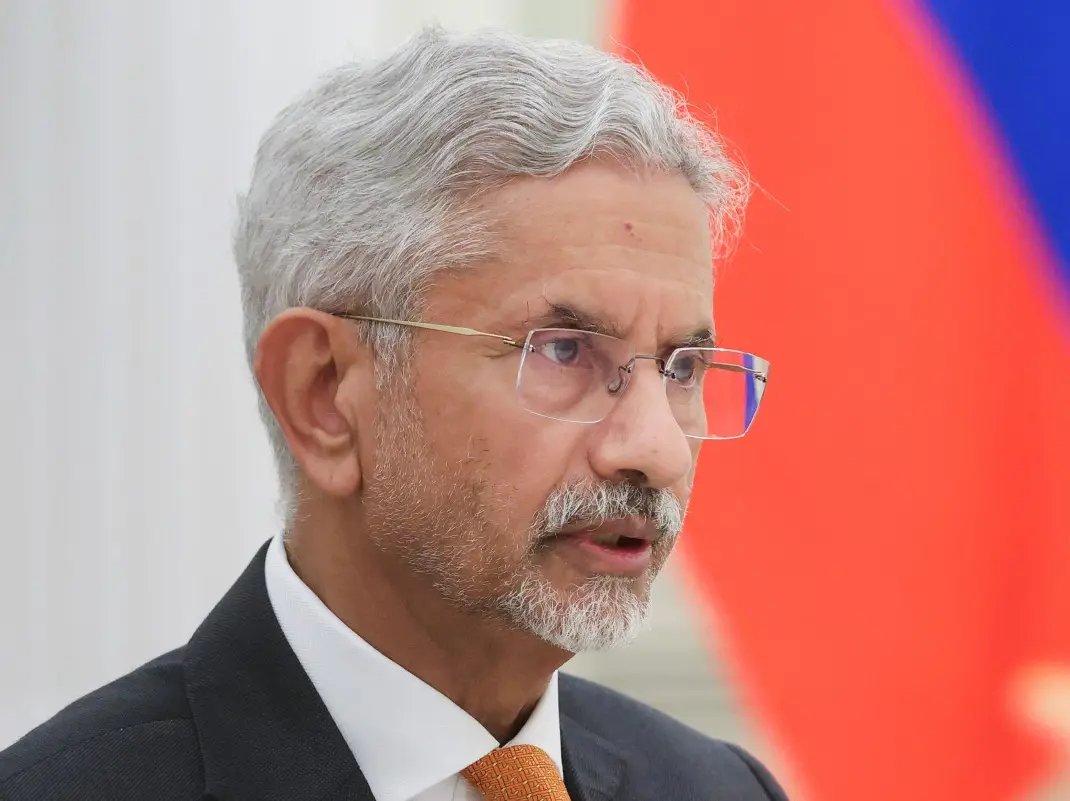)
'A terrorist country is asking me that question?': Jaishankar hits back at Pakistani journalist at UN; flags attacks on commercial shipping
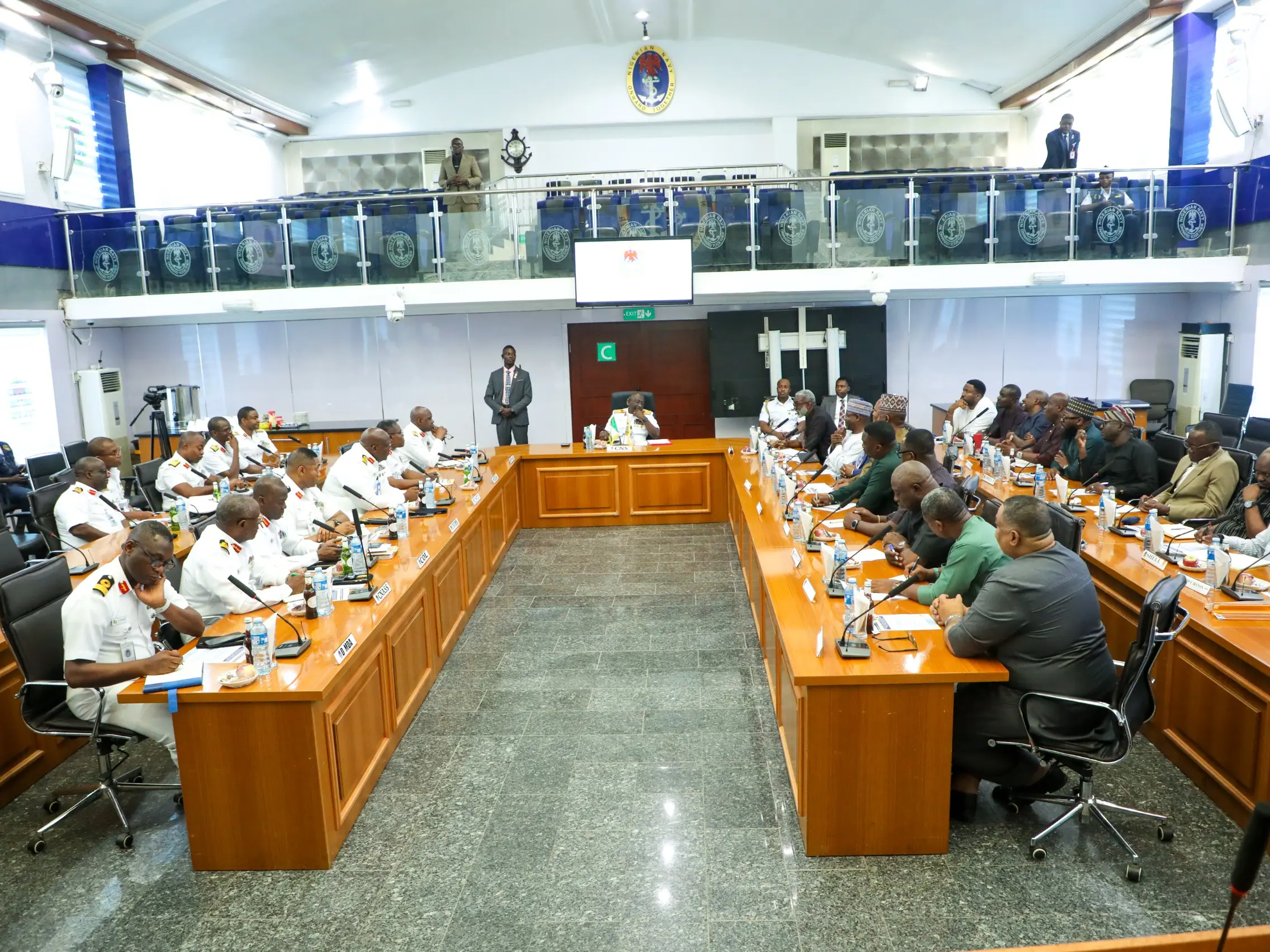)
Nigeria Navy moves to boost oil security, tackle crude theft and infrastructure threats
)
Asian Games: Shooting spree continues as India win silver in women’s 50m rifle 3P team event
)
Pentagon quietly adds 37 wounded troops to Iran war tally without explaining when or how
&im=FitAndFill=(700,400))
New Friday OTT releases (September 25, 2026): Don’t Be Shy, Hunkkaar: The Roar, Mango Pachcha- 6 movies and TV shows on Netflix, Prime Video and more
)
'FIRST LOOK from inside Noah’s Ark': Researchers share video from inside mysterious mound in Turkey
)
Indian diplomat Petal Gahlot raises deteriorating situation in Pakistan-occupied Kashmir in right of reply at UN
)
Gaza's war turned environmental damage into second crisis
)
Yemen's war escalates: Saudi-backed leader calls for general mobilisation against the Houthis
)
‘It is all possible’: Putin weighs next steps on Ukraine talks, rules out Europe conflict
)
Red Sea crisis: Houthis promise not to target European ships; UNSC condemns Saudi attacks
)
‘Not just a local tragedy’: Nepal PM Shah warns UN of growing climate threat, says Nepal floods were 'a warning to the world'
)
Pakistan deploys over 20,000 security personnel as PTI vows march for Imran Khan's release
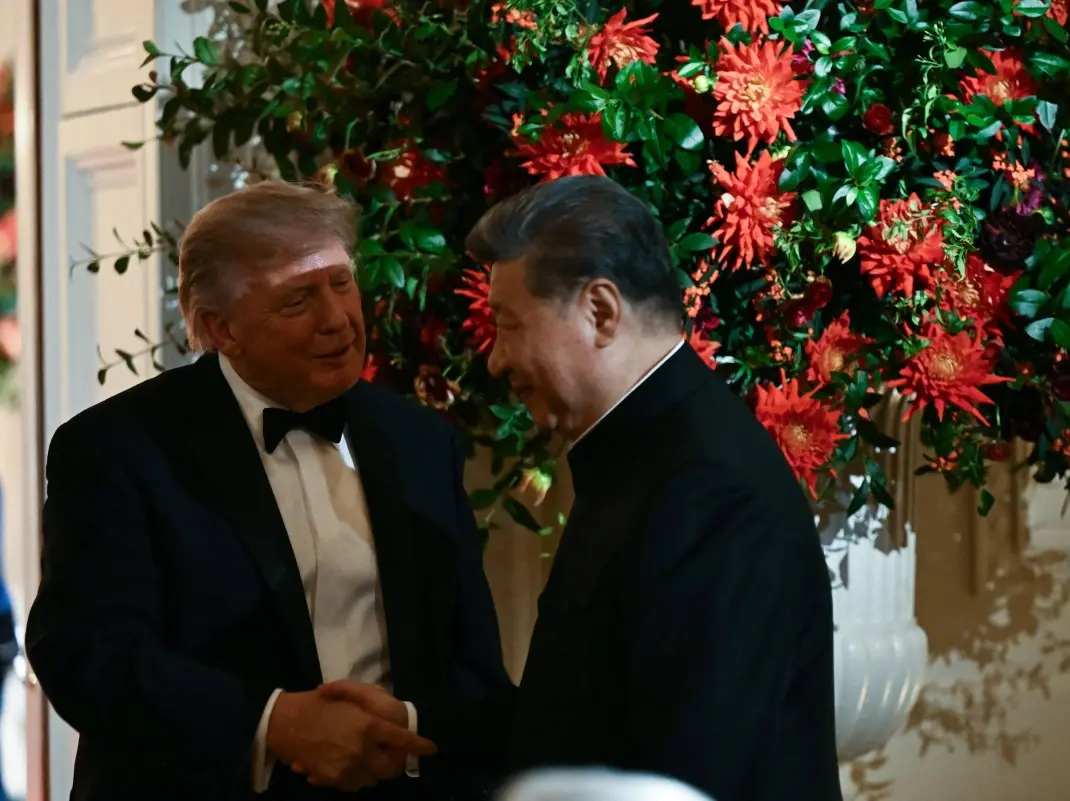)
'Making history': Xi Jinping praises Trump as US-China leaders dine at White House
Chinaapproved new 40coalmines in the first three quarters of 2019, and it has continued to make use of "green" financing to supportcoal-related projects.
China's totalcoal-firedpowercapacitystands at more than 1,000 GW.GlobalEnergy Monitor said it needed to close more than 40 per cent of that to meet greenhouse gas reductions required to keepglobaltemperature rises well below 2 degrees Celsius.
It urged the government to strengthen policies discouragingcoalplants, support low-carbonpowerand move toward clean energy, while an investor body warned of the risk of building newcoal-firedplants.
"Over 40 per cent ofChina's existingcoalfleet is already estimated to be loss-making," said Stephanie Pfeifer, chief executive of the Institutional Investors Group on Climate Change.
Though costs are now as low as fossil fuels, some Chinese policymakers worry renewables like wind and solar are unreliable, and there are concerns that decarbonisation will hurt the country'scoalregions.
Some also believe that future energy shortages could hurtChina's attempts to address its slowing economy, said Yang Fuqiang, senior advisor with the Natural Resources Defense Council, a USenvironment group.
"Right now there is a big argument about whetherChinaneeds morecoal-firedpoweror not," he told Reuters. "They think the fourteenth five-year plan (2021-2025) will stimulate economic development and they are a little afraid there won't be enough electricity to support the economy."