Capital One to acquire Discover Financial in $35.3 billion all-stock deal, creating payment giant


Signage is seen outside a Capital One Bank in Manhattan, New York
In a significant move set to reshape the financial landscape, Capital One, backed by Warren Buffett, has announced plans to acquire Discover Financial Services in a landmark all-stock transaction valued at $35.3 billion.
The merger aims to create a formidable global payments entity, positioning the combined company as the sixth-largest bank by assets in the United States and a major player in the credit card market.
The deal, subject to rigorous antitrust scrutiny, highlights Capital One's strategic expansion ambitions and its endeavour to bolster competitiveness in the payments domain.

With Discover's extensive network spanning 200 countries and territories, the acquisition presents an opportunity for Capital One to enhance its global footprint and vie with industry giants such as Visa, Mastercard, and American Express.
Highlighting the rationale behind the acquisition, the companies emphasised the necessity of scale and investment to fortify the Discover network's competitiveness.
As part of the transaction, Discover shareholders are set to receive 1.0192 Capital One shares for each Discover share.
)
The Royals enter the Doctor Who universe: King Charles and Queen Camilla beam into Commonwealth Games in TARDIS
)
Ranbir Kapoor-Yash's Ramayana trailer postponed, producer cites Sony Pictures deal as reason
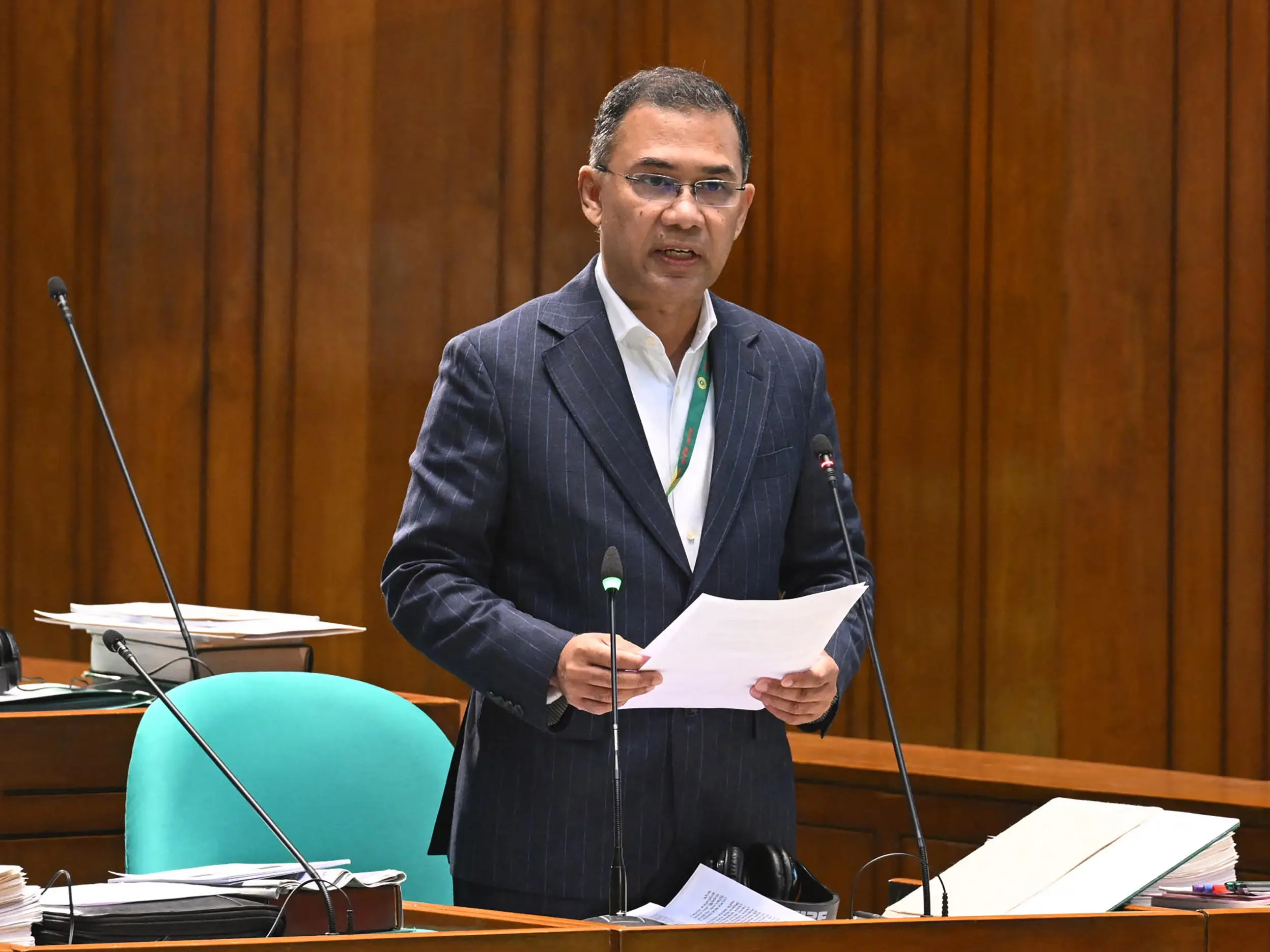)
India invites Bangladesh PM Tarique Rahman to BRICS Summit
)
He predicted COVID-19 and 2008 economic crisis, was labeled fearmonger. Now he has another dire warning
)
Ukrainian drone wrecks irreplaceable Russian bomber 800km inside the country, satellite images show it halved
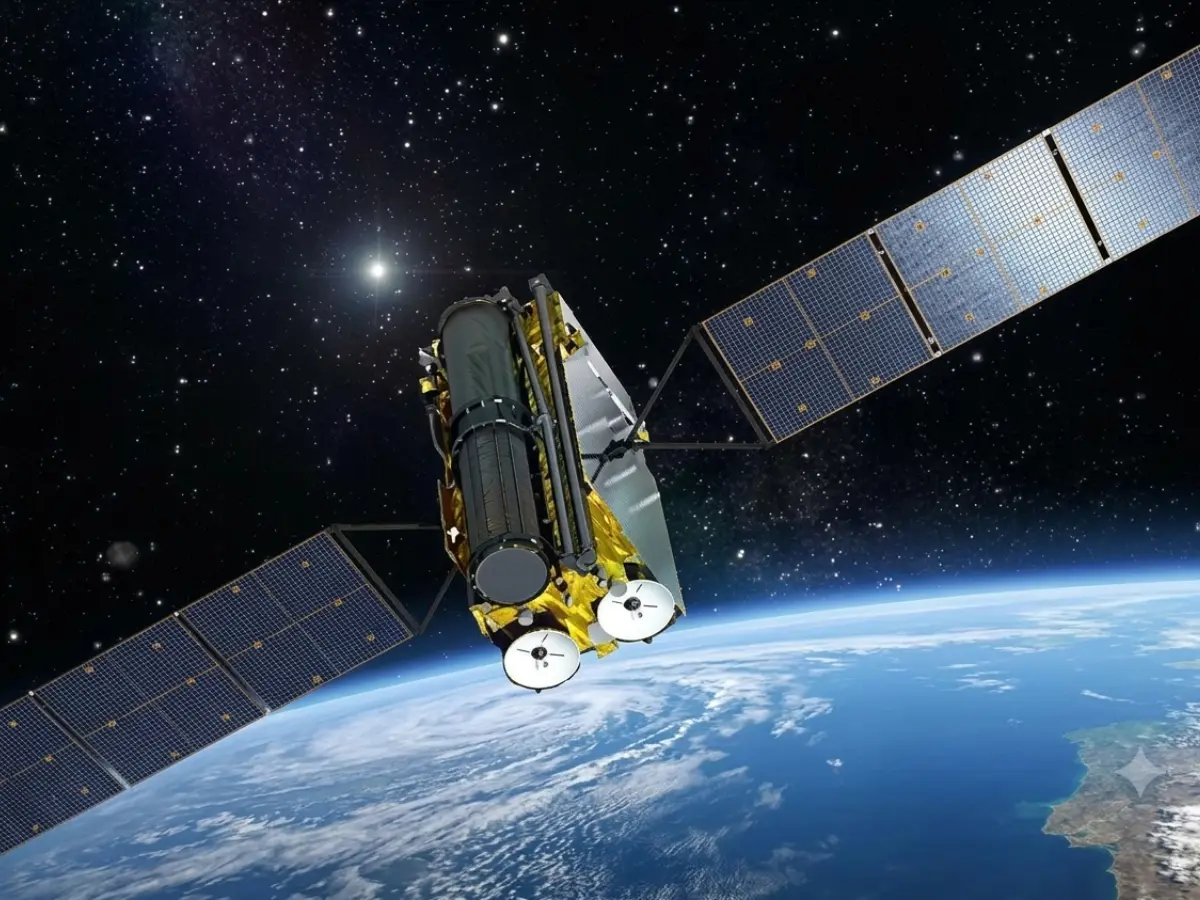)
Scientists decode rare metal that allows China's radar satellite to spy over Asia Pacific
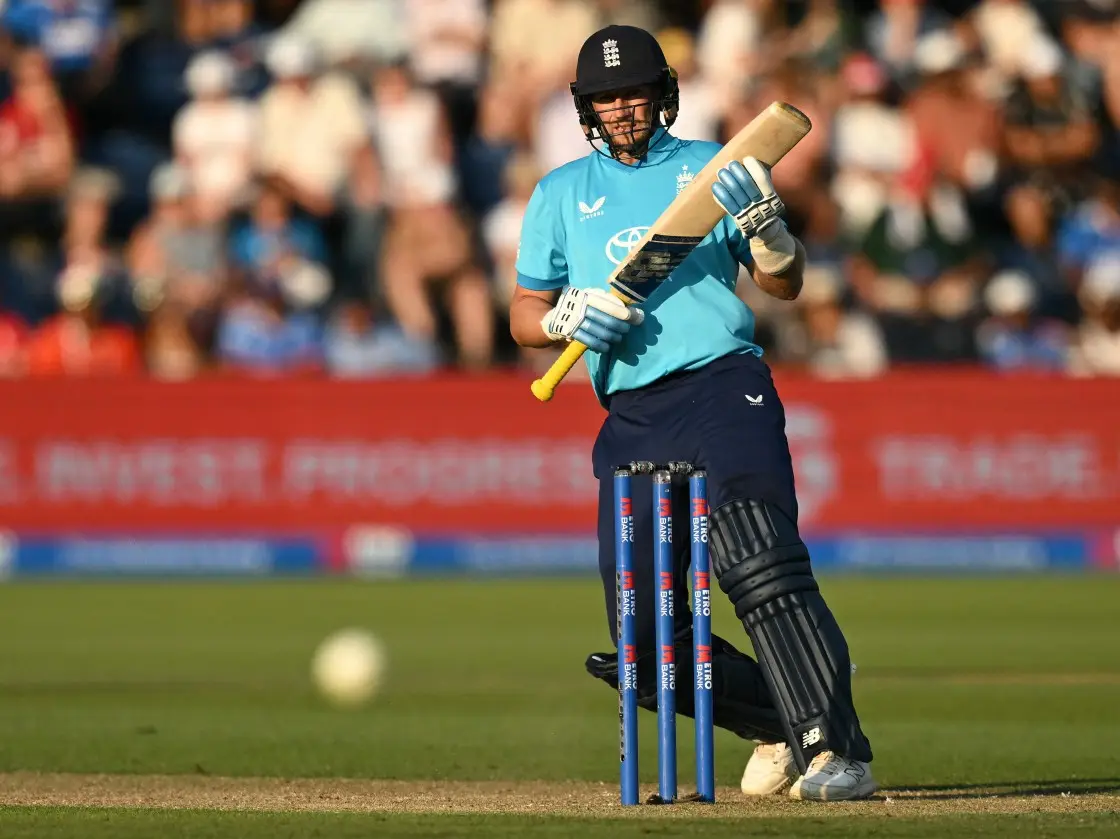)
ICC ODI Rankings: Joe Root jumps big, India trio close in on No. 1 spot
)
'Most important foundation': Dharmendra Pradhan's long note on 'school education' amid calls for his resignation
)
NEET Protests riddled with misinformation? Delhi Police block 480 Pakistan-based handles spreading 'fake news' since Operation Sindoor
)
Delhi Police chief gets NSA detention powers but force denies link to CJP protests
)
Sonam Wangchuk's connection with George Soros and Ford Foundation explained!
)
Russia-Ukraine war escalates| Zelensky pushes patriot missile production as Black sea crisis deepens
)
US-Iran War: Iran destroys US Patriot Air-Defence System
)
'George Soros playbook': Understanding the foreign funding network around Sonam Wangchuk
&im=FitAndFill=(700,400))
New Friday OTT releases (July 24, 2026): Musafir Cafe, Adarsh Baal Vidyalaya, Pallichattambi- Watch these 6 titles on Netflix, Prime Video and more
&im=FitAndFill=(700,400))
Why the S-400 fires its missiles straight up into the air
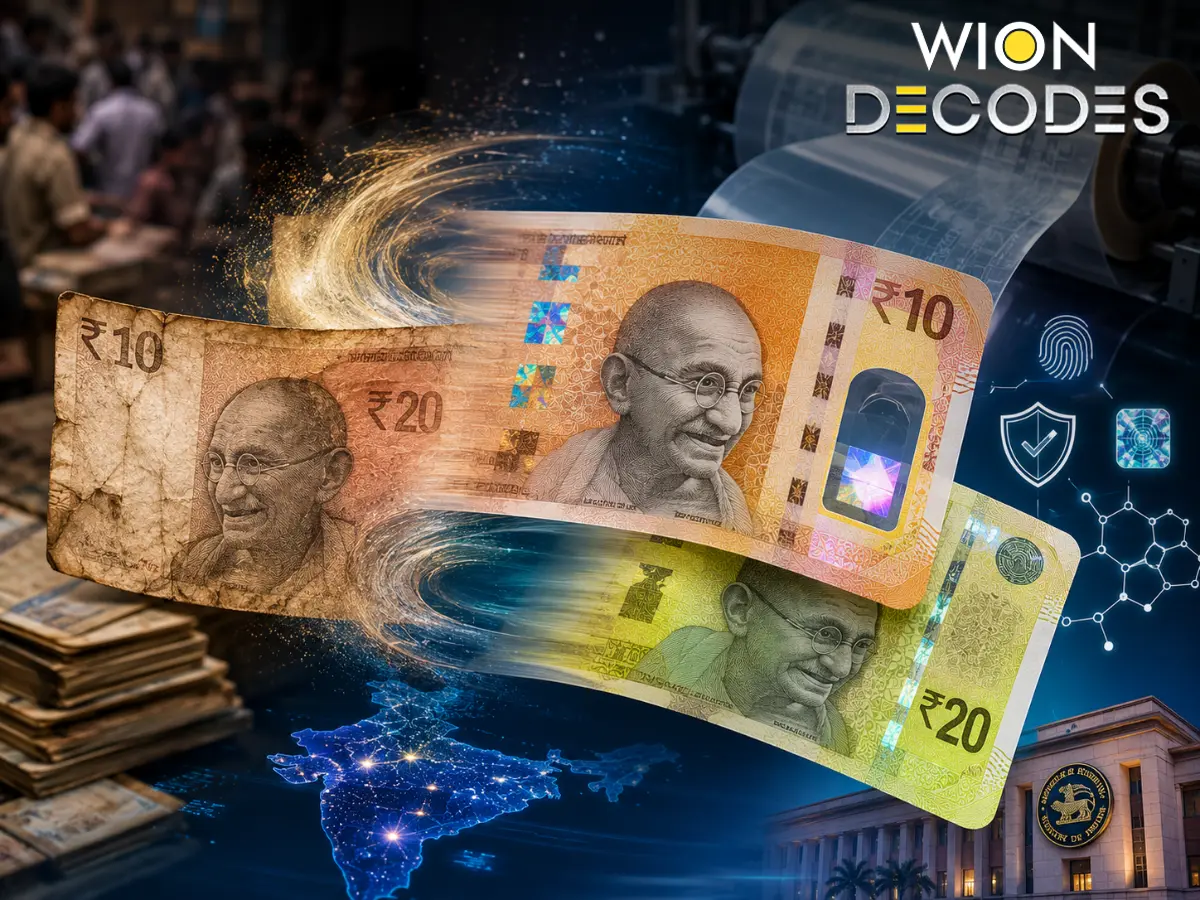)
Will India switch to plastic currency? Why RBI wants to replace paper currency, and what it means for your wallet | WION Decodes
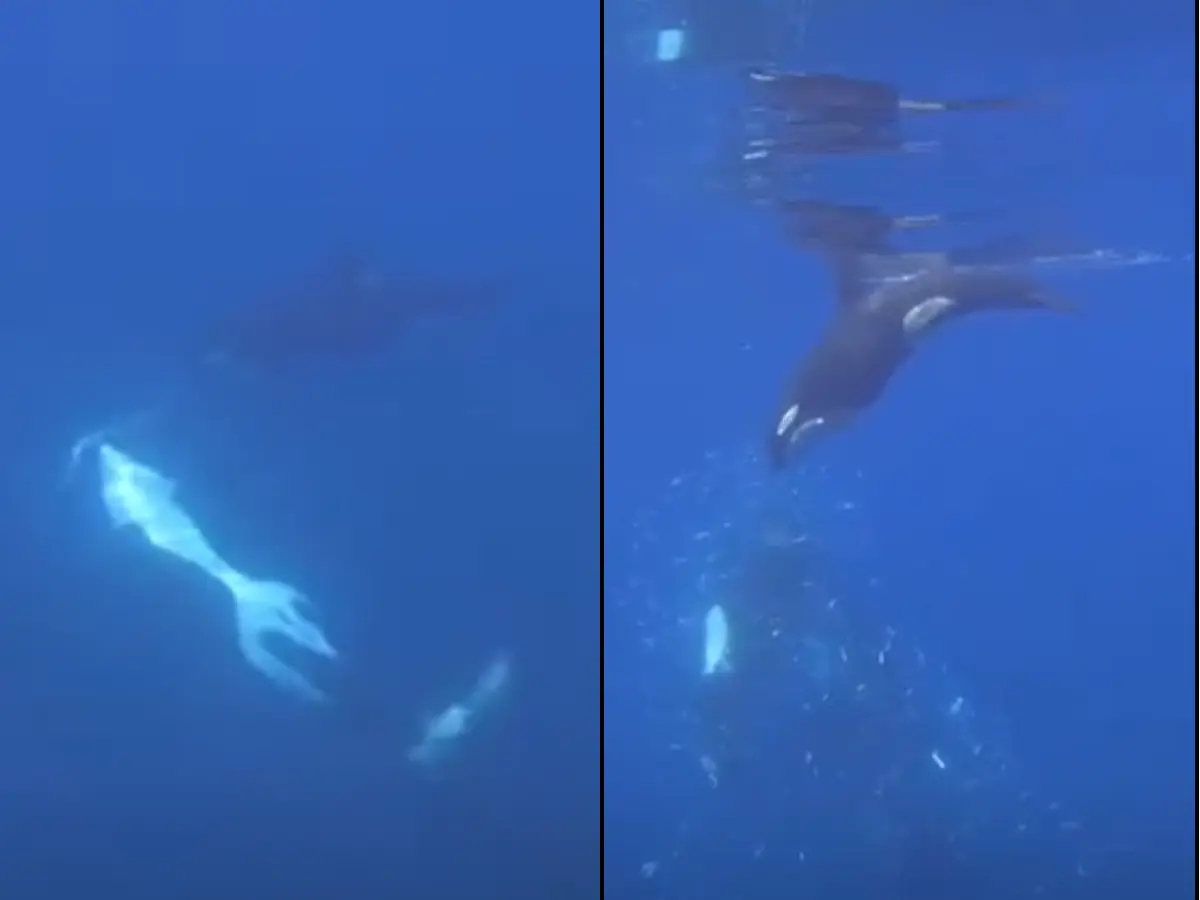)
'Oh my god!' Orca deliberately rams into sunfish so hard that it exploded. For food or fun?
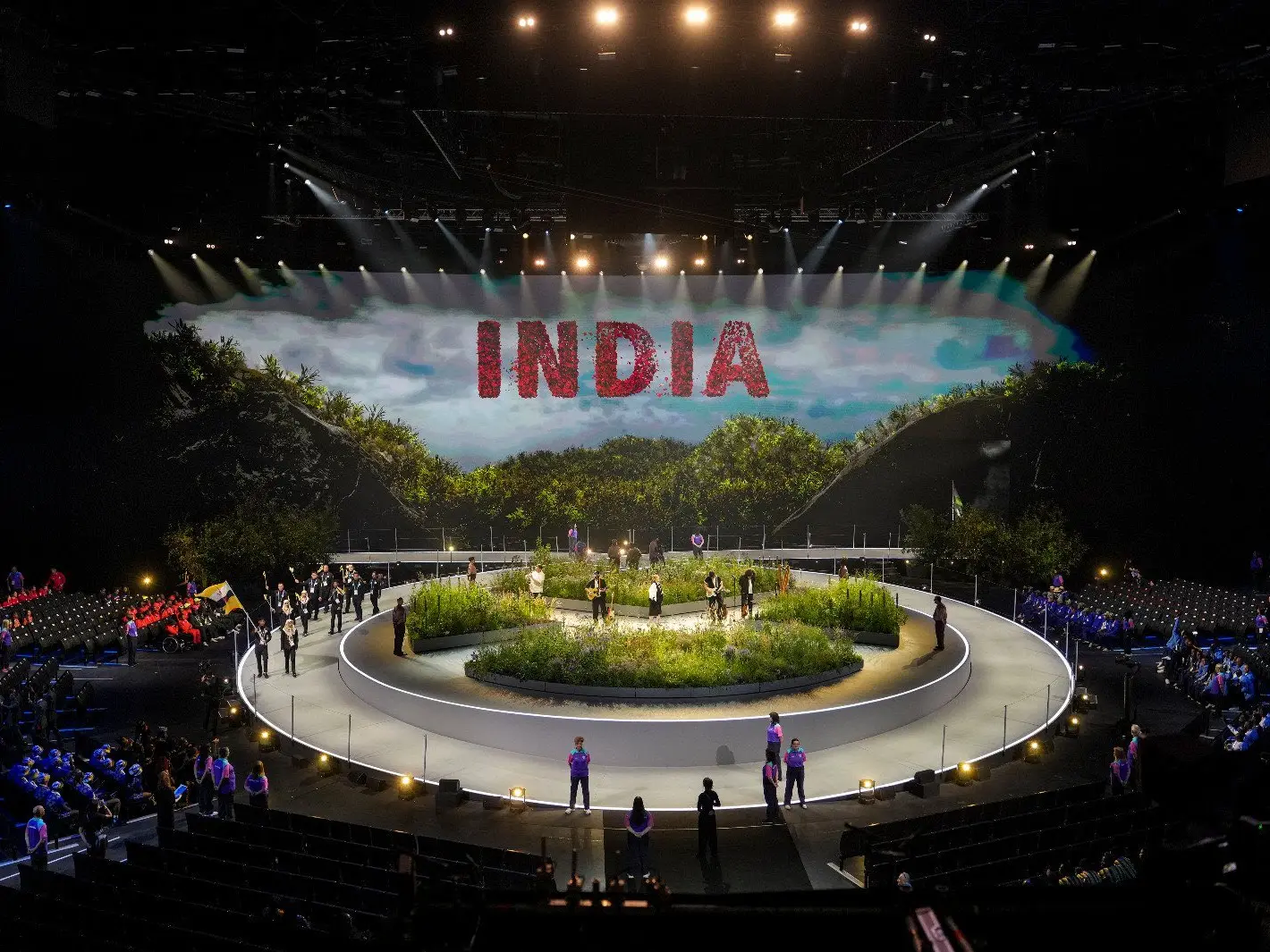)
Commonwealth Games 2026: India's medal hopes suffer after doping woes
)
FIFA 2026 | 'I am truly sorry': Argentina's Enzo Fernandez, who get red card in final, reacts to loss
)
Man with babyish face spends Rs 10 lakh on beard transplant to be taken seriously at work
)
Iran flew IRGC men, advisers and military gear to Yemen, bolstered Houthis for Red Sea blockade: Sources
&im=FitAndFill=(700,400))
Why US fighter jets use seamless bubble canopies compared to Russian jets
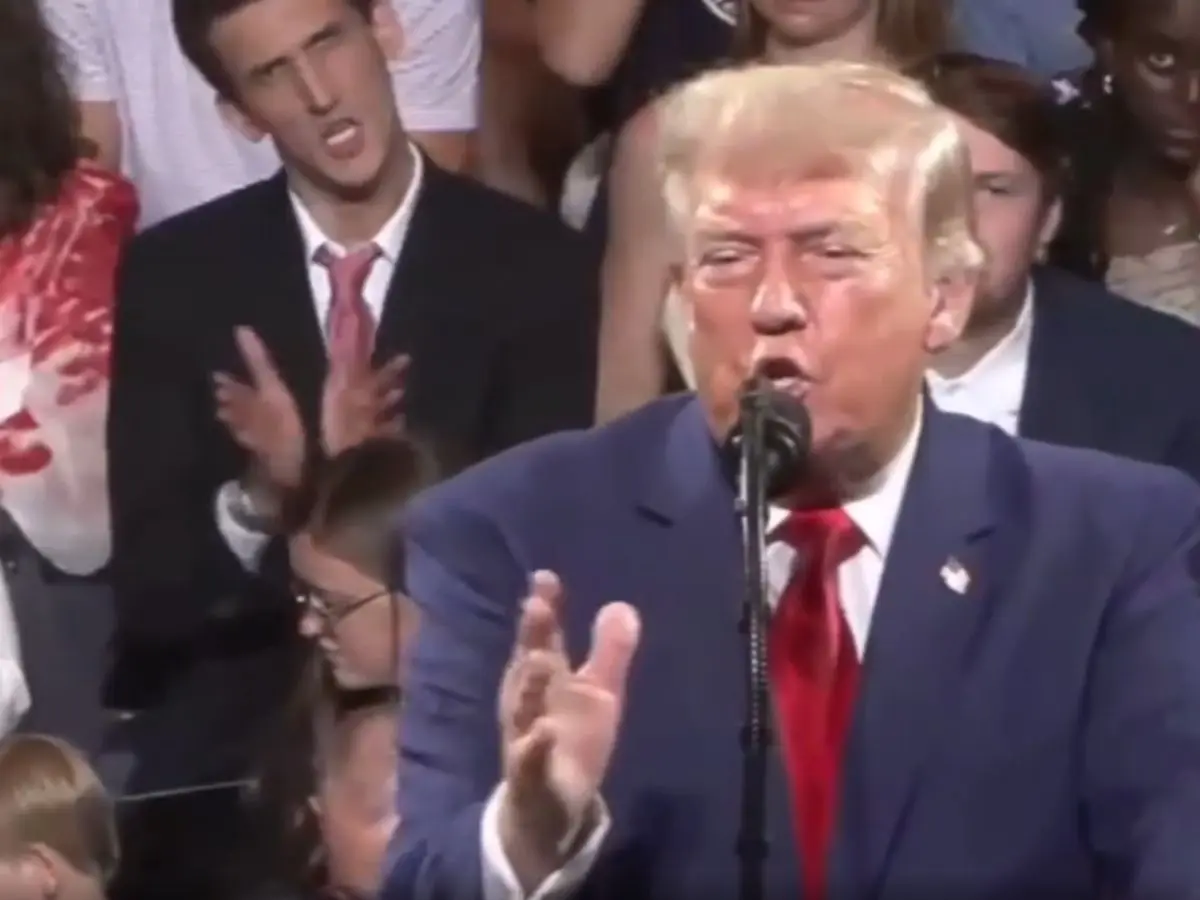)
‘Stole the show’: Young man’s uncanny imitation of Trump leaves internet stunned | WATCH
)
Jana Nayagan box office collection: Here's how much CM Vijay's political drama mints on day 1
&im=FitAndFill=(700,400))
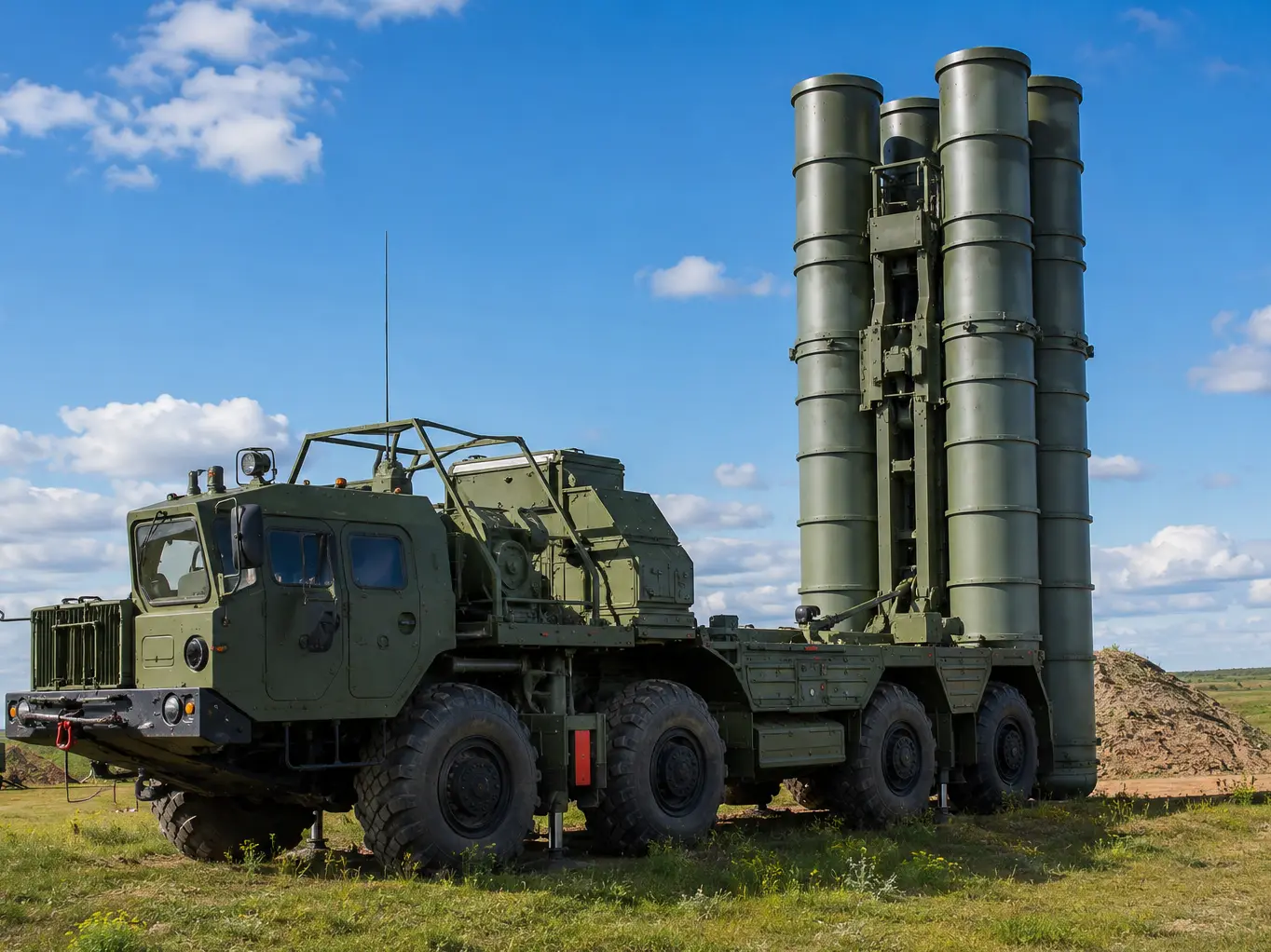
Why the specialized paint on an S-400 costs thousands of dollars per truck
'Sonam, it’s done, bro. Don’t extend this': Salman Khan now urges protesting students to go home, offers Wangchuk home cooked food to end fast
)
Upon completion, Capital One shareholders will hold a 60 per cent stake in the combined entity.
Anticipating regulatory approval in late 2024 or early 2025, Capital One acknowledged the heightened scrutiny expected from regulators, particularly in light of President Joe Biden's administration's focus on bolstering competition across sectors.
Analysts predict significant pushback and regulatory scrutiny, citing the deal's implications for market concentration and systemic risk.
The Biden administration's executive order aimed at promoting competition underscores the regulatory landscape's evolving dynamics.
The proposed merger also comes amid increased regulatory focus on credit card fees and competition concerns in the US credit card market.
Led by merger sceptic Rohit Chopra, the Consumer Financial Protection Bureau has flagged issues pertaining to credit card fees and rates, signalling potential regulatory headwinds for the combined entity.
Analysts anticipate a Justice Department investigation, focusing on market positions and barriers to entry for new entrants.
While Capital One and Discover navigate regulatory complexities, both companies have encountered supervisory challenges in recent times.
Discover's regulatory review over misclassified credit card accounts and its consent order with the Federal Deposit Insurance Corp underscore supervisory concerns, albeit with potential resolution paths.
Despite profitability declines in the fourth quarter attributed to rising interest rates and increased provisions for bad loans, both companies remain poised to address regulatory hurdles and pursue strategic growth initiatives.
(With inputs from Reuters)