Business Jargon Buster: Budget edition

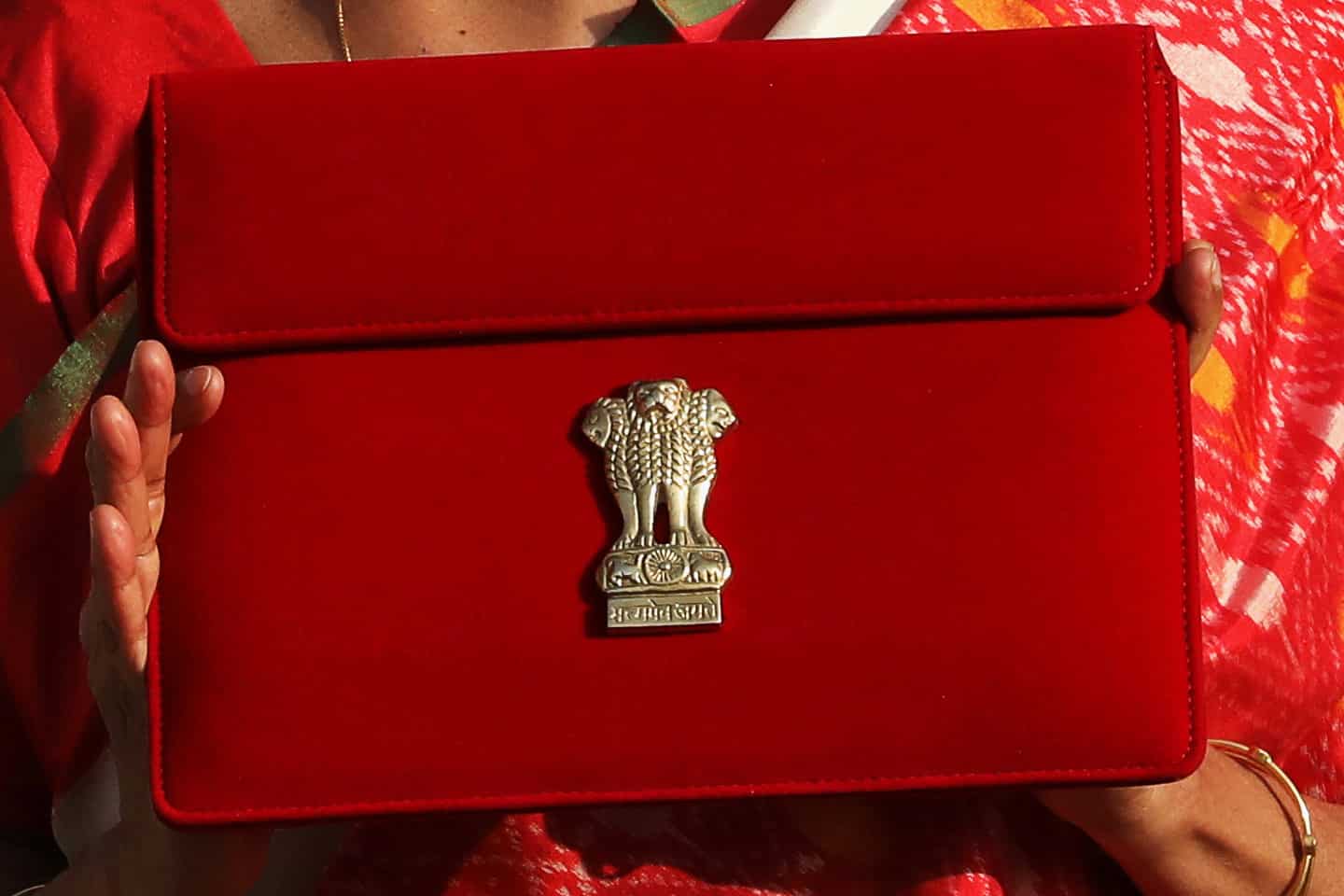
India's Finance Minister Nirmala Sitharaman holds up a folder with the Government of India logo
An A-Z of budgetary terms, explained in layman’s language.
A:
Allocation:Amount of money set aside for specific programs or sectors.

Ayushman Bharat Yojana (ABY):Government health insurance scheme for low-income households.
Agriculture credit target:Annual target for loans provided to farmers by banks.
B:
)
IND vs JPN one-off T20I: India survive scare from Japan to win five-over a side match by 2 runs
)
Putin's United Russia party wins 355 seats in Duma election; 4 other parties cross threshold to enter parliament
)
AI models chose to harm humans to stop ‘pain,’ alarming study raises fresh safety questions
)
‘0% chance’: Nvidia CEO Jensen Huang dismisses AI extinction fears by 2030
)
Samay Raina-Mukesh Chhabra controversy explained: What happened over girlfriend joke on India's Got Latent?
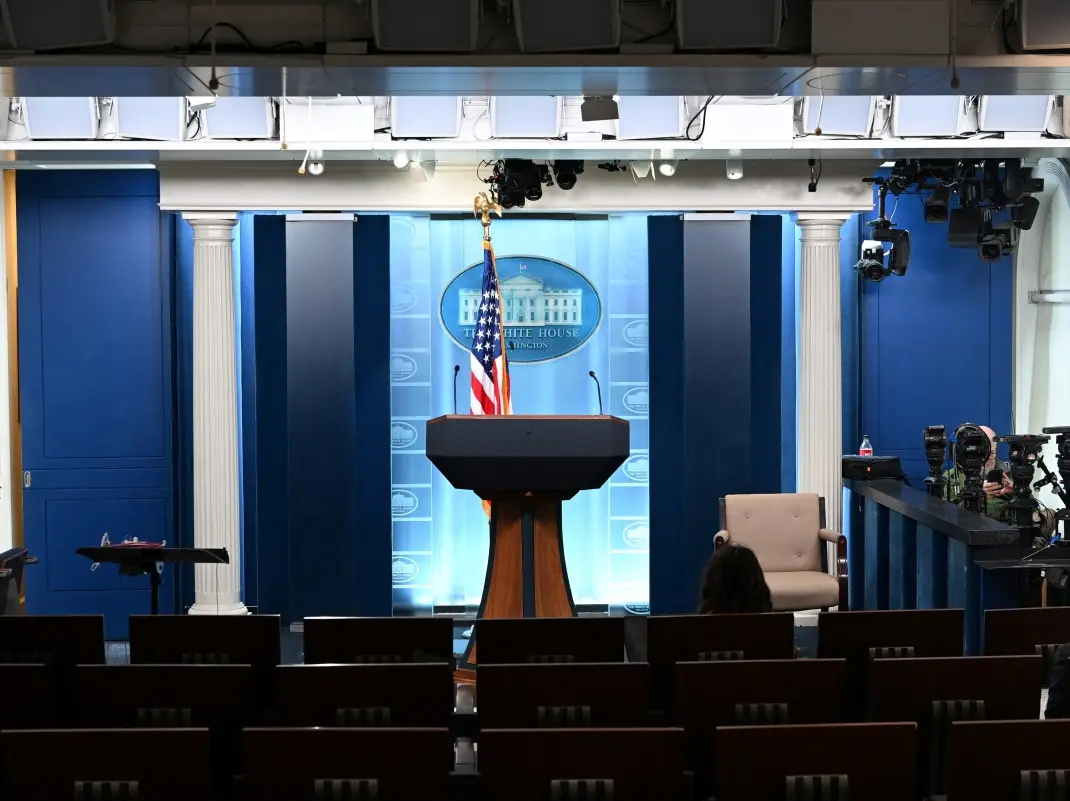)
Trump's helipad event overshadowed by audio failure as major TV networks suspend pool coverage
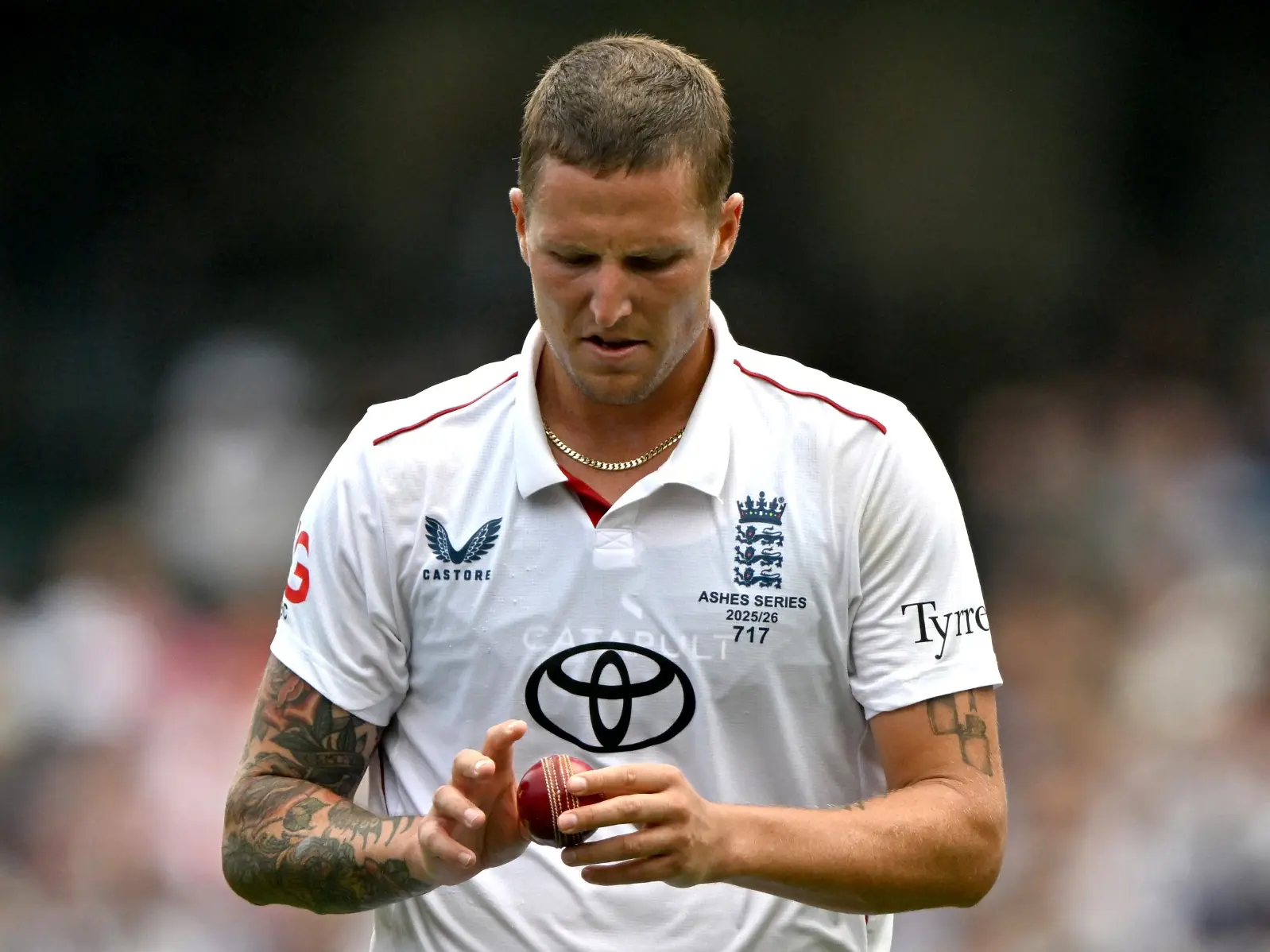)
'Needs time away from the international scene': England white-ball captain Brook on pacer Brydon Carse's future
)
New Zealand farms shift to carbon forests: Carbon credits fuel a land rush reshaping rural life
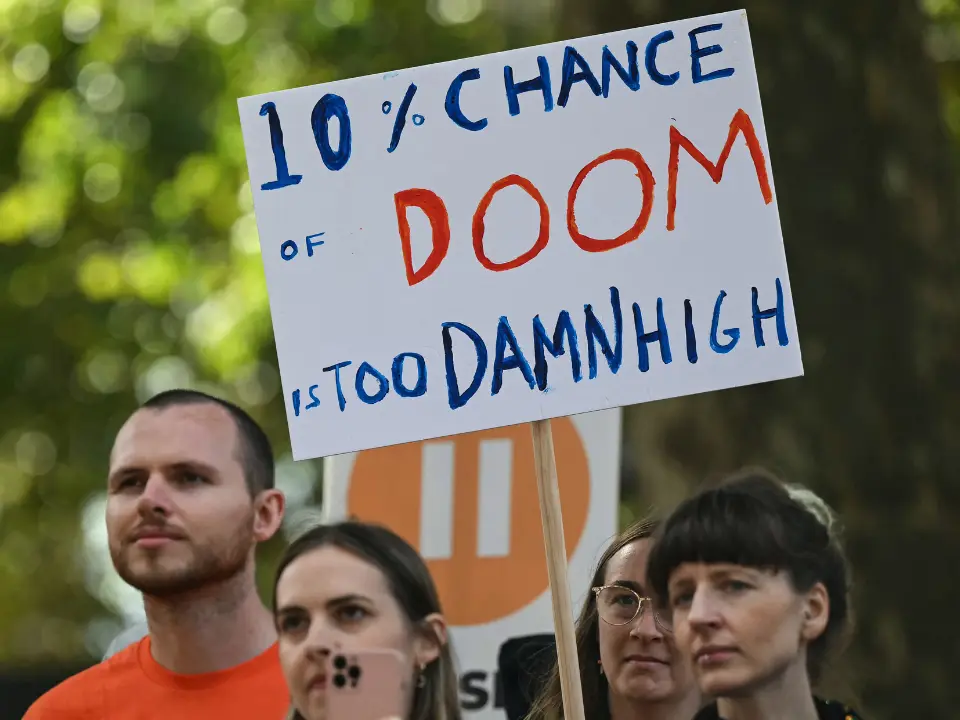)
Anti-AI activists storm summit, say 'incompetent' leaders are leading us into a disaster - 'We need a vote'
)
Samsung raises Galaxy S26 prices by Rs 20,000: Here’s what each model now costs
)
J&K Assembly Session begins amid chaos: BJP, ruling alliance clash as statehood demand dominates
)
Asian Games 2026: India women's cricket team beats Sri Lanka by 147 runs for first gold
)
Key accused in Bihar's Jamui molestation case, arrested after police shoot him in leg
)
Randeep Hooda arrives in Gujarat for his first National Film Award: ‘Very grateful’
)
US and China vie for AI dominance as calls grow for regulation | Gravitas
&im=FitAndFill=(700,400))
Anant Nag to recieve Dadasaheb Phalke Award: From Ankur to Nishant- Revisit his best films and iconic performances on OTT
)
UK banks are rethinking financial crime detection because of algorithm
)
FIFA chief Infantino wants to reform governing body with consultation from federations
)
India at UNGA81: Jaishankar warns global order under 'growing stress', pushes for ‘reformed multilateralism’
)
IND vs JPN, one-off T20I: Japan captain Kendel on pushing India to the brink - ‘It was special’
)
Raaka creates history! Allu Arjun’s film secures Guinness World Record ahead of release
)
Saudi Arabia exits China-led mBridge digital currency platform amid Saudi-Houthi conflict
)
Indonesian groups sue govt over wildfires as haze crosses borders, nearly 900,000 hectares burned
)
'Lot of things to learn from experienced players': Jayasuriya backs Rohit, Virat for 2027 ODI World Cup
)
$110 billion Warner Bros merger: Paramount reaches settlement with 12 US states
&im=FitAndFill=(700,400))
New OTT releases this week (September 21-27, 2026): Shaque: Trust No One, Hunkkaar, Don’t Be Shy- 5 new titles coming to Netflix, Prime Video and more
)
From ‘communist’ to ‘great mayor’: Trump praises Mamdani after New York meeting, discusses immigration and housing
)
Report: Zelensky meets CIA chief Ratcliffe at Shannon airport, weeks after his secret Moscow trip
)
How Zaheer Khan came to be CSK's head coach of IPL 2027
)
Pilot recreates Mona Lisa in sky over Oklahoma and Arkansas in four-hour flight: VIDEO
)
UK PM Burnham agrees to 'defensive' military support for Saudi Arabia against Houthis
)
Jailer 2: Vidya Balan joins Rajinikanth's upcoming film as Kantha | Watch
)
Microsoft executive called AI training the ‘largest theft of labour in human history’
&im=FitAndFill=(700,400))
National Film Awards 2026: Kartik Aaryan, Mammootty, Yami Gautam, Randeep Hooda and other key winners
)
40-foot waves crash into cruise ship in dangerous stretch near Antarctica. Watch
)
US-Iran war, peace deals and more: What to expect from Trump's UNGA 2026 speech
)
Explainer: Why rare-earth export licences and Board of Trade are US priorities ahead of Trump-Xi summit
)
Two infants die after fire breaks out at RIMS newborn care unit in Telangana's Adilabad
)
Rs 1.1 crore flying saucer: Chinese company selling spherical aircraft that can land on water
Balanced Budget Act (BBA):Legislation setting fiscal deficit targets for the government.
Banking sector:Financial institutions accepting deposits and providing loans.
Bharat Net (BNET):Government scheme to provide broadband connectivity to villages.
C:
Capital expenditure (capex):Government spending on infrastructure and assets.
Central Plan Expenditure:A part of the budget that is allocated to specific economic and social development programs.
D:
Direct benefits transfer (DBT):A schemeto transfer subsidies directly to beneficiaries' bank accounts.
Direct taxes:Taxes levied directly on individuals and businesses, like income tax or corporate tax.
Deficit:The gap between government income and expenditure.
Developed Economy vs Developing Economy:A developed economy usually belongs to a developed country that's doing well economically and has good stability. In contrast, developing economies, previously called lesser-developed economies, face challenges like poor infrastructure, slower growth, an uneven economy, and very low personal incomes.
E:
Excise duty:Tax levied on goods produced domestically.
Economic Survey:Annual report published by the Ministry of Finance before the Budget presentation.
Expenditure Budget:Document detailing the government's planned spending for the year.
F:
Fiscal deficit:Difference between total government spending and total non-borrowed revenue.
Food Security Act (FSA):Law guaranteeing subsidized food grains to millions of people.
Finance Act:Legislation passed by Parliament to implement the Budget proposals.
G:
Goods and Services Tax (GST):Indirect tax applied to most goods and services in India.
Grants:Financial assistance provided by the government to individuals, institutions, or states.
Green Climate Fund (GCF):International fund to support developing countries in climate action.
H:
Human Development Index (HDI):Measure of a country's progress in health, education, and living standards.
Housing for All:Urban and rural housing schemes for low-income groups.
I:
Indirect taxes:Taxes levied on goods and services at various stages of production and distribution, like GST.
Interest rates:Rates charged by banks for loans or paid on investments.
J:
Jan Dhan Yojana:Financial inclusion scheme providing bank accounts to all households.
Job creation:Number of new jobs created in the economy during a specific period.
K:
Kisan Credit Card (KCC):Government scheme providing credit to farmers at subsidized interest rates.
Krishi Vikas Yojana (KVK):Scheme to provide agricultural extension services to farmers.
L:
Local Area Development (LAD) funds:Funds allocated to MPs for development projects in their constituencies.
MGNREGA (Mahatma Gandhi National Rural Employment Guarantee Act):Scheme guaranteeing 100 days of work per year to rural adults.
M:
Manufacturing sector:Industry involved in the production of goods.
Monetary policy:Government policies influencing the money supply and interest rates.
Micro, Small and Medium Enterprises (MSMEs):Sector comprising small businesses contributing to the economy.
N:
Net Domestic Product (NDP):Value of all final goods and services produced within a country's borders in a given year.
Non-tax revenue:Government income from sources other than taxes, like dividends or fees.
O:
Off-budget financing:Government financial activities not included in the official budget.
Open Government Platform (OGP):Initiative promoting transparency and citizen participation in government.
P:
Plan versus non-plan expenditure:Categorisation of spending based on whether it contributes to development plans.
Public debt:Total amount of money owed by the government to creditors.
Q:
Quasi-expenditure:Expenses not directly reflected in the budget but incurred through government guarantees or loans.
R:
Revenue deficit: The differencebetween the government's non-tax revenue and its non-debt expenditure.
Revenue Expenditure vs Capital Expenditure:Revenue expenditure refers to expenditure that occursregularly, like routine expenses for running government departments and providing services. On the other hand, Capital expenditure is not regular; it isused for the purchase ofassets or for giving loans and advances.
S:
Sarva Shiksha Abhiyan (SSA):Government scheme for achieving universal elementary education.
Samagra Shiksha:Scheme for holistic development of school education.
Subsidies:Financial assistance provided by the government to producers or consumers to reduce the price of goods or services.
Sustainable Development Goals (SDGs):Global goals for environmental,economic,and social development.
T:
Tax incentives:Special tax benefits offered by the government to encourage certain activities.
Tariff:Tax levied on imported goods.
Transparency:Openness and accountability in government policies and spending.
U:
Union Budget:Annual statement of the government's finances including income,expenditure,and deficit.
Urban development:Government programs aimed at improving infrastructure and services in cities.
V:
Value Added Tax (VAT):Indirect tax levied on the added value of goods and services at each stage of production and distribution (predecessor to GST).
Village Health and Sanitation Scheme (VHSN):Program to improve public health and sanitation in rural areas.
W:
Women empowerment:Government initiatives to improve women's social and economic status.
X:
X-Factor:Unforeseen events or changes that might impact the budget projections.
Y:
Youth development:Government programs aimed at developing the skills and opportunities for young people.
Z:
Zero-based budgeting:Approach where each expense needs to be justified from scratch,rather than simply rolling over previous allocations.