&imwidth=800&imheight=600&format=webp&quality=medium "BSE’s 900% rally in peril as Jane Street ban sparks sell-off")
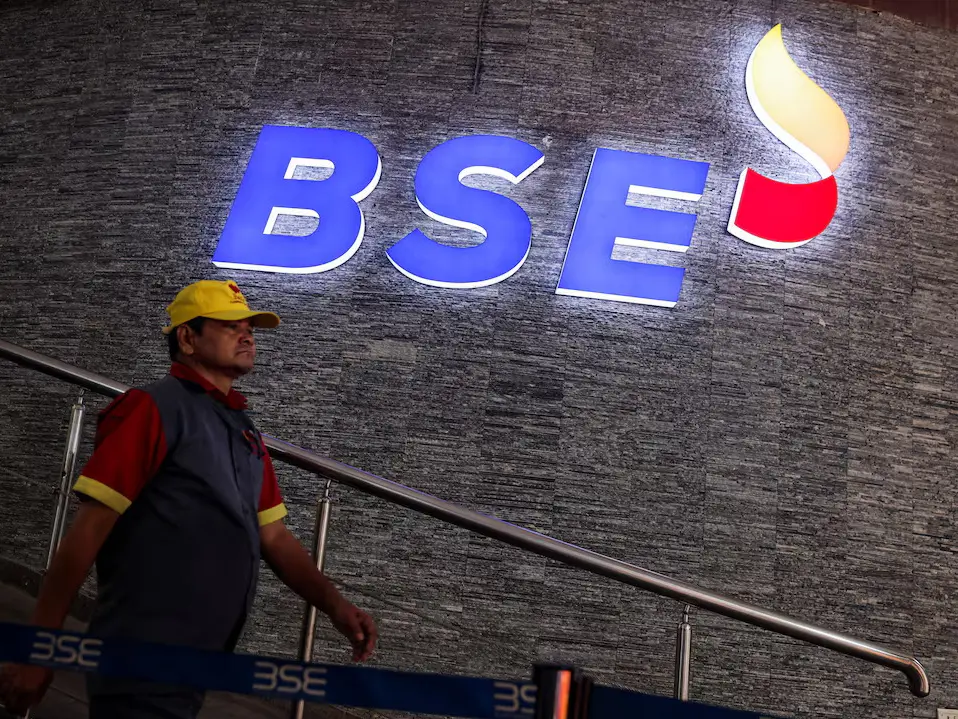
Asia’s oldest stock exchange has found itself in the spotlight for the wrong reasons, just as it was preparing to mark its 150th anniversary. A regulatory crackdown and a high-profile trading ban have shaken confidence in BSE Ltd., threatening to end a rally that sent its stock surging over 900 per cent in just two years.
What happened?
BSE’s troubles deepened in early July when India’s market regulator cracked down on alleged price manipulation in the booming derivatives trade. According to Bloomberg, the Securities and Exchange Board of India (SEBI) barred Jane Street Group, a major US high-frequency trading firm, from local markets, accusing it of distorting prices at the expense of small investors. Jane Street has denied the allegations.

This move followed rising concern about retail investors suffering mounting losses in India’s thriving derivatives market, a segment that had turned into a goldmine for exchanges like BSE. The regulatory scrutiny sent shockwaves through the market. Bloomberg reports that trading volumes slumped, and BSE’s stock price tumbled sharply, recording one of its worst single day declines this year. By early July, its share price was down more than 20 per cent from its June highs, wiping away part of the stunning rally that had powered it to record valuations.
Why it matters?
The fallout raises serious questions about the sustainability of BSE’s recent success. Fueled by an explosion in derivatives trading, BSE’s profits had soared. Derivatives now make up more than half its revenue. The exchange’s net income jumped over four times year-on-year to nearly 5 billion rupees ($58 million) in the March quarter, Bloomberg notes.
Trending Stories
)
No Pandya as Auqib Nabi earns maiden ODI call-up; Mayank returns for WI T20Is| check full squads
)
Chiefs tight end Travis Kelce named one of the victims in $35 million ponzi scheme
)
Trump praises India’s Opium crackdown, hails anti-drug efforts
)
Sydney Sweeney defends provocative ad choice, the internet is still not impressed
)
Former India player Diana Edulji wants Smriti Mandhana to replace Harman as skipper at the earliest
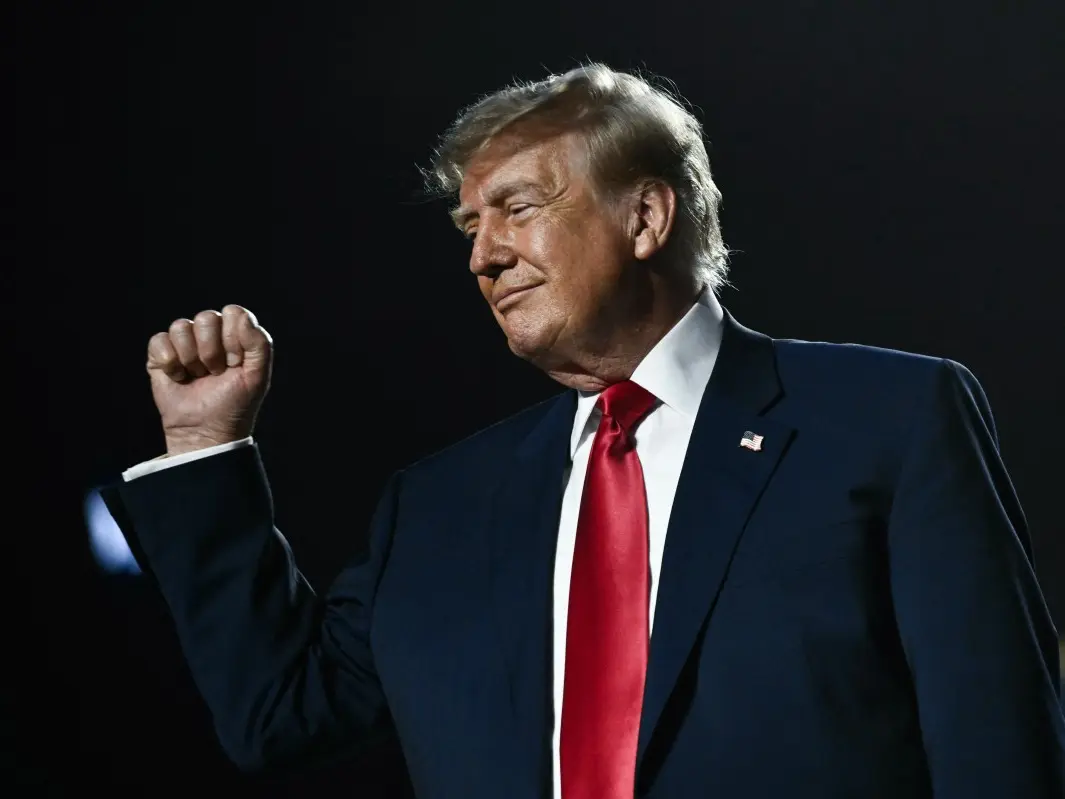)
Trump calls Canada-EU associate membership plan ‘laughable’ and threatens 'very serious tariffs'
)
Protests erupt over migrant housing plan in Piddington
)
Shahzad Bhatti Network declared terrorist organisation under UAPA: Govt order
)
Europe wants a common playbook for security threats, seeks security beyond NATO
)
Formula One reveals the 2027 race calendar; Monaco to host sprint race for the first time
)
All Indian goods to get duty-free access to New Zealand
)
Bigg Boss 20: Mahhi Vij reveals she lost Yuva role to Kareena Kapoor; 'didn’t work out in my favour'
)
Lionel Messi for 2026 Ballon d’Or over Mbappe and Yamal, says Diego Simeone
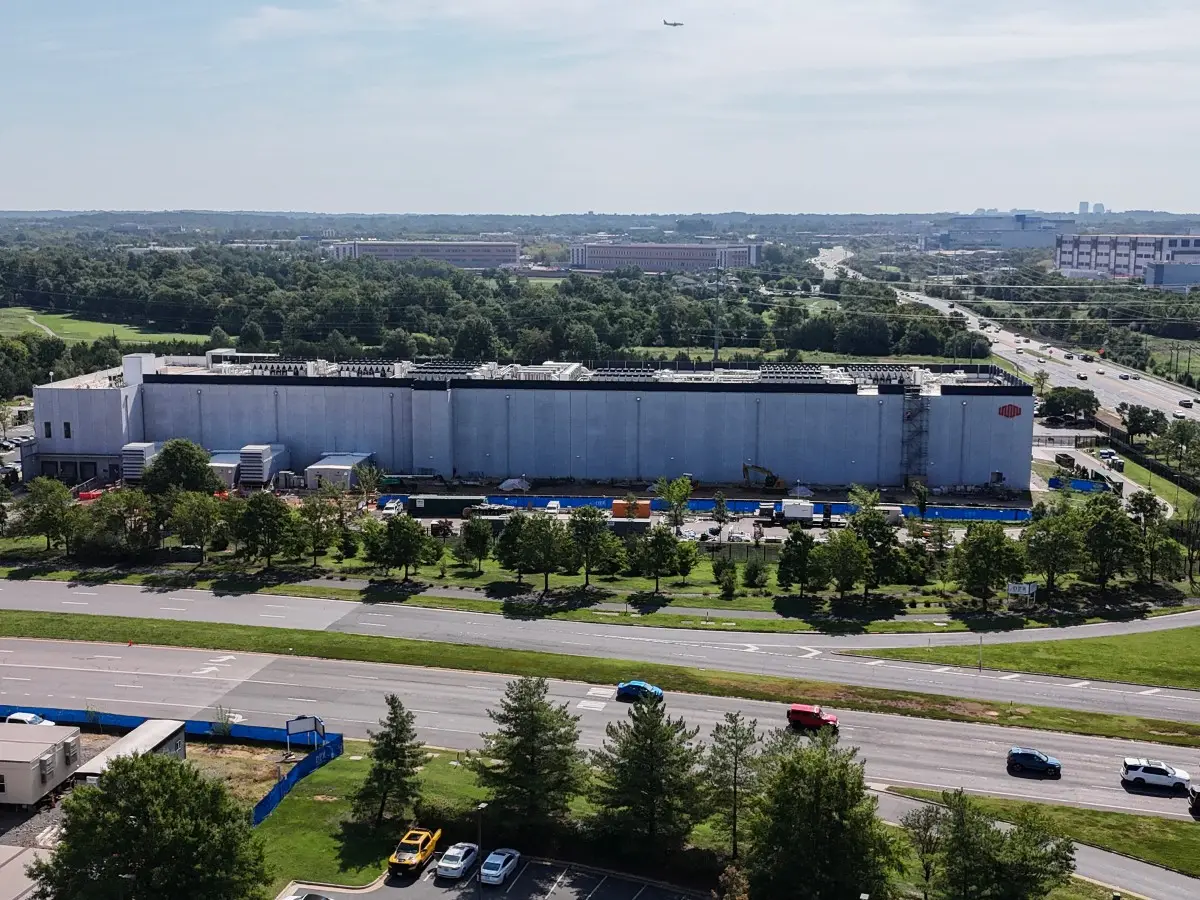)
US House votes 417-3 to pass Ratepayer Protection Act targeting AI data center electricity costs
)
Hong Kong unveils 11 new measures to boost birth rates, offers higher cash bonuses and housing perks
)
Former OpenAI researcher warns of growing risks from Artificial Intelligence
)
Veteran actor Anant Nag honoured with Indian cinema’s highest award
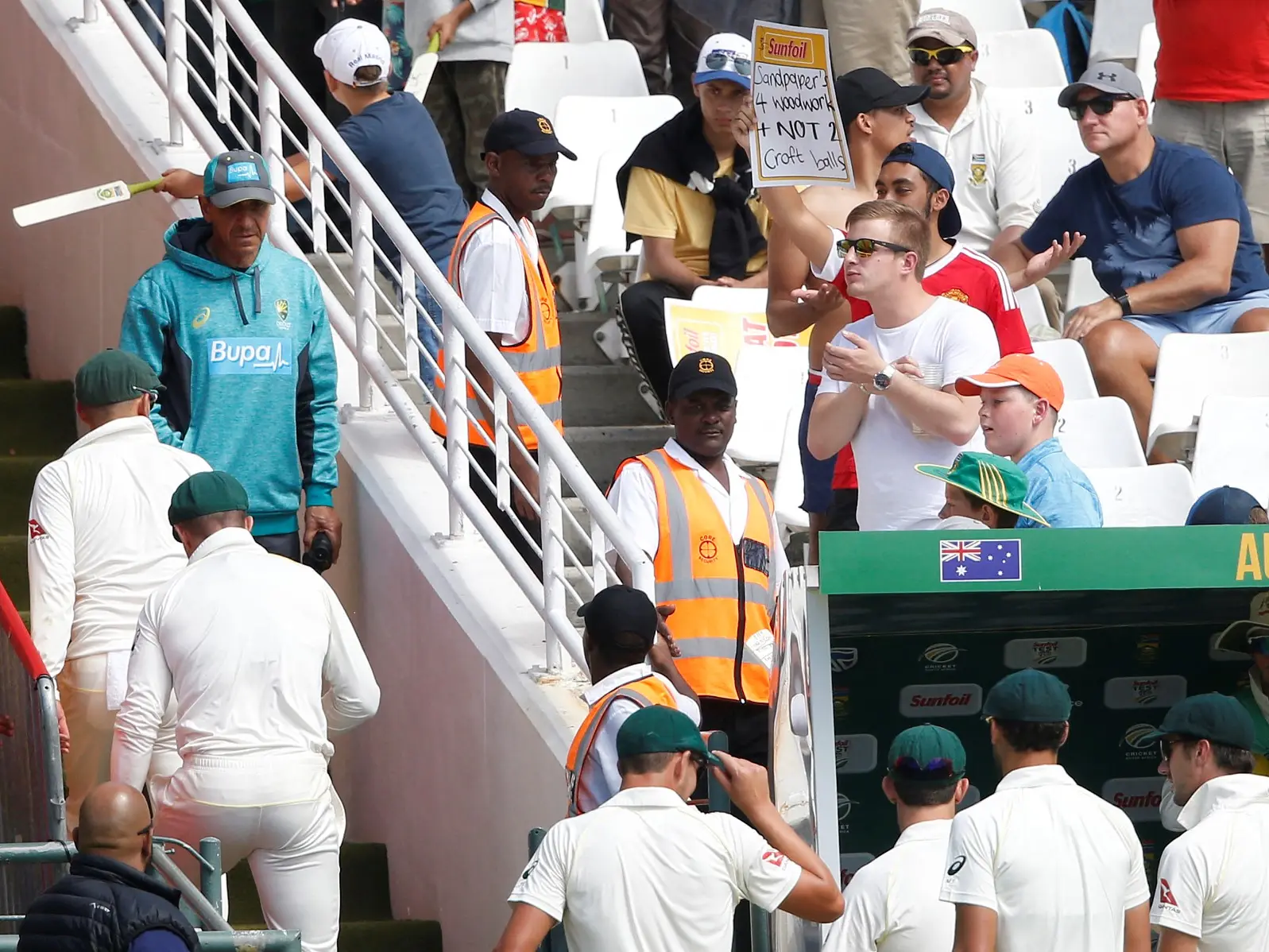)
AUS vs SA: Steve Smith still gets 'little flashbacks' from sandpaper gate
)
Pakistan naval vessel returns to harbour with 'severe damage' after collision with Indian warship in Arabian Sea
)
Fed raises rates for first time in 3 years, Kevin Warsh defies Trump as inflation mounts
)
Katrina Kaif’s postpartum weight is not the problem; your gaze is
)
Taiwan seeks deeper India ties as direct flights restart soon and chip projects advance
)
Daayra movie review: Kareena Kapoor, Prithviraj Sukumaran shine in Meghna Gulzar’s cop-versus-cop crime thriller
)
Saudi Vs Houthis: Yemeni military rebels clash with Houthis
)
Pak batter Rizwan's petition against being questioned by cyber crime agency rejected by court
)
US trade tariff: 100% tariff targets Russian buyers amid trade tensions
)
Pakistan: Imran Khan's sons Kasim & Sulaiman claim their father is 'tortured' in jail
&im=FitAndFill=(700,400))
New OTT releases this week (September 14-20, 2026): Lust Stories 3, Waiting Hai, Irumudi- 5 new titles coming on Netflix, Prime Video and more
)
Trump gets new power to hit India, China with up to 100% tariffs as US Senate clears Russia sanctions bill
)
Prime Minister Narendra Modi's birthday: Italian PM Meloni sends birthday wishes
)
‘Imagine 50 AI fighters cornering one manned jet’: India’s mobbing doctrine eyes a new era of air warm
)
Saudi vs Houthis: Riyadh claims to have shot Houthi drone targeting Mecca
)
US Treasury rallies global financial institutions for Op Economic Outcast to isolate Iran
)
India breaks silence on US Russia sanctions bill, 100% tariff threat: ‘Committed to energy security’ for 1.4 billion
)
Pakistan boycotts chess match against Israel at Olympiad
)
Want to get married within a year? Why 18 lakh people rush to Jaipur for ‘sacred henna’
&im=FitAndFill=(700,400))
Suriya and Jyothika say ‘I do’ again after 20 years! See their dreamy wedding pics
)
Abhishek Sharma rises to No. 2 in T20Is; ENG’s Robinson 3rd after record Pakistan Tests
)
The Early Spring season 2 is happening, but fans have one request - 'don't change the actors'
But the same speculative boom that brought in profits has also drawn regulatory scrutiny. SEBI had already moved last year to cool options trading volumes, and analysts fear more restrictions could follow. According to Bloomberg, brokerage Jefferies estimates that the Jane Street ban and the resulting dip in trading activity could shave several percentage points off BSE’s annual earnings per share. Market watchers say BSE now faces a turning point. It will need to show that it can adapt its business model, invest in new products, and protect retail investors if it wants to maintain its growth.
BSE's historic legacy
Founded in 1875 in Mumbai, BSE is Asia’s oldest stock exchange. What started as a group of brokers trading under a banyan tree has grown into a marketplace with over 5,000 listed companies. Its journey has included big reforms. After India’s infamous Harshad Mehta scam in the early 1990s shook investor confidence, SEBI was strengthened, and the fully electronic National Stock Exchange (NSE) was created, quickly becoming BSE’s toughest rival.
In recent years, BSE has invested heavily to modernise its platform and improve transparency. CEO Sundararaman Ramamurthy told Bloomberg the exchange’s derivatives contracts tied to its flagship Sensex index have become the fastest-growing in the world. Yet despite those achievements, BSE’s share of India’s daily cash trading remains stuck at around 6 per cent, well behind NSE.
Looking ahead
Investors remain divided on what comes next.
Some see SEBI’s crackdown as necessary to ensure markets remain fair and safe, especially for retail traders. Others worry that tighter rules will dampen the speculative trading that boosted BSE’s revenues.
Dubai-based investor Siddharth Balachandran, one of BSE’s largest private shareholders, told Bloomberg he welcomes stricter oversight. For him, the exchange is still a proxy for India’s long-term growth story and one worth holding onto. As BSE marks its 150th year, its leadership is being tested once again. It will need to balance growth ambitions with market integrity to prove it can thrive in an era of tougher scrutiny.