Boeing's potential acquisition of Spirit AeroSystems raises questions over ties to Airbus


File photo of the Boeing logo.
As Boeing explores a potential acquisition of Spirit AeroSystems, discussions are underway regarding the fate of Spirit's ties to Airbus, posing complexities for Boeing's strategic plans.
Reuters cited sources familiar with the matter who revealed Boeing's consideration of shedding or significantly reducing specific Spirit businesses that supply crucial components to Airbus.
The move comes amidst Boeing's efforts to regain control over its production chain and address challenges stemming from a recent crisis, including a mid-air cabin panel blowout on a 737 MAX 9 aircraft in January.

The Airbus-related business constituted a significant portion of Spirit Aero's revenue in 2023, accounting for approximately a fifth of its total earnings.
Despite the possibility of completing a Spirit purchase without selling these businesses, Boeing is exploring various options to navigate regulatory and operational hurdles.
Boeing's defensive strategy extends to potential concerns from European regulators regarding Airbus's reliance on a major competitor for critical components in its supply chain.
)
Did India risk its US trade deal despite softer stance at BRICS?
)
Pakistan puts Pak Rs 70 lakh bounty on UN terrorist Masood Azhar; move draws skepticism in Delhi
)
First naval drone battle? Ukraine says Sargan 3000 sank Russian unmanned boat
)
Practical Magic 2 breaks Spidey spell over North American box office
)
'Huge destructive power': North Korea calls its latest missile launches 'live-fire drill' even as US dismisses 'immediate threat'
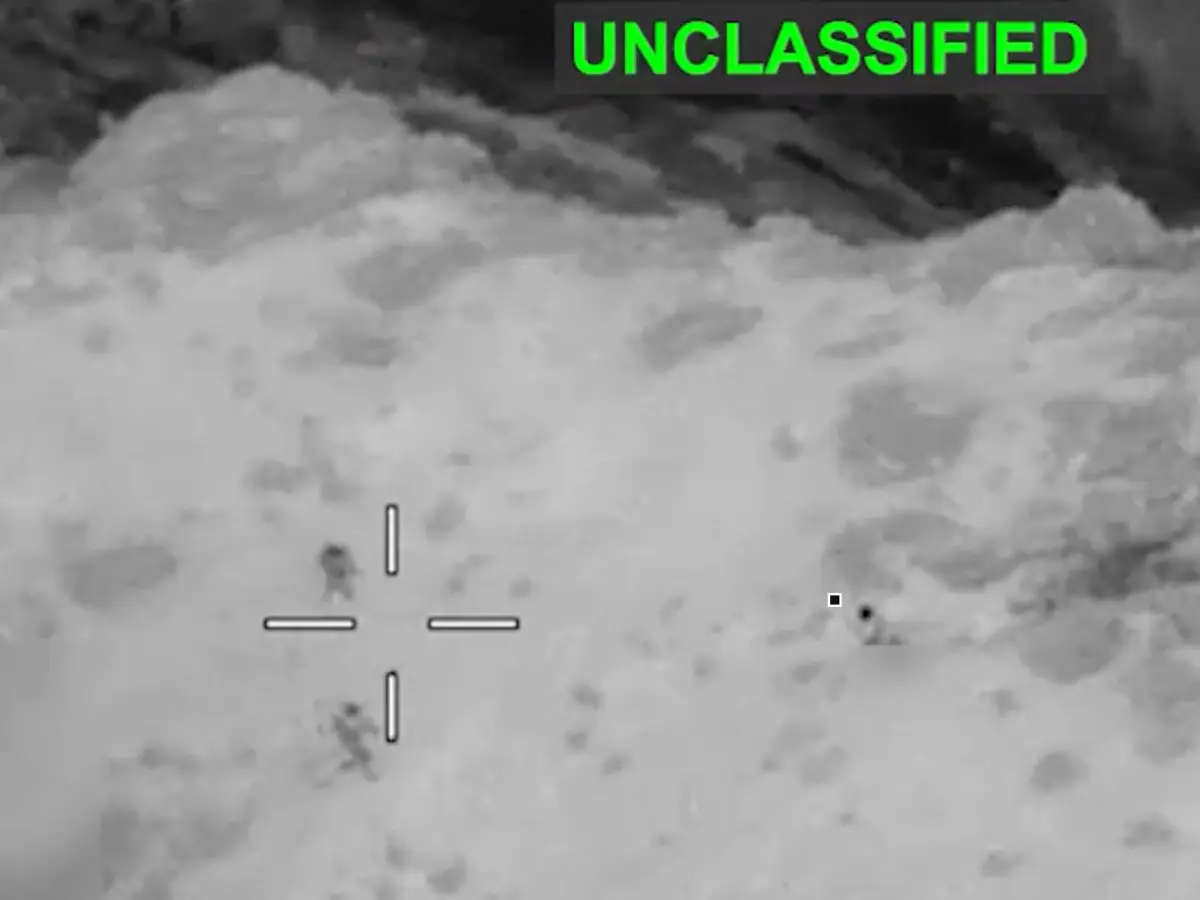)
‘Let’s go’: Newly declassified videos show dramatic rescue of US Air Force officers downed in Iran
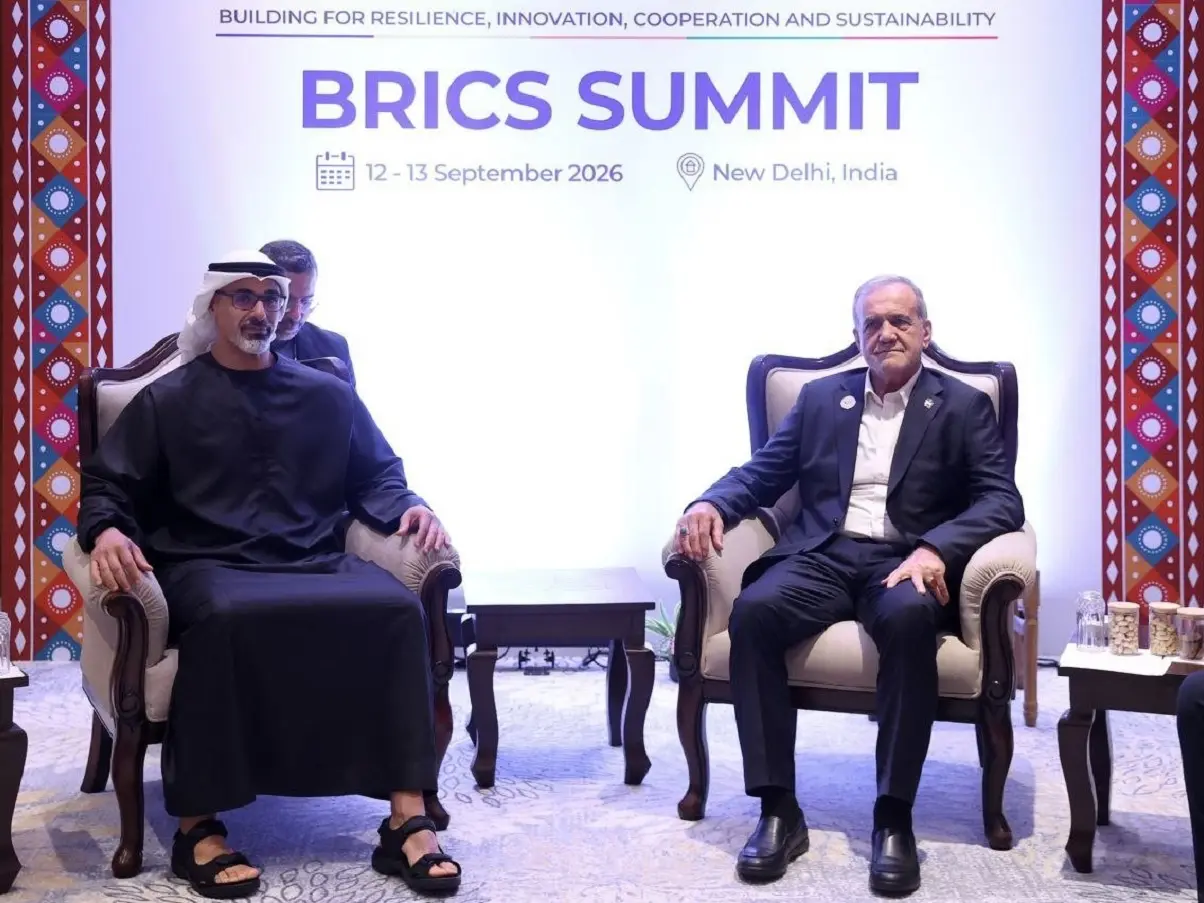)
Delhi’s balancing act: BRICS serves as a stage for West Asia diplomacy
&im=FitAndFill=(700,400))
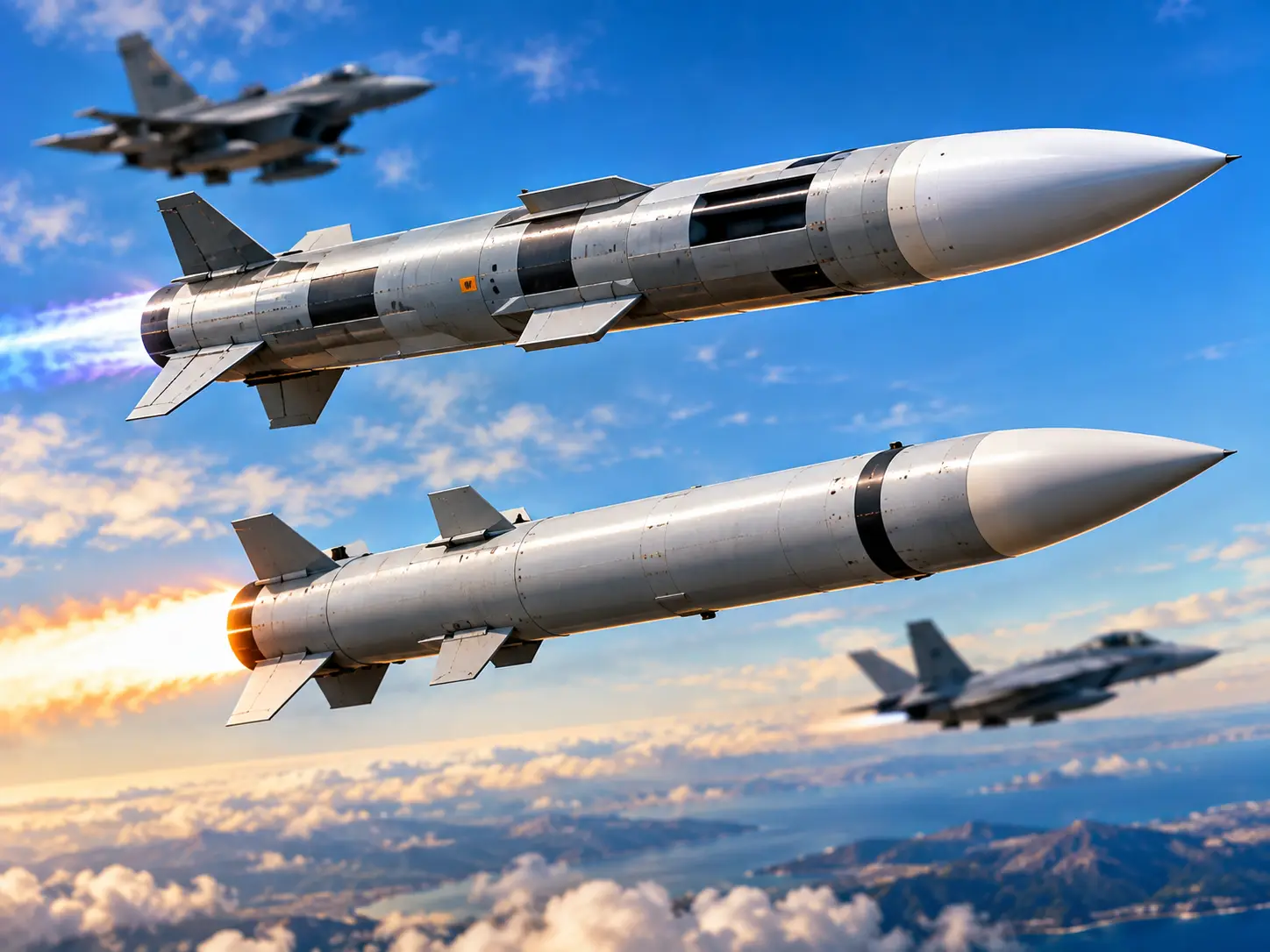
Why European Meteor missiles use ramjet engines compared to standard US solid rockets
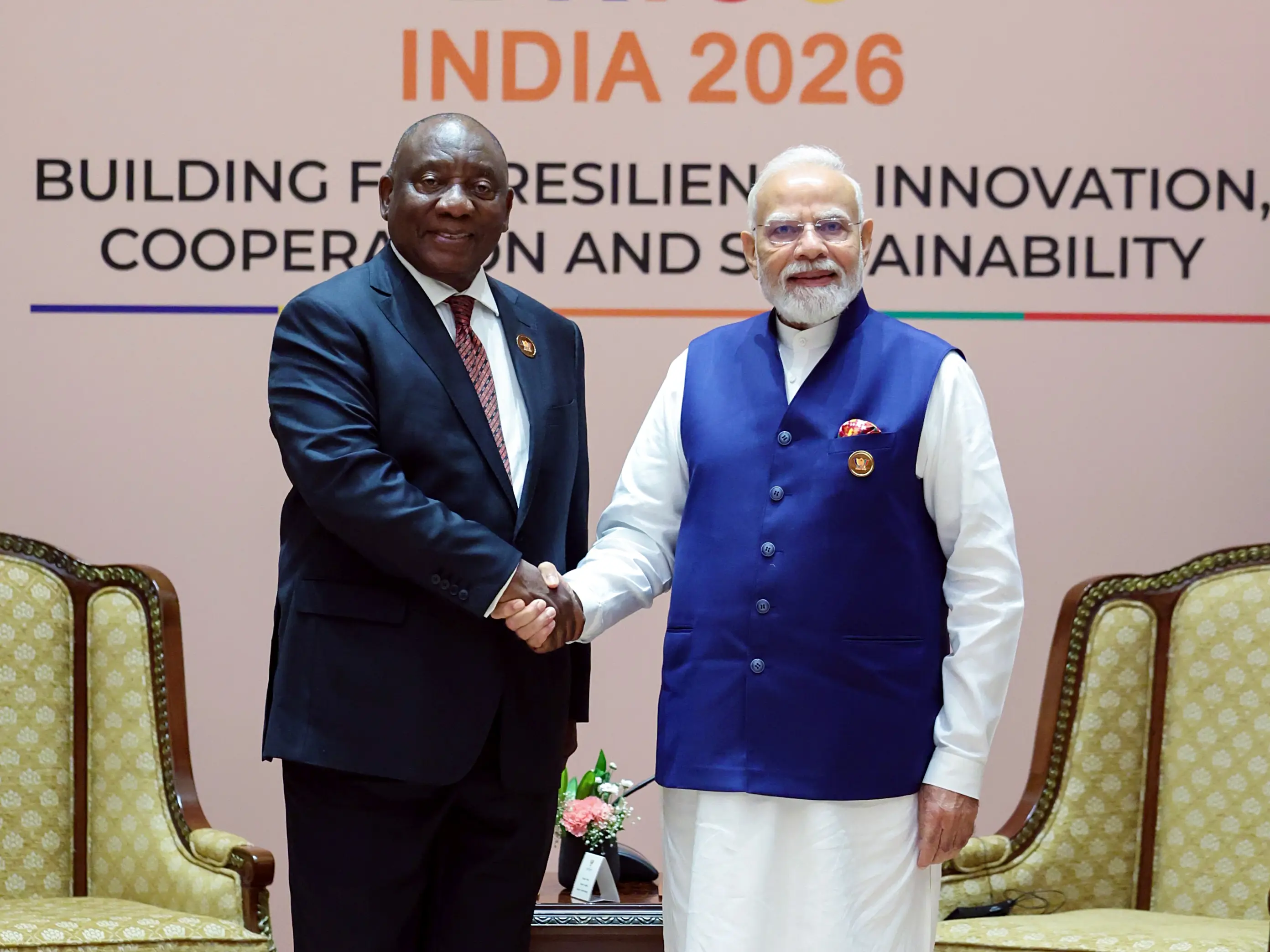)
‘India did extremely well’: South African President Cyril Ramaphosa praises BRICS leadership
)
Iran, India agree to deepen humanitarian and political ties, President Pezeshkian says
)
‘Want to reset ties with India, have engagement based on mutual interests,’ says Bangladesh minister
)
Trump says Canada eager to reach a deal, it could come ‘fairly soon’ if Ottawa treats US farmers better
)
Turkish Airlines plane flies through a storm three times, triggering severe turbulence
&im=FitAndFill=(700,400))
Why Chinese PL-15 air-to-air missiles use dual-pulse motors compared to European interceptors
)
China thinned Himalayan troop presence in 2025, India defence report says; terms border situation 'stable'
)
800 million years old - Scientists discover 'fingerprints' of supercontinent Gondwana in ancient rocks
)
Russia proposes to build 360 kmph Ivolga FG trains in India: What happened on sidelines of BRICS
)
Israeli minister calls to strip Gaza film directors of citizenship
)
China discovers vast gold and silver 'mine' in the Pacific with unheard-of deposits
)
Russian drone hits Warsaw-bound train near Polish border, Zelensky accuses Moscow of ‘deliberate’ targeting
)
War is making Russia stronger? How Ukraine is shaping Moscow’s next generation of weapons
)
Plane carrying prominent figure crashes at Libya’s Misrata airport: Report
)
Veteran Bollywood actress Nafisa Ali shares health update as Stage 4 cancer progresses, starts targeted therapy
)
NEET-UG to move to computer-based test soon, NTA DG says ‘CBT is the future’
)
Woman removes all her clothes on American Airlines flight, performs 'indecent acts'; arrested
)
Liam Neeson sparks romance rumours after holding hands with Stella Stocker at TIFF 2026
&im=FitAndFill=(700,400))
New OTT releases this week (September 14-20, 2026): Lust Stories 3, Waiting Hai, Irumudi- 5 new titles coming on Netflix, Prime Video and more
)
Indian importers urge Bangladesh to lift export ban on 'Hilsa' fish ahead of Durga Puja
)
Video of Pakistani lawmaker struggling to read English tribute to Jinnah goes viral - WATCH
)
Did China give Iran intel before US base strike that killed 3 troops? Trump says, 'You’re right...'
)
Meghan Markle shares first glimpse of family life with Prince Harry and children in UK
)
Crude oil prices jump more than $107 per barrel following Houthi attacks on Saudi
)
Women's Asia Cup 2026: India denied trophy once again despite winning the title
)
Humans may lose control of AI: Anthropic CEO calls for slowdown, Altman, Musk back him
The intricate nature of these components, customised using proprietary design and technology, raises questions about the feasibility and implications of such dependencies.
While Airbus's options to block a sale of Spirit to Boeing are limited, the aerospace giant holds considerable lobbying power and may explore avenues to influence the outcome of negotiations.
Although discussions are ongoing, the specifics of Airbus's stance regarding the potential acquisition remain uncertain.
Airbus's response could significantly impact the trajectory of negotiations, with the company assessing various options to safeguard its interests.
Boeing's evaluation includes exploring the interest of other entities in Spirit's Airbus-related business, although concrete developments in this regard have yet to emerge. Both Boeing and Airbus declined to comment on the matter.
Spirit AeroSystems, meanwhile, emphasises its commitment to acting in the best interests of its stakeholders amidst ongoing commercial negotiations with Airbus.
While the company refrains from providing detailed insights into these discussions, it underscores the viability of multiple options under consideration.
Spirit's backlog, including projects for both Airbus and Boeing, stands at approximately $49 billion, indicating the magnitude of its operations across various commercial platforms.
Critical to the discussion is Spirit's role in supplying key components for Airbus aircraft, particularly its involvement in producing fuselage sections and wing parts for the Airbus A350 wide-body jet.
Aerospace analysts highlight the sensitivity surrounding Airbus A350 composite technology and the potential implications of changing ownership dynamics in Spirit's operations.
(With inputs from Reuters)