Bessent points to ‘makings of a deal’ between US and China amid tariff tension

&imwidth=600&imheight=450&format=webp&quality=medium "Bessent points to ‘makings of a deal’ between US and China amid tariff tension")
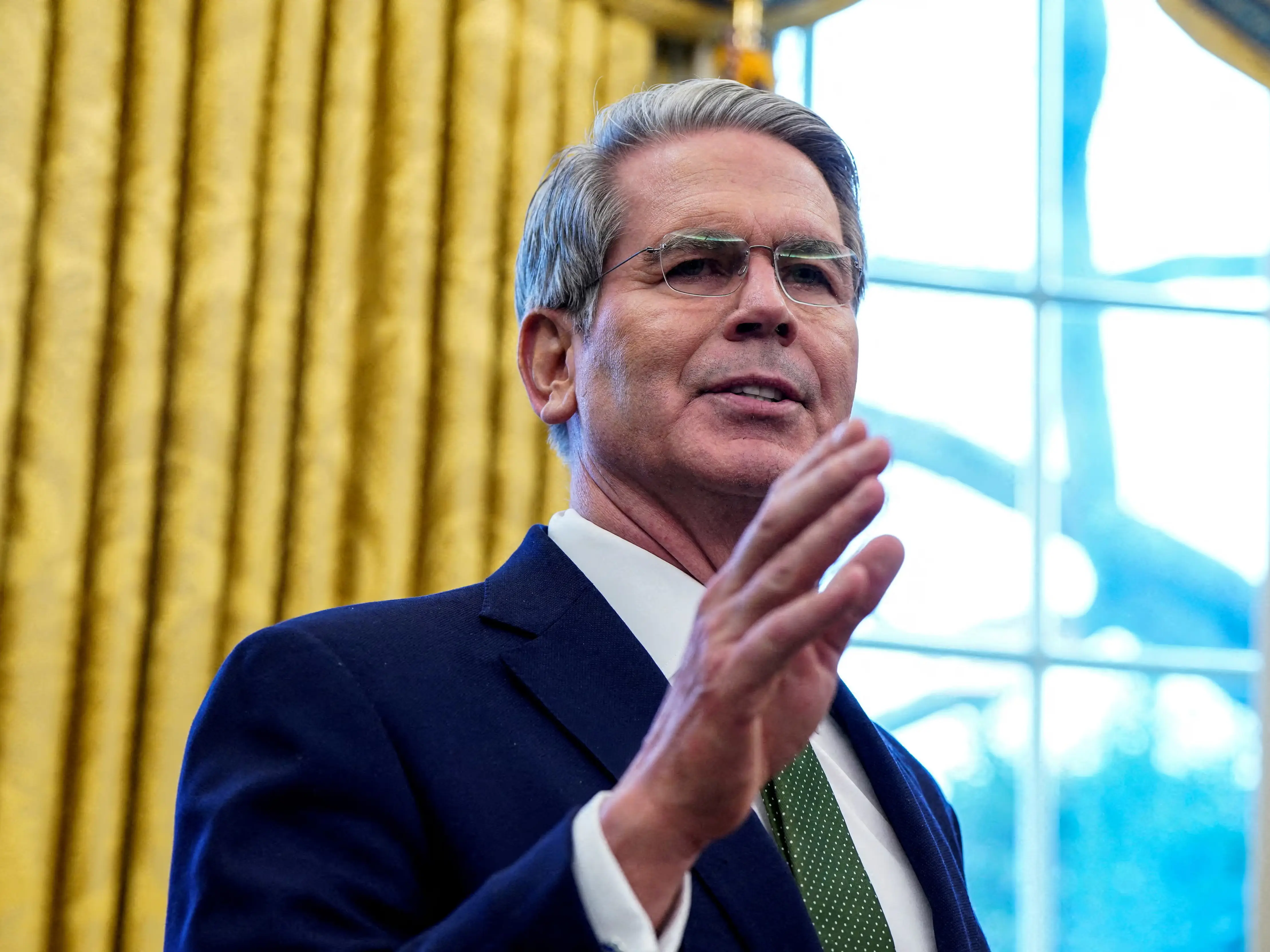
US Secretary of the Treasury Scott Bessent speaks at the White House. Photograph: (Reuters)
US Treasury Secretary Scott Bessent says talks with China are progressing, raising hopes of a breakthrough ahead of Trump’s looming tariff deadline.
The United States and China may be inching closer to a comprehensive trade agreement, according to US Treasury Secretary Scott Bessent, who expressed cautious optimism following a fresh round of negotiations in Stockholm this week. In a now-deleted social media post on X, Bessent wrote, “This week’s negotiations in Stockholm have advanced our talks with China, and I believe that we have the makings of a deal that will benefit both of our great nations.” He added, “I am optimistic about the path forward.”
The post was later taken down due to a technical error involving image uploads, but a Treasury Department spokesperson confirmed to Reuters that the language reflected Bessent’s consistent public messaging. The post has since been re-uploaded without any changes to the text.
Tariff truce under pressure
As per Reuters, the comments come at a critical moment in US–China trade relations. China is facing an August 12 deadline to reach a durable tariff agreement with the Trump administration. This follows preliminary truces in May and June, aimed at pausing a sharp escalation in tariffs and curbing the looming threat of a full rare earth export cutoff by Beijing.
In a televised interview with CNBC on Thursday, Bessent reiterated that “the United States believes it has the makings of a trade deal with China, but it is not 100% done.” He said US negotiators had “pushed back quite a bit” during the two days of intensive discussions in Sweden’s capital.
Trump’s hardline stance adds urgency
Trending Stories
)
)
)
)
&im=FitAndFill=(700,400))
)
)
)
)
)
)
)
)
)
)
)
)
)
)
&im=FitAndFill=(700,400))
)
)
)
)
)
)
)
)
)
)
)
&im=FitAndFill=(700,400))
)
)
)
&im=FitAndFill=(700,400))
The talks in Stockholm marked the first formal high-level dialogue since President Donald Trump warned of “massive retaliatory tariffs” if China failed to secure a long-term agreement by mid-August. The President has already reinstated a series of duties on Chinese goods, ranging from 10 to 41 per cent, affecting sectors such as electronics, automotive parts, and machinery.
While no official joint statement was issued after the Stockholm round, Bessent’s remarks suggest measurable progress, even as both sides remain entrenched over key issues such as technology access, state subsidies, and enforcement mechanisms. Despite lingering friction, Bessent’s upbeat tone is being viewed as a potential confidence signal for global markets, which have remained jittery over supply chain disruptions and a potential downturn in US–China trade.
As Reuters noted, the Treasury Secretary’s remarks align with broader efforts by Washington to balance assertive trade enforcement with strategic economic diplomacy. Beijing, for its part, has not yet commented officially on the Stockholm talks, but Chinese state media have signalled a preference for a “constructive resolution.” With just ten days left until Trump’s deadline, the world’s two largest economies appear to be navigating a fragile path, one that could either stabilise the global trade architecture or tip it into renewed chaos.
(With inputs from the agencies)