Tesla sues former supplier Matthews over EV battery trade secrets

Tesla logo (Photo: Unsplash)
Tesla has taken legal action against its former supplier, Matthews International, by filing a lawsuit in a California federal court. The allegations put forth by Tesla are serious in nature, claiming that Matthews International has misappropriated confidential trade secrets pertaining to Tesla's cutting-edge battery manufacturing process. Tesla asserts that Matthews has not only stolen these trade secrets but has also shared this proprietary information with Tesla's competitors in the electric vehicle industry.
The legal proceedings were initiated on Friday when Tesla filed the lawsuit in the United States District Court for the Northern District of California. In the court documents, Tesla has made a substantial claim for damages, stating that the company "conservatively estimates" the amount owed by Matthews to exceed a staggering USD 1 billion. This enormous sum is attributed to what Tesla alleges is the misuse of its trade secrets, specifically those related to dry electrode battery manufacturing technology.
In response to these allegations, Matthews International has not remained silent. The company issued a statement on Monday, vehemently denying Tesla's claims. Matthews characterised the lawsuit as "simply a new tactic" in what they describe as Tesla's "ongoing efforts to bully Matthews."

Furthermore, Matthews accused Tesla of attempting to "improperly take Matthews' valuable intellectual property." The company has made it clear that they intend to mount a vigorous defense against these allegations.
As of Monday, representatives from Tesla, including their attorneys and spokespersons, had not provided any immediatecomments or responses to inquiries about the lawsuit.
The complaint filed by Tesla sheds light on the business relationship between the two companies. According to the document, Matthews International, a company based in Pittsburgh, began its role as a supplier to Tesla in 2019.
)
US-China tech war: Businesses in the front line
&im=FitAndFill=(700,400))
New OTT releases this week (September 21-27, 2026): Shaque: Trust No One, Hunkkaar, Don’t Be Shy- 5 new titles coming to Netflix, Prime Video and more
)
Gravitas | Boosting NHS productivity could save 20,600 lives in UK annually: Report
&im=FitAndFill=(700,400))
National Film Awards 2026: Kartik Aaryan, Mammootty, Yami Gautam, Randeep Hooda and other key winners
)
Forget apps: Qualcomm CEO says AI agents will change how we use smartphones
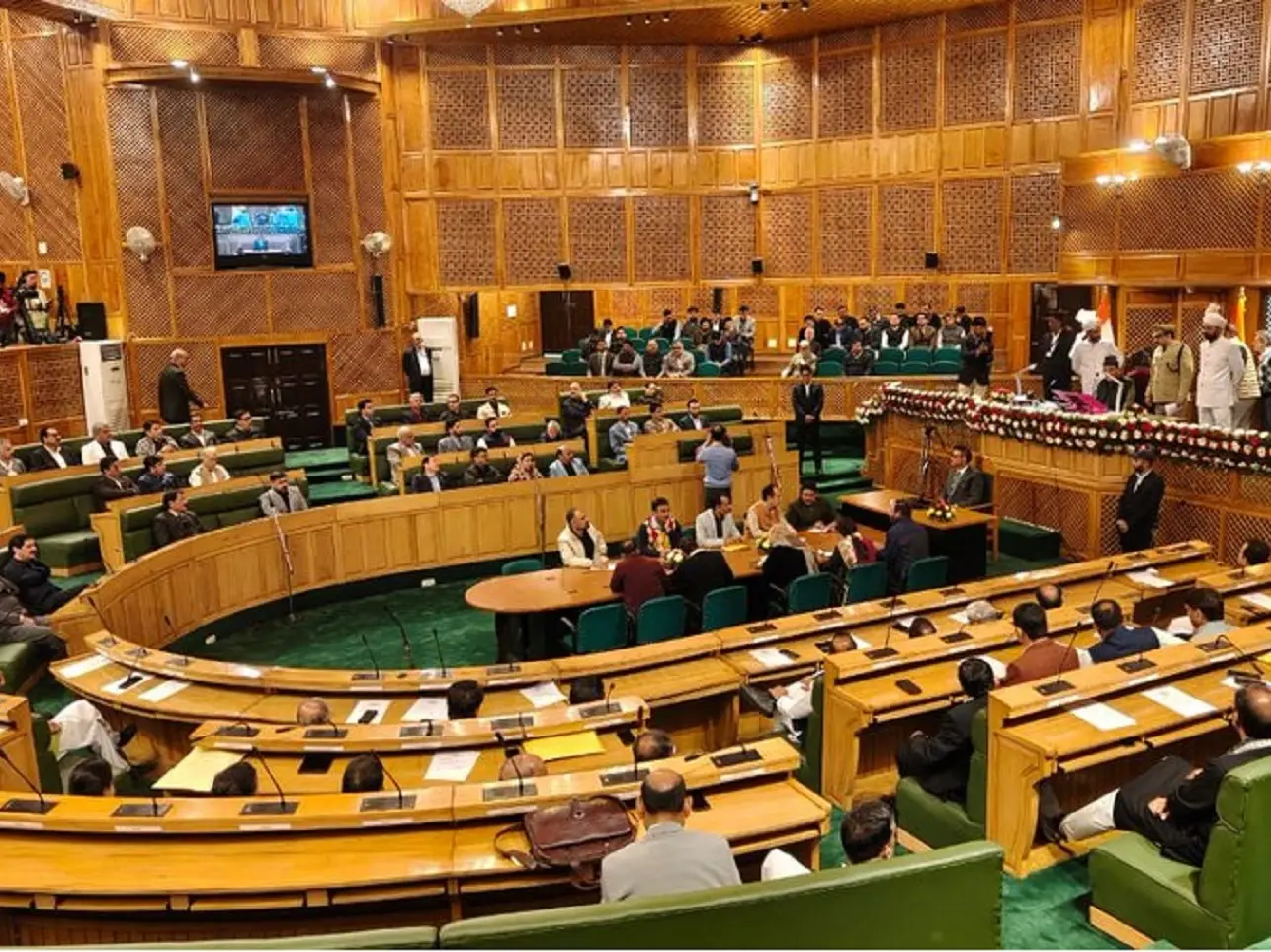)
Over 4,200 books withdrawn from circulation in J&K colleges, 94% from Kashmir
)
Trump calls on nations to quit ‘rogue’ and ‘out-of-control’ International Criminal Court, rips UN
)
WION Iconic Tourism Summit and Iconic Awards 2026: India's travel economy leaders gather in Delhi
)
Infections transmitted from pregnant woman linked to autism risk
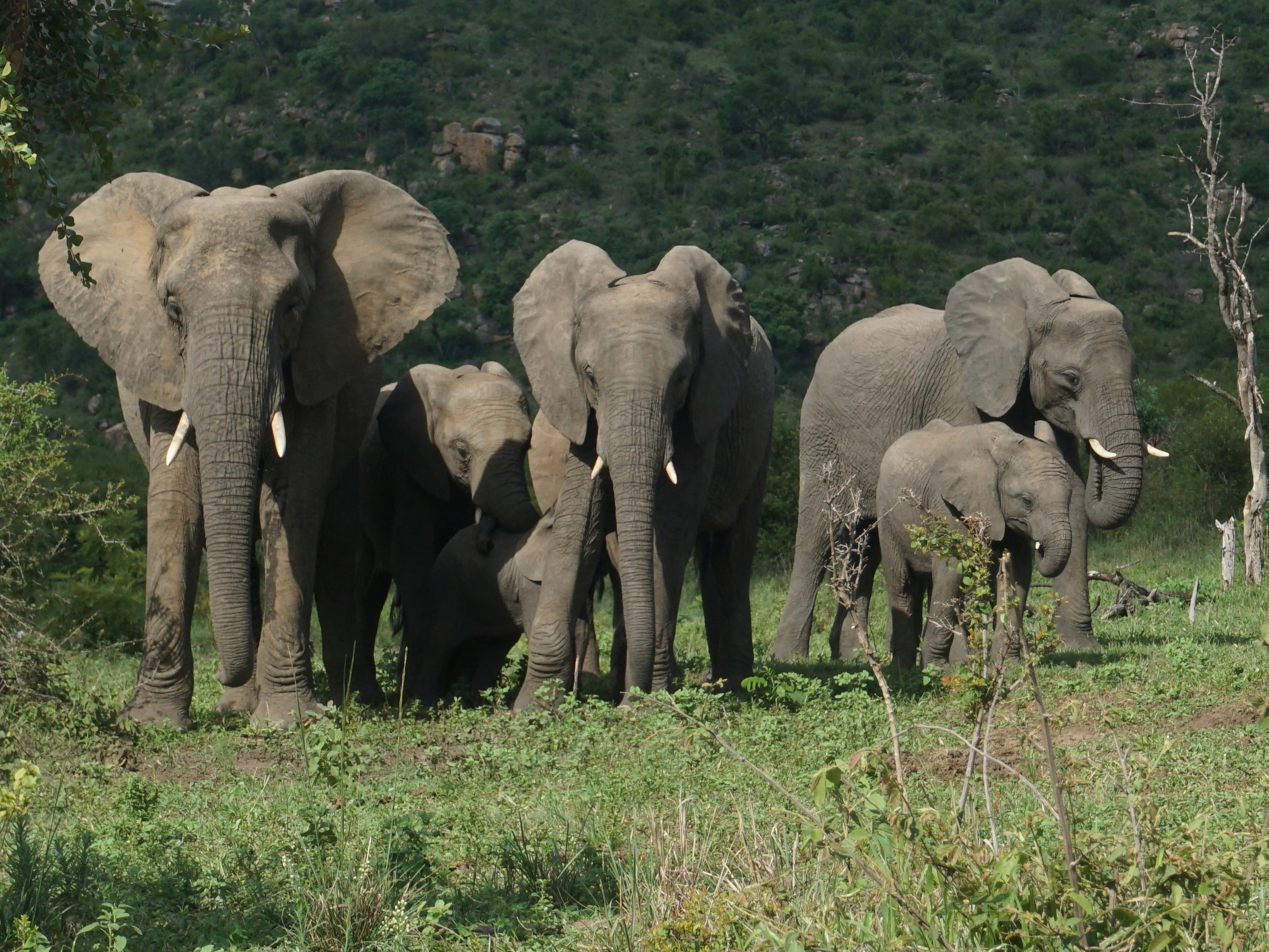)
Elephants hide behind trees, stage surprise attack on poachers targeting rhinos in South Africa
)
Bomb scare in New York amid UNGA: Suspicious suitcase found near UN headquarters
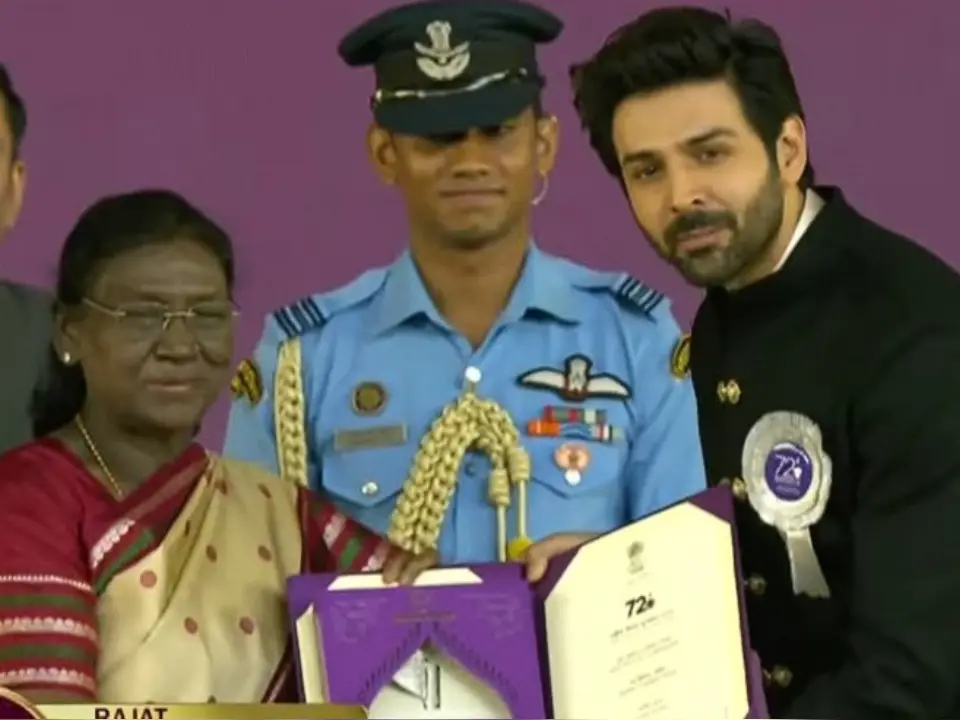)
'Mumma’s boy from Gwalior who dared to dream': Kartik Aaryan pens long note after first National Award win
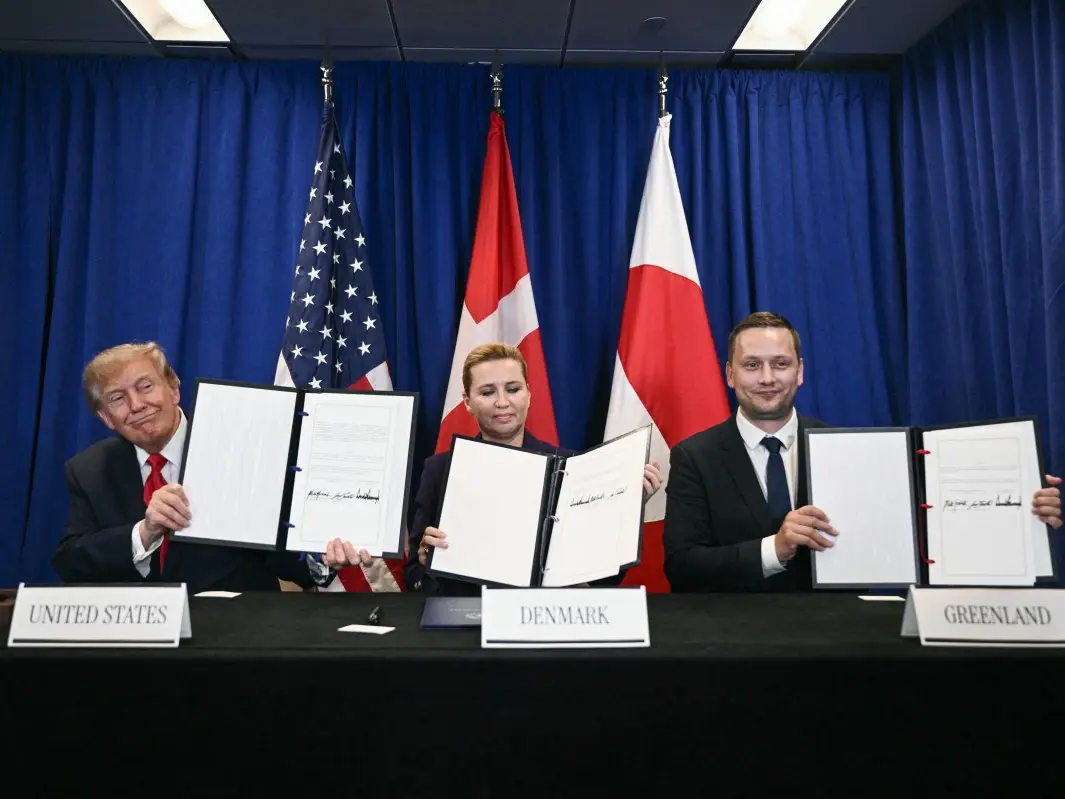)
Trump signs Greenland security deal with Denmark, paving way for two new US military bases
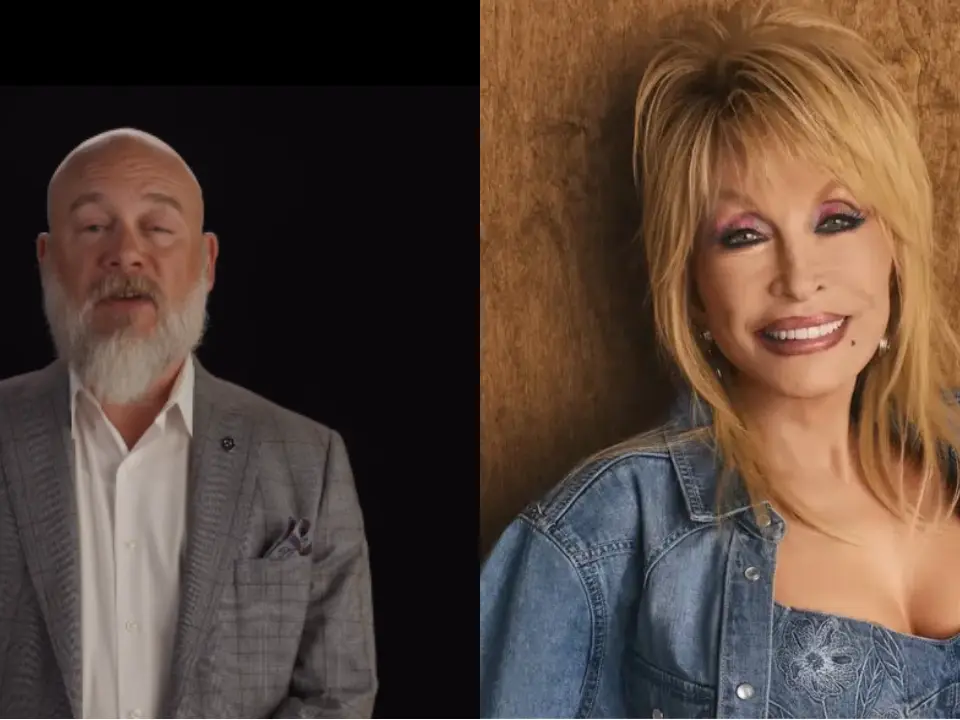)
Dolly Parton’s nephew Bryan Seaver accused of violent threats amid estate dispute; controversy explained
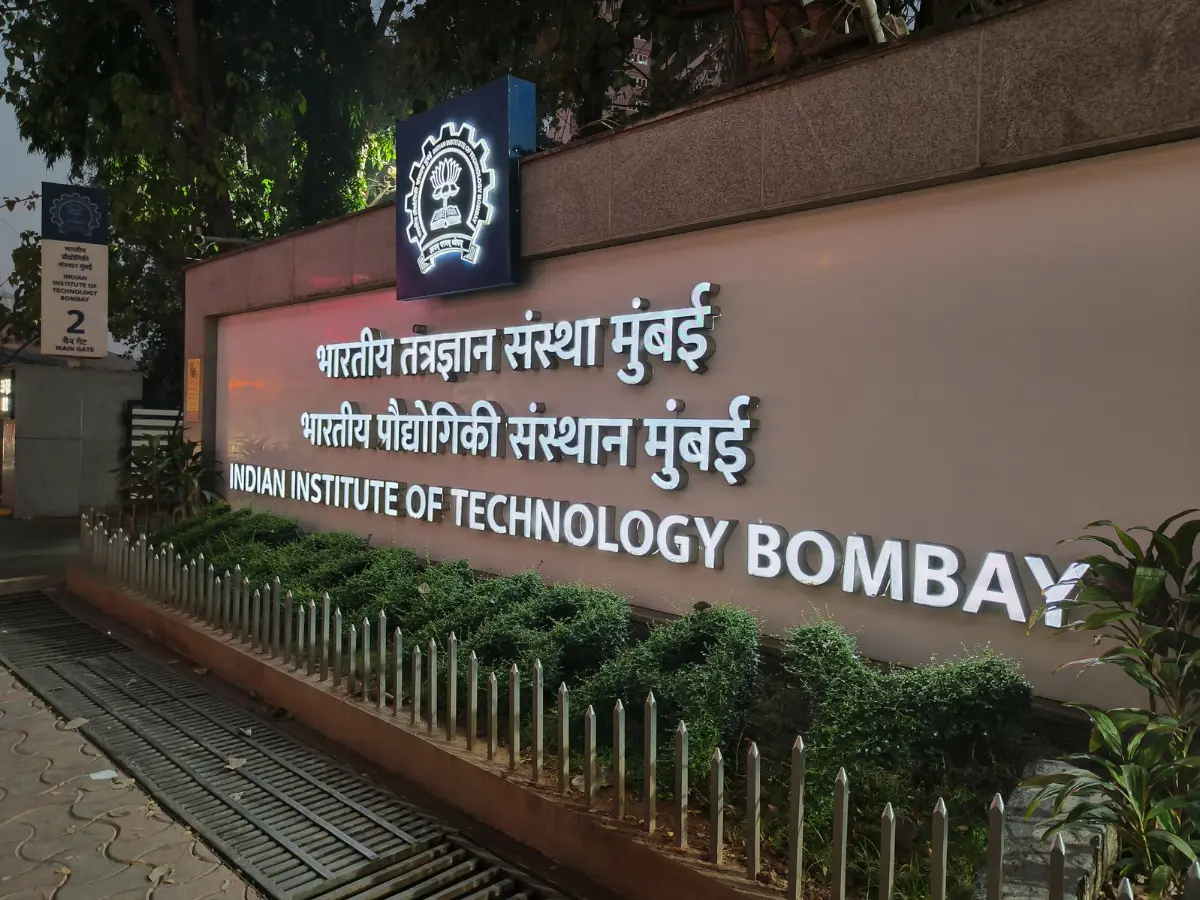)
IIT Bombay professor Suryanarayana Doolla sent on leave amid Sahil Wakode death probe
)
Justice eludes Air India 1985 bombing victims as Canada probe goes 'inactive' | Gravitas
)
Anne Hathaway to run in supporting race for Nolan's epic
)
ICC plans T20I expansion and fewer ODIs in 2027–2031 FTP cycle: Report
)
'What kind of confession is this?': Pakistan PM Shehbaz Sharif’s 'terrorists would be roaming New York' remark goes viral, raises alarm online. Watch
)
Asia prepares for record El Nino, food shock
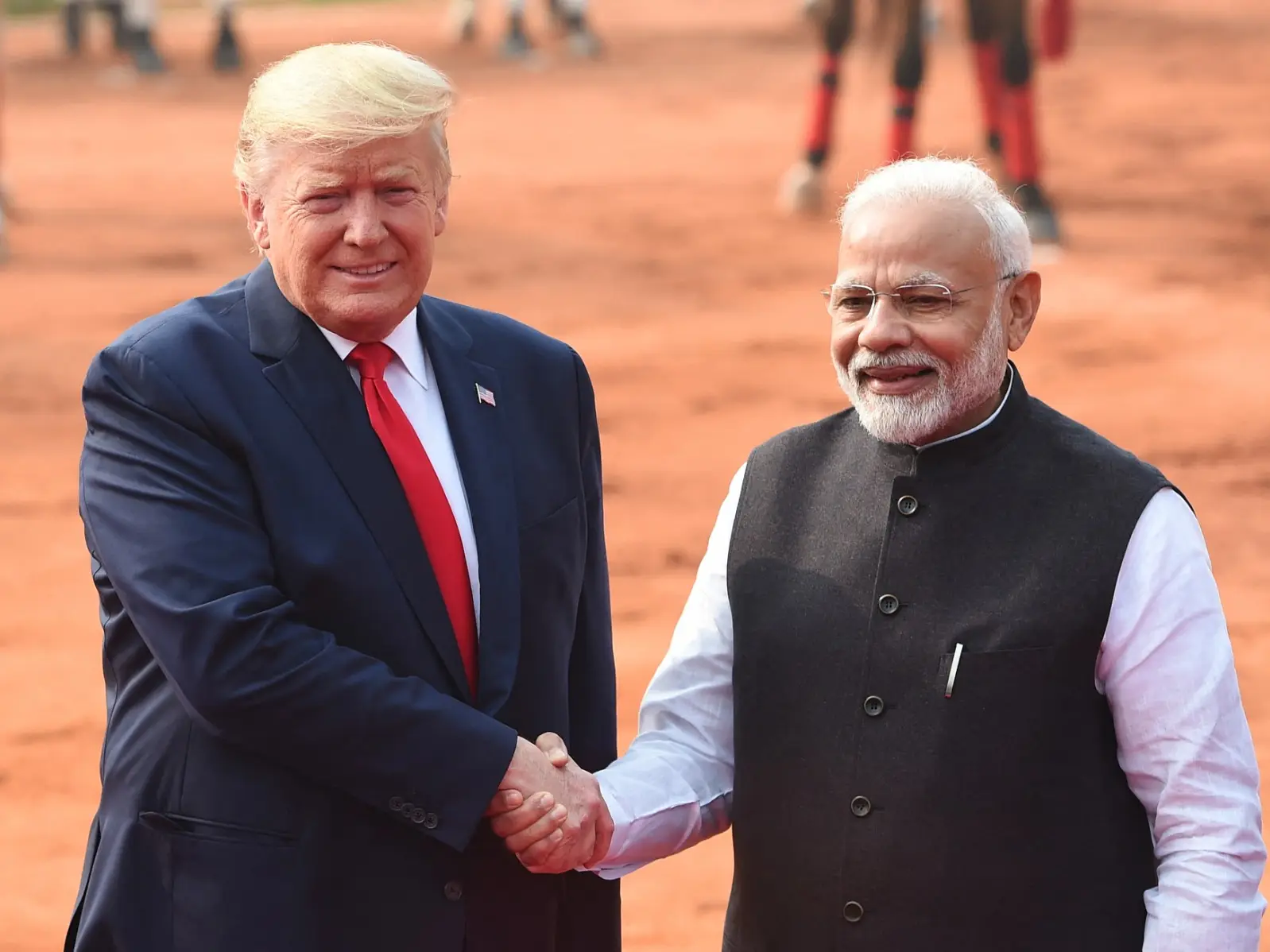)
Trump revives India-Middle East-Europe economic corridor as India emerges central to West Asia’s future: What is it?
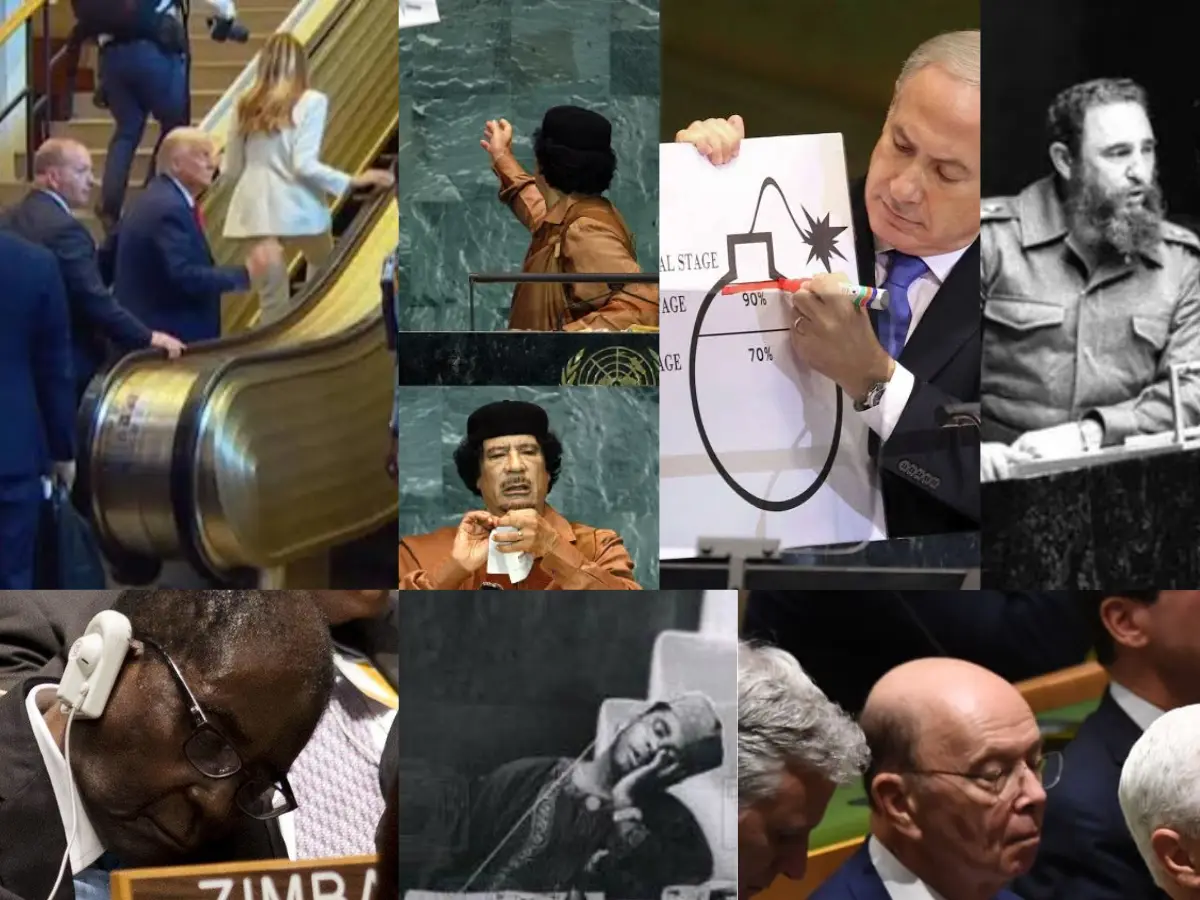)
From Gaddafi tearing up UN Charter to Trump’s ‘escalatorgate’: Most unforgettable UNGA moments
)
WION Iconic Tourism Summit and Awards 2026: Key voices to discuss India’s tourism future
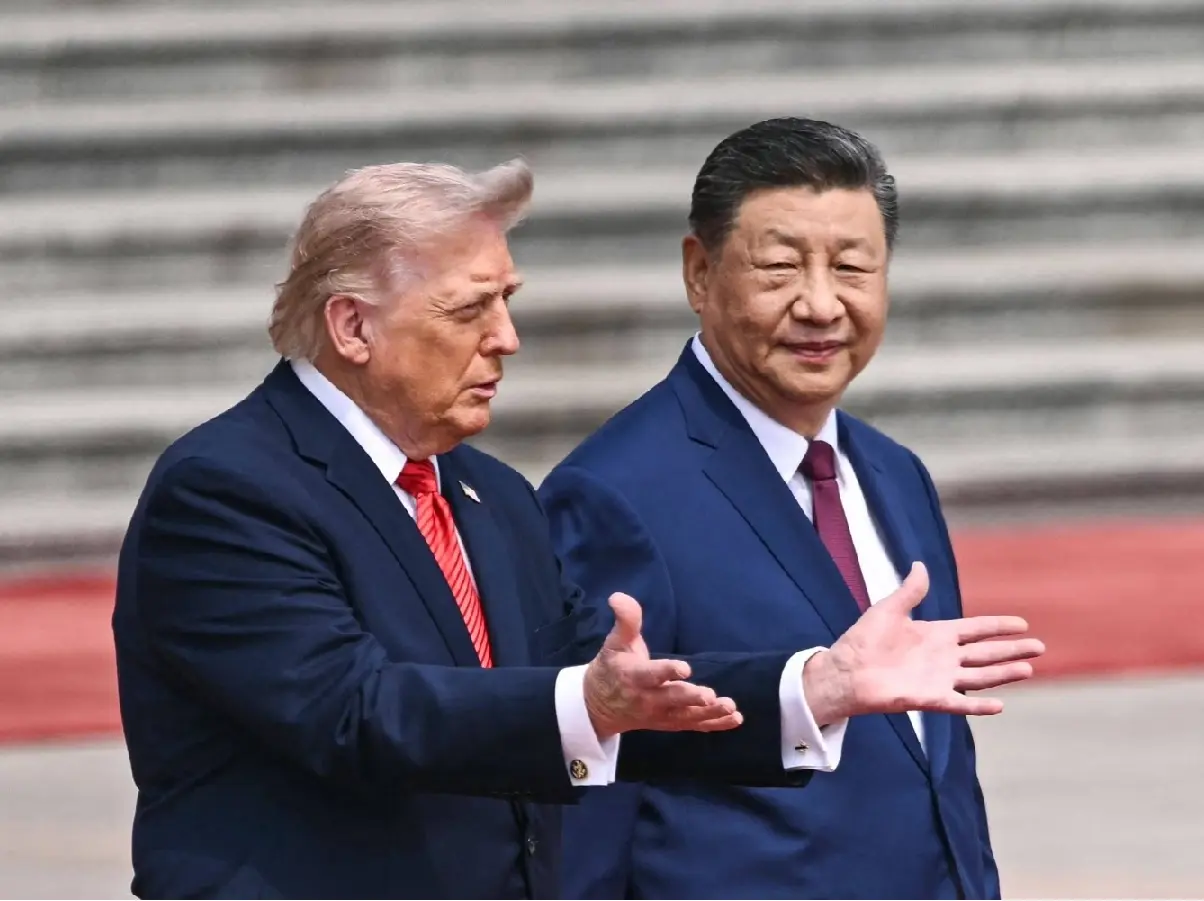)
Explainer: Why rare-earth export licences and Board of Trade are US priorities ahead of Trump-Xi summit
)
Yemen clashes kill 154 people in two days as cornered Saudi battles Houthi offensive | Gravitas
)
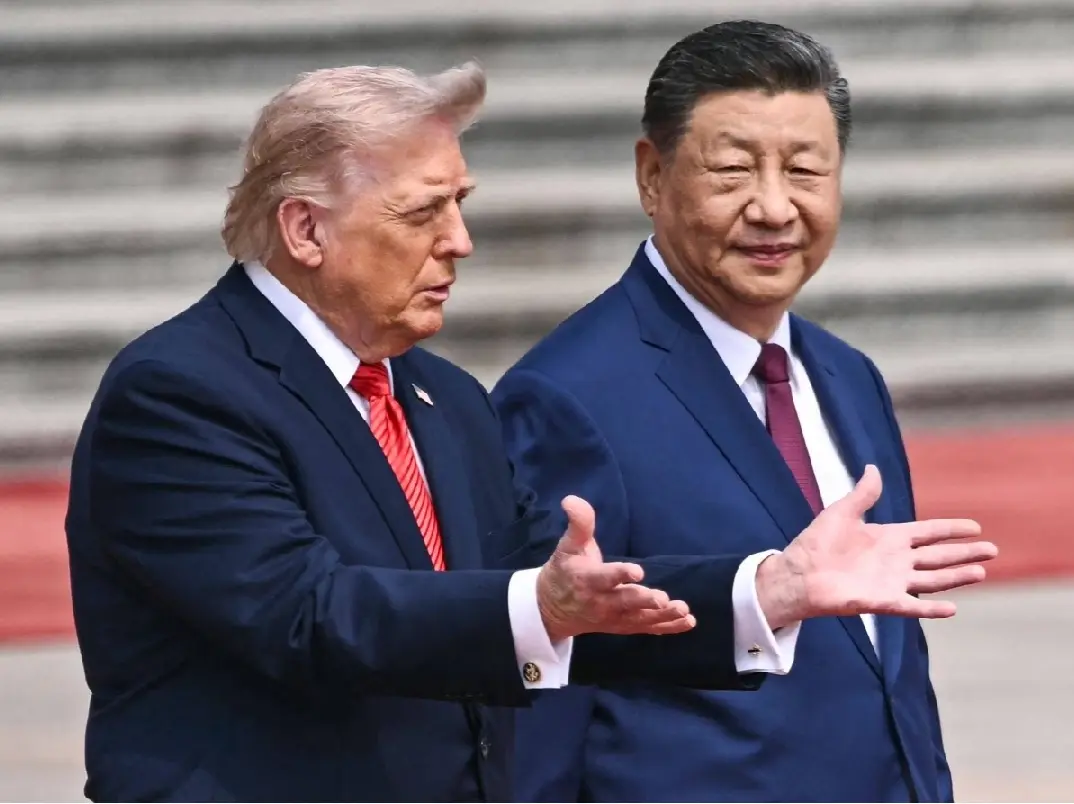
81st UN General Assembly: Burnham announces UK-US AI defence tie-up
)
US and China vie for AI dominance as calls grow for regulation | Gravitas
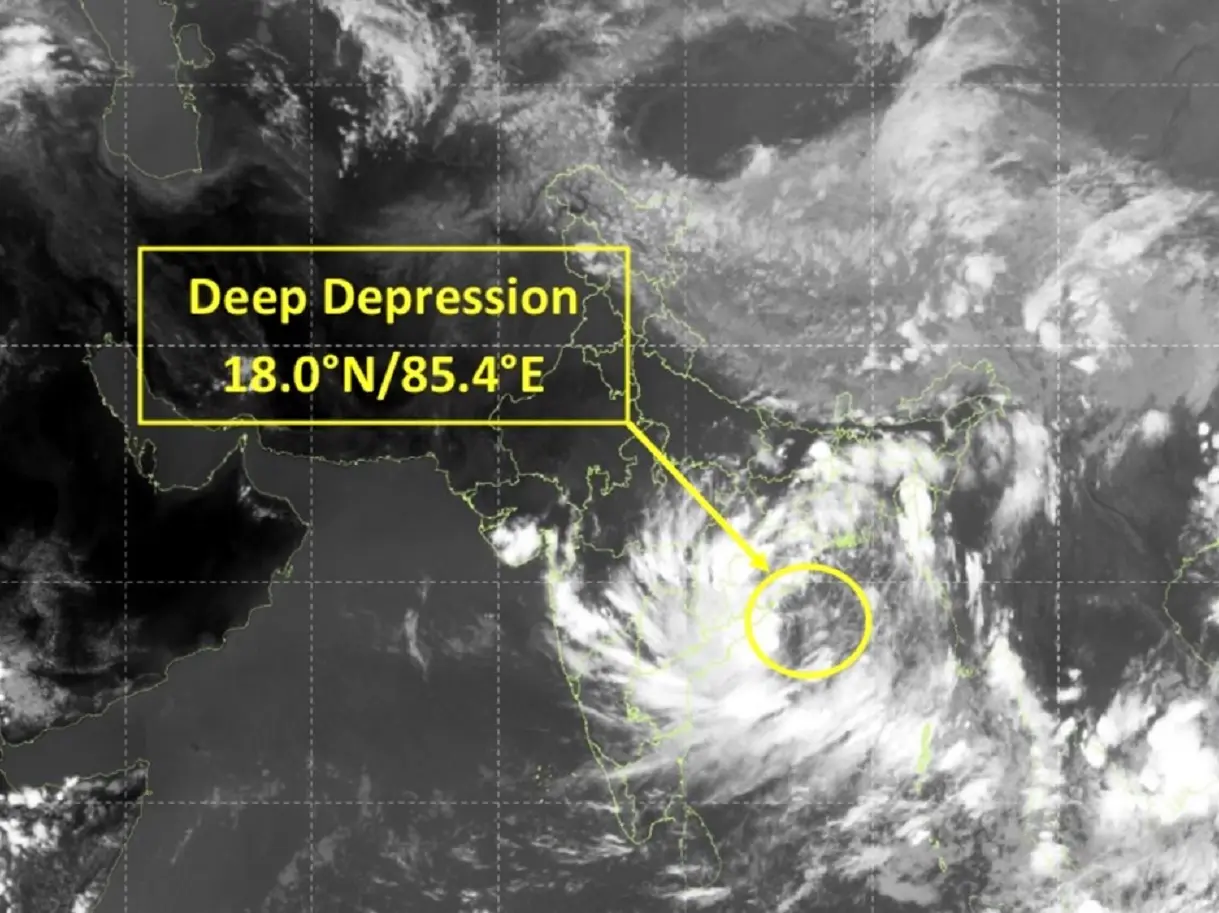)
Cyclone Arnab: Landfall expected before midnight tomorrow as IMD issues orange alerts across six states
)
IND vs JPN T20I: How an overturned wide became point of difference between India's win and a tie
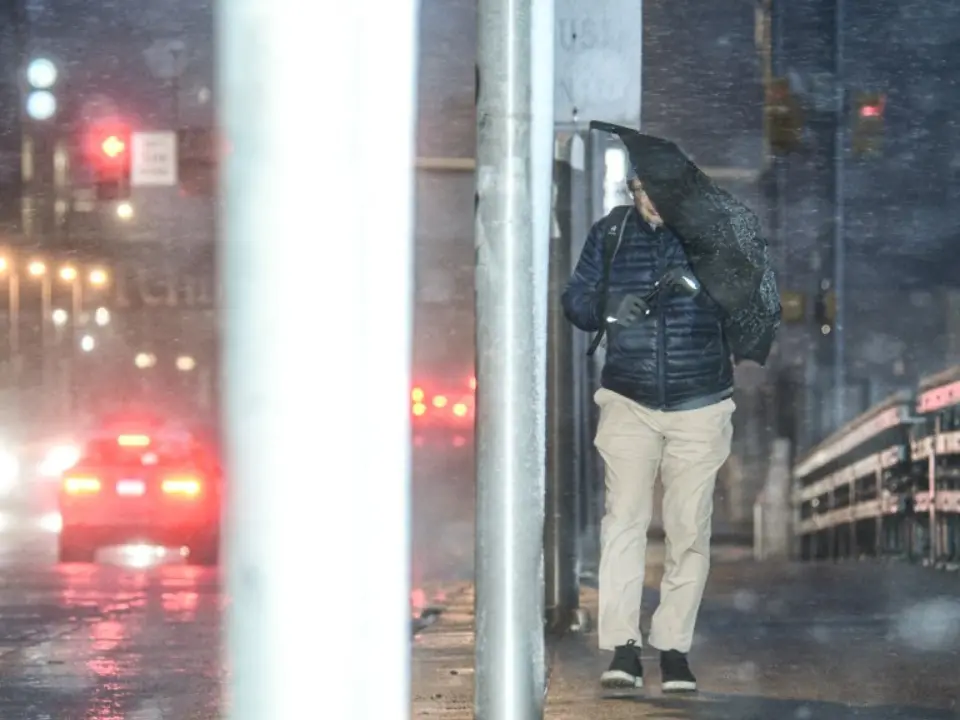)
Nor'easter could batter 13 US states this week. What you should know
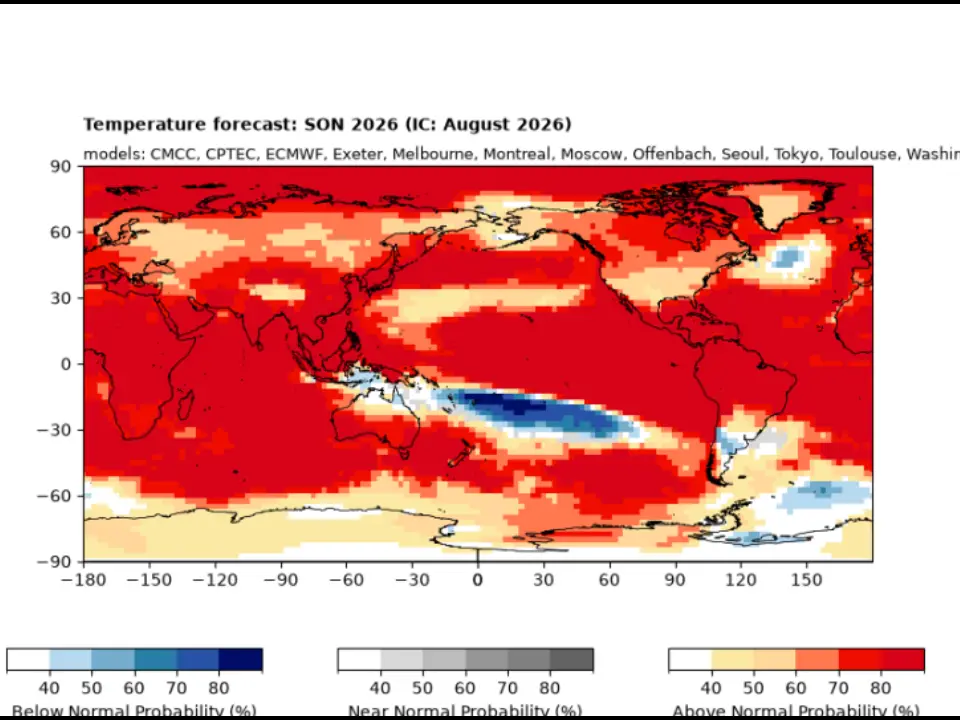)
El Niño 2026 heats up to become strongest in 1,000 years
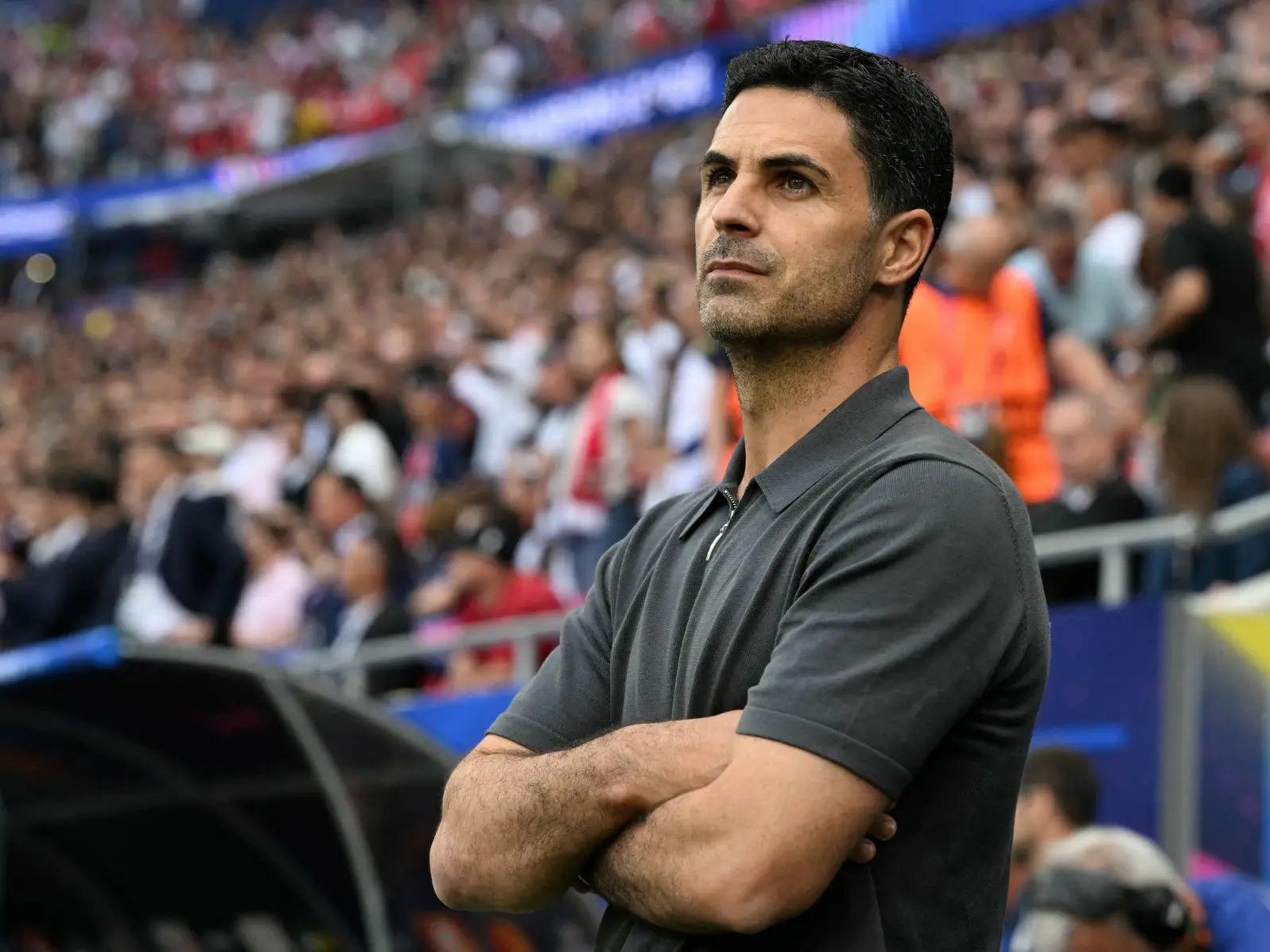)
Mikel Arteta verbally agrees to three-year extension with Arsenal after title-winning Premier League season
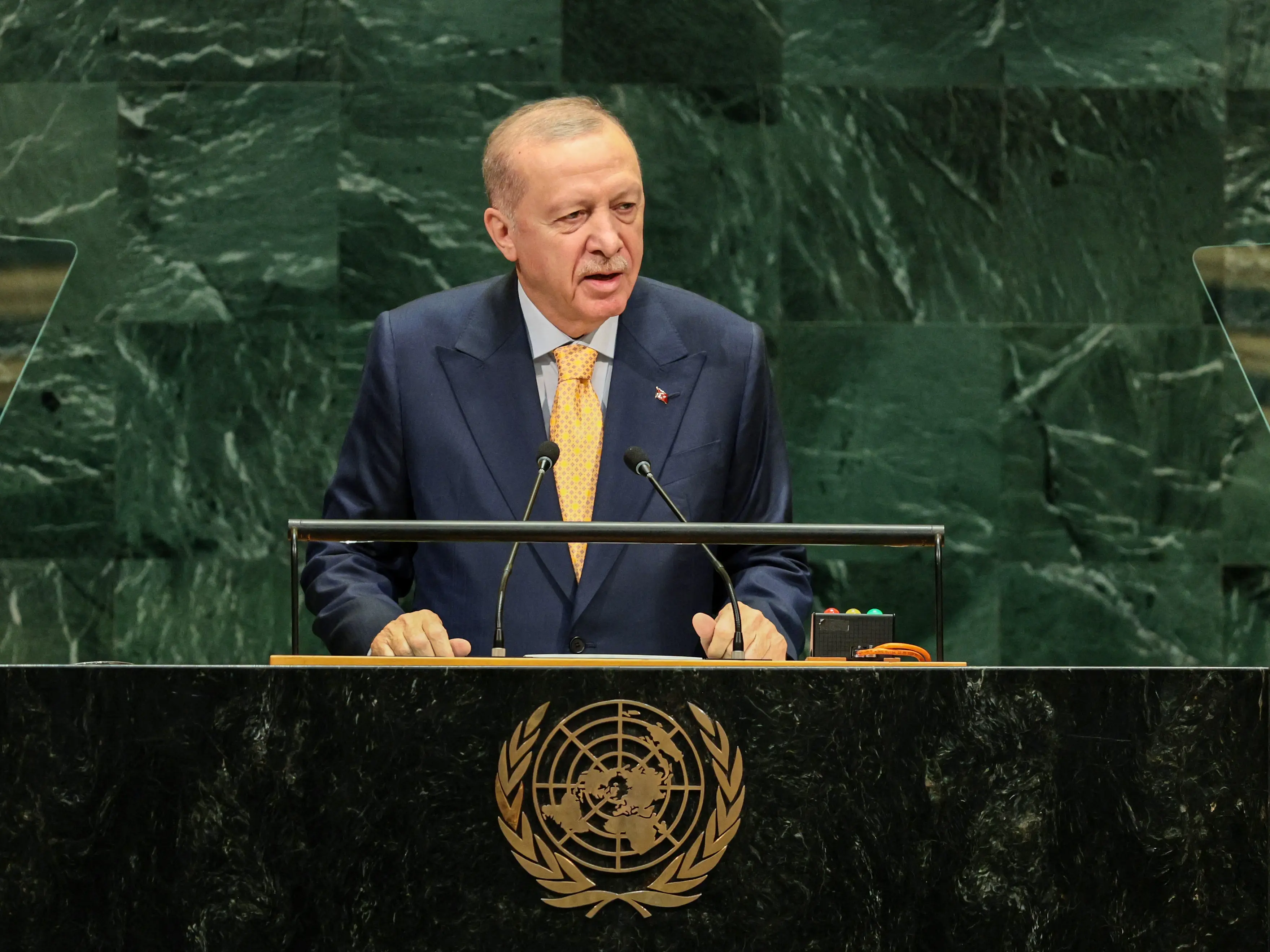)
Erdogan again raises Kashmir issue at UNGA, calls for dialogue under UN Charter
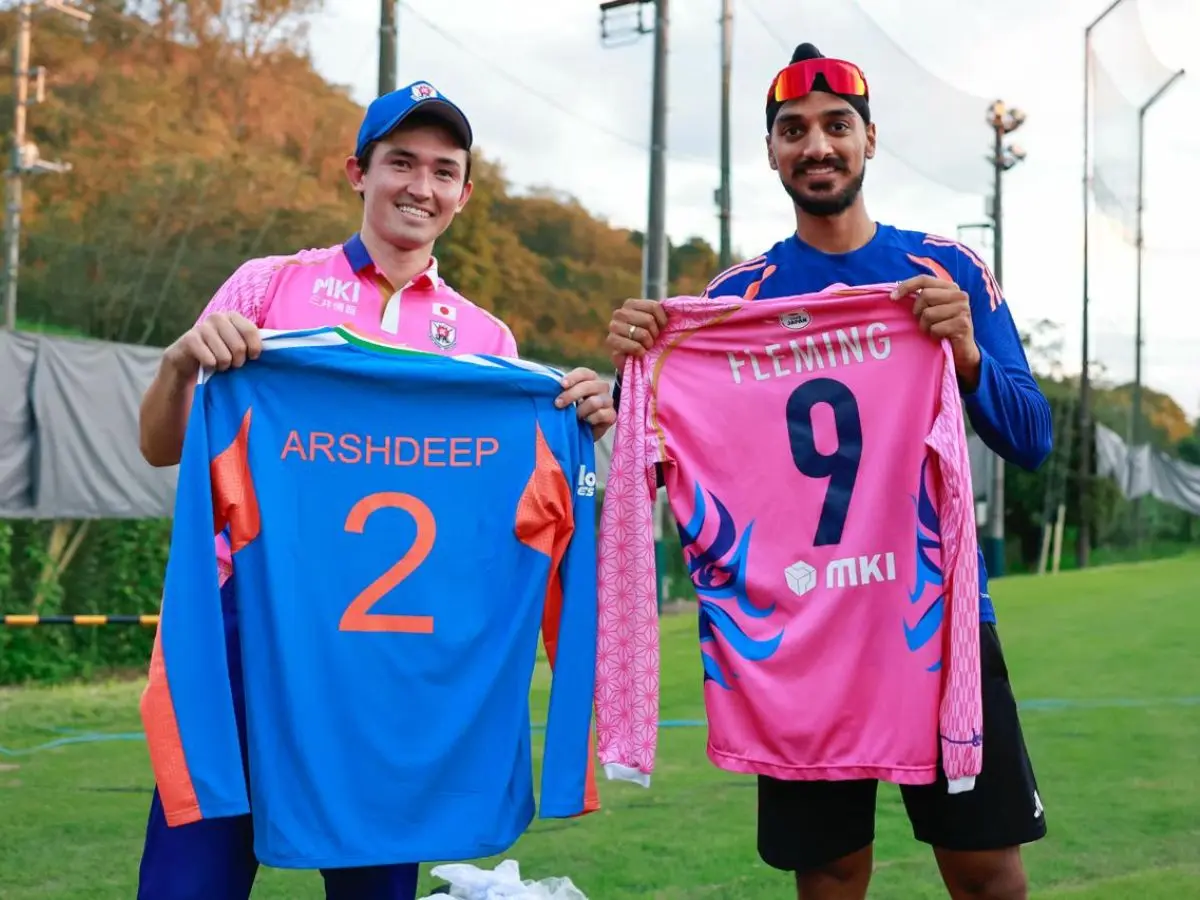)
IND vs JPN, one-off T20I: Japan captain Kendel on pushing India to the brink - ‘It was special’
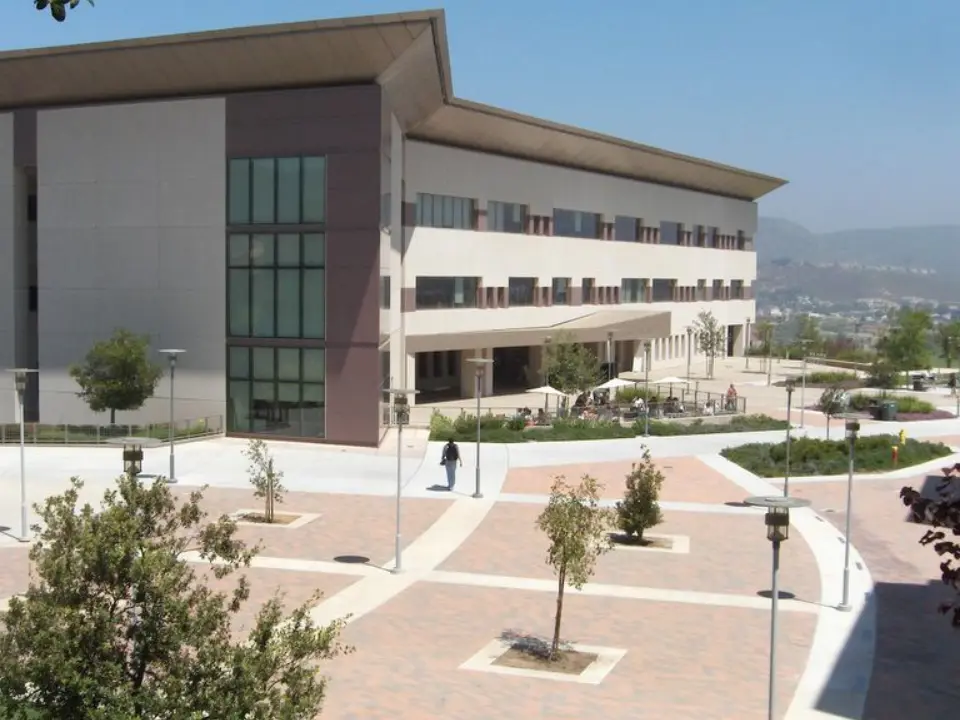)
Four female students raped during 'Red Zone' at California university. What we know
)
Oil slips to $98 as Saudi Arabia restarts East-West oil pipeline
During this period, Tesla entrusted Matthews with sensitive information related to their innovative dry-electrode coating technology. Tesla has previously touted this technology as a game-changer in battery manufacturing, claiming it can significantly reduce the size, cost, energy consumption, and production cycle time of battery manufacturing facilities.
Tesla has stated that this technology has the potential to enhance both the energy density and power output of battery cells.
In the lawsuit, Tesla alleges that Matthews International violated their trust by sharing Tesla's ground breaking innovations with unnamed competitors in the industry. The carmaker claims that Matthews accomplished this by selling "machines and other technologies embodying Tesla's trade secrets."
But the allegations don't stop there. Tesla further accuses Matthews of attempting to claim Tesla's inventions as their own by filing patent applications that allegedly reveal confidential information belonging to Tesla.
Given the gravity of these allegations, Tesla is seeking multiple forms of relief from the court. Firstly, they are requesting an injunction to prevent Matthews from any further misuse of Tesla's trade secrets. Secondly, Tesla is demanding that Matthews surrender all patent applications that may contain Tesla's confidential information. Tesla is pursuing substantial monetary damages to compensate for the alleged misappropriation and misuse of their trade secrets.
This legal battle underscores the critical importance of intellectual property protection in the highly competitive and rapidly evolving electric vehicle industry. It also highlights the potential risks and complications that can arise from close collaborations between innovative companies and their suppliers, especially when sensitive technological information is involved.