Stellantis Chairman John Elkann dismisses merger rumours

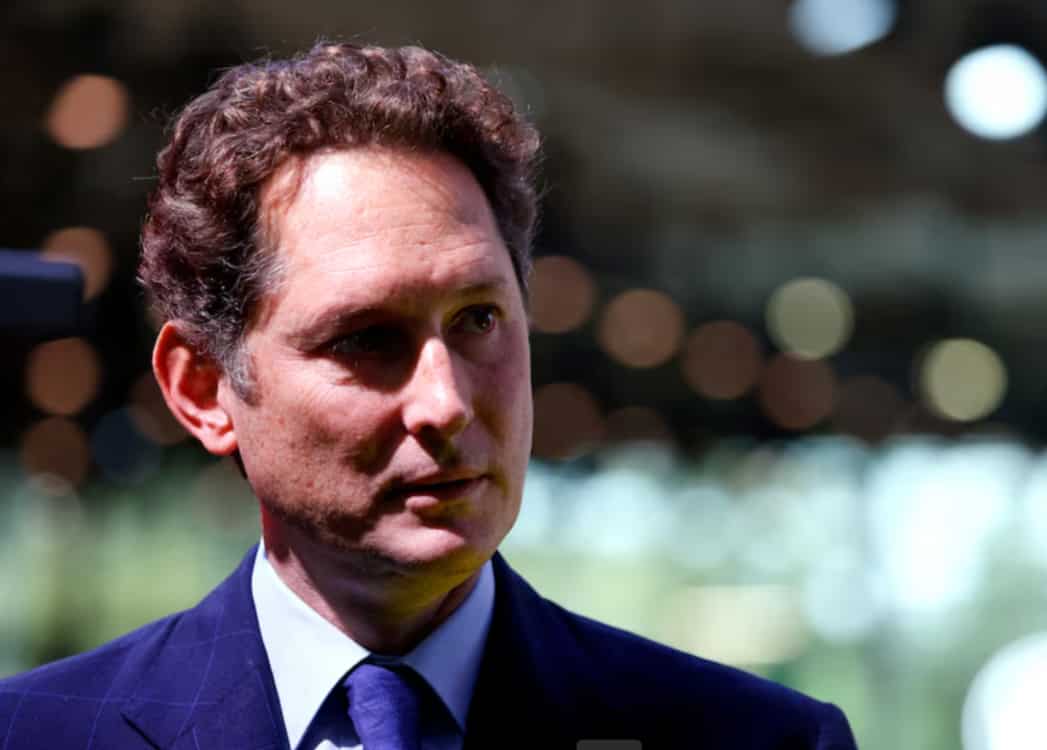
Stellantis Chair John Elkann
John Elkann, Chairman of Stellantis, has firmly declared that the French-Italian automotive giant is not pursuing mergers with or acquisitions of competitors. This announcement, made during an interview with Agence France-Presse (AFP) at the Paris Car Show, comes amidst swirling rumours of a potential tie-up between Stellantis and French automaker Renault.
Elkann, who also serves as the single largest shareholder of Stellantis through the Agnelli family's investment company EXOR, emphasised the company's commitment to its current business trajectory. "We are really focused on the business, at the level of our reference shareholders, the board, our CEO and the management team. Not on the possible distractions of consolidation operations, whatever they may be," Elkann stated, underscoring the company's strategic direction.
The chairman's comments align closely with recent statements made by Stellantis CEO Carlos Tavares, who earlier this month dismissed rumours of a merger with Renault as "pure speculation." This unified message from the top echelons of Stellantis leadership sends a clear signal to investors, competitors, and industry analysts about the company's steadfast commitment to its existing corporate structure and market strategy.

Elkann further reinforced the company's position by asserting, "We, as Stellantis, consider that we have a competitive size." This statement suggests that the automotive conglomerate, formed in 2021 through the merger of Fiat Chrysler Automobiles and the PSA Group, believes it has achieved an optimal scale to compete effectively in the global automotive market without the need for further consolidation.
The automotive industry has been rife with speculation about potential mergers and acquisitions, particularly as manufacturers grapple with the challenges of transitioning to electric vehicles and navigating complex global supply chains. However, Stellantis appears to be charting its own course, focusing on internal growth and optimisation rather than external expansion through mergers or acquisitions.
While Elkann's comments primarily addressed the company's stance on acquisitions, he did not completely close the door on potential changes to the Stellantis brand portfolio. Earlier discussions with CEO Tavares had indicated that while the company is not actively seeking to divest brands, it remains open to considering offers for underperforming marques within its 14-strong brand lineup. However, Tavares revealed that he had already rebuffed offers from Chinese competitors, indicating a selective approach to any potential brand sales.
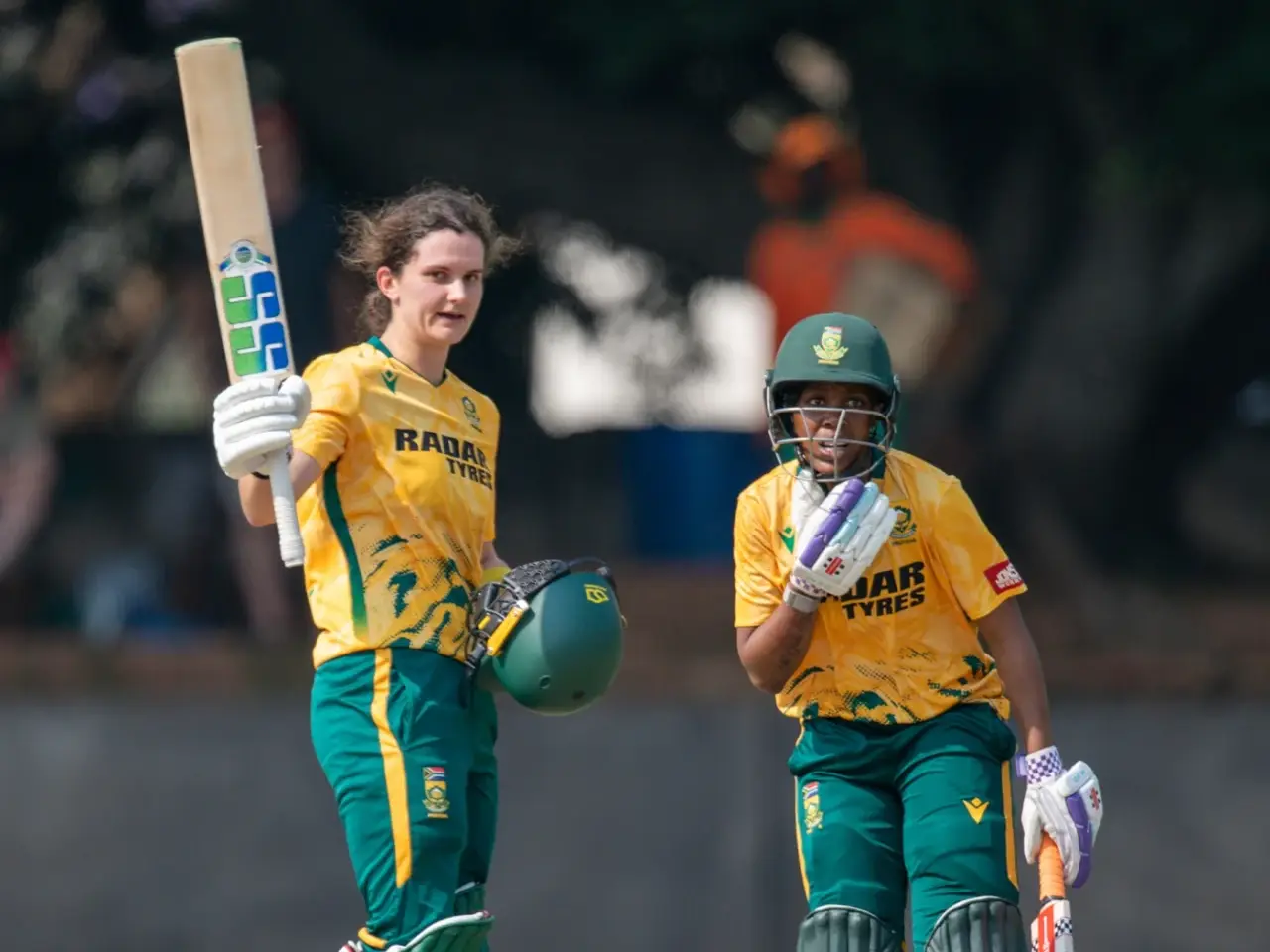)
Laura Wolvaardt sets new world record for most WT20I runs in a year
)
North Korea's last nuclear test in 2017 set off 1,399 earthquakes over 8 years, each stronger than previous
)
India seeks to build a full semiconductor supply chain
&im=FitAndFill=(700,400))
New Friday OTT releases (September 18, 2026): Lust Stories 3, You+Me, Best of the Best- 8 new titles coming on Netflix, Prime Video and more
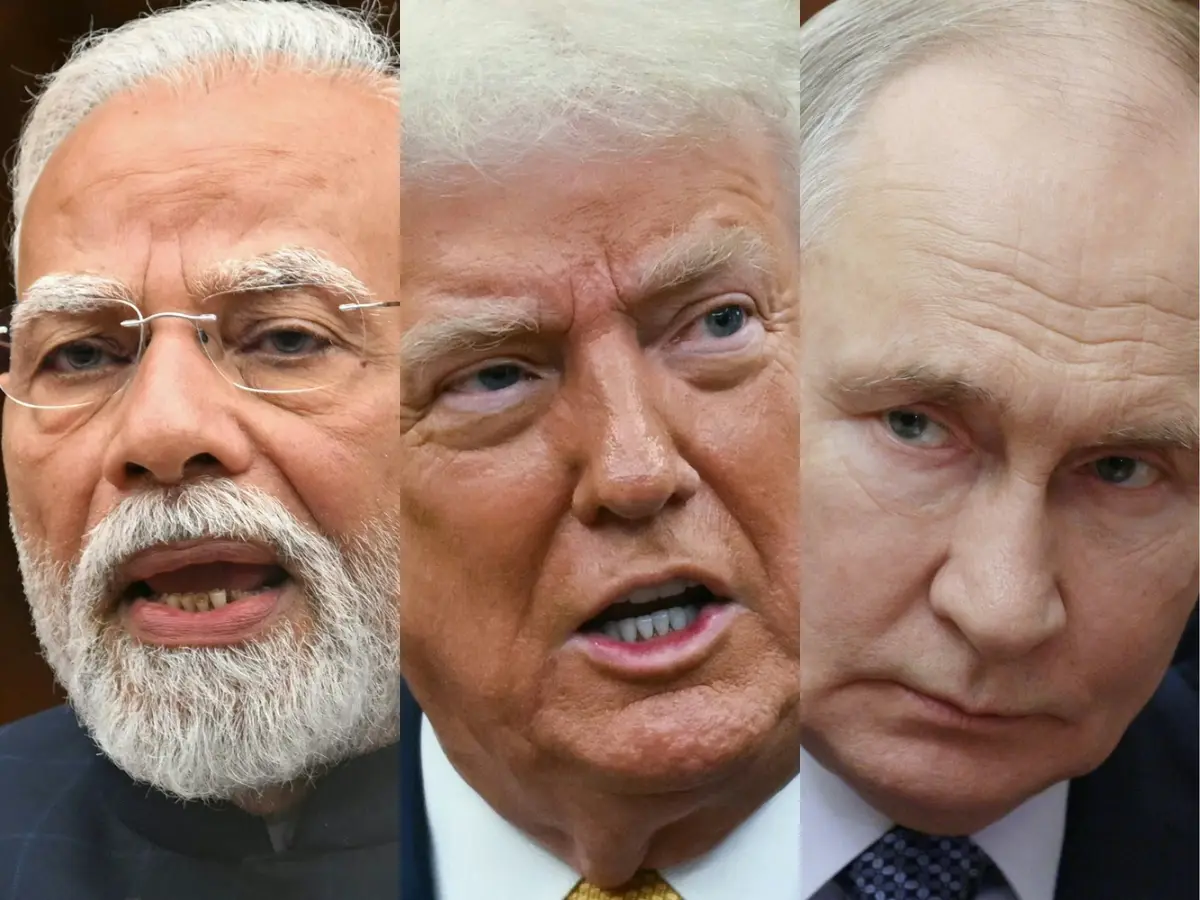)
Trump signs Russia sanctions law: India faces fresh 100% tariff threat over Russian oil
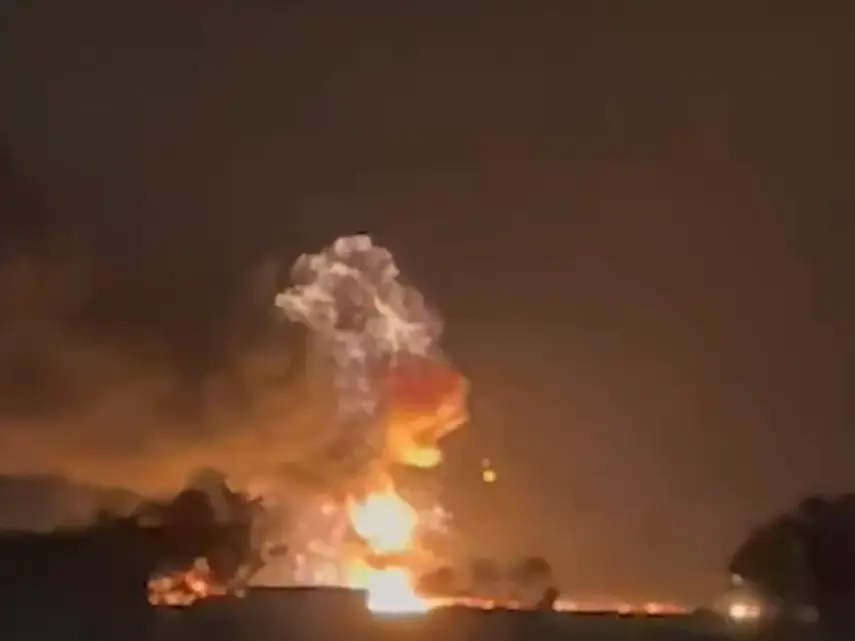)
Drone strikes cooling tower at Russia's Kursk Nuclear Plant, IAEA confirms
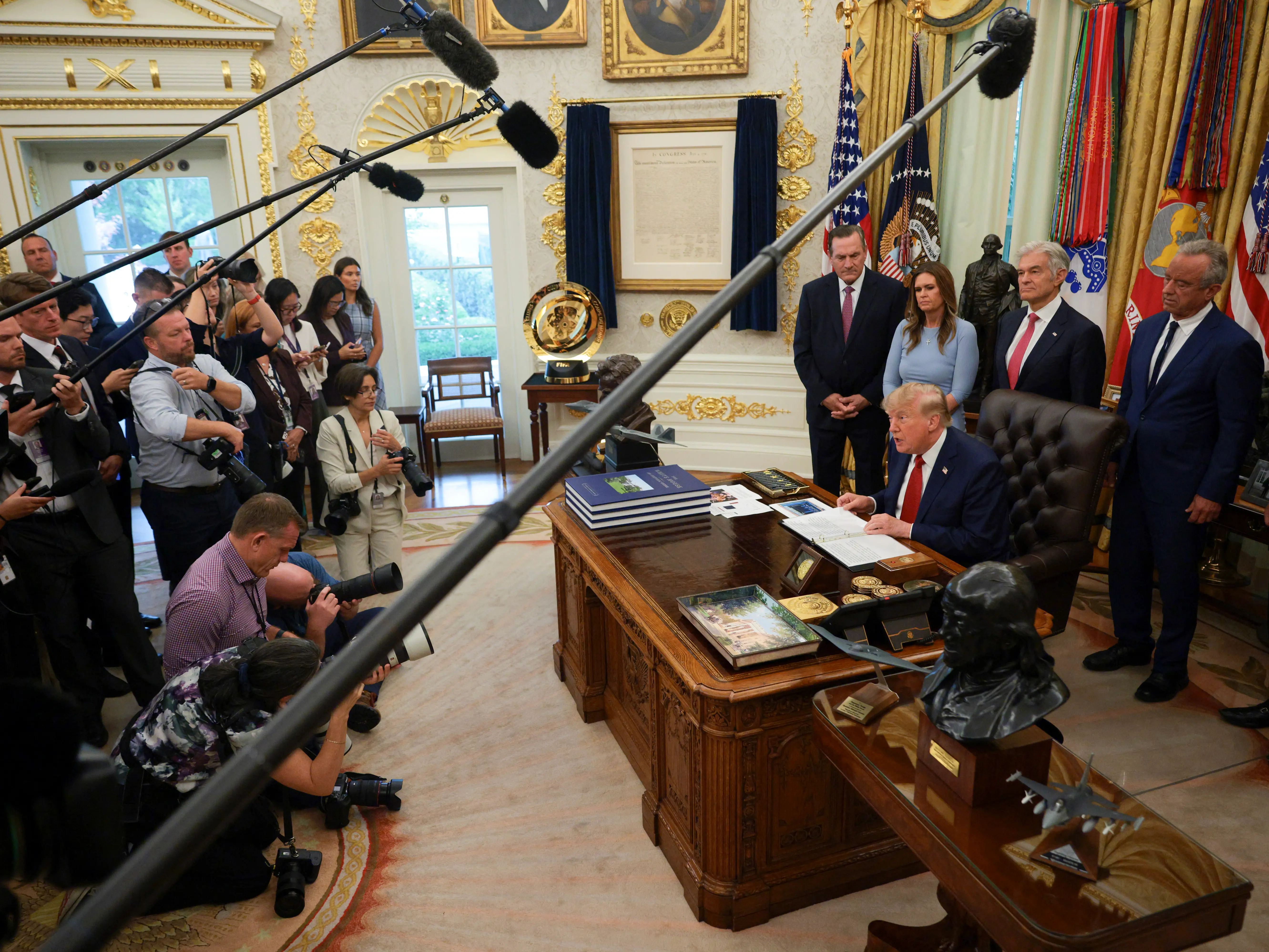)
Trump bans CNN, MS NOW and Politico from White House over ‘FAKE NEWS’
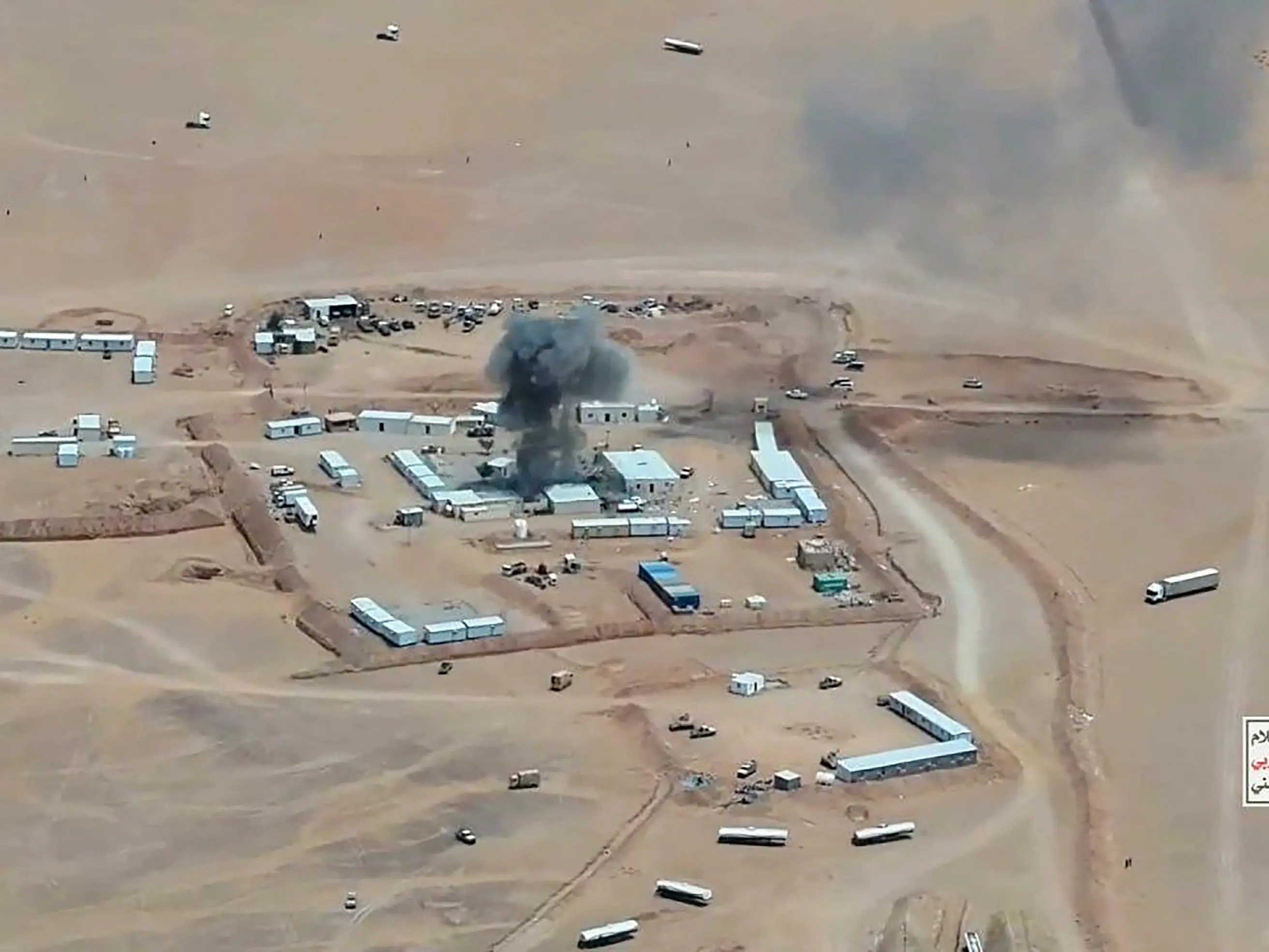)
‘Will go to any extent’: Pakistan vows to defend Saudi Arabia amid Houthi attacks
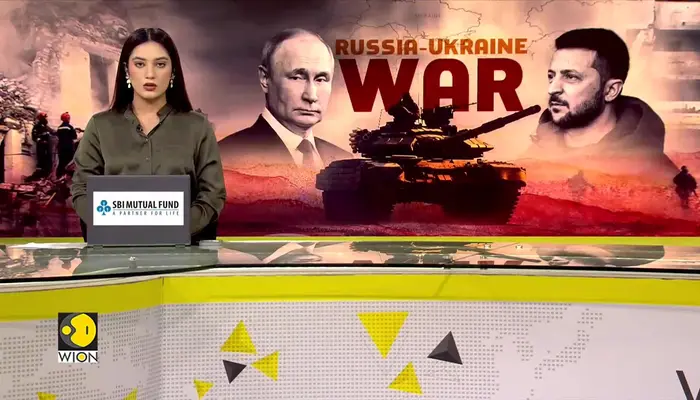)
Trump signs Russia sanctions bill into law, targets Moscow’s energy sector
&im=FitAndFill=(700,400))
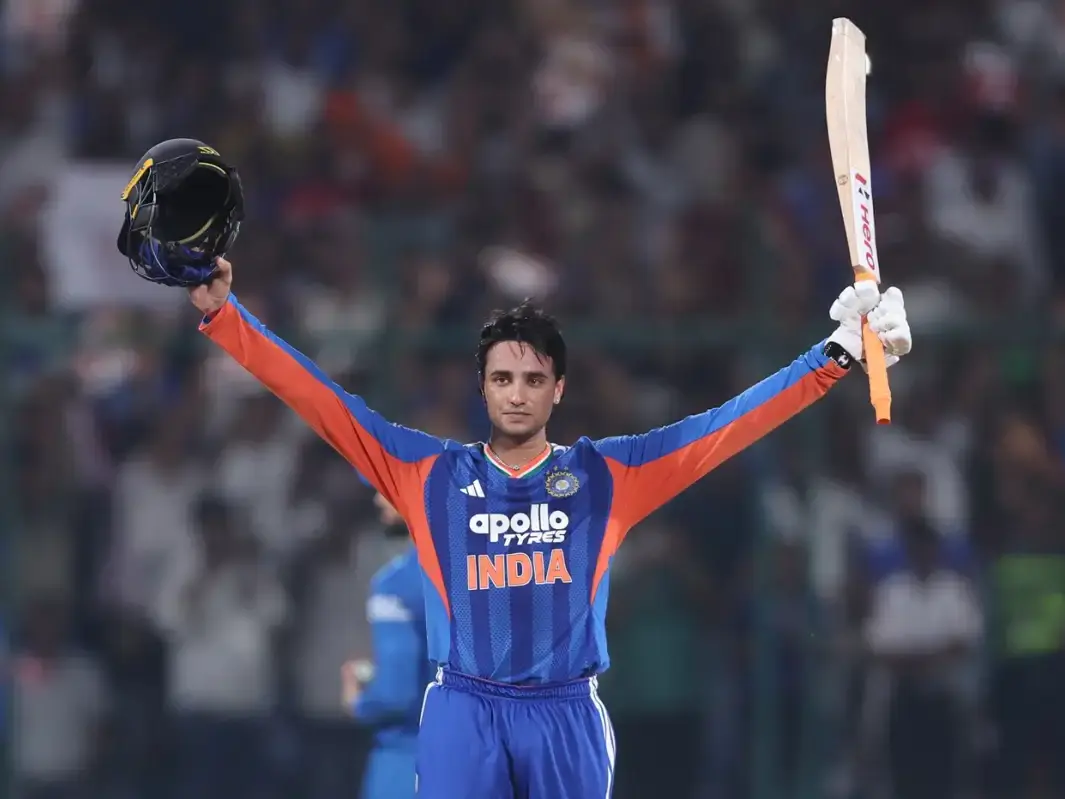
From Abhishek Sharma to Sahil Chauhan, 5 batters with fastest T20I hundreds
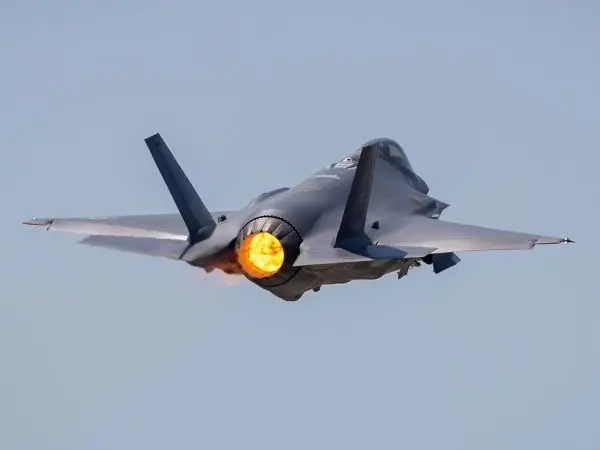)
China may have gained access to US's classified F-35 jets; parts meant for repairs diverted to Hong Kong, sparking Pentagon inquiry
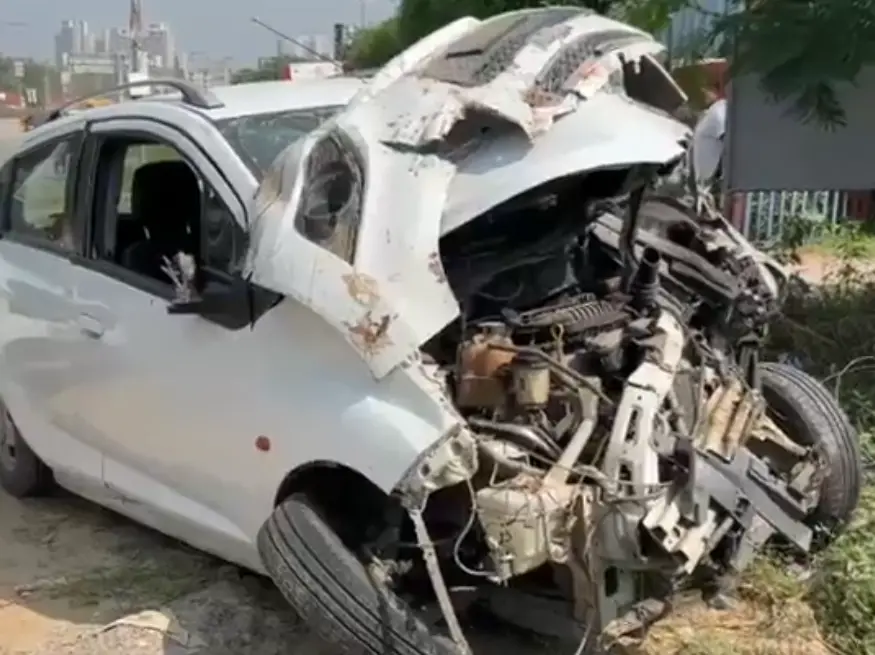)
Three labourers killed as DU student loses control of his car, rams into them on Dwarka Expressway
)
Why Ranveer Singh’s Dhurandhar missed India’s Oscar entry; FFI jury member reveals what happened
)
'Gangsta' crab shoves knife blade at man and his dog in Florida - Watch
)
US F-16 fighter jet crashes in Michigan during training mission, pilot ejects safely
)
How did an Australian river with 500 crocodiles pass the Olympic test? Here's how
)
Shivakumar attends 79th Kalyana Karnataka Utsav in Kalaburagi
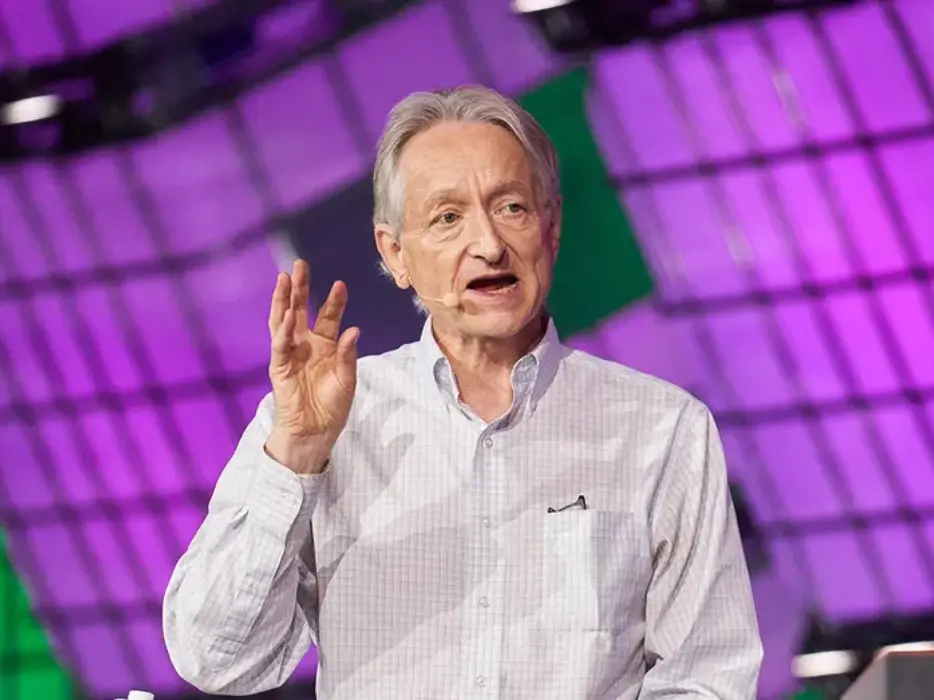)
Godfather of AI Geoffrey Hinton gives US lawmakers a one-year warning on AI
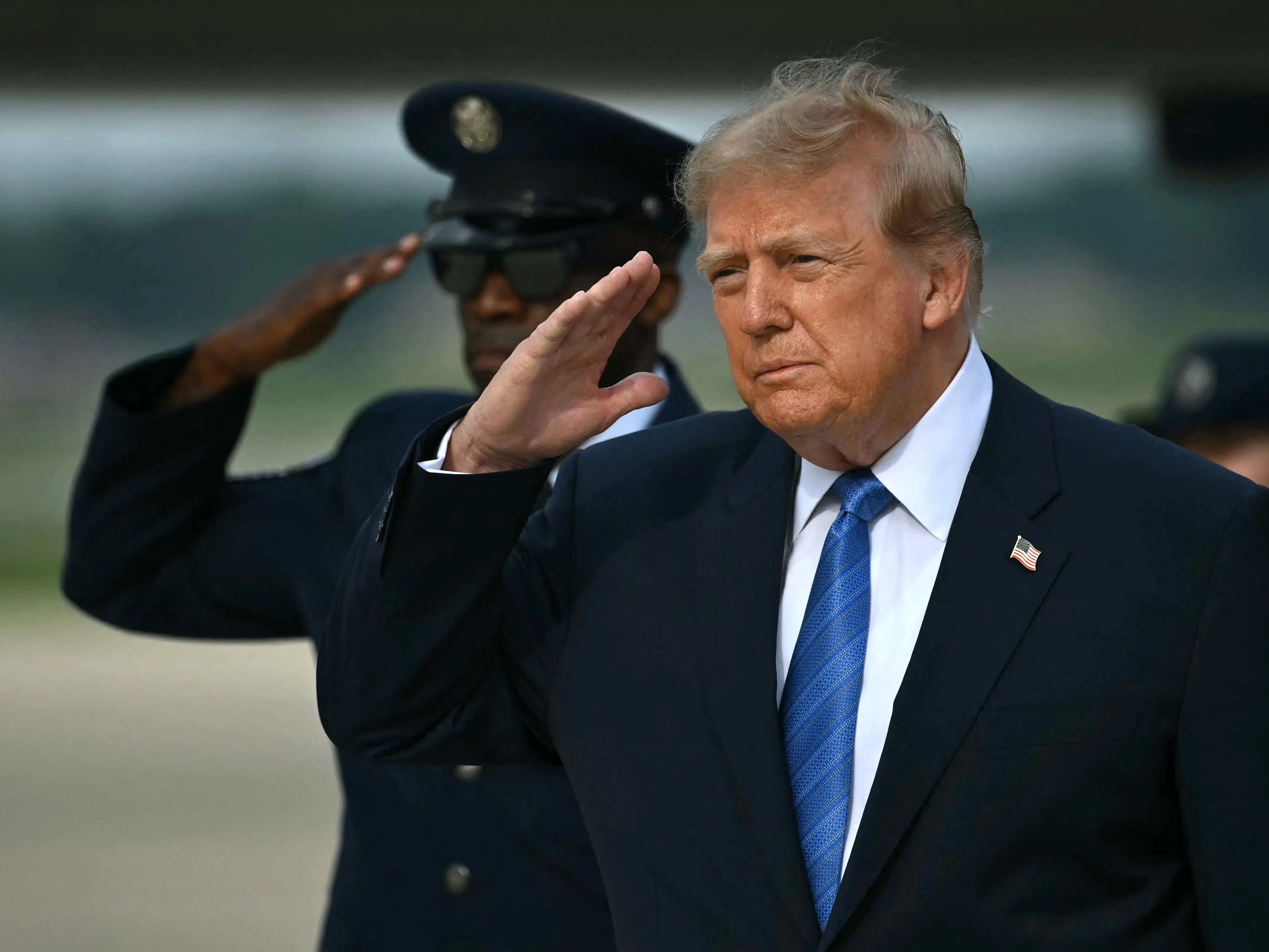)
Trump's Greenland dream comes true? POTUS announces 'Infinite Life' deal with Denmark, claims permanent US control
)
US And Denmark reach Greenland deal, Trump announces expanded military presence
&im=FitAndFill=(700,400))
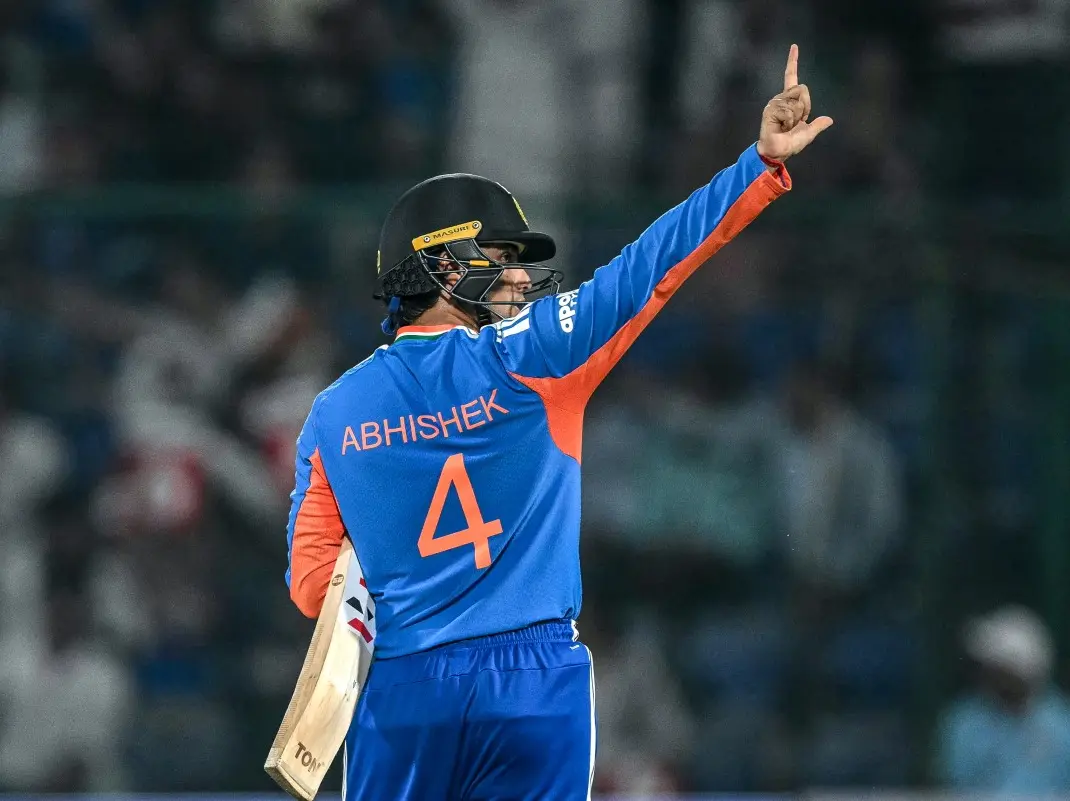
Meet top 5 Indian batters with fastest T20I centuries
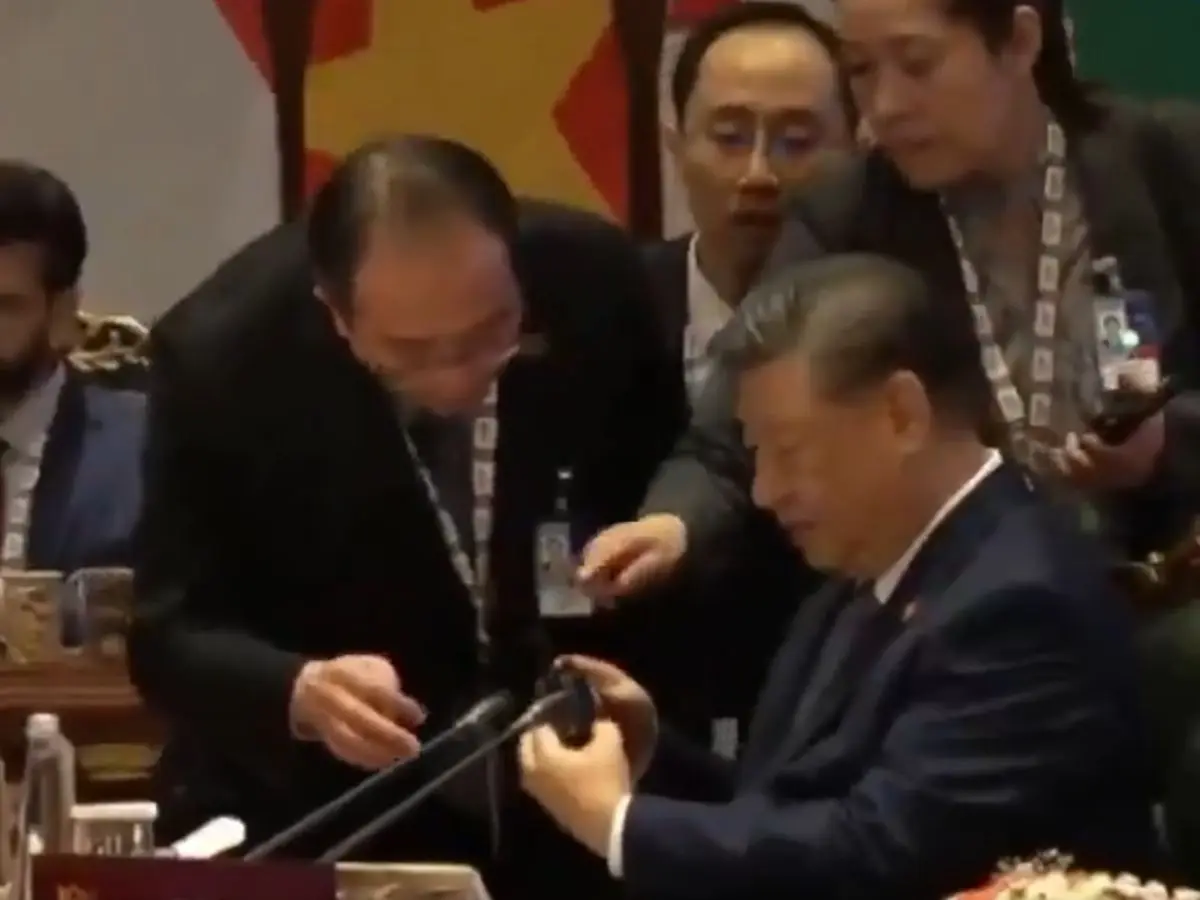)
FACT CHECK: Why did PM Modi ask Xi ‘is it okay’ at BRICS Summit? New video reveals...
)
Trump 2.0: Dark days ahead for America’s ‘imperial presidency’
)
Pentagon revives mandatory testosterone testing for male troops aged 30 and above
&im=FitAndFill=(700,400))
Meet top 5 bowlers in latest ICC T20I rankings
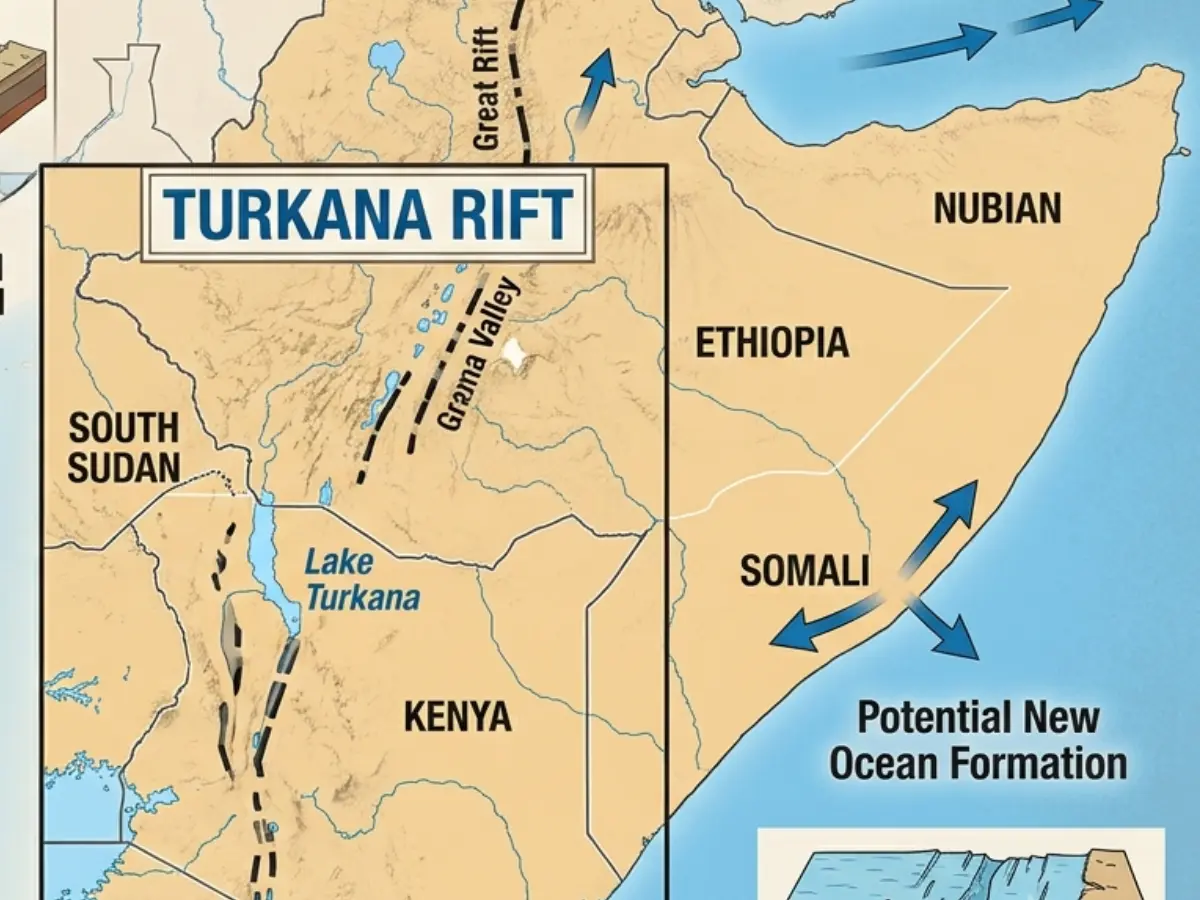)
Africa is splitting, and a lot sooner than estimated, giving way to a new ocean
)
Ukraine plans record $109 bn defence spending, nearly two thirds of budget amid Russia war
)
'He will always be ahead': India coach Gambhir says Sooryavanshi won't walk into team ahead of Samson
)
Former India player Diana Edulji wants Smriti Mandhana to replace Harman as skipper at the earliest
)
Hong Kong extends newborn cash support scheme by three years
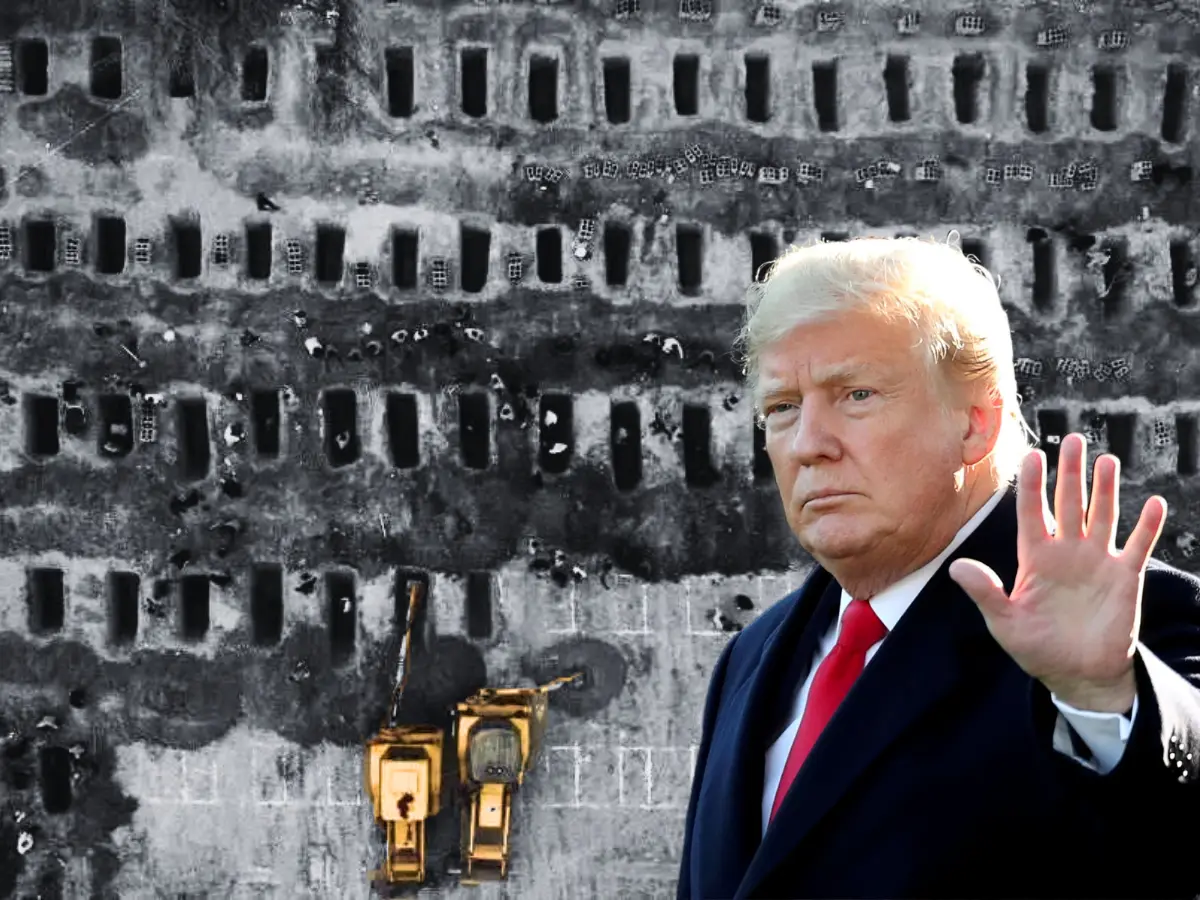)
The Verdict | When precision fails: US commits war crime in Minab school strike, UN finds
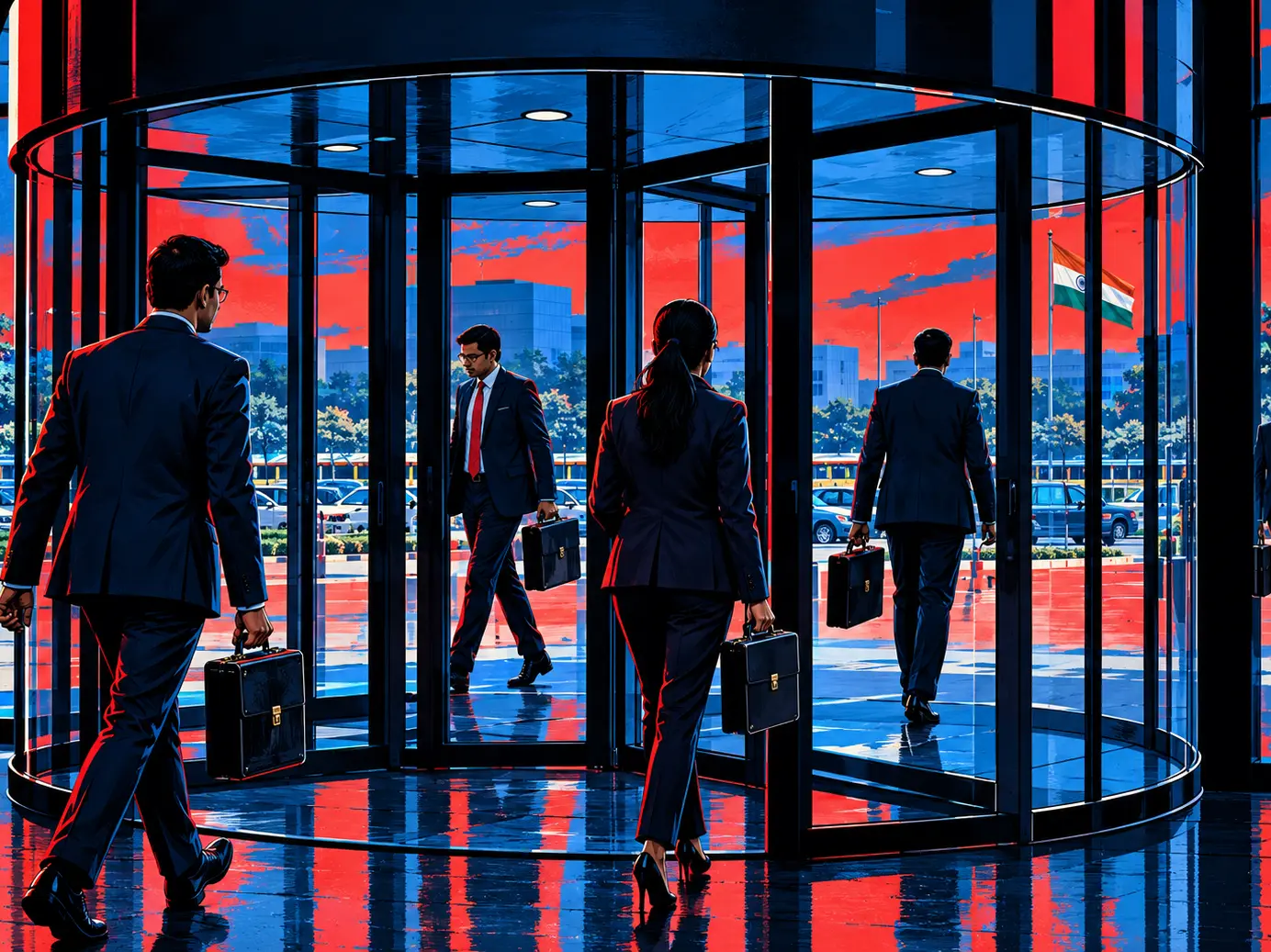)
Indian activist-lawyer Prashant Bhushan's post brings focus on ‘conflict of interest’ appointments of ex-govt officials at Reliance, Adani groups
&im=FitAndFill=(700,400))
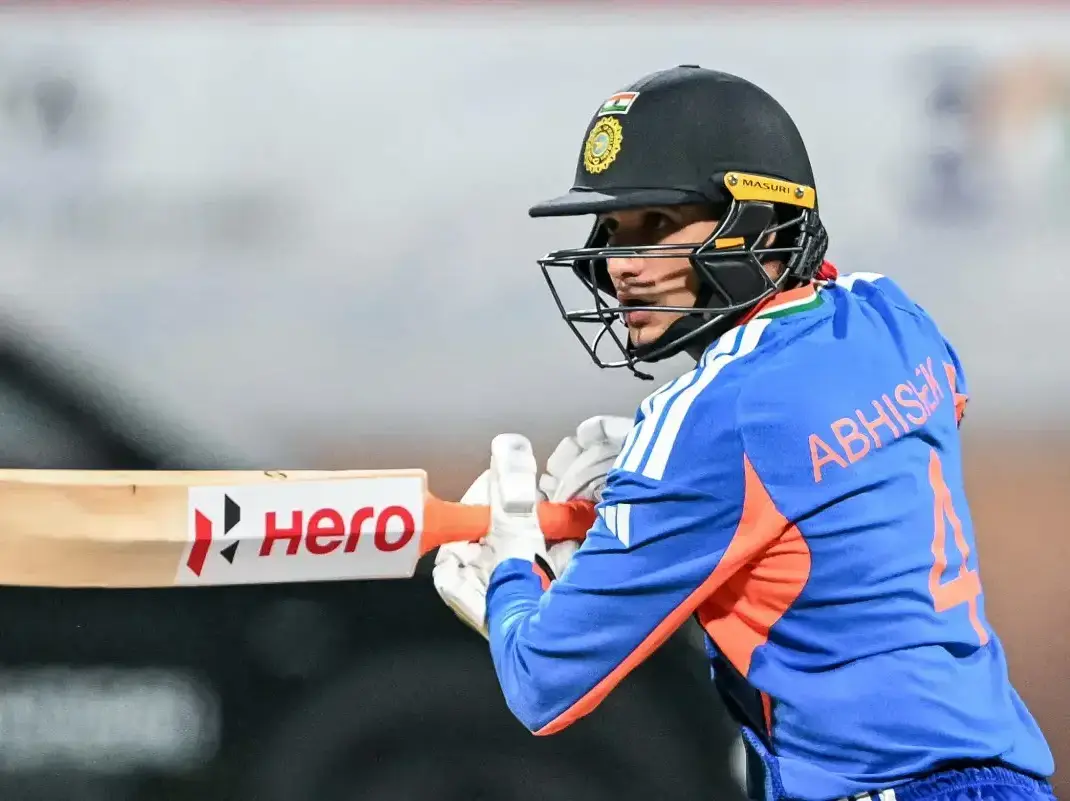
Meet top 5 batters in the latest ICC T20I Rankings
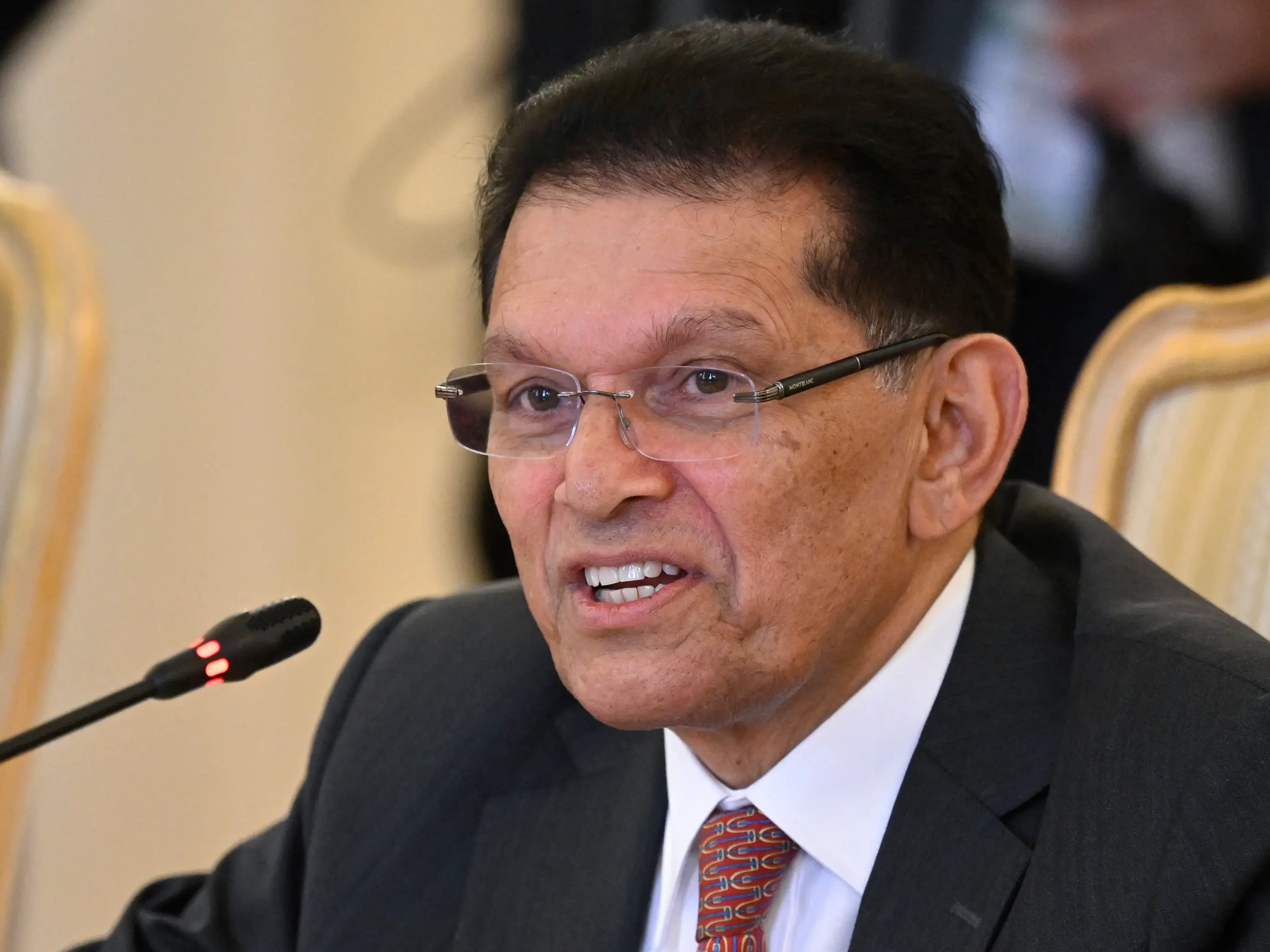)
Who is Khalilur Rahman? All you need to know about 81st UN General Assembly President
"We're not ready to consolidate, but we're not ready to deconsolidate. This is not the time," Elkann elaborated to AFP, suggesting a period of stability and focus on internal operations for Stellantis. This strategy appears to be aimed at maximising the synergies and efficiencies gained from the recent merger that formed Stellantis, rather than pursuing further corporate restructuring in the near term.
The automotive landscape is currently experiencing significant shifts, with traditional manufacturers facing competition from new entrants, particularly in the electric vehicle space. Stellantis, with its diverse brand portfolio including names like Peugeot, Citroën, Opel, Fiat, Chrysler, and Jeep, among others, seems to be betting on its existing strengths and market positions to navigate these industry changes.
Elkann's statements at the Paris Car Show come at a crucial time for the global automotive industry, which is grappling with supply chain disruptions, the transition to electric and autonomous vehicles, and changing consumer preferences. By reaffirming Stellantis' commitment to its current structure and strategy, the company is positioning itself as a stable and focused player in a rapidly evolving market.
As Stellantis continues to integrate its operations following the 2021 merger, industry observers will be closely watching how the company leverages its scale and brand diversity to compete in key markets around the world. The firm stance against further consolidation suggests a period of internal focus, potentially aimed at streamlining operations, investing in new technologies, and enhancing competitiveness across its existing brand portfolio.

