Honda and Nissan in advanced talks to deepen strategic partnership


Honda and Nissan
Honda and Nissan are engaged in advanced discussions to significantly deepen their strategic ties, potentially including a full merger that could reshape the global automotive landscape. The proposed collaboration represents a critical response to mounting pressures from electric vehicle manufacturers, particularly Tesla and Chinese competitors like BYD.
A potential merger would create a formidable USD 54 billion automotive group with an annual production capacity of 7.4 million vehicles, positioning the combined entity as the world's third-largest auto manufacturer, trailing only Toyota and Volkswagen.
The discussions emerge against a backdrop of considerable industry challenges. Nissan, in particular, has experienced substantial financial difficulties, recently announcing a dramatic USD 2.6 billion cost-saving plan that includes reducing global production capacity by 20% and eliminating 9,000 jobs. The company's second-quarter profits plummeted by 85%, primarily due to declining sales in critical markets such as China and the United States.

Analysts suggest the potential merger is driven by strategic necessities rather than purely opportunistic motivations. Sanshiro Fukao from the Itochu Research Institute noted that while the deal appears to be particularly beneficial for Nissan, Honda is also confronting its own challenges, including anticipated deterioration in cash flow and underwhelming electric vehicle performance.
The proposed collaboration extends beyond a potential merger. The companies are exploring multiple cooperation avenues, including establishing a holding company and potentially involving Mitsubishi Motors, in which Nissan currently holds a 24% shareholding. A joint news conference is anticipated in Tokyo, signalling the seriousness of these discussions.
Financial markets have already responded to the news. Nissan's shares surged nearly 24% in Tokyo trading, while Honda's shares declined by 3%. Mitsubishi's shares also experienced a significant increase of approximately 20%.
&imwidth=180&imheight=135&format=webp&quality=medium)
Brendan Taylor overtakes Andy Flower to become Zimbabwe’s leading ODI run-scorer
&imwidth=180&imheight=135&format=webp&quality=medium)
Pakistan to head IMF, World Bank boards after 74 years amid persistent economic crisis
&imwidth=180&imheight=135&format=webp&quality=medium)
"The scariest thing was"... flydubai Captain Smit Machchhar recalls cockpit fight and how he thought of his son and daughter
&imwidth=180&imheight=135&format=webp&quality=medium)
'We are not sitting in ivory towers, we are aware': SC issues notice to Rahul Gandhi, Akhilesh Yadav
&imwidth=180&imheight=135&format=webp&quality=medium)
Flying car race: Alef Aeronautics welcomes Tesla Roadster '11 years' later, but are the two models the same?
&imwidth=180&imheight=135&format=webp&quality=medium)
6-year-old among 2 killed as vehicle crashes into youth soccer game in US
&imwidth=180&imheight=135&format=webp&quality=medium)
WATCH | Flames engulf St Petersburg oil sites as Ukraine launches 1,000 drones at Russia
&imwidth=180&imheight=135&format=webp&quality=medium)
‘I have very severe problems’: Trump fuels health speculation during address to firefighters
&imwidth=180&imheight=135&format=webp&quality=medium)
US midterm elections 2026: Postal ballots and voter disenfranchisement — A key battle for Donald Trump
&imwidth=180&imheight=135&format=webp&quality=medium)
Lizard people? Ex-US Army sniper claims soldier killed by 'reptilian beings' in battle near Area 51
&imwidth=180&imheight=135&format=webp&quality=medium)
‘I don’t know how my family escaped': Congressman Raja Krishnamoorthi chokes while revealing he was inside US temple during foiled attack
&imwidth=180&imheight=135&format=webp&quality=medium)
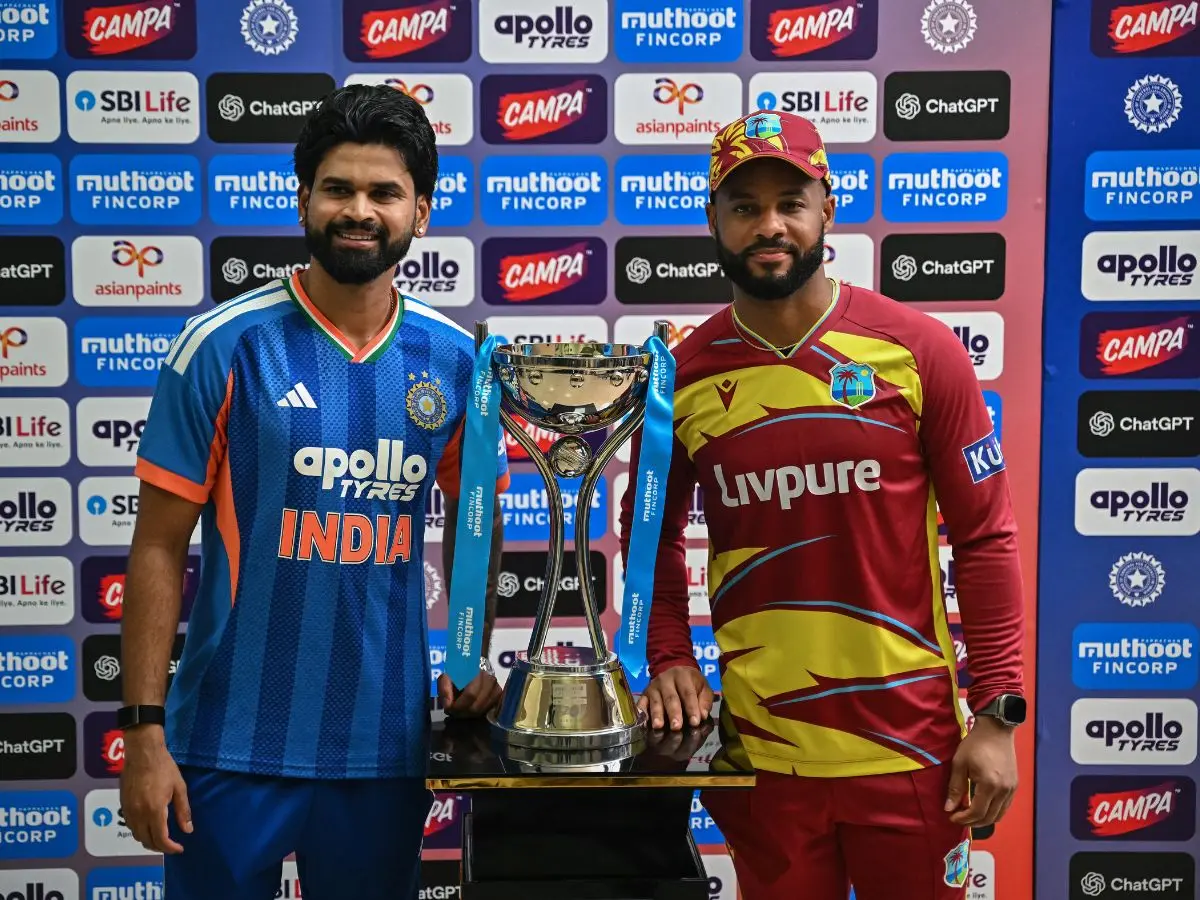
Rain washes out 5th T20I as India-West Indies share honours 2-2
&imwidth=180&imheight=135&format=webp&quality=medium)
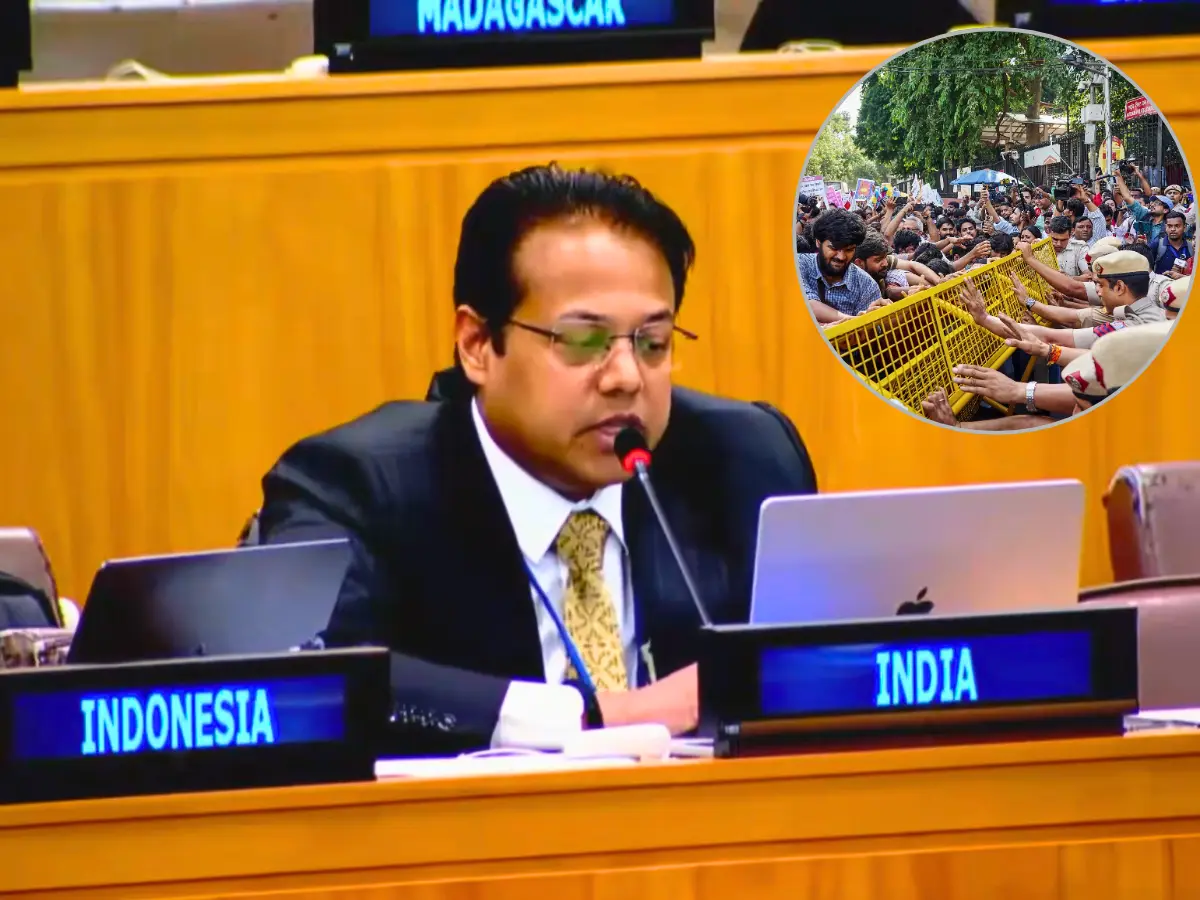
'Reason UN has lost credibility': Amid SIR protests India hits out at report alleging 'youth repression'
&imwidth=180&imheight=135&format=webp&quality=medium)
‘My president, I mean my husband’: Trump's new press secretary Katie Zacharia's first briefing goes off the rails in 14 minutes
&imwidth=180&imheight=135&format=webp&quality=medium)
China responds to Trump's Press Secretary Katie Zacharia after toilet remark: 'Visit China more often'
&imwidth=180&imheight=135&format=webp&quality=medium)
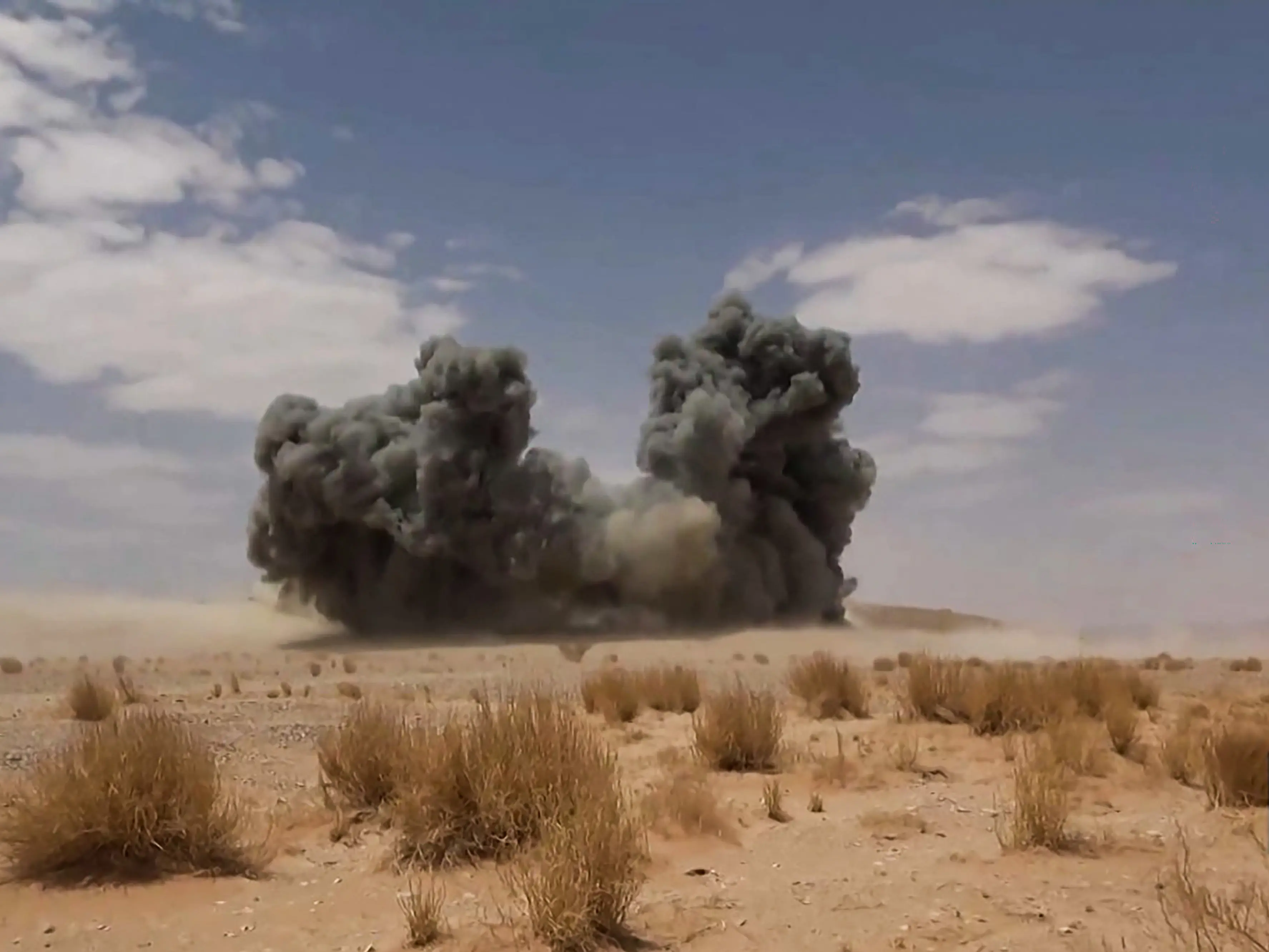
UAE agrees with Saudi Arabia to rejoin Yemen fight as Houthi strikes rattle Riyadh
&imwidth=180&imheight=135&format=webp&quality=medium)
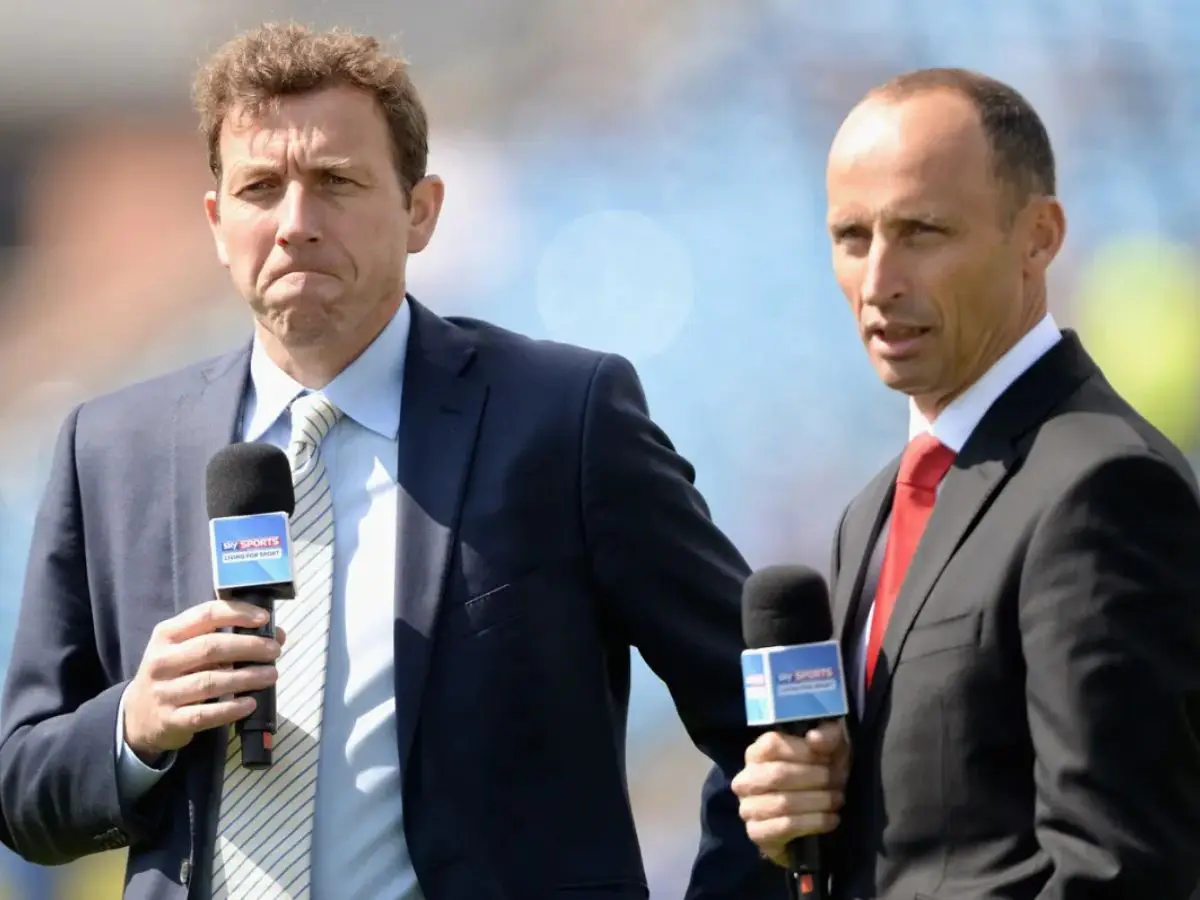
PCB omits Atherton, Hussain from tri-series commentary panel over Imran Khan interview row
&imwidth=180&imheight=135&format=webp&quality=medium)
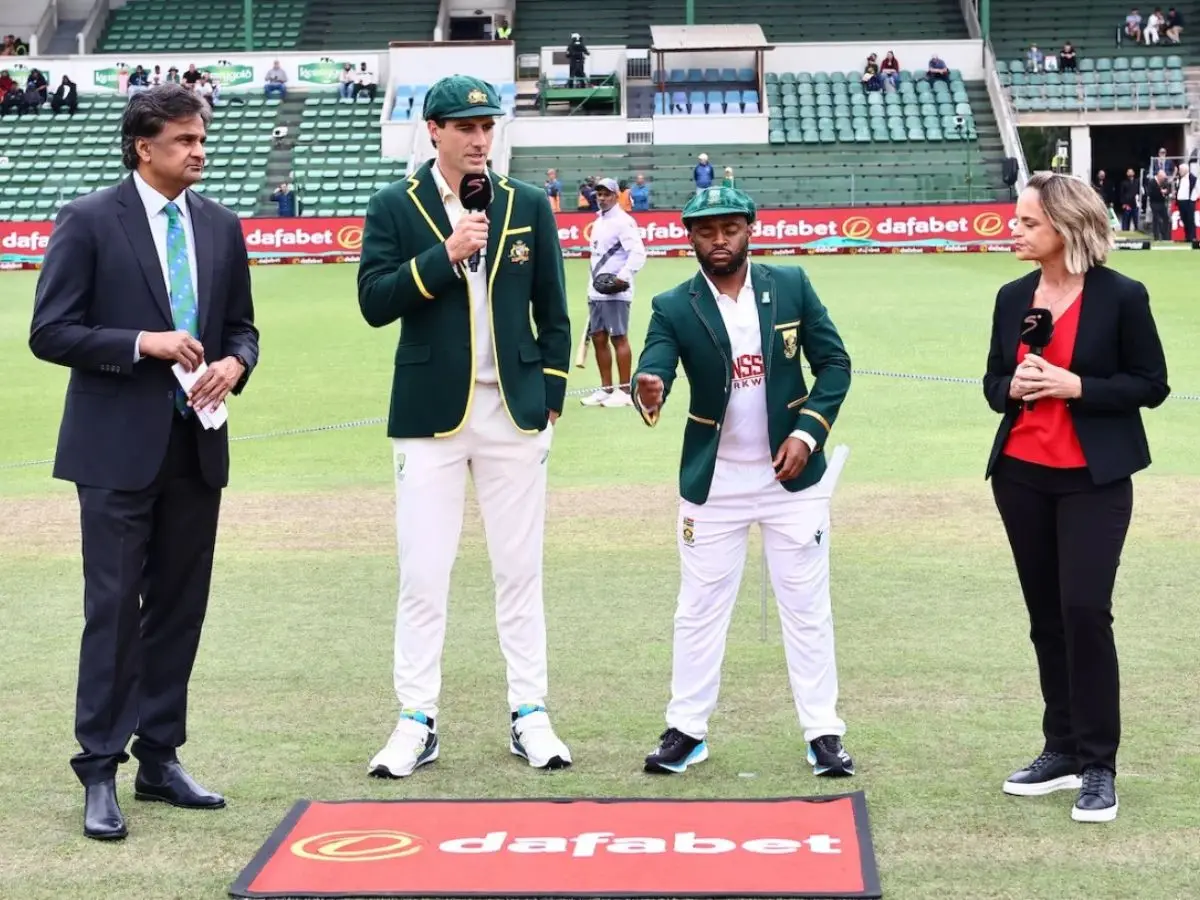
SA vs AUS 2nd Test: Rain delays start as Rabada returns; Boland replaces Lyon for Australia
&imwidth=180&imheight=135&format=webp&quality=medium)
At least 400 arrested as protests turn violent in France; PM blames far left
&imwidth=180&imheight=135&format=webp&quality=medium)
WATCH | iPhones, luxury perfumes floating in Hormuz? Iranian fishermen make bizarre discovery
&imwidth=180&imheight=135&format=webp&quality=medium)
Two students die, 14 injured at Dandiya event in Hyderabad: Know what happened? VIDEO
&imwidth=180&imheight=135&format=webp&quality=medium)
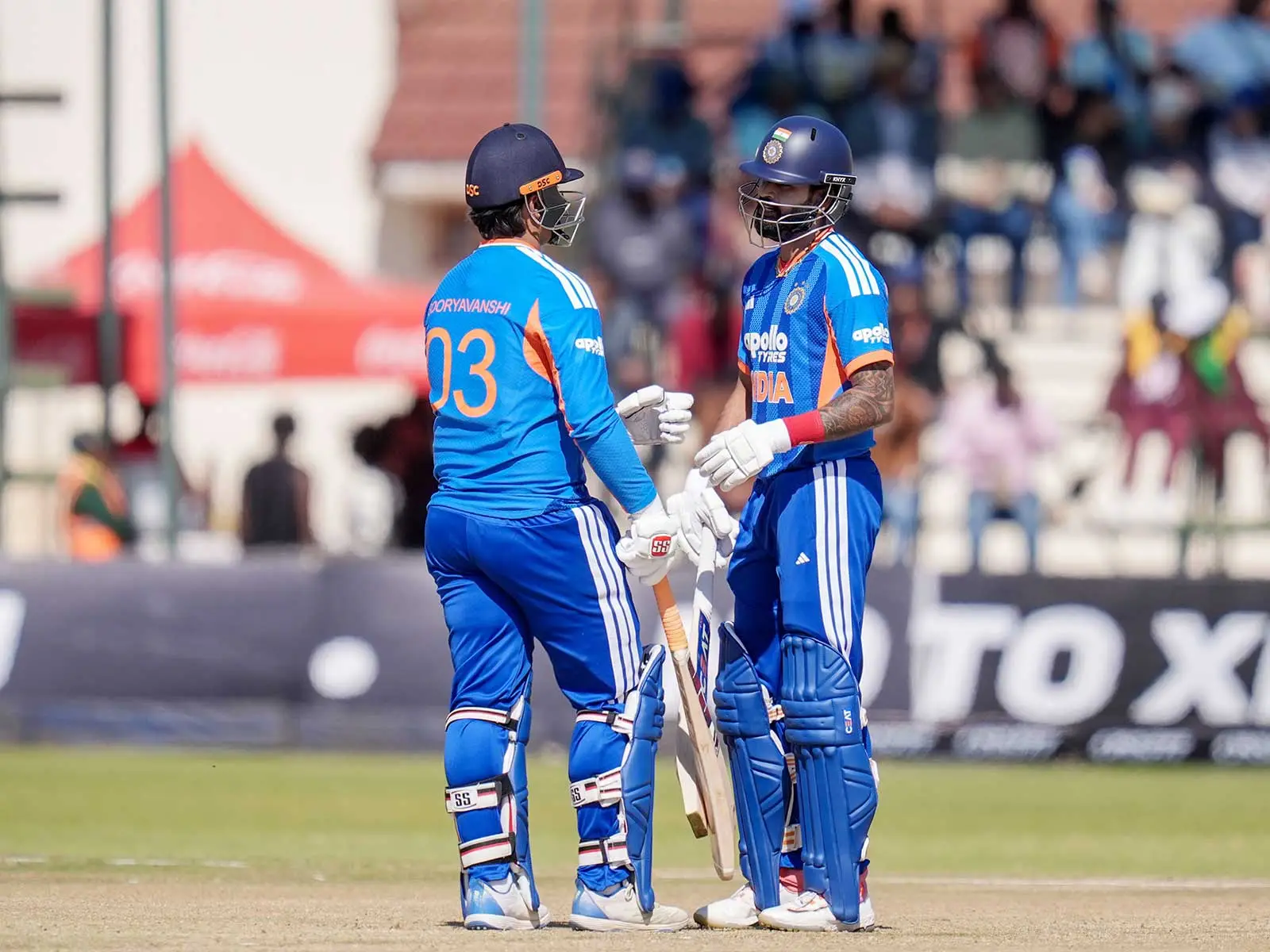
'keep telling him you will get your opportunities': Iyer opens up on conversations with Sooryavanshi
&imwidth=180&imheight=135&format=webp&quality=medium)
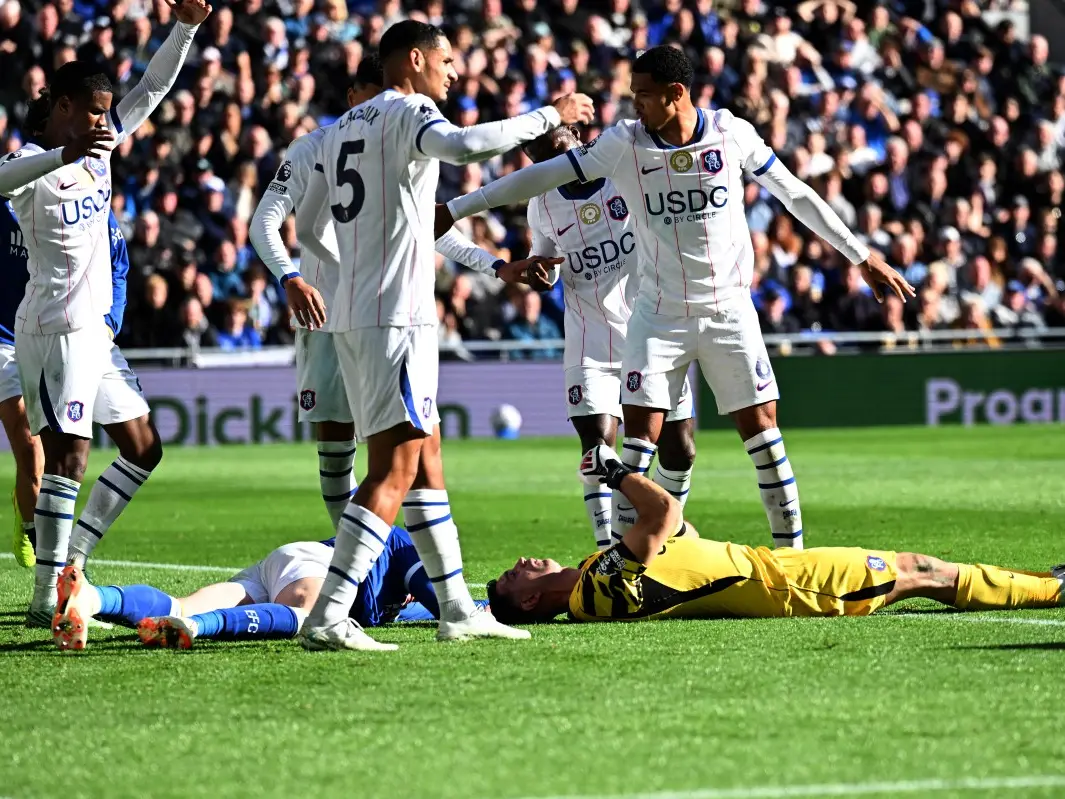
‘Be back in few weeks’: Emi Martinez shares first update after head clash in Premier League match
&imwidth=180&imheight=135&format=webp&quality=medium)
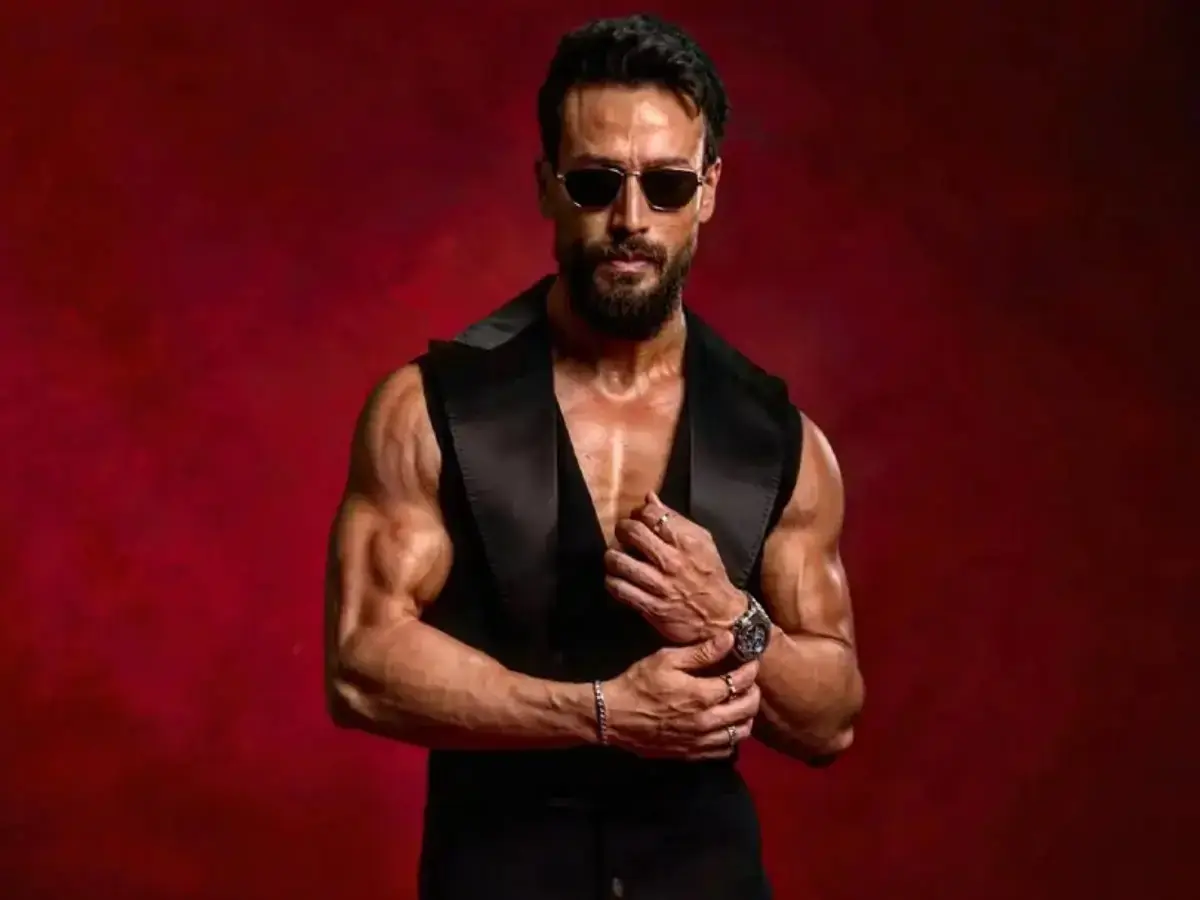
Tiger Shroff attacked by three gunmen in Mumbai, actor safe, two injured
&imwidth=180&imheight=135&format=webp&quality=medium)
Taylor Swift performs at star-studded Academy Museum Gala 2026 in stunning Dior ensemble
&imwidth=180&imheight=135&format=webp&quality=medium)
Anirudh Ravichander-Kavya Maran wedding: Telangana CM reveals Chennai reception date
&imwidth=180&imheight=135&format=webp&quality=medium)
Kolkata Durga Puja stampede: PM Modi announces Rs 2 lakh ex-gratia for kin of dead, Amit Shah to visit injured
&im=FitAndFill=(700,400)&imwidth=180&imheight=135&format=webp&quality=medium)
Inside Tesla's Roadster: 10 features of Elon Musk's 'flying car' that push the limits of electric vehicles | In Pics
&imwidth=180&imheight=135&format=webp&quality=medium)
One species, two lineages: Why Sri Lanka’s spectacled cobra differs genetically from Indian variant
&imwidth=180&imheight=135&format=webp&quality=medium)
2 injured in plane crash on busy California highway
&imwidth=180&imheight=135&format=webp&quality=medium)
'We feel like Mr India': Gujarat’s undercover SHE team guard garba nights at Navratri
&imwidth=180&imheight=135&format=webp&quality=medium)
Cattle-feed bran in biscuits, detergent in milk: FSSAI acts against 3 companies
&imwidth=180&imheight=135&format=webp&quality=medium)
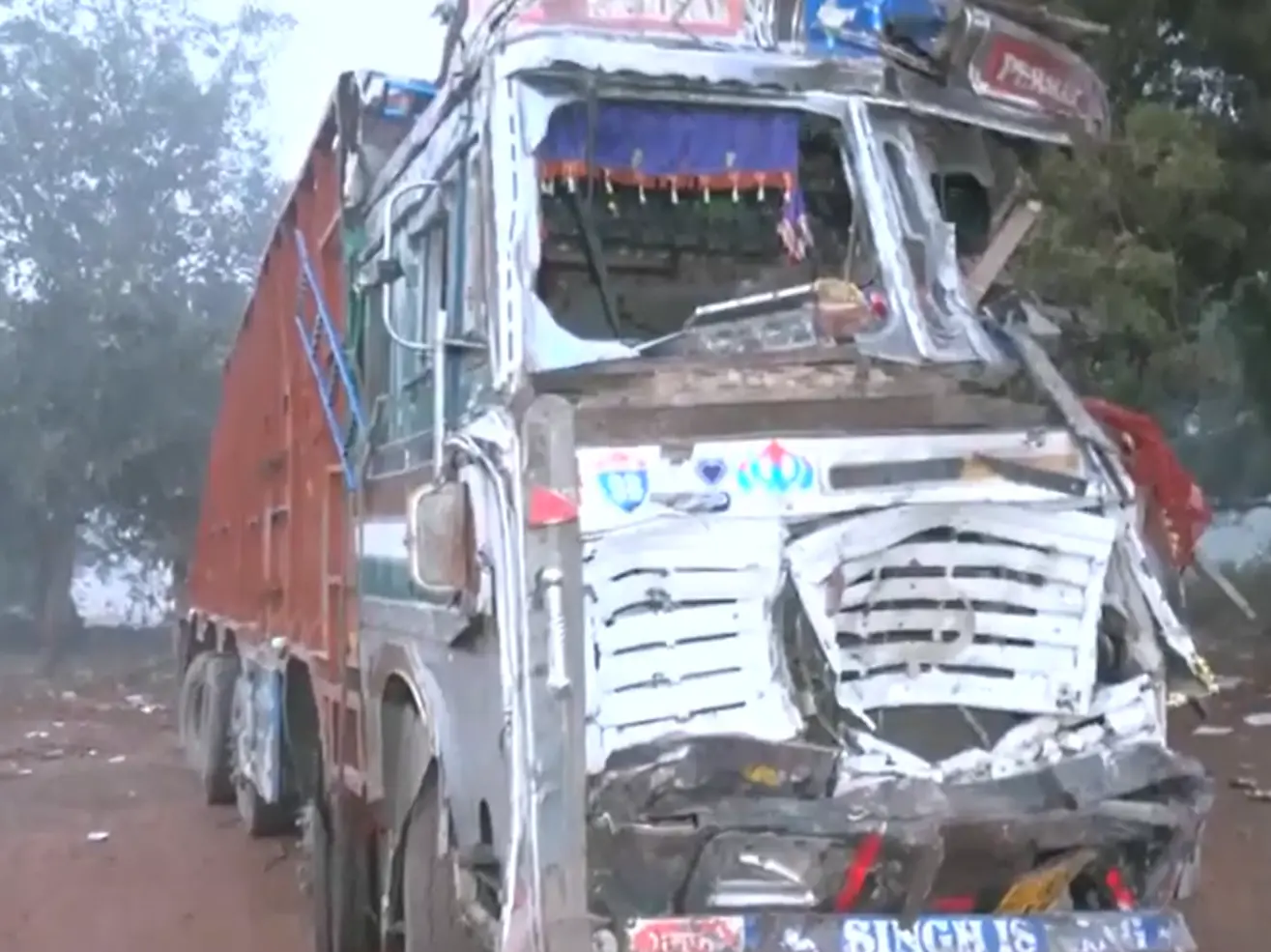
13 dead after truck mows down devotees, crashes into temple gate in Madhya Pradesh's Gwalior
&imwidth=180&imheight=135&format=webp&quality=medium)
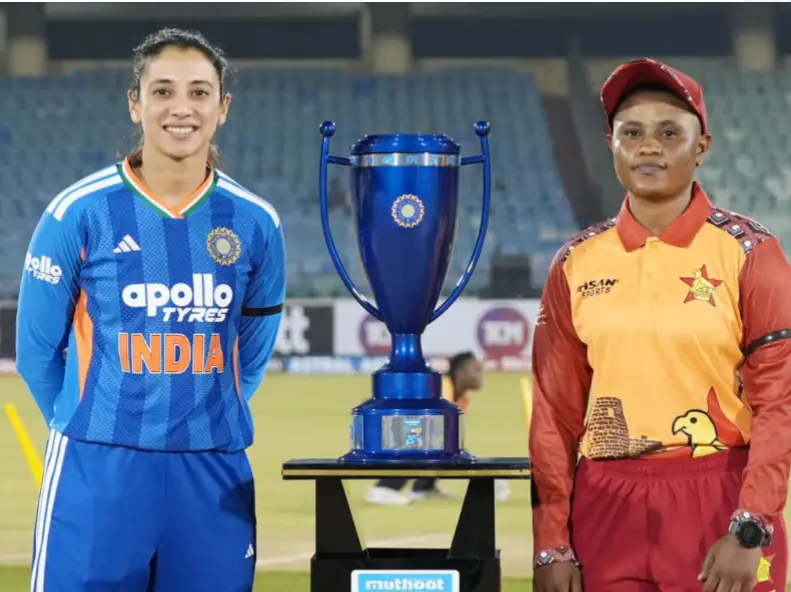
IND-W vs ZIM-W, 2nd T20I: When and where to watch live streaming in India?
The automotive landscape is witnessing unprecedented transformation, particularly in the electric vehicle sector. Tesla and Chinese manufacturers have intensified price competition, placing substantial pressure on traditional automakers to innovate, reduce costs, and accelerate vehicle development.
Seiji Sugiura, a senior analyst at Tokai Tokyo Intelligence Laboratory, viewed the potential collaboration positively, describing it as creating a "second axis" against Toyota and potentially revitalising the somewhat stagnating Japanese automotive industry.
However, significant challenges remain. Any merger would face rigorous scrutiny, particularly in the United States. Potential regulatory hurdles could emerge, with industry officials suggesting that the incoming administration might seek concessions from both manufacturers.
Corporate culture integration represents another potential obstacle. Tang Jin, a senior researcher at Mizuho Bank, highlighted the distinctive technological culture of Honda, which might generate internal resistance to a merger with Nissan.
Interestingly, Taiwan's Foxconn, known for manufacturing Apple iPhones, reportedly approached Nissan about a potential stake acquisition but was summarily rejected.
The proposed partnership reflects a broader industry trend of strategic consolidation in response to rapidly evolving technological and market dynamics. As electric vehicles continue to disrupt traditional automotive manufacturing, collaborations like this may become increasingly common.

