Florida's USD 198 million EV charging fund stalls


Florida's USD 198 million EV charging fund stalls
Florida, the second-largest market for electric vehicles (EVs) in the United States, is facing mounting pressure from businesses over its failure to distribute USD 198 million in federal funding allocated for EV charging infrastructure. The funds, part of the National Electric Vehicle Infrastructure (NEVI) program under the Biden administration's 2021 Bipartisan Infrastructure Law, remain inaccessible to potential operators due to the state's inaction.
Florida stands out as the largest state among 14 that have yet to release applications for EV charging operators to access the NEVI funding. This delay is particularly striking given Florida's significant EV adoption rate, second only to California. The contrast becomes even more apparent when compared to states like Ohio, which is already in its second round of applications and celebrating the opening of NEVI-funded DC fast chargers.
The situation has prompted a coalition of businesses, led by Charge Ahead Partnership, to publicly call on Florida to expedite the process. This coalition includes major gas station chains such as Wawa, Buc-ee's, and Busy Bee, as well as influential groups like the Florida Petroleum Marketers Association and the Florida Retail Federation. Their collective voice underscores the growing frustration within the business community over missed opportunities to expand the state's EV charging network.

Jay Smith, executive director of Charge Ahead Partnership, expressed disappointment in the state's lack of progress, stating, "Florida has countless businesses that would love to use NEVI funds to help build out the state's EV charging infrastructure, the same way that businesses in other states are. It's unfortunate that the state has still not issued an application for funds, while states like Ohio are opening NEVI-funded chargers."
The NEVI program is designed to cover approximately 80% of the costs associated with installing EV chargers, with businesses contributing the remaining 20%. This cost-sharing model aims to accelerate the deployment of charging infrastructure across the country, making it an attractive proposition for many businesses looking to enter or expand in the EV charging market.
The delay in Florida is particularly concerning given the state's unique position in the EV landscape. As a popular tourist destination and home to a growing number of EV owners, the development of a robust charging network is crucial for supporting both local and visitor needs. The lack of action not only hinders business opportunities but also potentially slows the state's transition to cleaner transportation options.
)
Over 4,200 books withdrawn from circulation in J&K colleges, 94% from Kashmir
)
'What kind of confession is this?': Pakistan PM Shehbaz Sharif’s 'terrorists would be roaming New York' remark goes viral, raises alarm online. Watch
)
WION Iconic Tourism Summit and Iconic Awards 2026: India's travel economy leaders gather in Delhi
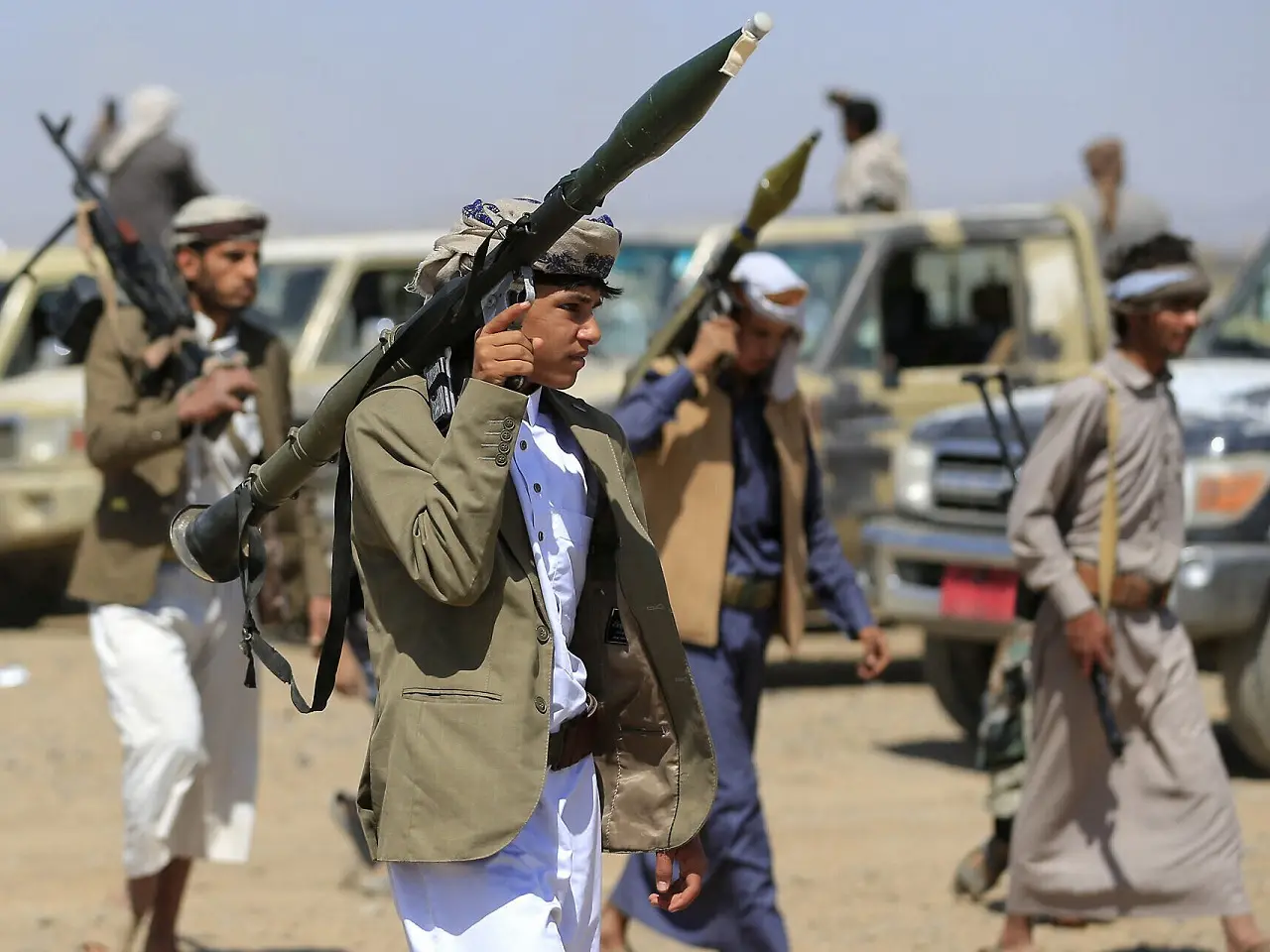)
Yemen clashes kill 154 people in two days as cornered Saudi battles Houthi offensive | Gravitas
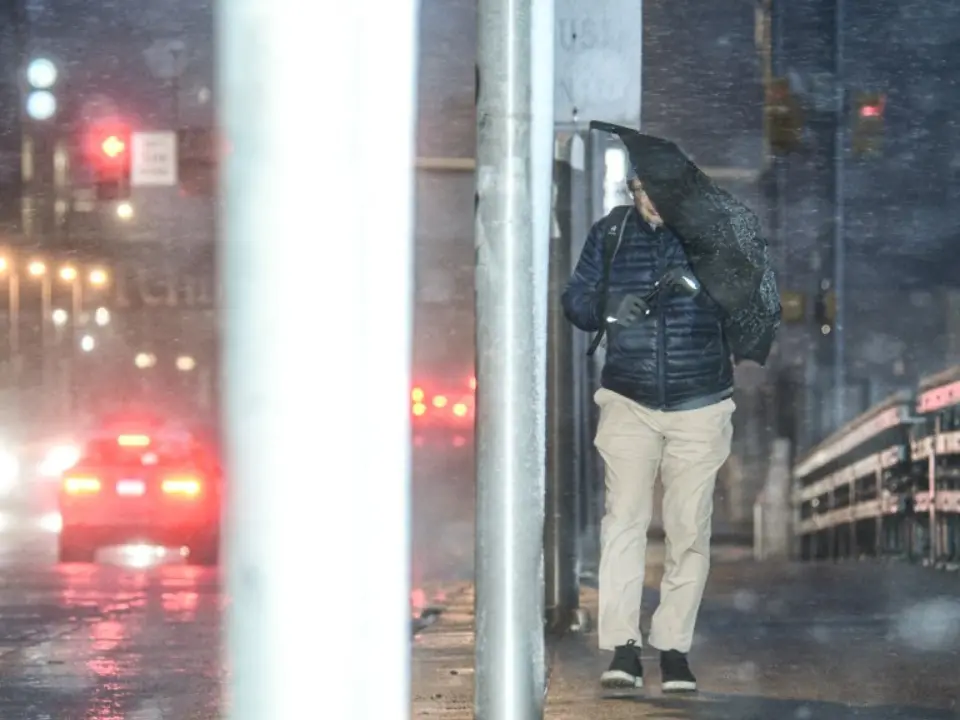)
Nor'easter could batter 13 US states this week. What you should know
&im=FitAndFill=(700,400))
National Film Awards 2026: Kartik Aaryan, Mammootty, Yami Gautam, Randeep Hooda and other key winners
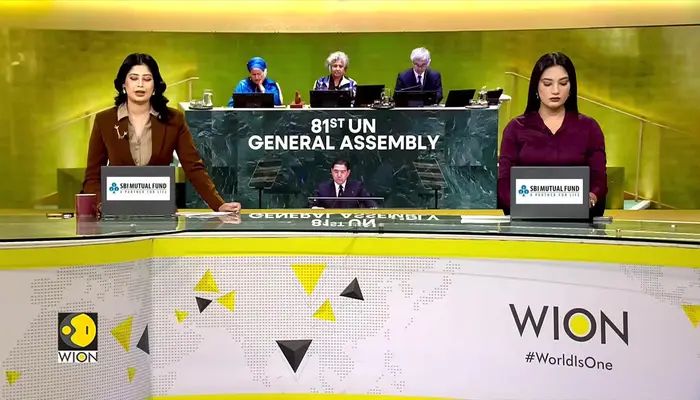)
81st UN General Assembly: Burnham announces UK-US AI defence tie-up
)
IND vs JPN T20I: How an overturned wide became point of difference between India's win and a tie
)
Gravitas | Boosting NHS productivity could save 20,600 lives in UK annually: Report
)
Forget apps: Qualcomm CEO says AI agents will change how we use smartphones
)
From Gaddafi tearing up UN Charter to Trump’s ‘escalatorgate’: Most unforgettable UNGA moments
)
Four female students raped during 'Red Zone' at California university. What we know
)
US-China tech war: Businesses in the front line
)
Bomb scare in New York amid UNGA: Suspicious suitcase found near UN headquarters
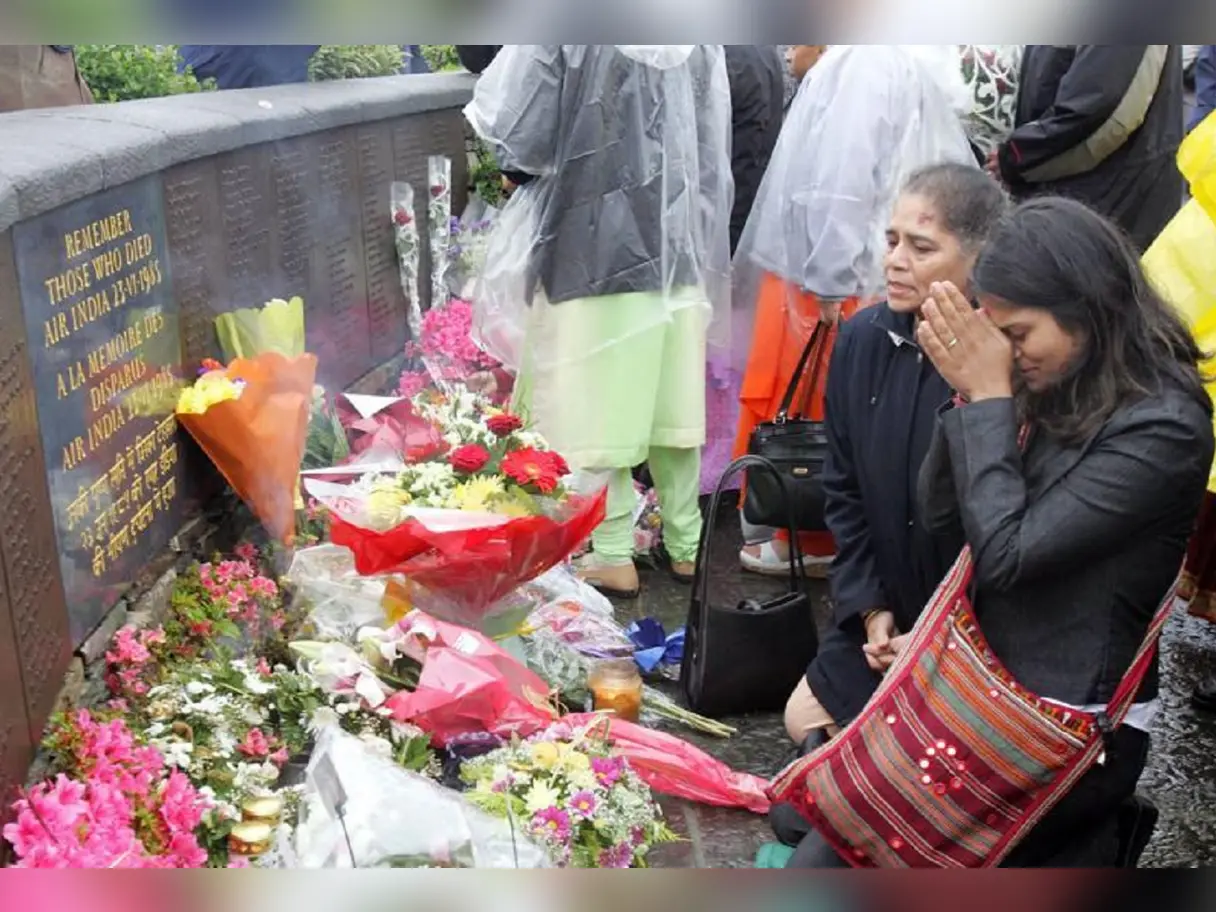)
Justice eludes Air India 1985 bombing victims as Canada probe goes 'inactive' | Gravitas
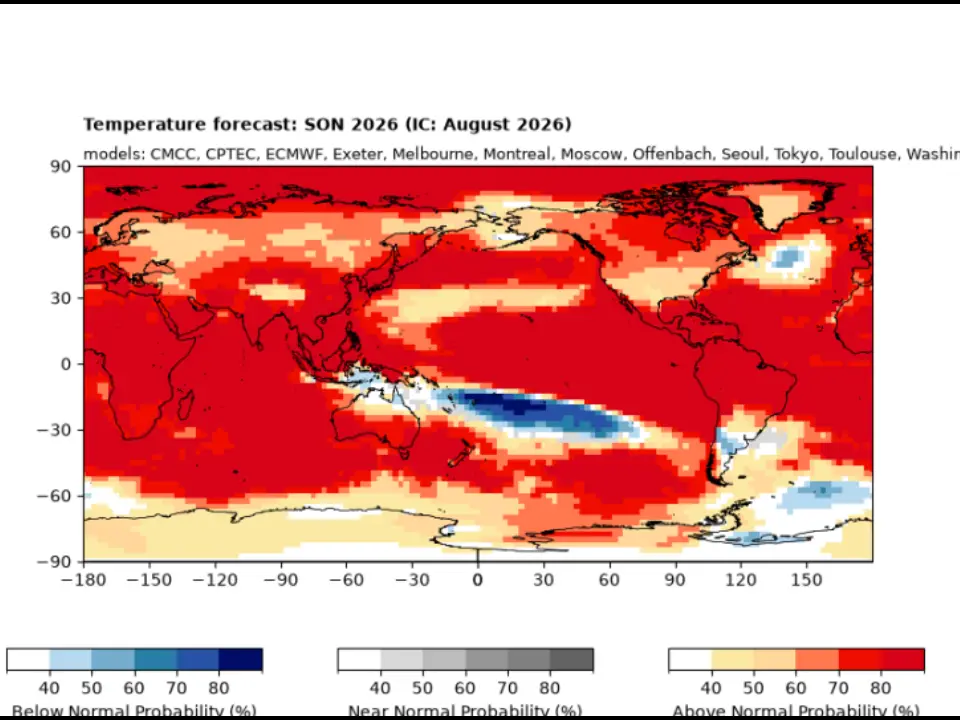)
El Niño 2026 heats up to become strongest in 1,000 years
)
WION Iconic Tourism Summit and Awards 2026: Key voices to discuss India’s tourism future
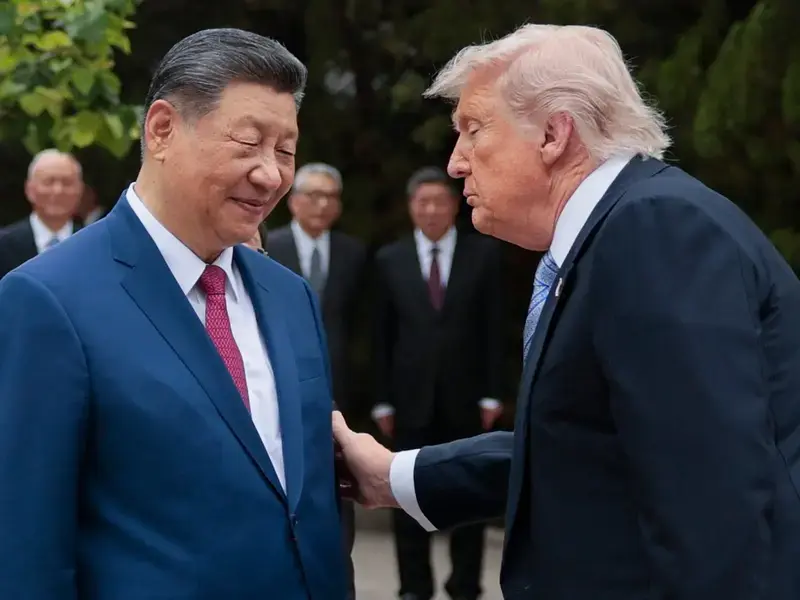)
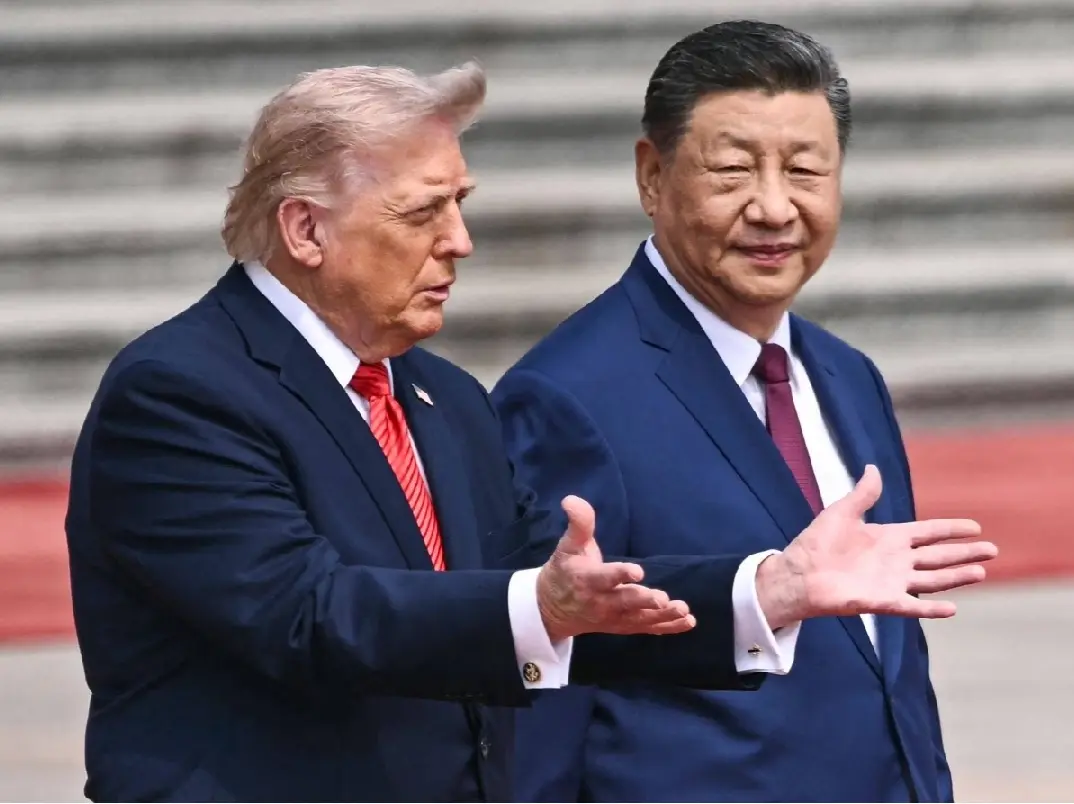
Trump-Xi summit: From trade to Taiwan, what will the US and Chinese presidents discuss in Washington?
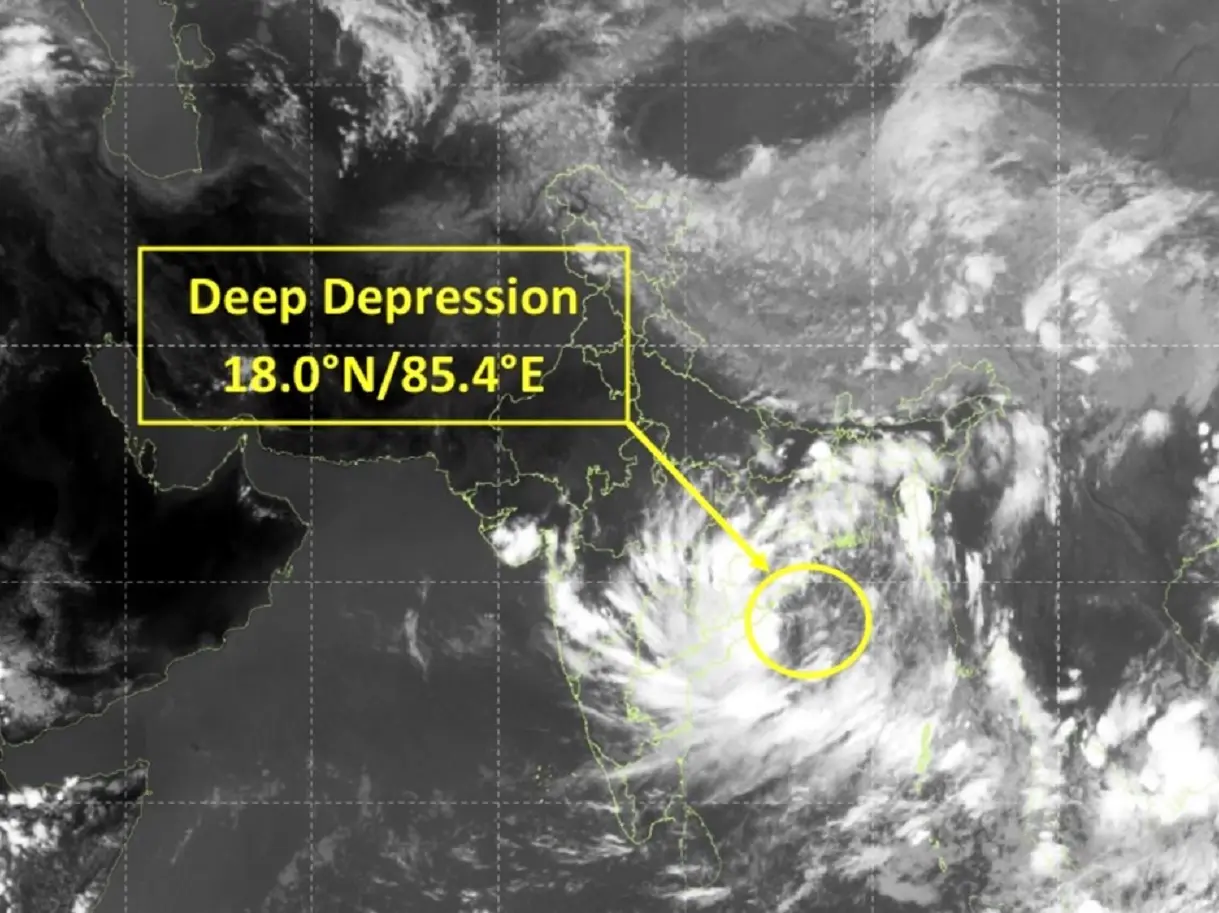)
Cyclone Arnab: Landfall expected before midnight tomorrow as IMD issues orange alerts across six states
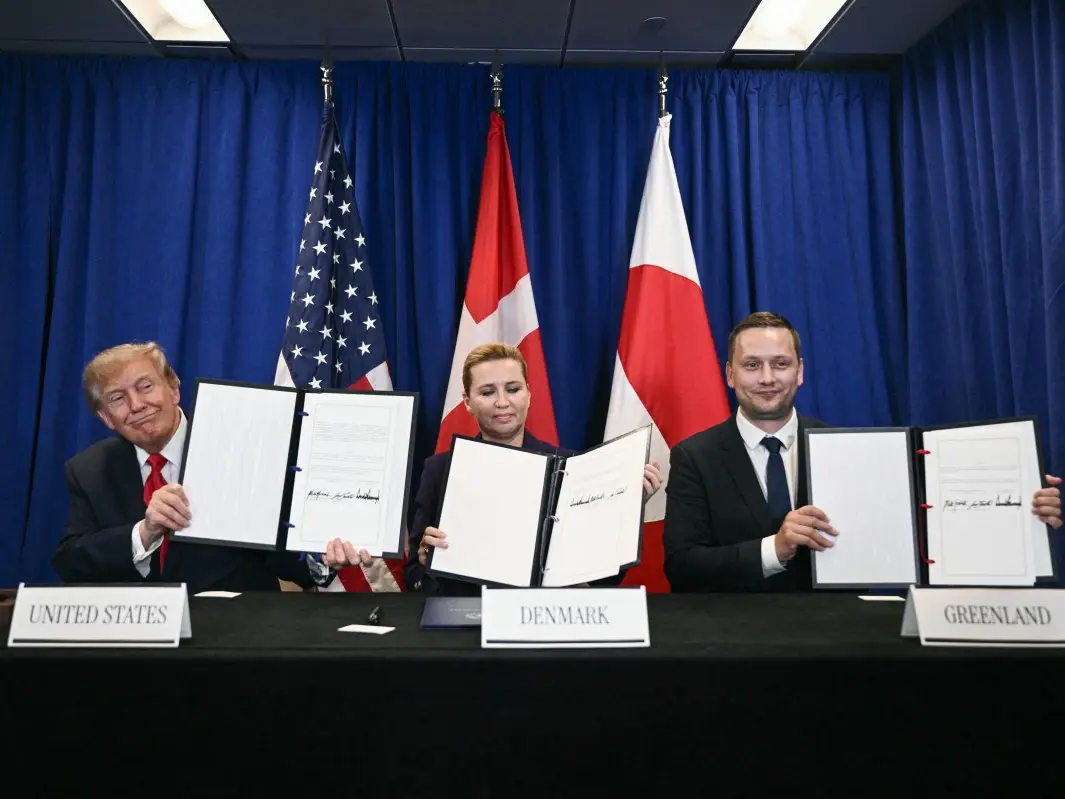)
Trump signs Greenland security deal with Denmark, paving way for two new US military bases
)
Asia prepares for record El Nino, food shock
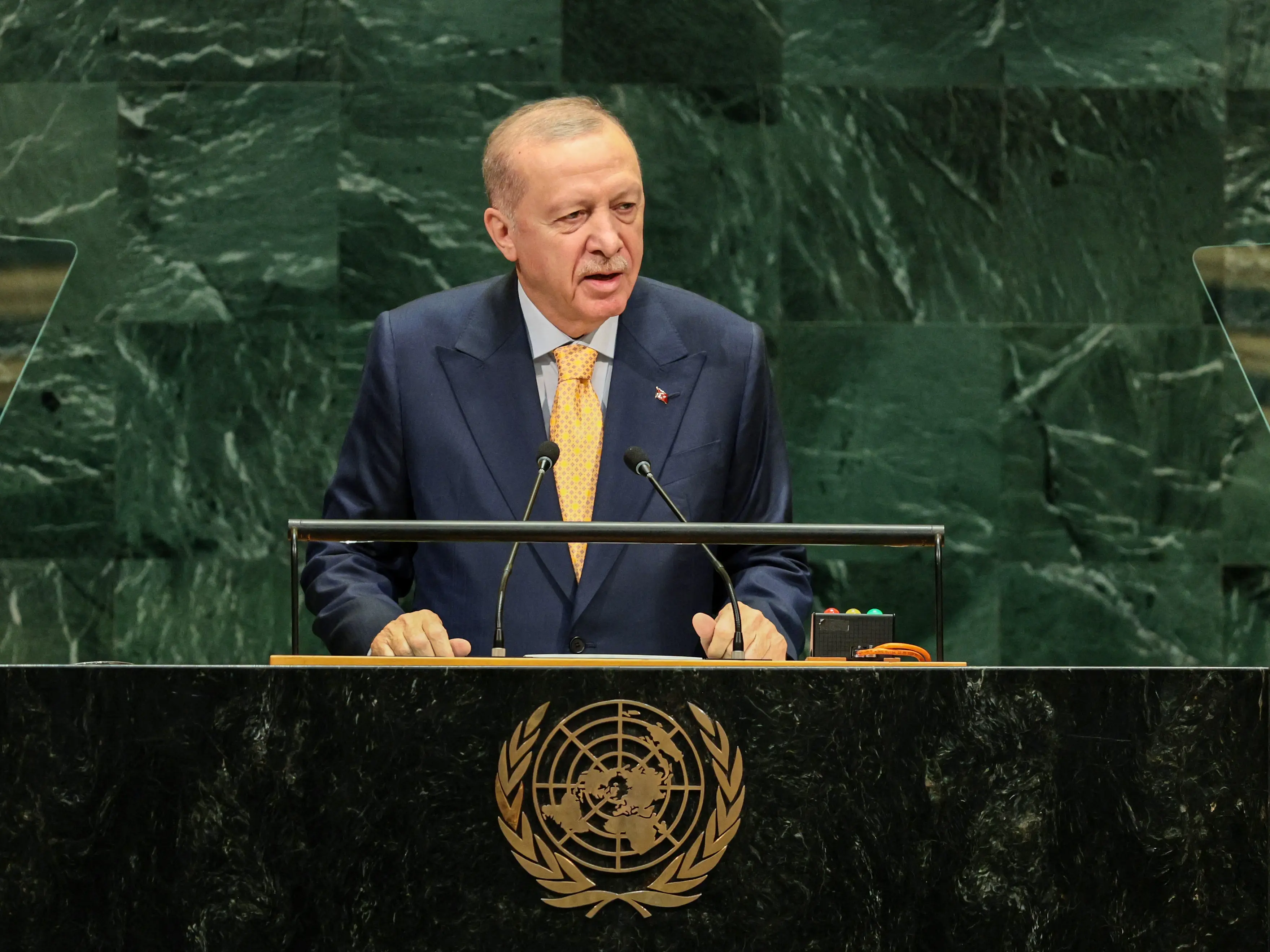)
Erdogan again raises Kashmir issue at UNGA, calls for dialogue under UN Charter
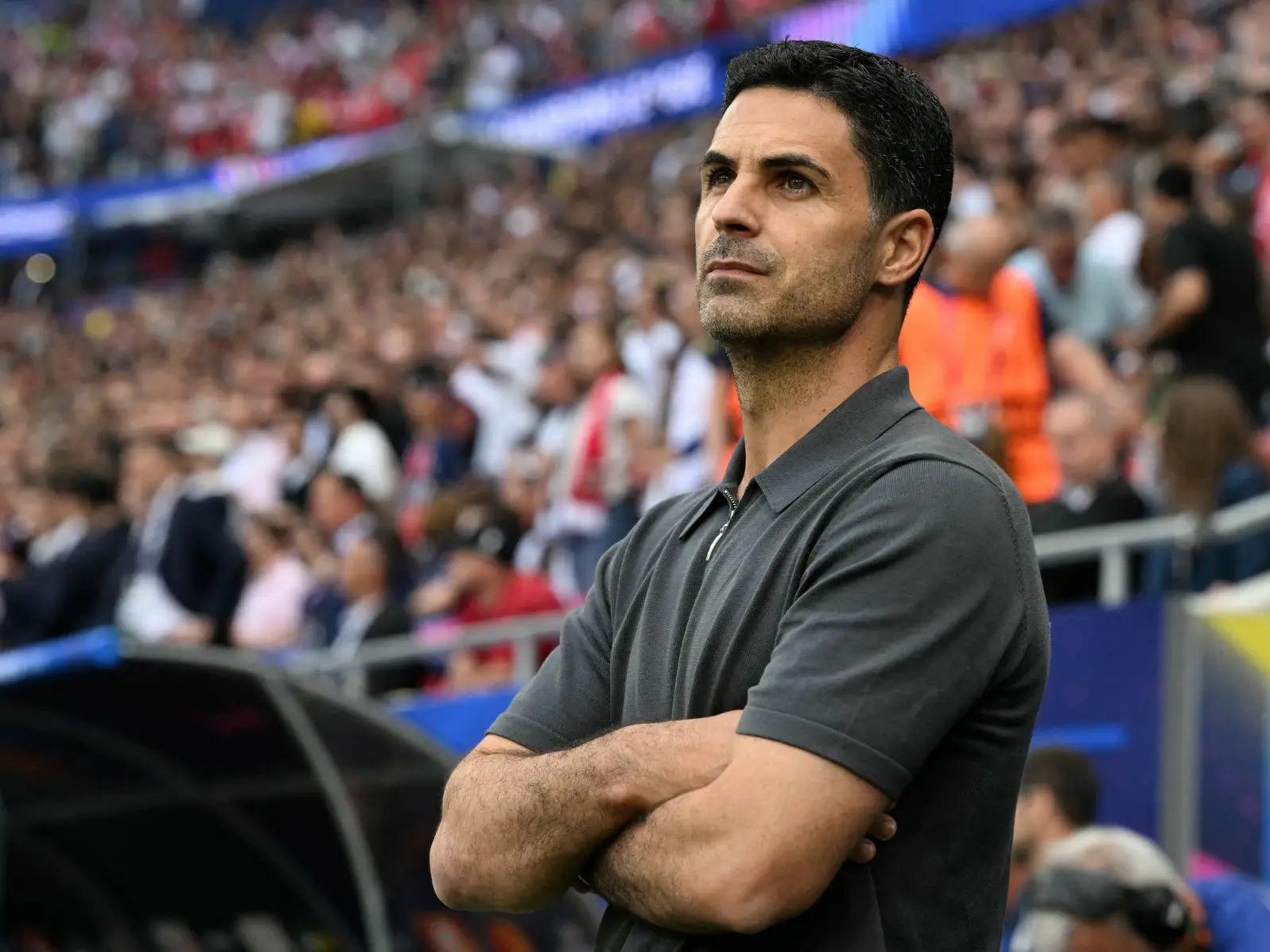)
Mikel Arteta verbally agrees to three-year extension with Arsenal after title-winning Premier League season
)
Infections transmitted from pregnant woman linked to autism risk
)
Anne Hathaway to run in supporting race for Nolan's epic
)
US and China vie for AI dominance as calls grow for regulation | Gravitas
)
IND vs JPN, one-off T20I: Japan captain Kendel on pushing India to the brink - ‘It was special’
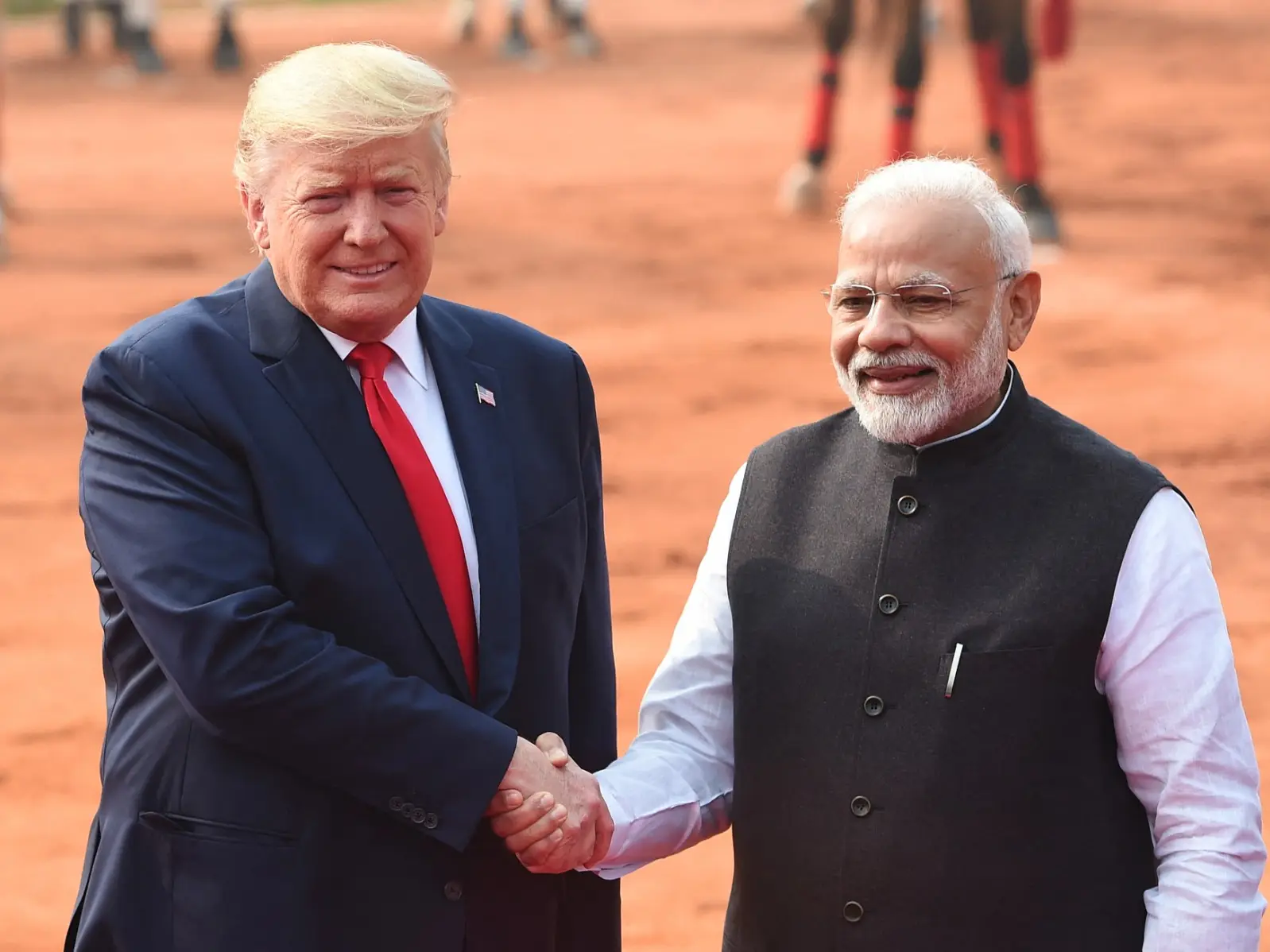)
Trump revives India-Middle East-Europe economic corridor as India emerges central to West Asia’s future: What is it?
&im=FitAndFill=(700,400))
New OTT releases this week (September 21-27, 2026): Shaque: Trust No One, Hunkkaar, Don’t Be Shy- 5 new titles coming to Netflix, Prime Video and more
)
'Mumma’s boy from Gwalior who dared to dream': Kartik Aaryan pens long note after first National Award win
)
ICC plans T20I expansion and fewer ODIs in 2027–2031 FTP cycle: Report
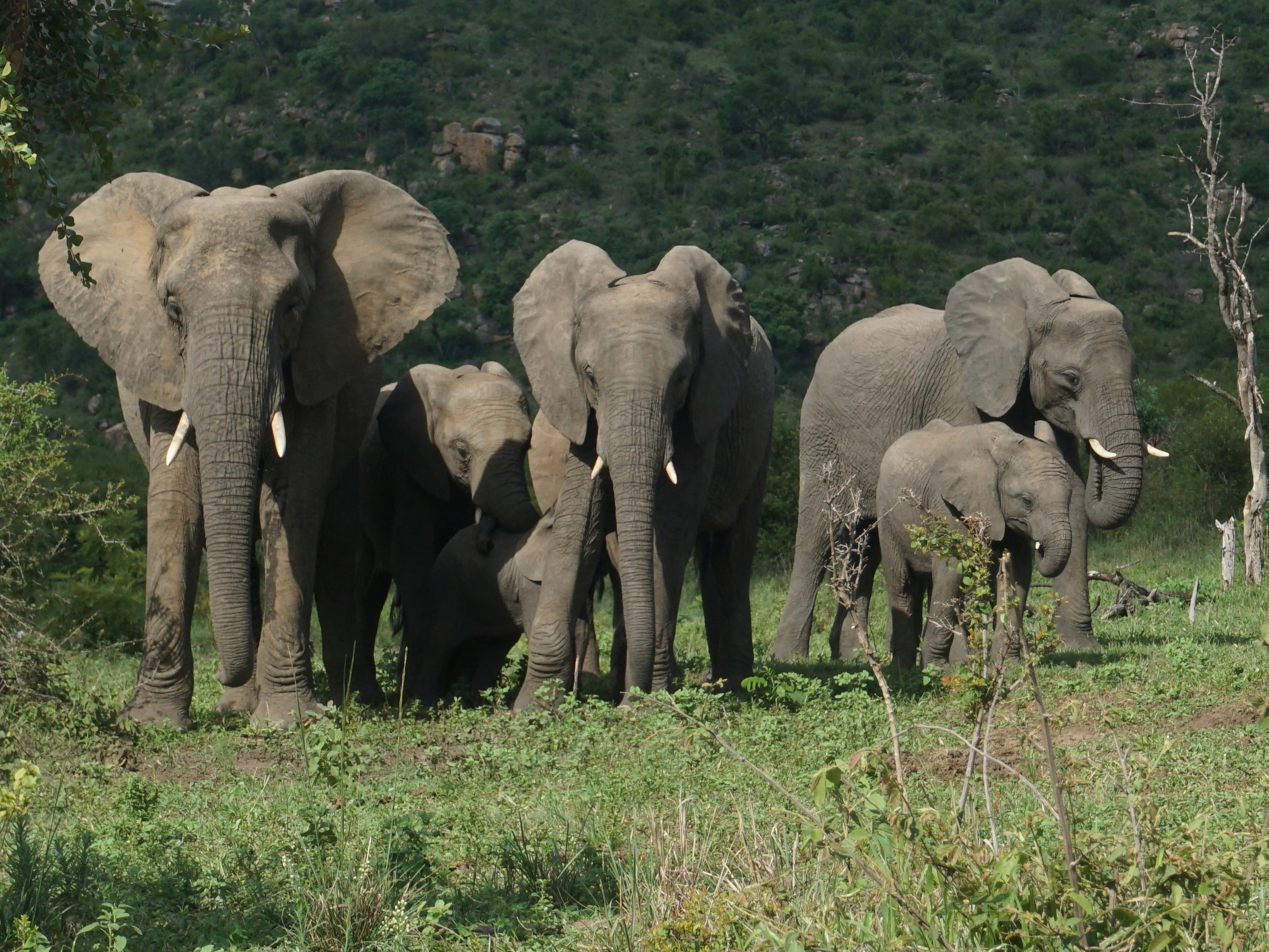)
Elephants hide behind trees, stage surprise attack on poachers targeting rhinos in South Africa
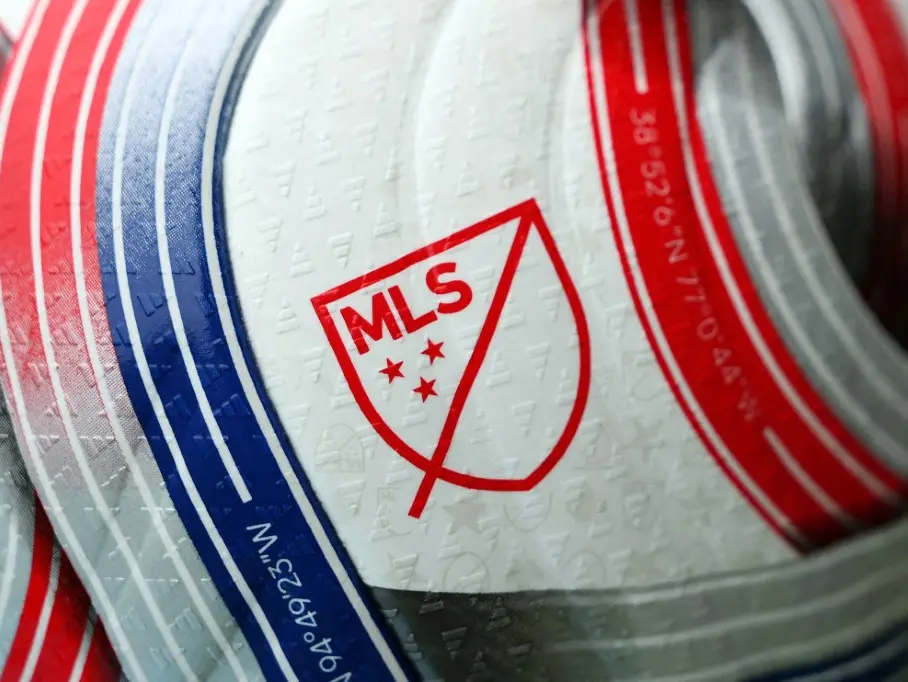)
Major League Soccer referee sacked for sexist comment about female match referee
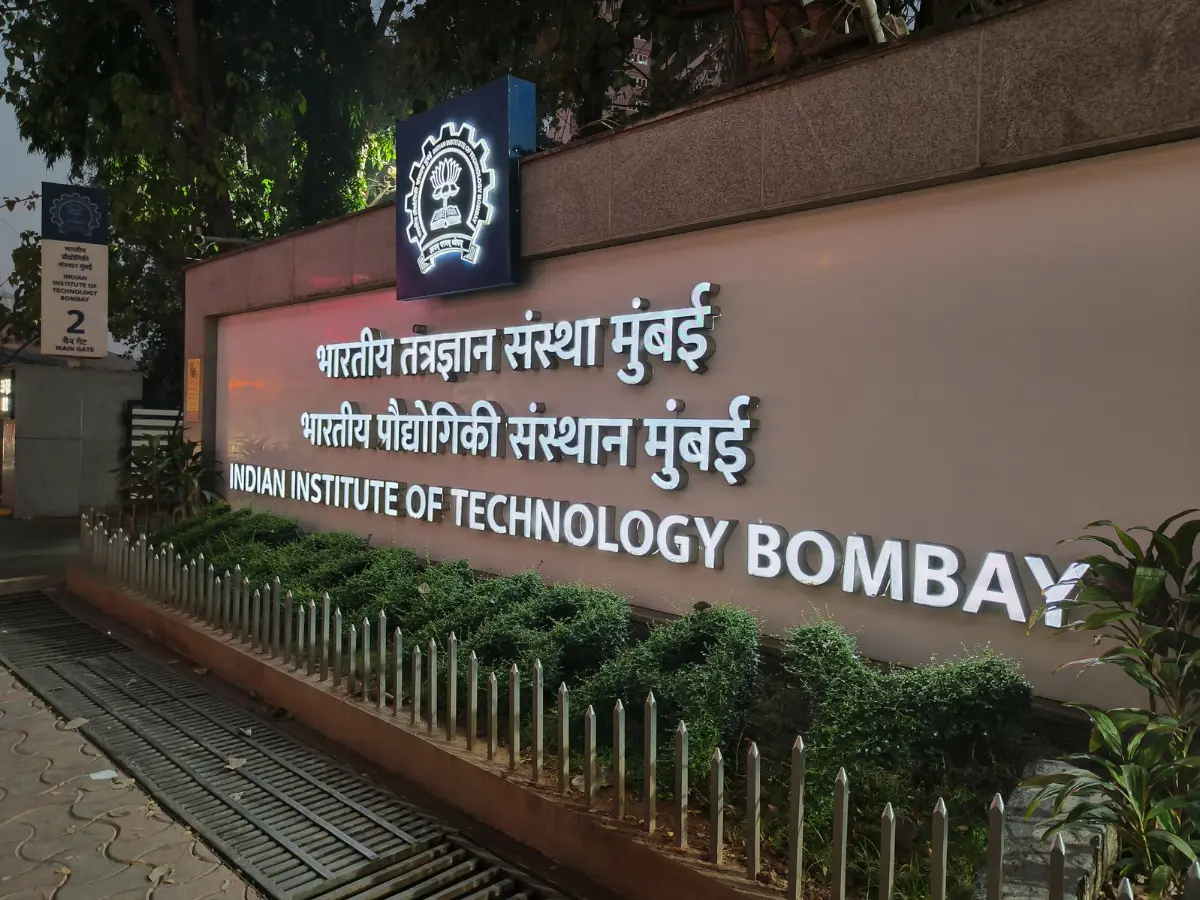)
IIT Bombay professor Suryanarayana Doolla sent on leave amid Sahil Wakode death probe
)
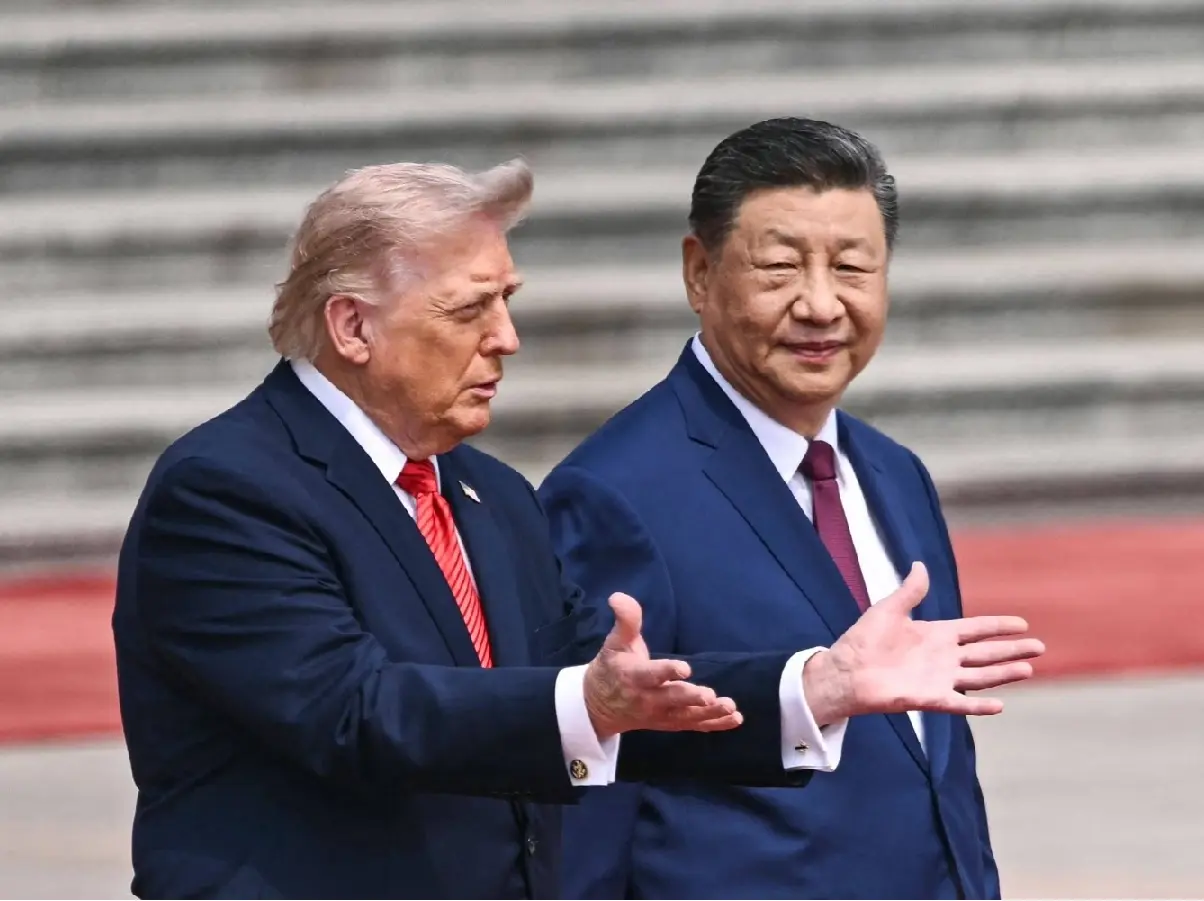
Trump calls on nations to quit ‘rogue’ and ‘out-of-control’ International Criminal Court, rips UN
)
Explainer: Why rare-earth export licences and Board of Trade are US priorities ahead of Trump-Xi summit
Attempts to obtain clarification from the Florida Department of Transportation have been met with silence. Michael Williams, a spokesperson for the department, has not responded to multiple inquiries regarding the reasons for the delay or any expected timeline for opening applications.
This situation highlights a broader issue in the implementation of federal infrastructure programs. While there has been criticism of the NEVI program's overall pace of rollout, the case of Florida demonstrates that state-level action (or inaction) plays a crucial role in the success of such initiatives. The federal government may provide the funds, but it ultimately falls to the states to effectively distribute and implement them.

