EV industry seeks Government support amid slowing sales

EV industry seeks Government support amid slowing sales
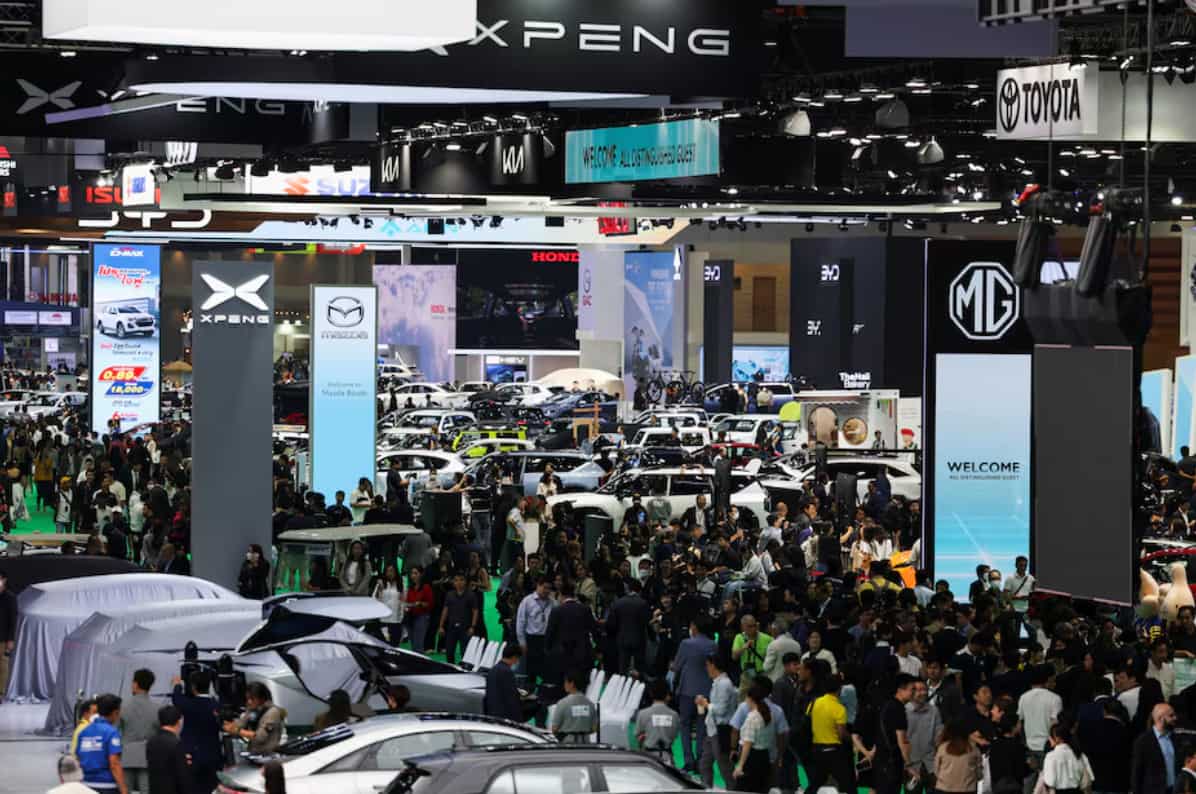
In a significant development for Thailand's burgeoning electric vehicle (EV) industry, major manufacturers are seeking to renegotiate government incentives as sales figures fail to meet projected targets. The Electric Vehicle Association of Thailand (EVAT), representing a coalition of Chinese and Japanese firms, has approached the government with a proposal to extend production deadlines set under the current incentive scheme.
Thailand, long renowned as a regional automotive manufacturing hub, has invested heavily in transforming itself into a centre for EV production. The government's EV 3.0 plan, which offered substantial tax breaks and other support measures, successfully attracted over USD 1.44 billion in investments from Chinese EV makers such as BYD Motors and Great Wall Motor. This influx of capital was intended to catalyse Thailand's transition from traditional automobile manufacturing to becoming a key player in the global EV market.
However, the industry is now grappling with unforeseen challenges. Suroj Sangsnit, President of EVAT and Executive Vice President of SAIC Motor-CP, revealed in an exclusive interview with Reuters that the association is negotiating with the government to extend production deadlines. "We're trying to negotiate, extend the production date a little," Sangsnit stated. "The conditions say we have to produce within a year, so can we ask for another year?"

The current EV 3.0 plan mandates that companies receiving incentives must produce in Thailand this year the equivalent number of vehicles they imported between 2022 and 2023. Failure to meet this deadline results in a more stringent requirement for the following year, obligating manufacturers to produce 1.5 cars for each imported vehicle.
Major Chinese companies at the forefront of this push for change include BYD, MG Motor (owned by SAIC Motor Corp), and Great Wall Motor. These firms, which have made substantial investments in Thailand's EV sector, are now seeking flexibility in light of market realities.
The request for deadline extensions is part of a broader strategy by the EV industry to address lower-than-expected sales. Earlier this year, industry representatives met with Thai central bank officials to discuss challenges facing the sector. One key outcome of these discussions was a potential revision in how banks calculate income for auto loan applications, potentially considering household income rather than individual earnings.
&im=FitAndFill=(700,400))
National Film Awards 2026: Kartik Aaryan, Mammootty, Yami Gautam, Randeep Hooda and other key winners
)
The Verdict | Moral policing isn’t culture or discipline, it’s crime
)
‘Shame on you’: Netanyahu vows to ‘tell the truth’ about Mamdani at UN ahead of New York visit
)
ICC plans T20I expansion and fewer ODIs in 2027–2031 FTP cycle: Report
)
Erdogan again raises Kashmir issue at UNGA, calls for dialogue under UN Charter
)
Trump revives India-Middle East-Europe economic corridor as India emerges central to West Asia’s future: What is it?
)
World leaders repeatedly call Gaza crisis ‘genocide’ as Israel’s war dominates opening sessions of UNGA
)
IIT Bombay professor Suryanarayana Doolla sent on leave amid Sahil Wakode death probe
)
American manufacturing is reshoring faster than its factory floors can absorb
)
'Mumma’s boy from Gwalior who dared to dream': Kartik Aaryan pens long note after first National Award win
)
'Our team opened the gate of gold medals': Harmanpreet Kaur on India’s Asian Games final win
)
US and China vie for AI dominance as calls grow for regulation | Gravitas
&im=FitAndFill=(700,400))
New OTT releases this week (September 21-27, 2026): Shaque: Trust No One, Hunkkaar, Don’t Be Shy- 5 new titles coming to Netflix, Prime Video and more
)
Four decades after leaving Kolkata, the Birlas may be coming back for more
)
WION Iconic Tourism Summit and Iconic Awards 2026: India's travel economy leaders gather in Delhi
)
IND vs JPN, one-off T20I: Japan captain Kendel on pushing India to the brink - ‘It was special’
)
Over 4,200 books withdrawn from circulation in J&K colleges, 94% from Kashmir
)
Raaka creates history! Allu Arjun’s film secures Guinness World Record ahead of release
)
Oil slips to $98 as Saudi Arabia restarts East-West oil pipeline
)
Who is Clavicular? The 20-year-old controversial 'Looksmaxxing' influencer charged with rape allegations
)
Trump calls on nations to quit ‘rogue’ and ‘out-of-control’ International Criminal Court, rips UN
)
Yemen clashes kill 154 people in two days as cornered Saudi battles Houthi offensive | Gravitas
)
WION Iconic Tourism Summit and Awards 2026: Key voices to discuss India’s tourism future
)
Bomb scare in New York amid UNGA: Suspicious suitcase found near UN headquarters
)
'This is normally what toddlers do': Why a psychiatrist is raising fresh questions about Trump’s recent behaviour
)
Gravitas | Boosting NHS productivity could save 20,600 lives in UK annually: Report
)
Trump signs Greenland security deal with Denmark, paving way for two new US military bases
)
Saudi Arabia exits China-led mBridge digital currency platform amid Saudi-Houthi conflict
72nd National Film Awards: Kartik Aaryan receives Best Actor honour for Chandu Champion in Gujarat
)
Glitch in the matrix caught on camera: Woman vanishes after talking to reporter
)
Explainer: Why rare-earth export licences and Board of Trade are US priorities ahead of Trump-Xi summit
)
Trump-Xi summit: From trade to Taiwan, what will the US and Chinese presidents discuss in Washington?
)
Key accused in Bihar's Jamui molestation case, arrested after police shoot him in leg
)
Justice eludes Air India 1985 bombing victims as Canada probe goes 'inactive' | Gravitas
)
‘Strike a deal or drive Iran into hell’: Trump issues fresh warning to Tehran at UNGA
)
Major League Soccer referee sacked for sexist comment about female match referee
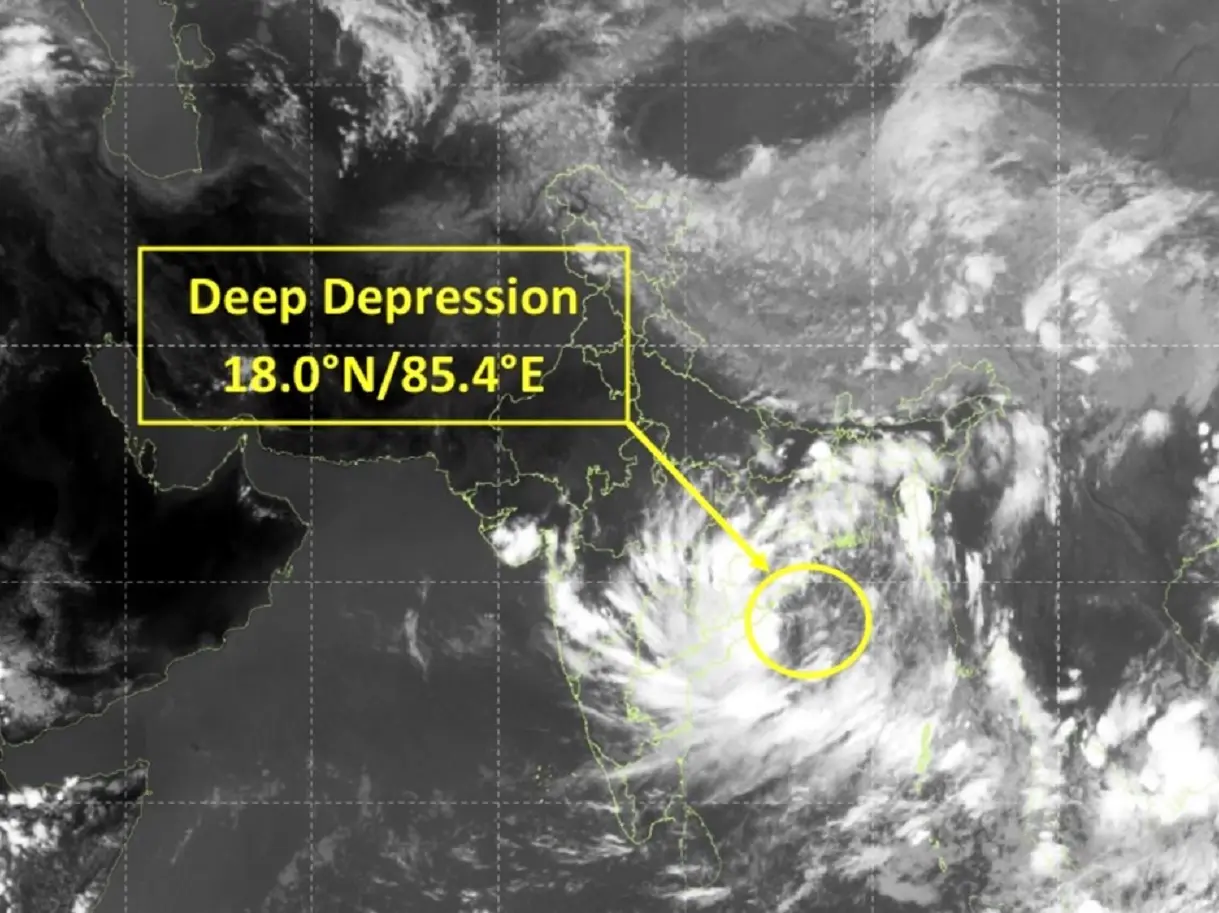)
Cyclone Arnab: Landfall expected before midnight tomorrow as IMD issues orange alerts across six states
The slowdown in EV sales is reflective of wider economic challenges in Thailand. New EV sales this year have reached only 43,000 units, far below EVAT's target of 100,000. This underperformance mirrors a broader contraction in the Thai auto industry, with car production declining by 17.28% in the first seven months of 2024 compared to the previous year.
Several factors contribute to this sluggish market performance. Suroj Sangsnit pointed out that banks have become hesitant to issue EV loans due to deep discounts affecting asset prices. Moreover, Thailand's record-high household debt levels are constraining credit availability, making it increasingly difficult for consumers to finance EV purchases.
The situation is further complicated by Thailand's ambitious goal of converting 30% of its annual vehicle output of approximately 2 million to electric vehicles by 2030. This target, while ambitious, now faces significant hurdles given the current market conditions.
As the industry awaits a response from the government, the Board of Investment, which oversees the incentive scheme, has refrained from commenting without guidance from the cabinet of new Prime Minister Paetongtarn Shinawatra. This cautious approach underscores the delicate balance between supporting a nascent industry and ensuring fiscal responsibility.
The outcome of these negotiations could have far-reaching implications for Thailand's automotive sector and its aspirations to become a leading EV producer in Southeast Asia. If successful, the proposed extensions could provide much-needed breathing room for manufacturers to align their production capabilities with market demand. However, it also raises questions about the long-term viability of the current incentive structure and whether additional measures might be necessary to stimulate EV adoption among Thai consumers.

