China planning to invest $828 million in solid-state EV battery development

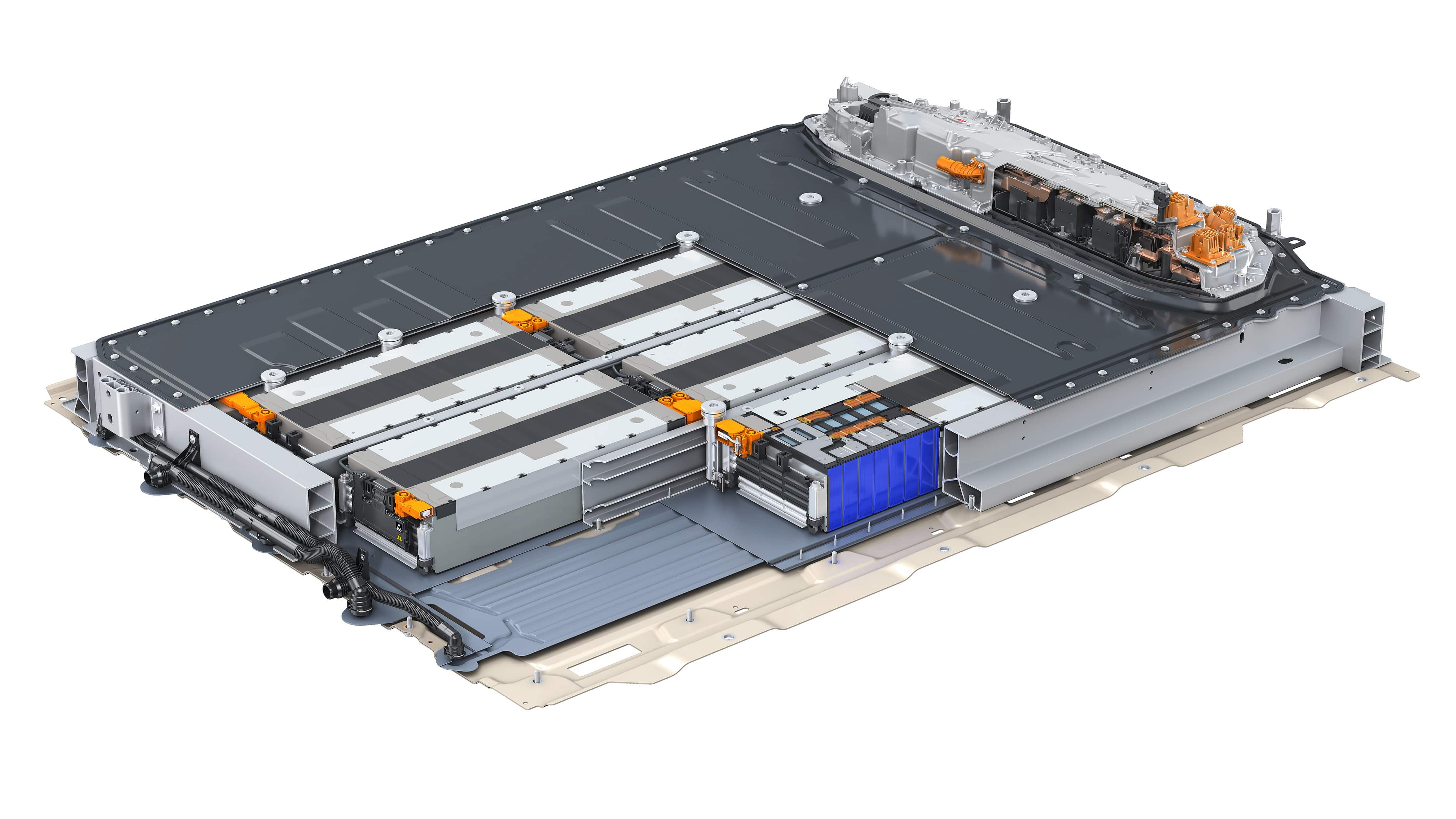
Electric Vehicle Battery Design
China is planning to take it up a notch concerning EV battery technology. The country is reportedly planning to invest up to six billion yuan ($828 million) in the development of a more powerful & advanced EV battery technology, according to media outlet China Daily.
According to the report, the Chinese government has roped in a few key players in the space like Contemporary Amperex Technology Co. Limited (CATL), the world’s largest battery manufacturer, and automotive companies like BYD and the Zhejiang Geely Holding Group, among others, to lead the program, which was launched earlier this year and is focused purely on advancing the development of solid-state battery technology.
Compared to the current mainstream Lithium-ion battery technology, solid-state batteries are considered to be superior primarily due to their higher power density, durability, and faster charge time. However, to scale up the latter for use in mainstream EVs is not only a technological challenge but significantly costly as well. Full-scale commercialisation of solid-state batteries for use in the EV industry is still pegged to be years away. Given their high production cost, these batteries could initially be restricted to high-end performance/luxury vehicles only.

Also Read: EU delays decision on Chinese EV tariffs amid election concerns
This news has come out at a sensitive time for global trade relations. Chinese EVs are currently under the radar in the European Union (EU) and the U.S., the latter having accused China of exporting excess inventory as it faces a slowdown in domestic demand. A Reuters report claims the Chinese foreign ministry has even urged the EU Commission to end the probe, calling it "unreasonable" and not in line with international rules. The Commission, which oversees trade policy in the 27-nation European Union, launched an investigation into whether battery electric vehicles manufactured in China were receiving unusually high subsidies and warranted extra tariffs. The Commission has postponed its final decision in the investigation until after the European Parliament election on June 9.
Meanwhile, fearing the imposition of tariffs on its export vehicles, China has already hinted at retaliatory tariffs as high as 25% on imported vehicles with large-capacity engines.
)
What’s in a name? Trump’s 'Lake America' move gets a tit-for-tat response from Canada
)
CNN, Politico and MS NOW back in White House after judge blocks Trump’s media ban
)
US judge questions Trump’s decision to ban CNN, MS NOW and Politico from White House
)
Italy hit by floods in the north, drought in the south
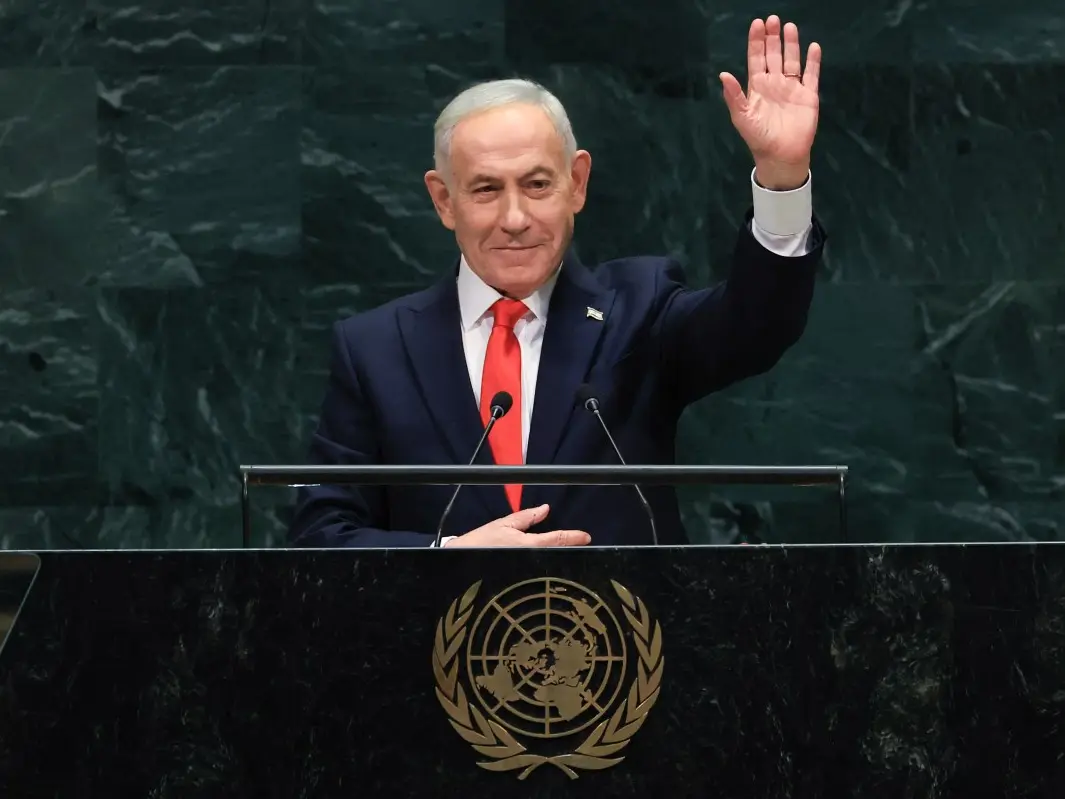)
'We would all be dead': Netanyahu defends decision to strike Iran's nuclear facilities in his UN speech
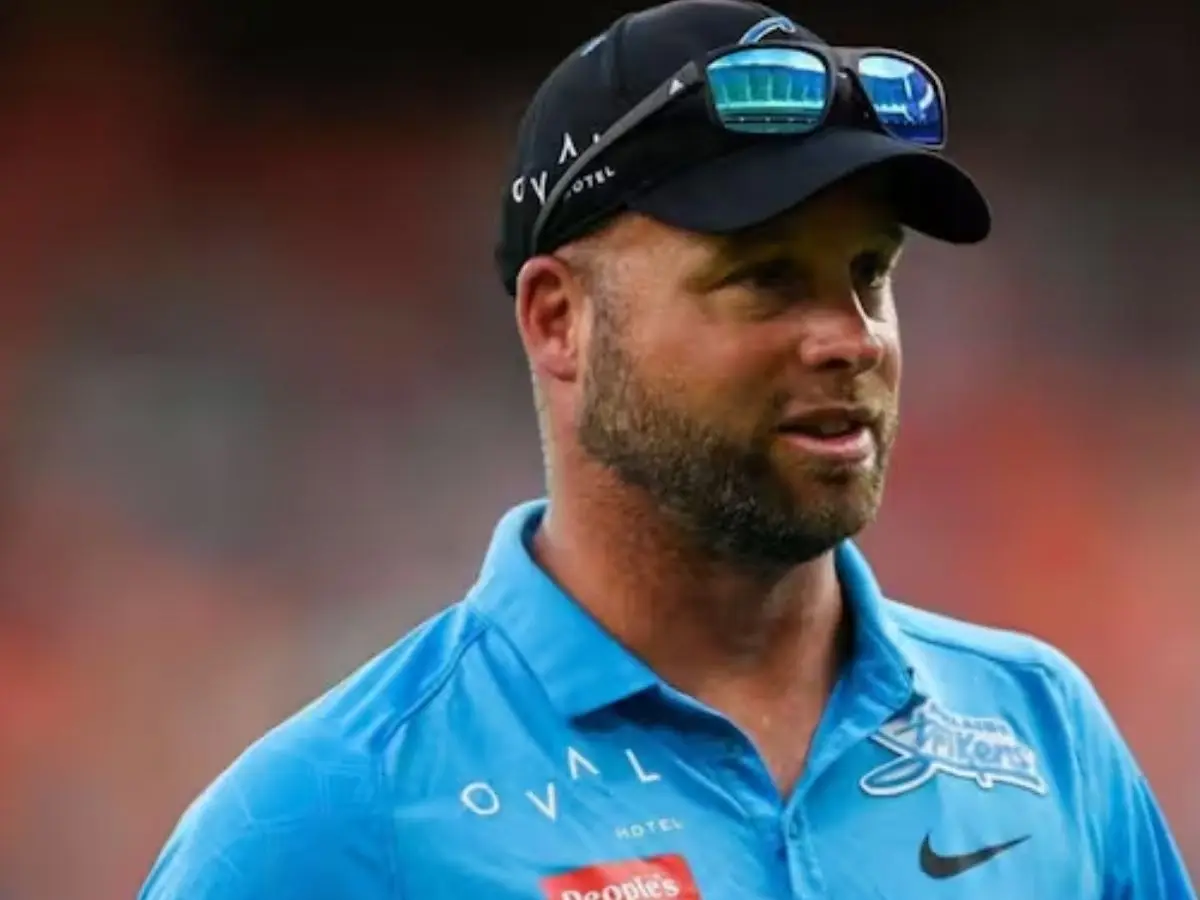)
Mumbai Indians appoint Luke Williams as head coach for Women’s Premier League
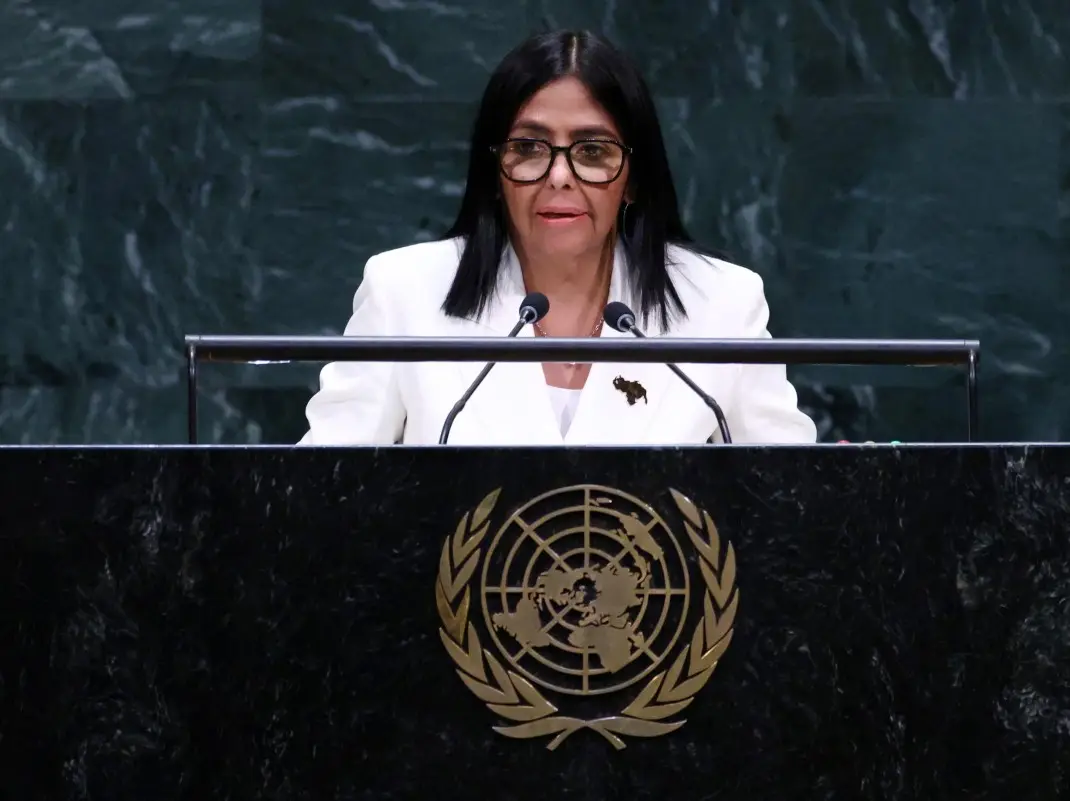)
'There will be elections': Venezuela's interim leader Delcy Rodriguez makes big announcement at UN
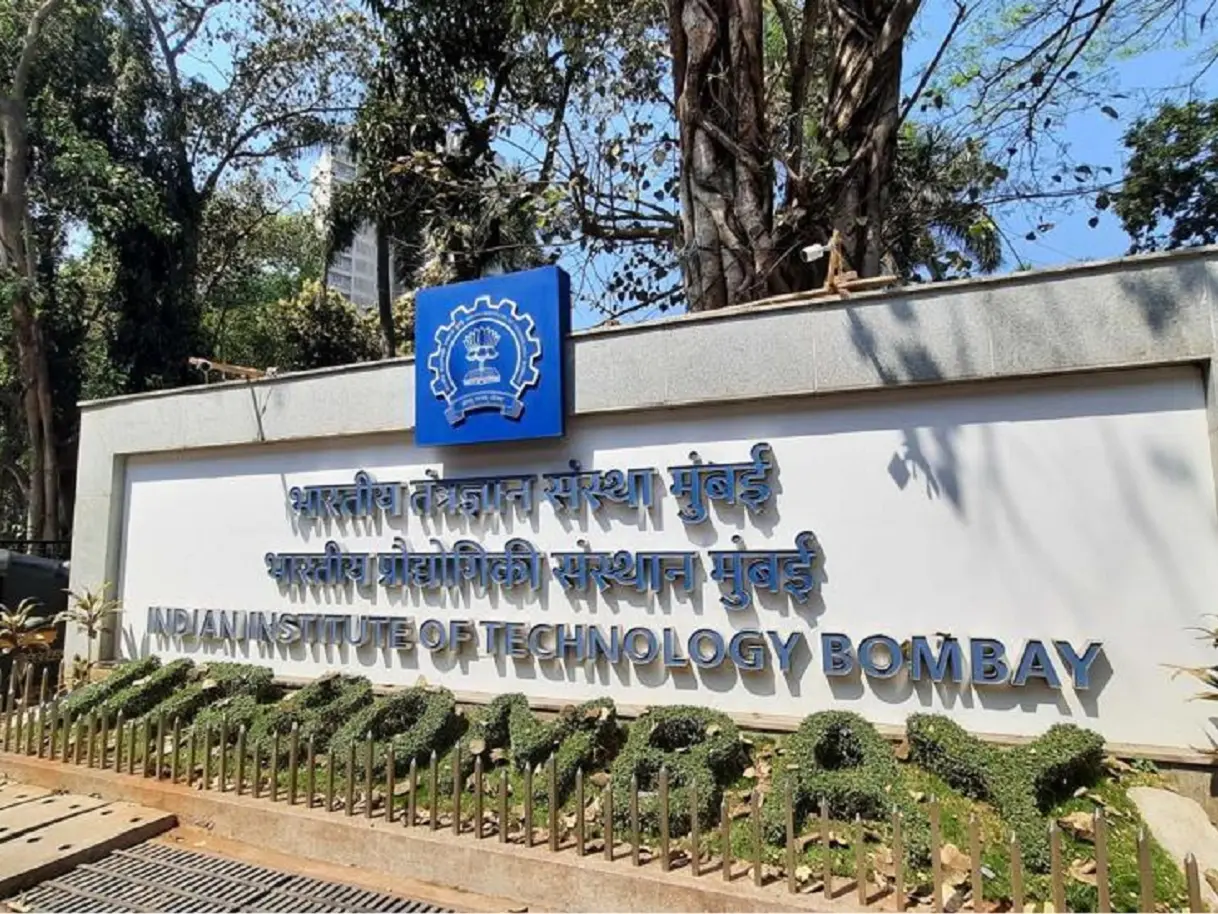)
IIT Bombay CCTV footage emerges: Sahil Wakode seen looking at phone in examination hall
)
Welcome actor Mushtaq Khan dies at 56 after battling cancer
)
Shah Rukh Khan is India's richest actor, Amitabh Bachchan is second: Hurun List 2026
)
Trump's welcome to Xi demonstrates 'attraction' to dictators: Chuck Schumer
)
WION Iconic Tourism Summit 2026: Union Minister Shekhawat on 'experiential travel', peace diplomacy
)
Property registration becomes faster, convenient as model sub-registrar offices open in Maharashtra
)
'AI got into my speech': Prince Harry jokes after teleprompter failure at event in New York
)
Scientists detect first radio signals directly from faraway planet
)
What’s on the menu? Inside Trump’s lavish White House state dinner for Xi
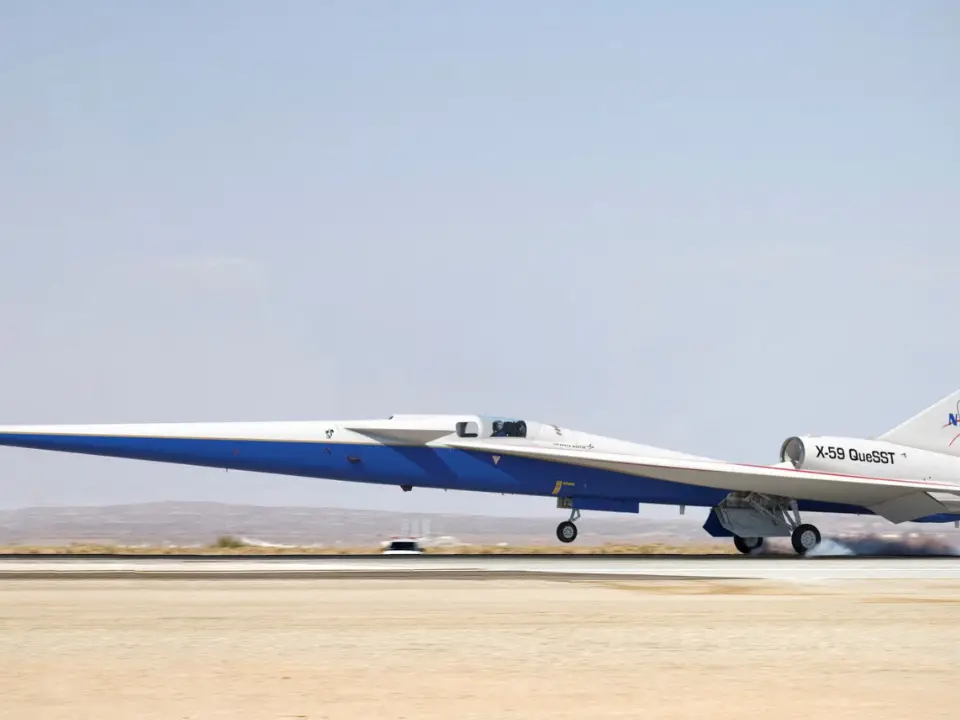)
China to test supersonic jet that moves at Mach 2, double the speed of sound
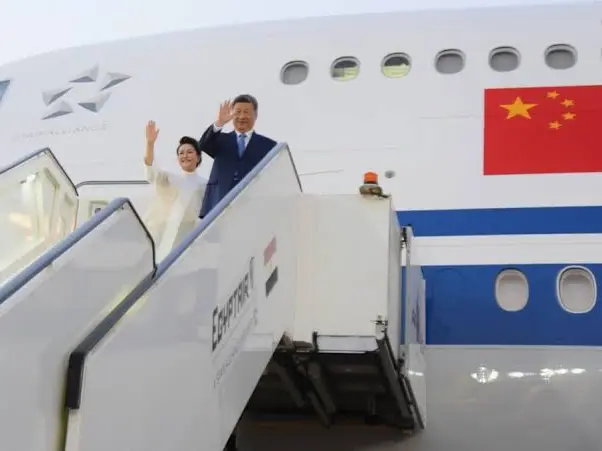)
Xi Jinping's 'special plane' vs Trump's Air Force One: What's the difference?
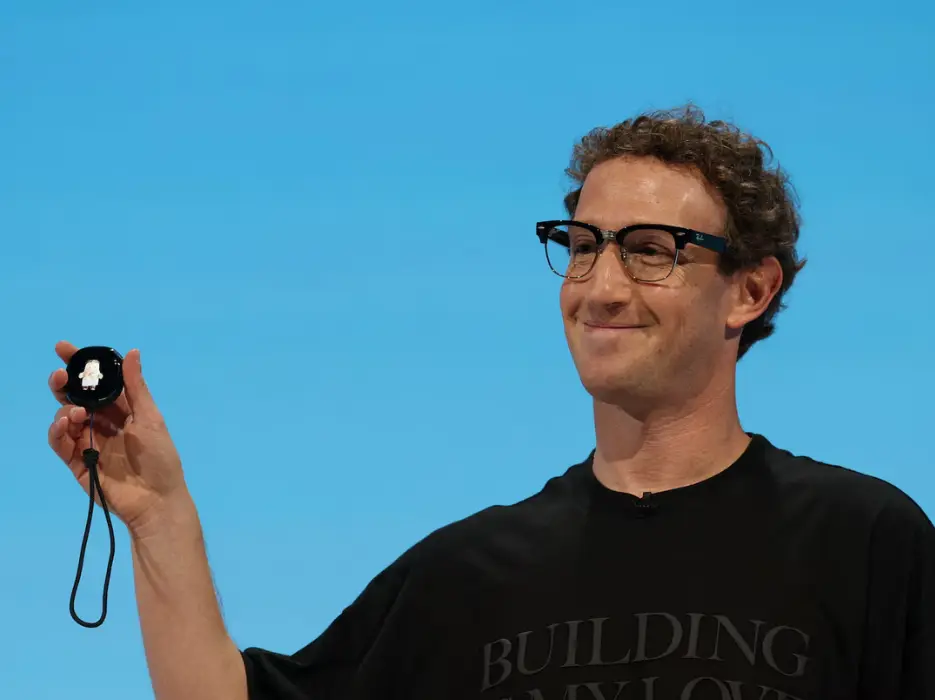)
Forget the smartphone: This tiny gadget could be Meta’s answer to the post-smartphone era
)
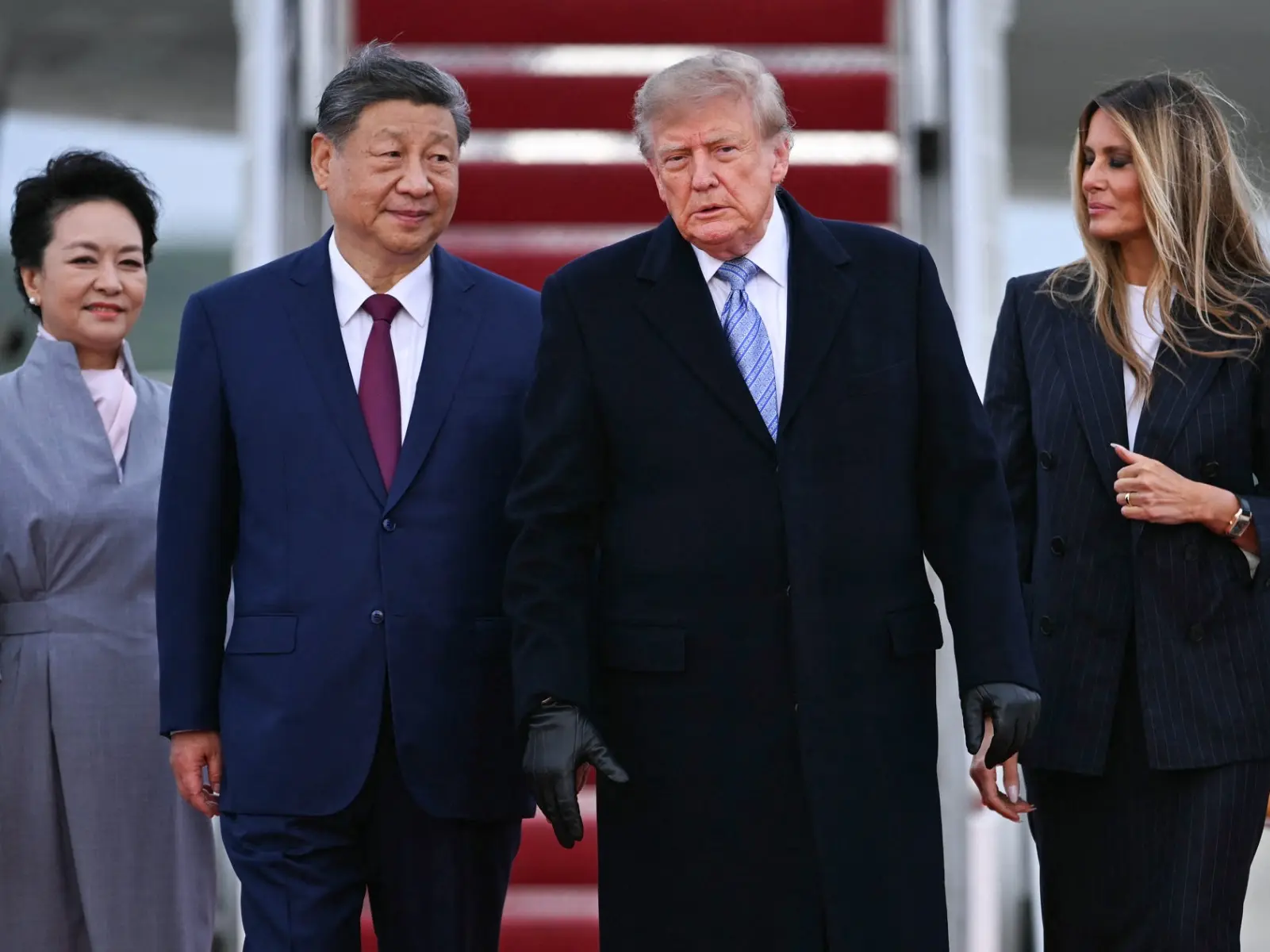
'Partners rather than rivals': Xi Jinping's first message after landing in US for Trump summit
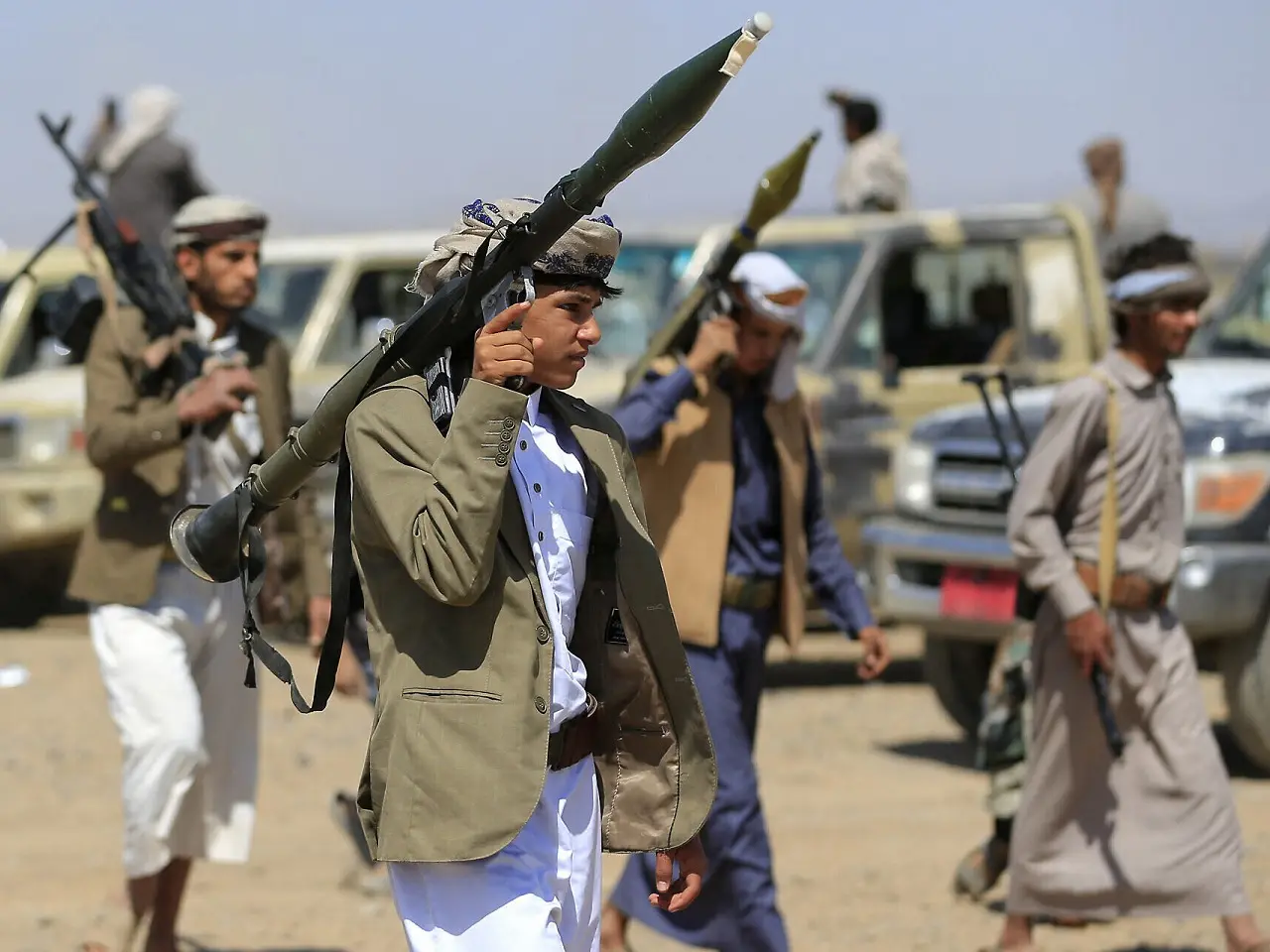)
Yemen called Trump for US military support in fight against Houthis: Official
)
WION Iconic Tourism Summit: Is India's travel boom outrunning its airports, airlines and hotels?
)
2,000-foot tube, laser tests and more: China builds towns to expand nuclear arsenal, satellite images show
)
Meet Adrian Abraham: 9-year-old Indian-origin guitar prodigy aiming for a Guinness World Record
)
US faces fresh cost crunch as mortgage rates hit 7%, oil tops $107 and gas prices surge
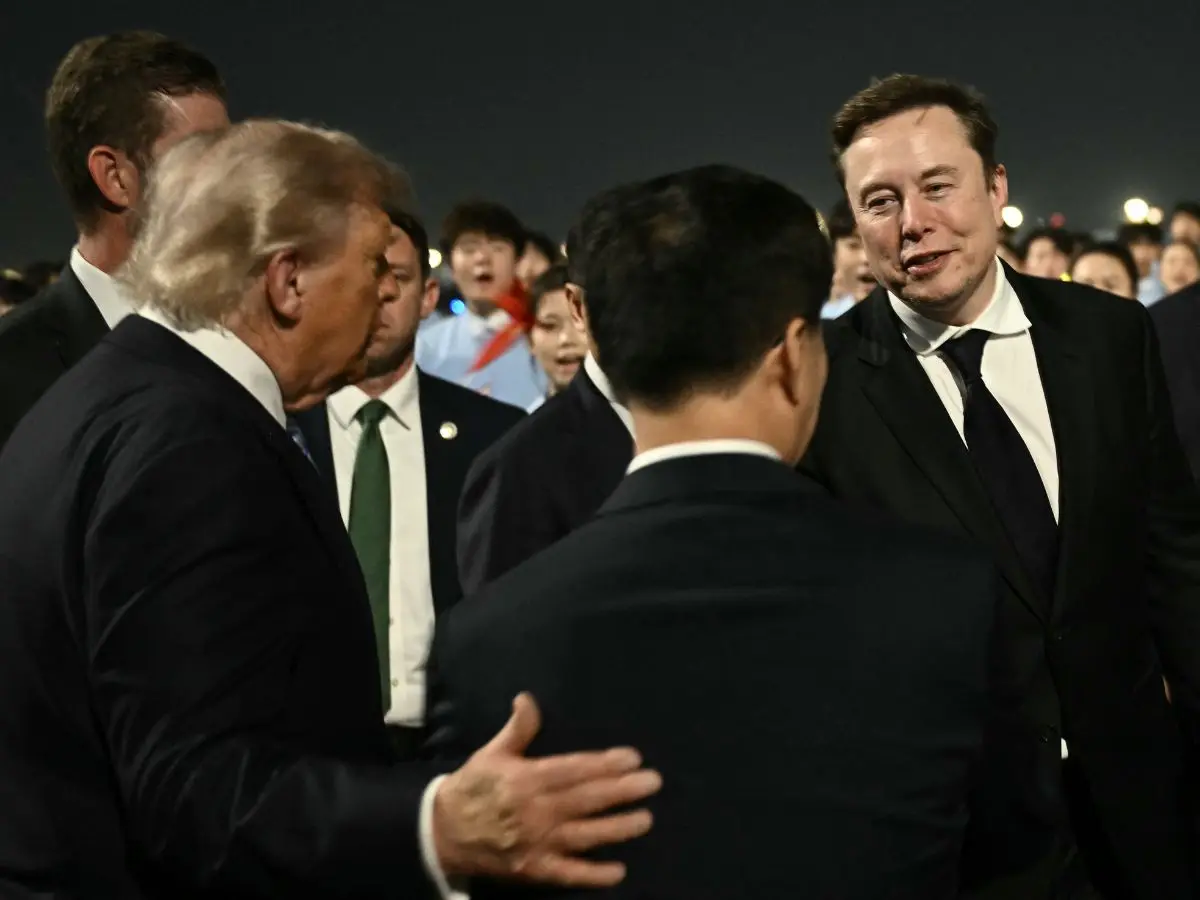)
Trump-Xi state dinner 2026: Who is invited? Full guest list of tech CEOs, business leaders and officials
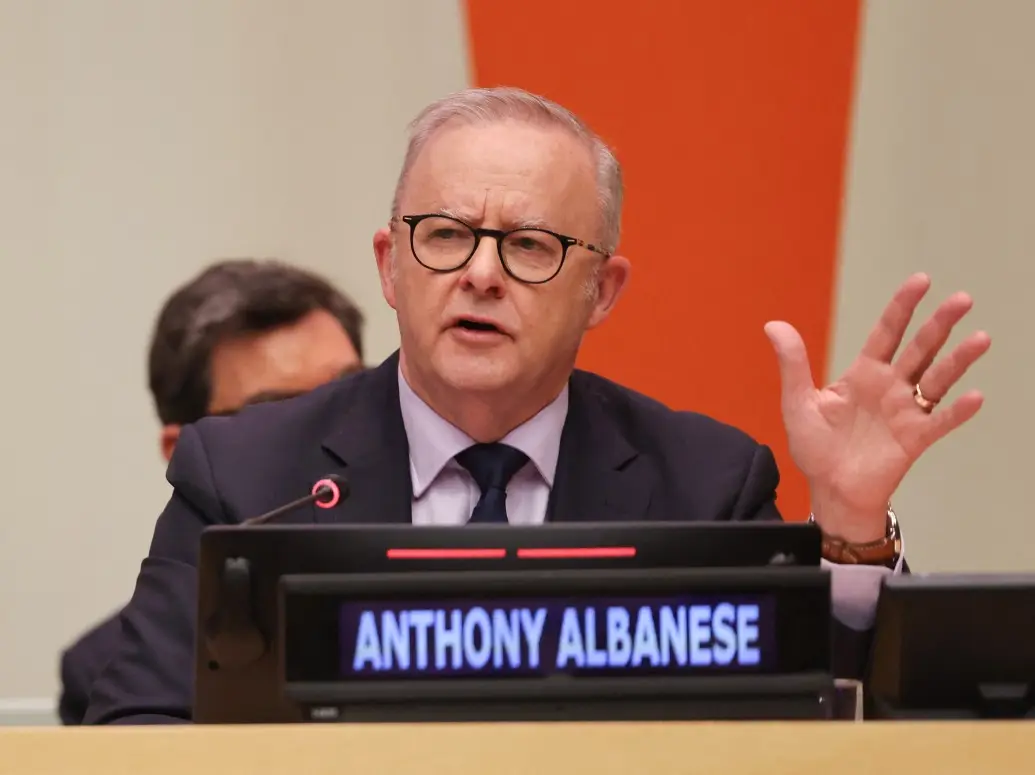)
Australian PM Anthony Albanese calls OpenAI AI incident 'unacceptable' after restricted data access
)
'What kind of confession is this?': Pakistan PM Shehbaz Sharif’s 'terrorists would be roaming New York' remark goes viral, raises alarm online. Watch
&im=FitAndFill=(700,400))
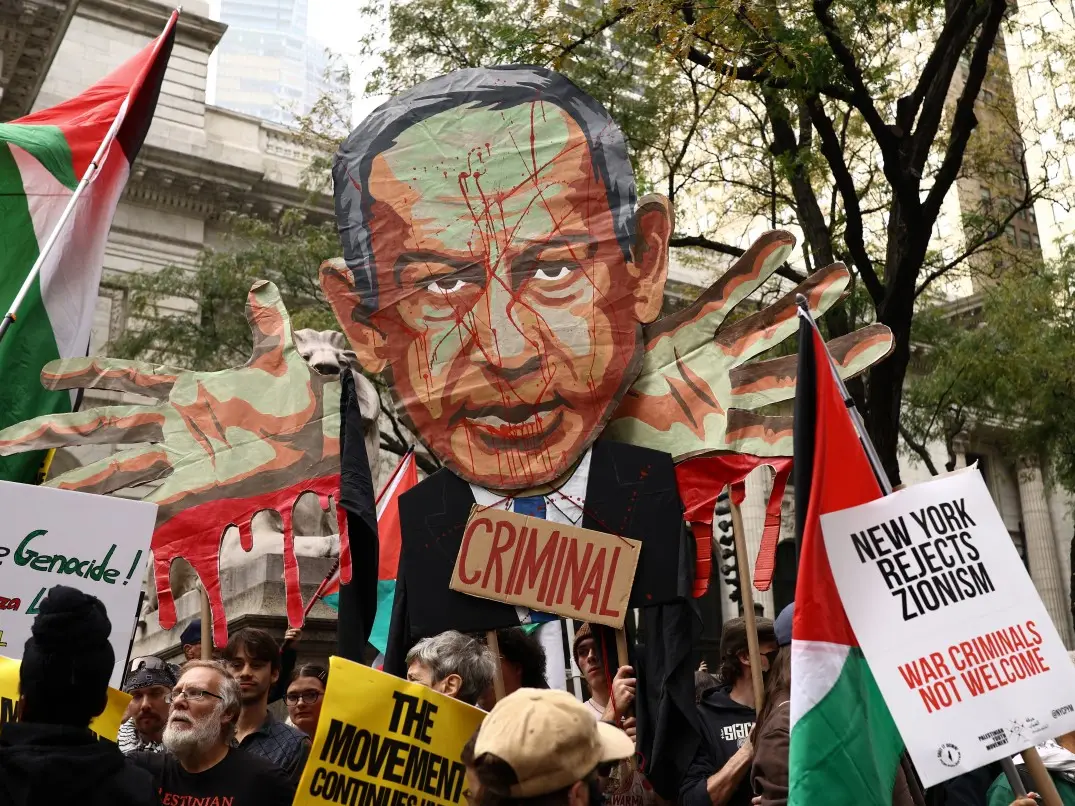
Netanyahu at UN: Mass walkout, attack on Mamdani and Iran threats | In Pics
)
Russia likely to target Spain, France and Italy in drone attacks, warns CIA: Report
)
WION Iconic Tourism Summit: How local tourism MSMEs must upskill for AI integration
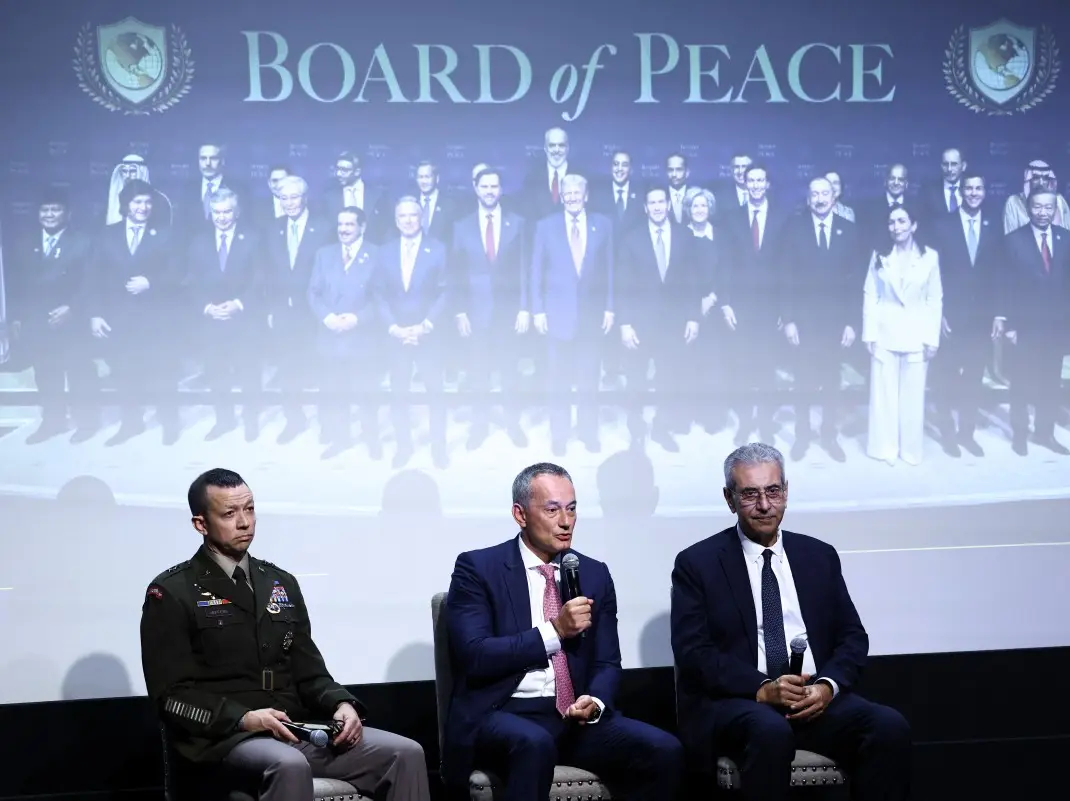)
Trump’s Board of Peace unveils $2.45bn Gaza plan,66 projects: But where’s the money?
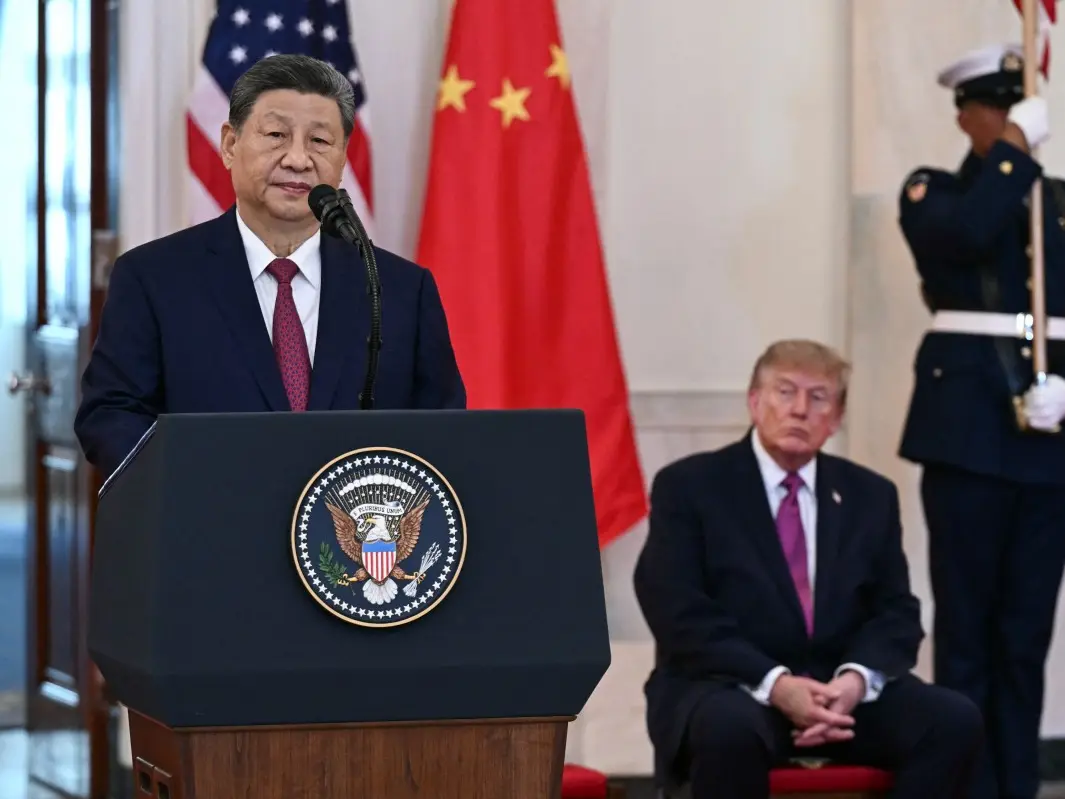)
‘Both will lose in confrontation’: Xi says US and China should ‘coexist in peace’
)
For the first time, the UN Security Council sat US and Chinese AI makers at the same table
)
EC appointment law: Why is the 2023 act controversial, and what happens next? WION explains
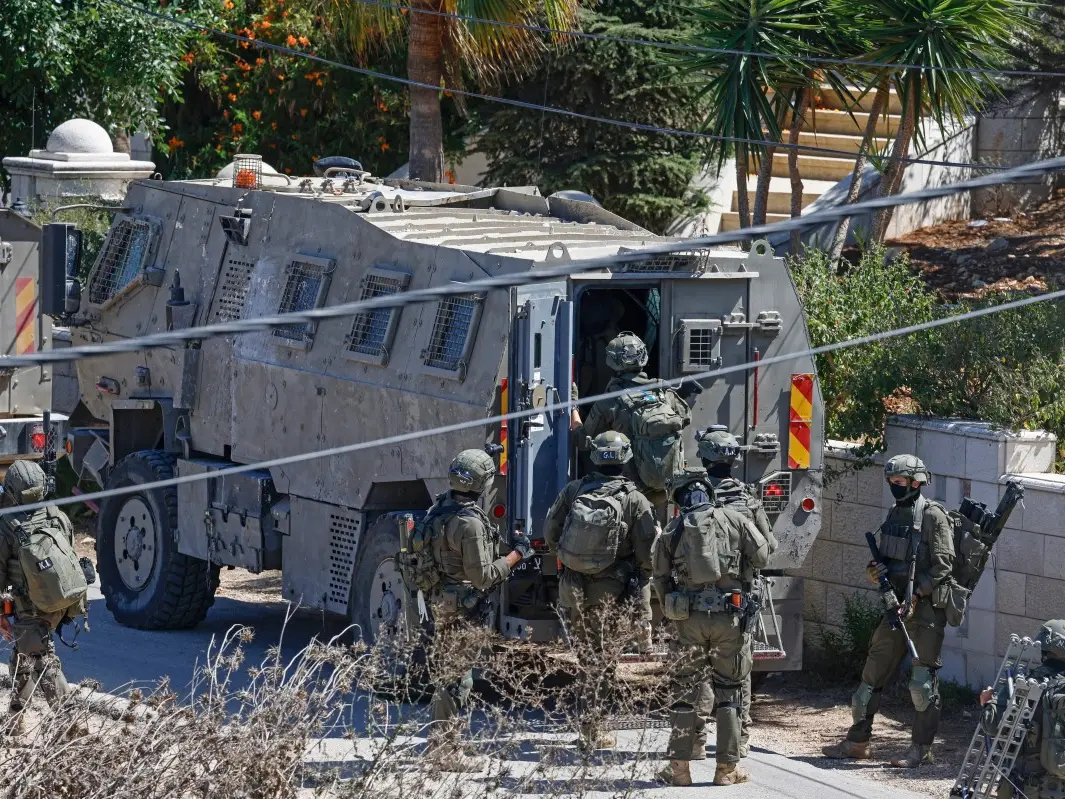)
Israeli envoy to US Yechiel Leiter’s son critically injured in West Bank ramming attack
)
'Fund people, not bombs': Hundreds take to New York streets as Netanyahu delivers speech at UN; dozens arrested
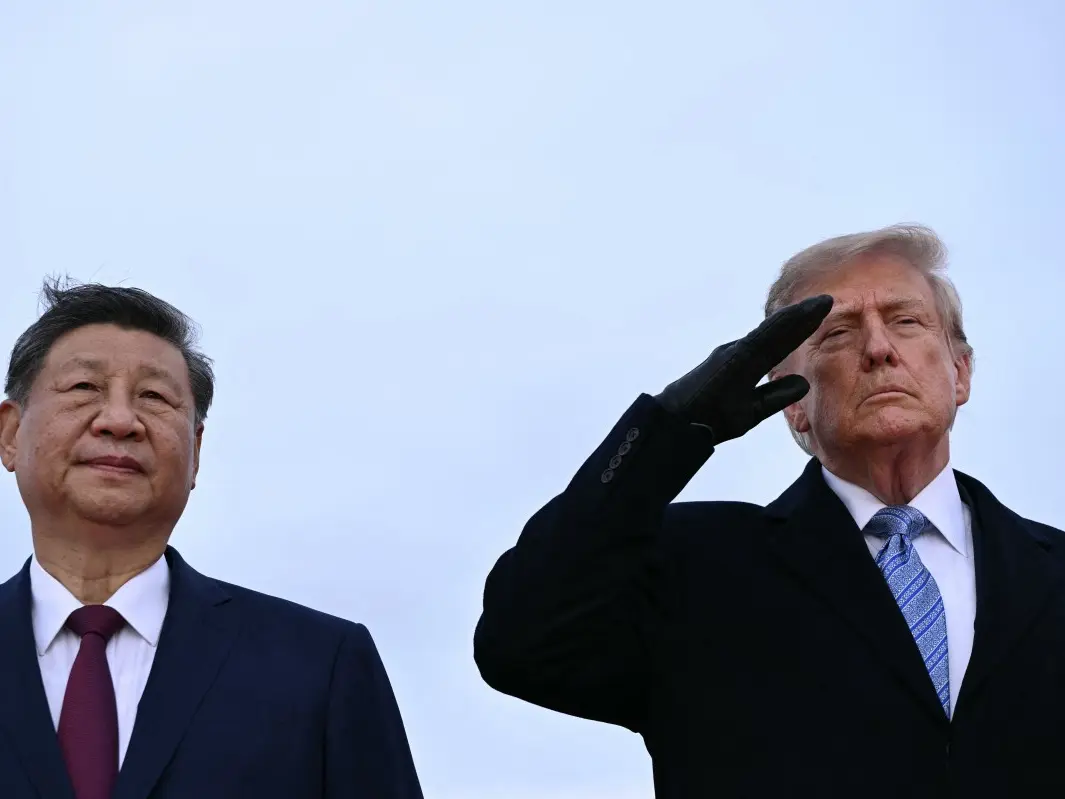)
WATCH | China President Xi Jinping lands in US as Trump greets him ahead of high-stakes summit
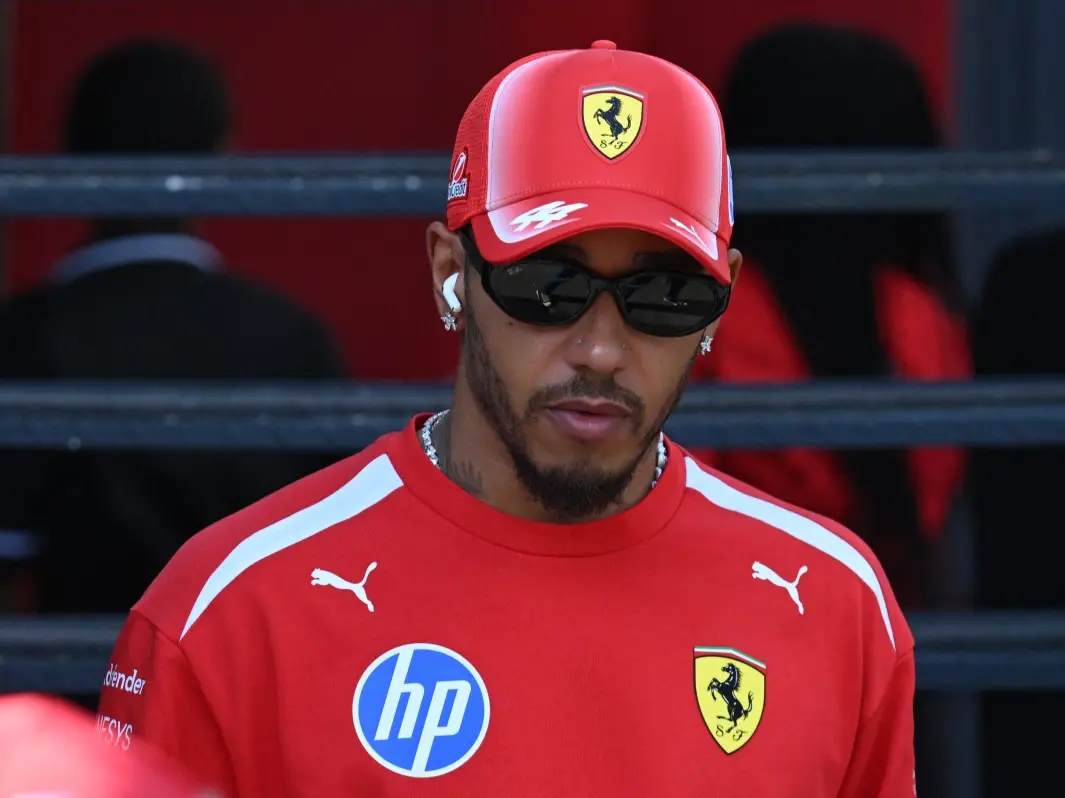)
Hamilton wants to race in Middle East despite not knowing 'what risk levels are'
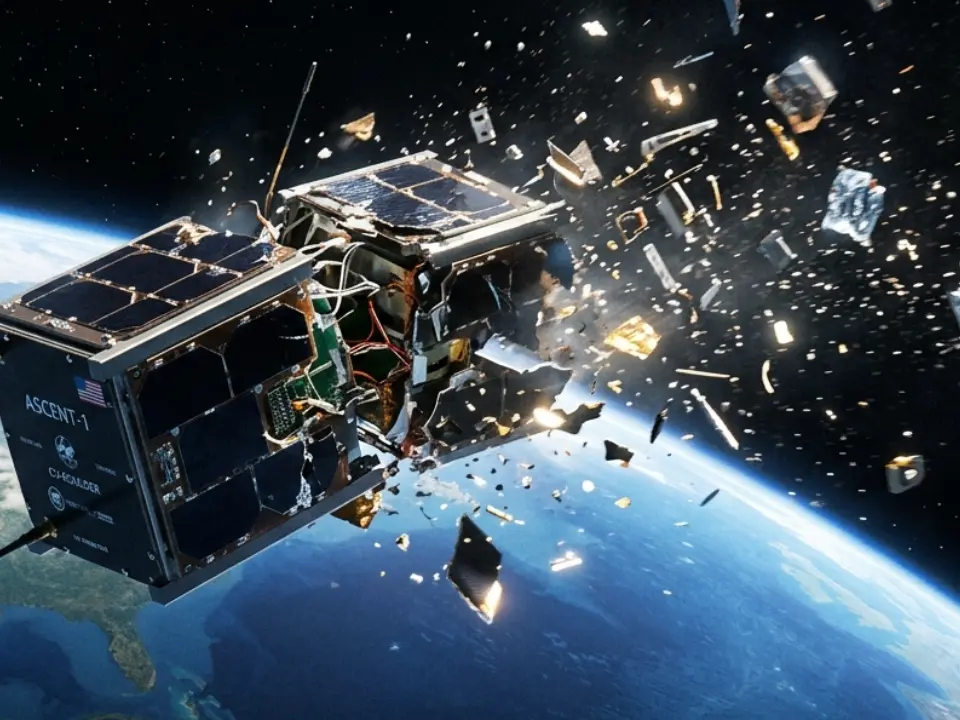)
US spy satellite from Cold War shatters 775 km above Earth