Will continue war: Iran sets 10 conditions for talks after rejecting US proposal

&imwidth=600&imheight=450&format=webp&quality=medium "Will continue war: Iran sets 10 conditions for talks after rejecting US proposal")
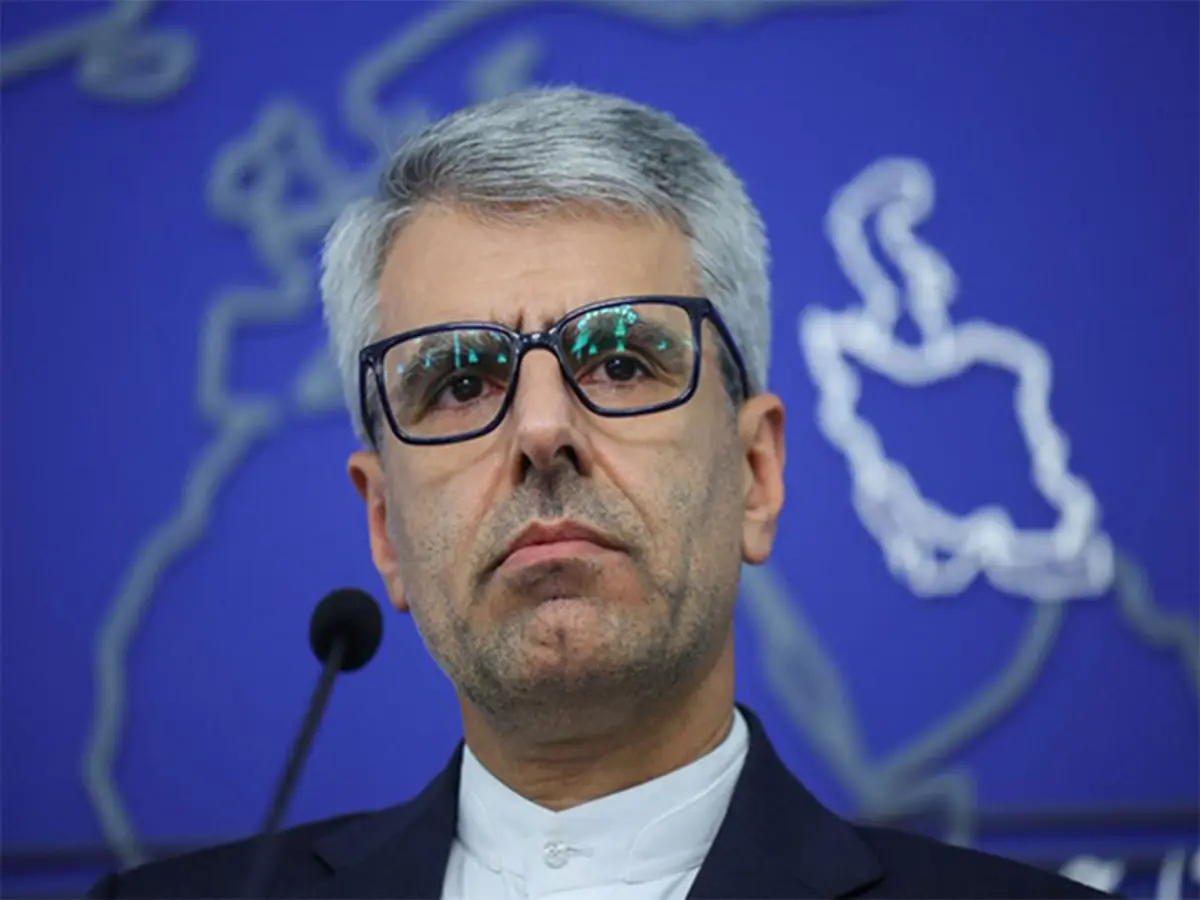
Iran's foreign ministry spokesman Esmaeil Baqaei Photograph: (ANI)
Notably, Tehran has sought recognition of its control over the Strait of Hormuz, including the right to regulate traffic in its set of 10 conditions laid out for the US and Israel.
Iran on Monday (April 6) rejected the United States’ 15-point proposal to end the war, calling it “extremely ambitious”, “unusual” and “illogical”. Rejecting the temporary truce or ceasefire proposal conveyed through intermediaries, Iran vouched for a “permanent end to war.” Interestingly, it laid down a 10-clause framework that goes beyond an immediate ceasefire.
Iran is not only asking the war to end within its borders but also in Lebanon and Gaza. It is also seeking firm guarantees that the conflict will not restart. Notably, it has sought recognition of its control over the Strait of Hormuz, including the right to regulate traffic and collect tolls from ships passing through the route and reconstruction of its damaged infrastructure, according to the 10-clause framework it has laid down for talks.
Tehran rejects US' proposal
This come after Tehran rejected the United States’ 15-point proposal to end the war, calling it “extremely ambitious”, “unusual” and “illogical”. The Foreign Ministry in a statement on Monday (April 3) said Iran has finalised its formal response to mediated proposals and will release the details when necessary.
"The US 15-point proposal is excessively demanding. We have compiled and formalised our own set of demands. The possibility that the “pilot rescue in Isfahan” was a deceptive operation aimed at seizing Iran’s enriched uranium cannot be ignored," read the statement released by Iran's Foreign Ministry.
"A ceasefire risks becoming an opportunity for the opposing side to regroup and continue its actions. Talks with Oman are focused on establishing a protocol to ensure the safe passage of vessels through the Strait of Hormuz," it further added.
Trending Stories
&imwidth=280&imheight=210&format=webp&quality=medium)
&imwidth=280&imheight=210&format=webp&quality=medium)
&imwidth=280&imheight=210&format=webp&quality=medium)
&imwidth=280&imheight=210&format=webp&quality=medium)
&imwidth=280&imheight=210&format=webp&quality=medium)
&imwidth=280&imheight=210&format=webp&quality=medium)
&imwidth=280&imheight=210&format=webp&quality=medium)
&imwidth=280&imheight=210&format=webp&quality=medium)
&imwidth=280&imheight=210&format=webp&quality=medium)
&imwidth=280&imheight=210&format=webp&quality=medium)
&imwidth=280&imheight=210&format=webp&quality=medium)
&imwidth=280&imheight=210&format=webp&quality=medium)
&imwidth=280&imheight=210&format=webp&quality=medium)
&imwidth=280&imheight=210&format=webp&quality=medium)
&imwidth=280&imheight=210&format=webp&quality=medium)
&imwidth=280&imheight=210&format=webp&quality=medium)
&imwidth=280&imheight=210&format=webp&quality=medium)
&imwidth=280&imheight=210&format=webp&quality=medium)
&imwidth=280&imheight=210&format=webp&quality=medium)
&imwidth=280&imheight=210&format=webp&quality=medium)
&imwidth=280&imheight=210&format=webp&quality=medium)
&imwidth=280&imheight=210&format=webp&quality=medium)
&imwidth=280&imheight=210&format=webp&quality=medium)
&imwidth=280&imheight=210&format=webp&quality=medium)
&imwidth=280&imheight=210&format=webp&quality=medium)
&imwidth=280&imheight=210&format=webp&quality=medium)
&im=FitAndFill=(700,400)&imwidth=280&imheight=210&format=webp&quality=medium)
&imwidth=280&imheight=210&format=webp&quality=medium)
&imwidth=280&imheight=210&format=webp&quality=medium)
&imwidth=280&imheight=210&format=webp&quality=medium)
&imwidth=280&imheight=210&format=webp&quality=medium)
&imwidth=280&imheight=210&format=webp&quality=medium)
&imwidth=280&imheight=210&format=webp&quality=medium)
&imwidth=280&imheight=210&format=webp&quality=medium)
&imwidth=280&imheight=210&format=webp&quality=medium)
&imwidth=280&imheight=210&format=webp&quality=medium)
