US State Department green lights $2 billion Saudi arms deal amid regional tensions

&imwidth=600&imheight=450&format=webp&quality=medium "US State Department green lights $2 billion Saudi arms deal amid regional tensions")
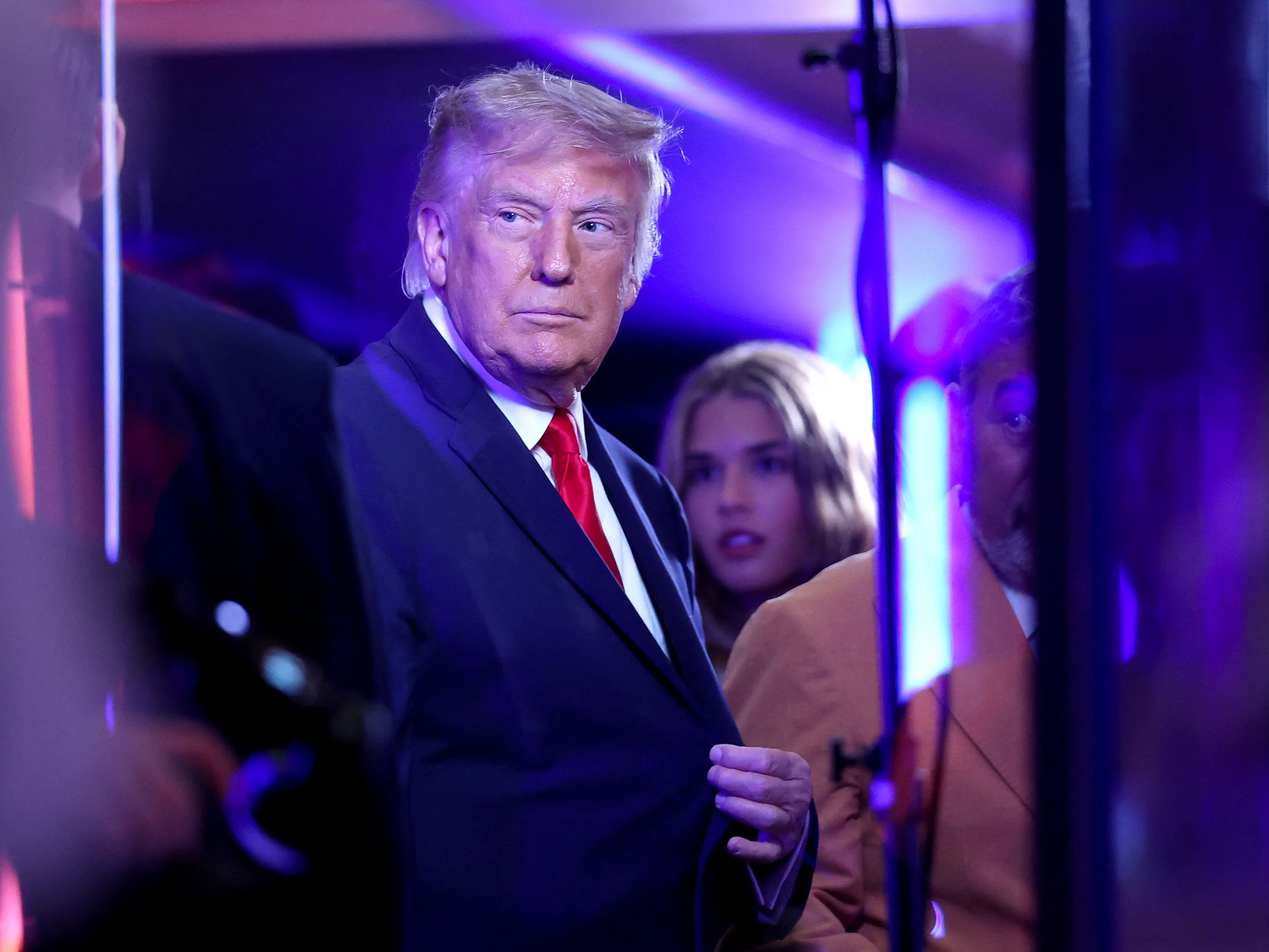
US State Department green lights $2 billion Saudi arms deal amid regional tensions Photograph: (Credit: AFP)
The US State Department has approved a major $1.96 billion sale of precision-guided weapons and defence equipment to Saudi Arabia to support regional stability.
The US State Department has approved a potential $1.96 billion weapons sale to Saudi Arabia to strengthen its air defences as conflict intensifies in West Asia. According to a department release, the sale aligns with US foreign policy and national security goals by enhancing the security of a major non-NATO ally, which it described as a force for economic progress and political stability in the Gulf region.
Saudi Arabia intends to acquire up to 20,000 Advanced Precision Kill Weapon Systems alongside their corresponding warheads. The US Navy’s website characterises these systems as an inexpensive means to eliminate targets while minimising collateral damage during close combat. The State Department named BAE Systems, located in Nashua, New Jersey, as the principal contractor for the deal. In a statement, the State Department said, “This proposed sale will support the foreign policy and national security objectives of the United States by improving the security of a Major non-NATO Ally that is a force for political stability and economic progress in the Gulf Region.”
The State Department noted that the sale will bolster Saudi Arabia’s homeland defence, improving its capacity to deter both current and future threats. Additionally, it will increase the kingdom's interoperability with United States forces, NATO forces, and other regional militaries. The department also assured that the transaction will not cause any adverse impact on US defence readiness.
Trending Stories
&imwidth=280&imheight=210&format=webp&quality=medium)
&imwidth=280&imheight=210&format=webp&quality=medium)
&imwidth=280&imheight=210&format=webp&quality=medium)
&imwidth=280&imheight=210&format=webp&quality=medium)
&imwidth=280&imheight=210&format=webp&quality=medium)
&imwidth=280&imheight=210&format=webp&quality=medium)
&imwidth=280&imheight=210&format=webp&quality=medium)
&imwidth=280&imheight=210&format=webp&quality=medium)
&imwidth=280&imheight=210&format=webp&quality=medium)
&imwidth=280&imheight=210&format=webp&quality=medium)
&im=FitAndFill=(700,400)&imwidth=280&imheight=210&format=webp&quality=medium)
&imwidth=280&imheight=210&format=webp&quality=medium)
&imwidth=280&imheight=210&format=webp&quality=medium)
&imwidth=280&imheight=210&format=webp&quality=medium)
&imwidth=280&imheight=210&format=webp&quality=medium)
&imwidth=280&imheight=210&format=webp&quality=medium)
&imwidth=280&imheight=210&format=webp&quality=medium)
&imwidth=280&imheight=210&format=webp&quality=medium)
&imwidth=280&imheight=210&format=webp&quality=medium)
&imwidth=280&imheight=210&format=webp&quality=medium)
&imwidth=280&imheight=210&format=webp&quality=medium)
&imwidth=280&imheight=210&format=webp&quality=medium)
&imwidth=280&imheight=210&format=webp&quality=medium)
&imwidth=280&imheight=210&format=webp&quality=medium)
&imwidth=280&imheight=210&format=webp&quality=medium)
&imwidth=280&imheight=210&format=webp&quality=medium)
&imwidth=280&imheight=210&format=webp&quality=medium)
&imwidth=280&imheight=210&format=webp&quality=medium)
&imwidth=280&imheight=210&format=webp&quality=medium)
&imwidth=280&imheight=210&format=webp&quality=medium)
&imwidth=280&imheight=210&format=webp&quality=medium)
&imwidth=280&imheight=210&format=webp&quality=medium)
&imwidth=280&imheight=210&format=webp&quality=medium)
This approval comes amid escalating regional tensions, with Saudi Arabia appearing to be on the verge of renewed warfare with Yemen's Iran-backed Houthis. This follows a Monday (July 13) incident where the Houthis launched missiles at an airport in Abha, a city in southern Saudi Arabia. The Houthi missile strike was retaliation for a Yemeni government attack on the Sanaa airport, which was intended to divert a flight carrying a Houthi delegation back from the funeral of Iran's supreme leader. The Houthis attributed responsibility for that initial airport attack to Riyadh.
Concurrently, the United States has been increasing its own waves of attacks against Iran. This military escalation follows the US reimposing a naval blockade as the two adversarial nations return to a state of war.

