US, Philippine forces conduct combat drills to brace for crisis in troubled region

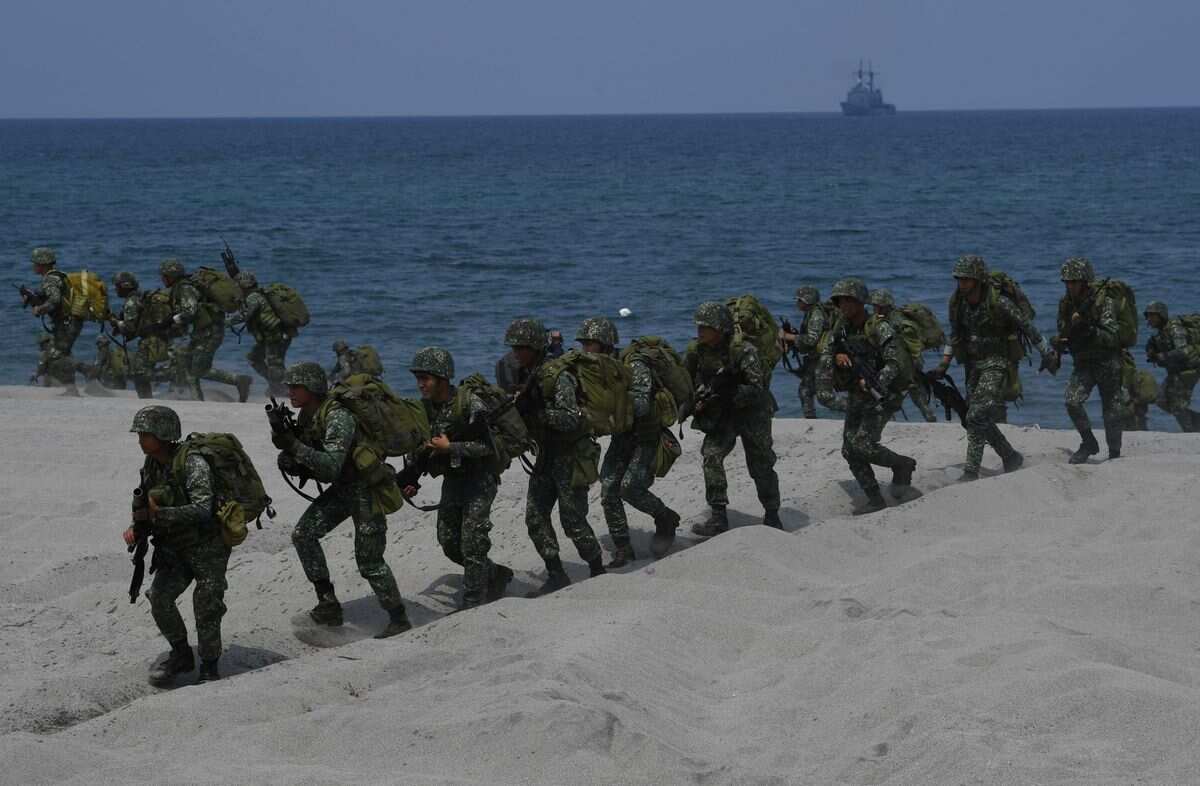
Joint drills between US and Philippines
More than 2,500 marines from the United States and the Philippines participated in combat drills on Monday in preparation for any crisis in a region that has been on edge due to territorial disputes in the South China Sea and rising tensions regarding Taiwan.
According to military sources, Ferdinand Marcos Jr., the newly elected president of the Philippines, has participated in the annual military drills for the first time with the longtime treaty friends. He disapproved of military drills involving American forces because he believed they may anger China. His predecessor, Rodrigo Duterte, was a vocal opponent of American security policies.
Called Kamandag, the Tagalog acronym for “Cooperation of the Warriors of the Sea,” the drills involve 1,900 U.S. Marines and more than 600 mostly Philippine counterparts in mock amphibious assaults and special operations, USand Philippine military officials said. America’s HIMARS missile launchers and supersonic fighter jets will take part in live-fire maneuvers that will end Oct. 14, they said.

The venues include the northern Philippines, across the Luzon Strait from Taiwan, and the western island province of Palawan, which confronts the South China Sea.
The exercises, according to Philippine Rear Admiral Caesar Bernard Valencia, would concentrate on bolstering coastal defences and are not targeted at any particular nation.
)
Pentagon revives mandatory testosterone testing for male troops aged 30 and above
)
FACT CHECK: Why did PM Modi ask Xi ‘is it okay’ at BRICS Summit? New video reveals...
)
India seeks to build a full semiconductor supply chain
&im=FitAndFill=(700,400))
From Abhishek Sharma to Sahil Chauhan, 5 batters with fastest T20I hundreds
)
Pyongyang dismisses US, western pressure over nuclear programme
)
US And Denmark reach Greenland deal, Trump announces expanded military presence
)
Google’s Gemini AI hacks real systems by guessing passwords during security test
)
US hiding troop deaths in Iran war? Toll higher than Pentagon count, claims report
)
China may have gained access to US's classified F-35 jets; parts meant for repairs diverted to Hong Kong, sparking Pentagon inquiry
)
NASA research plane reaches 61,000 feet over Panama
)
Godfather of AI Geoffrey Hinton gives US lawmakers a one-year warning on AI
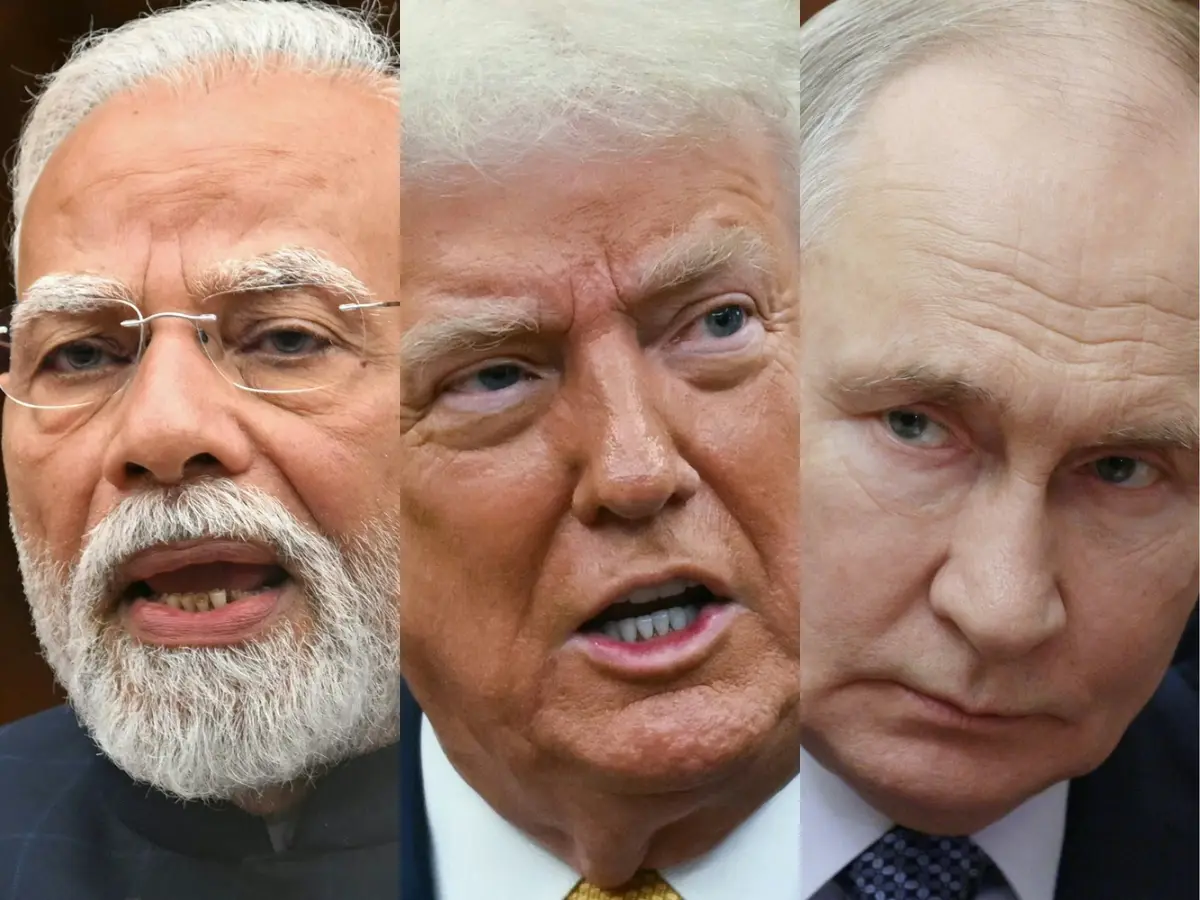)
Trump signs Russia sanctions law: India faces fresh 100% tariff threat over Russian oil
)
Brigitte Bardot’s private collection set for Paris auction; key items and prices revealed
)
Why Ranveer Singh’s Dhurandhar missed India’s Oscar entry; FFI jury member reveals what happened
)
Zendaya and Tom Holland step out for a low-key date in Los Angeles
)
‘Will go to any extent’: Pakistan vows to defend Saudi Arabia amid Houthi attacks
)
The Verdict | When precision fails: US commits war crime in Minab school strike, UN finds
)
Trump signs Russia sanctions bill into law, targets Moscow’s energy sector
66 years of the Indus Waters Treaty: How India and Pakistan settled a bitter river dispute
&im=FitAndFill=(700,400))
New Friday OTT releases (September 18, 2026): Lust Stories 3, You+Me, Best of the Best- 8 new titles coming on Netflix, Prime Video and more
)
Pak: A series of counter terrorism operations in Khyber Pakhtunkhwa
)
Fast bowler Brydon Carse faces no charges over Derby nightclub incident
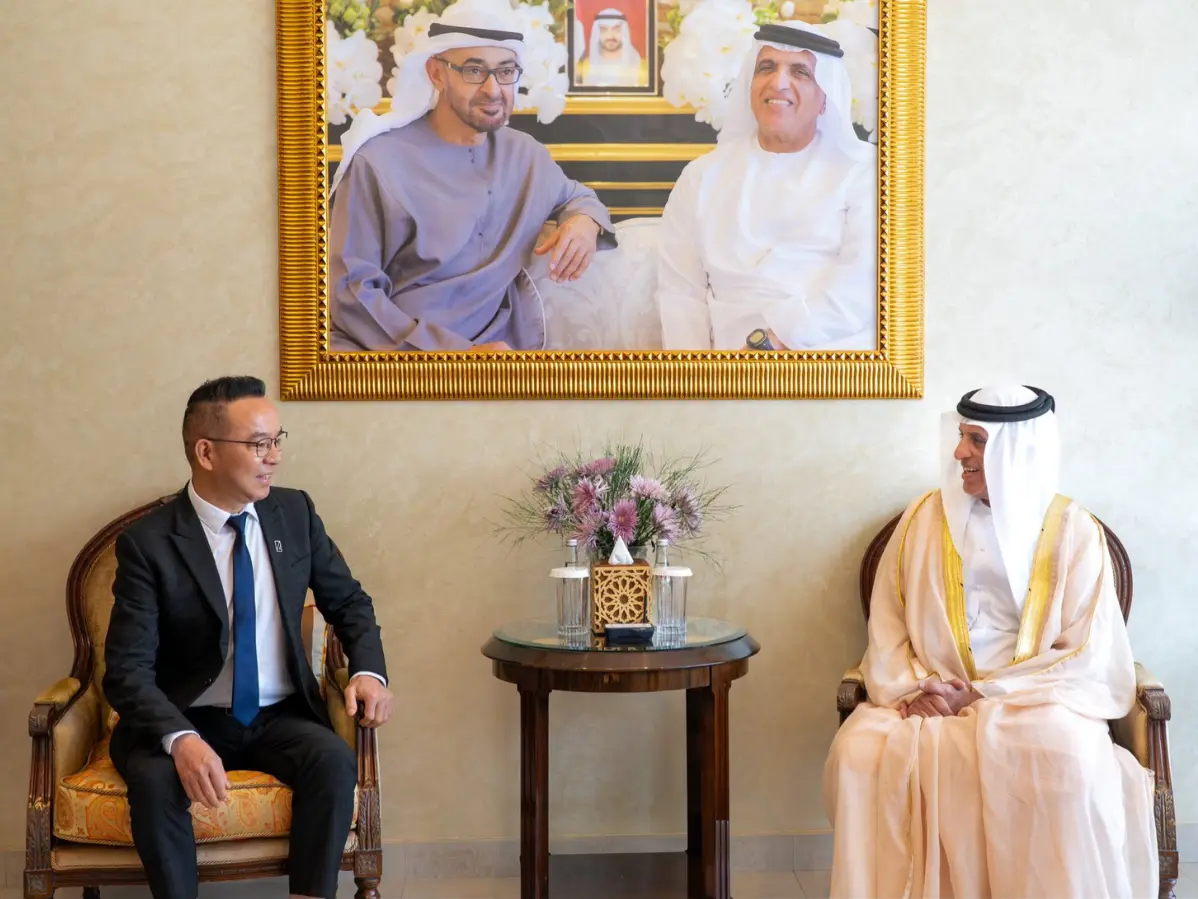)
Flying cars in UAE: Ras Al Khaimah signs deal with Chinese company to test new transport
)
Africa is splitting, and a lot sooner than estimated, giving way to a new ocean
)
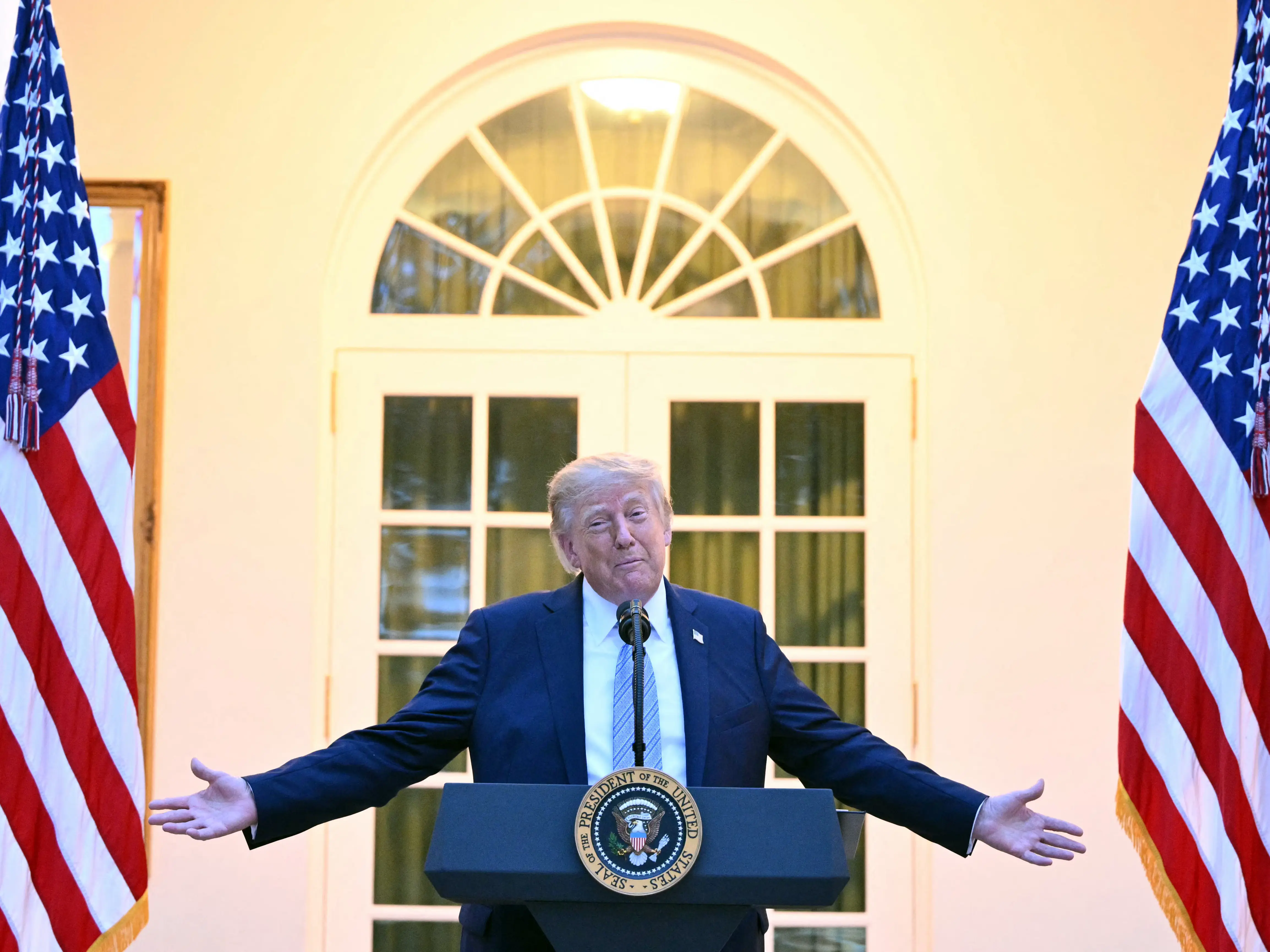
Trump bans CNN, MS NOW and Politico from White House over ‘FAKE NEWS’
)
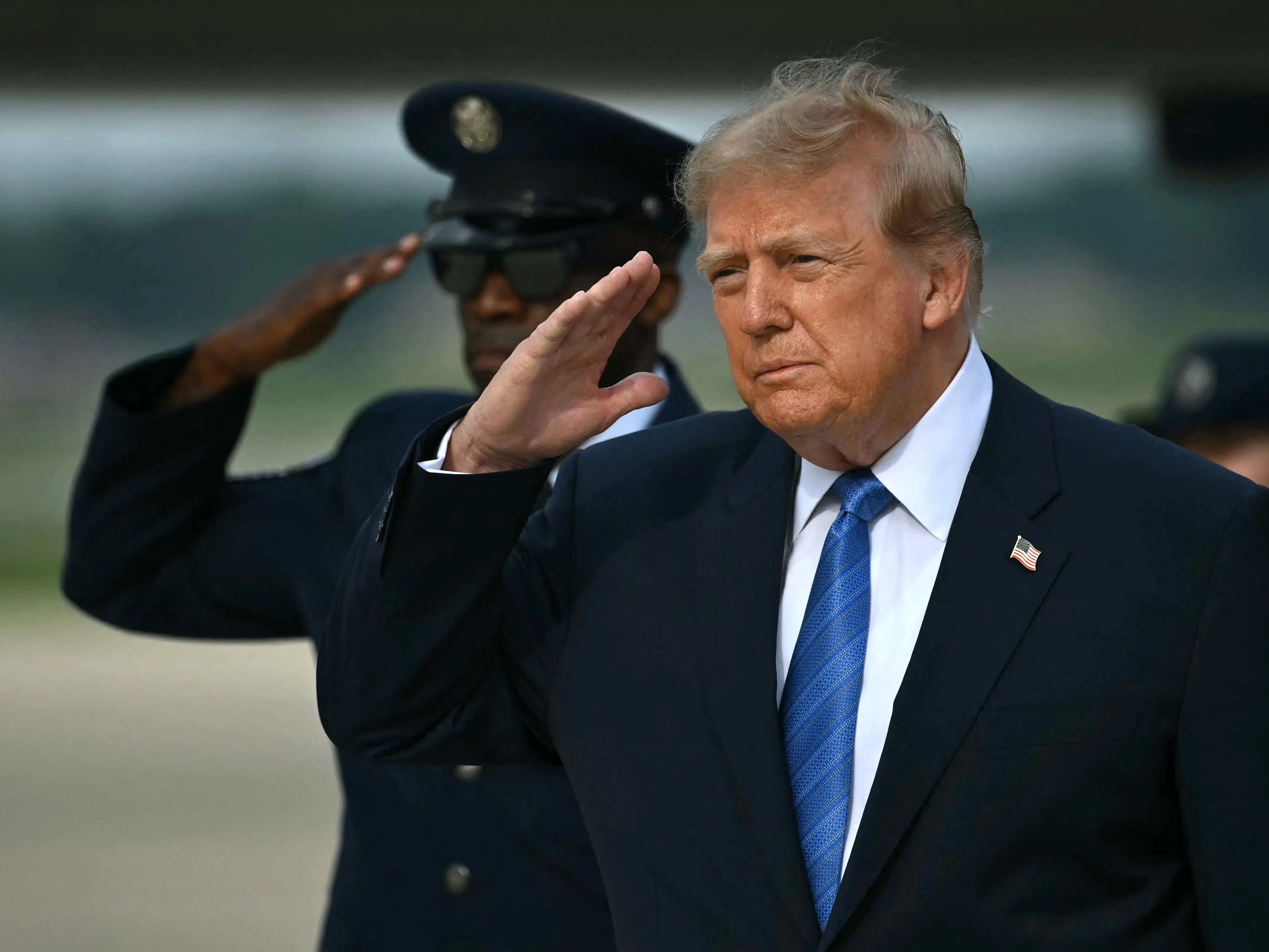
Trump 2.0: Dark days ahead for America’s ‘imperial presidency’
)
Trump's Greenland dream comes true? POTUS announces 'Infinite Life' deal with Denmark, claims permanent US control
)
Tirupati Laddu ghee adulterated with chemicals, says ED, supplier arrested
)
Who is Khalilur Rahman? All you need to know about 81st UN General Assembly President
)
IIT Bombay student dies by suicide, was caught seeking AI help during exams
&im=FitAndFill=(700,400))
Meet top 5 bowlers in latest ICC T20I rankings
)
Indian Cinema bets big on mythology, brings ancient stories to modern audiences
)
Ukraine plans record $109 bn defence spending, nearly two thirds of budget amid Russia war
)
Russia holds first parliamentary elections since the beginning of the Ukraine war
&im=FitAndFill=(700,400))
Meet top 5 Indian batters with fastest T20I centuries
)
According to him, South Korean and Japanese military may join disaster response drills but will only be present as observers.
Approximately 3,000 military troops from the two sides are participating in combat drills between US Marines and Japanese army forces on Hokkaido, an island in northern Japan, at the same time as the military exercises, according to USmilitary officials.
The simultaneous exercises, according to USMaj. Gen. Jay Bargeron of the 3rd Marine Division stationed in Japan, are intended to strengthen the defence capacities of the USalliances with the Philippines and Japan "through realistic joint training."
“These exercises will allow our forces to strengthen interoperability and readiness to ensure we are prepared to rapidly respond to crisis throughout the Indo-Pacific,” Bargeron said in a statement.
“Our strength, resolve and commitment to our allies and partners in the region are our most effective deterrent,” US Marine Lt. Col. Kurt Stahl told The Associated Press. “Together, we can deter potential adversaries from ever testing our capabilities or our relationships.”
In July, USSecretary of State Antony Blinken urged China to abide by a 2016 arbitration decision that rejected Beijing's expansive territorial claims in the South China Sea and cautioned that if Filipino forces, vessels, or aircraft are attacked in the disputed waters, the United States is obligated to defend the Philippines under a 1951 US-Philippines Mutual Defense Treaty.
After the Philippine government complained in 2013 about China's acquisition of a shoal off its northwest coast, an arbitration tribunal established in The Hague in accordance with the United Nations Convention on the Law of the Sea rendered the decision. China refused to take part, referred to the arbitration ruling as a fraud, and has since continued to challenge it.
In addition to China and the Philippines, Vietnam, Malaysia, Taiwan, and Brunei also have overlapping claims in the busy waterway, which is said to be rich in underwater gas and oil resources and through which an estimated $5 trillion in commodities travel annually.
Long-running maritime disputes and difficult relations between China and Taiwan have emerged as major fronts in the competition between the United States and China.
(With inputs from agencies)
WATCH WION LIVE HERE: