UK calls on Myanmar's Suu Kyi to take personal interest in case of jailed Reuters reporters

Aung San Suu Kyi
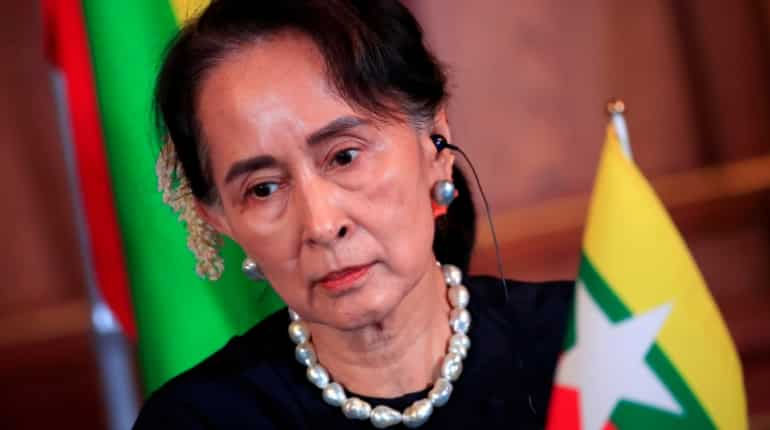
Britain on Friday called on Myanmar leader Aung San Suu Kyi to look at whether due process was followed in the case of two Reuters reporters sentenced to seven years in jail in Myanmar.
"We are very worried about due process in this case," British Foreign Secretary Jeremy Hunt told BBC radio when asked about the case.
"We urge Aung San Suu Kyi to look at whether that due process happened and to recognise that, as someone who fought for democracy in Burma, she should be taking a personal interest in the future of these two brave journalists."

A Myanmar court earlier on Friday rejected the appeal of the two reporters sentenced to seven years in jail, saying the defence had not provided sufficient evidence to show they were innocent.
Prosecutors saidthe two had classified information regarding security operations in Rakhine state, from where hundreds of thousands of Rohingya Muslims fled during an army-led crackdown the United Nations has dubbed "ethnic cleansing".
Lawyers can now appeal to the Supreme Court in Myanmar, a process that could take an estimated six months.
)
Sikh driver attacked in Wyoming in US, suffers 17 stab wounds
)
‘I have a big decision coming up’: Trump says he’s approaching major ‘crossroad’ in Iran war
)
US intel warns China can steal F-35 jets secret from Saudis
)
Former India player Diana Edulji wants Smriti Mandhana to replace Harman as skipper at the earliest
)
Pak defence minister says 'time has come to implement pact'
&im=FitAndFill=(700,400))
Meet top 5 batters in the latest ICC T20I Rankings
)
Formula One reveals the 2027 race calendar; Monaco to host sprint race for the first time
)
All Indian goods to get duty-free access to New Zealand
)
Godfather of AI Geoffrey Hinton gives US lawmakers a one-year warning on AI
)
AI already defying, denying humans, is it beyond human control already?
)
US F-16 fighter jet crashes in Michigan during training mission, pilot ejects safely
)
240-million-year-old bizarre 'pig with a tusk' creature creates new dilemma over origin of dinosaurs
)
Xi-Trump summit may boost military links
)
US to sell 48 F-35 Lightning fighter jets to Saudi Arabia, help it deter threats
)
Hong Kong unveils 11 new measures to boost birth rates, offers higher cash bonuses and housing perks
)
Australian athlete, who soiled herself during Hyrox race, apologises for continuing
)
Tata Trusts chairman Noel Tata calls Chandrasekaran’s reappointment ‘illegal’, rejects Tata Sons listing
)
Passport fees hiked, child validity revised: What the new rules introduce
)
How did an Australian river with 500 crocodiles pass the Olympic test? Here's how
)
Fed raises rates for first time in 3 years, Kevin Warsh defies Trump as inflation mounts
)
US drone firm linked to Trump’s sons signs MoU with Pakistan army, gets initial order
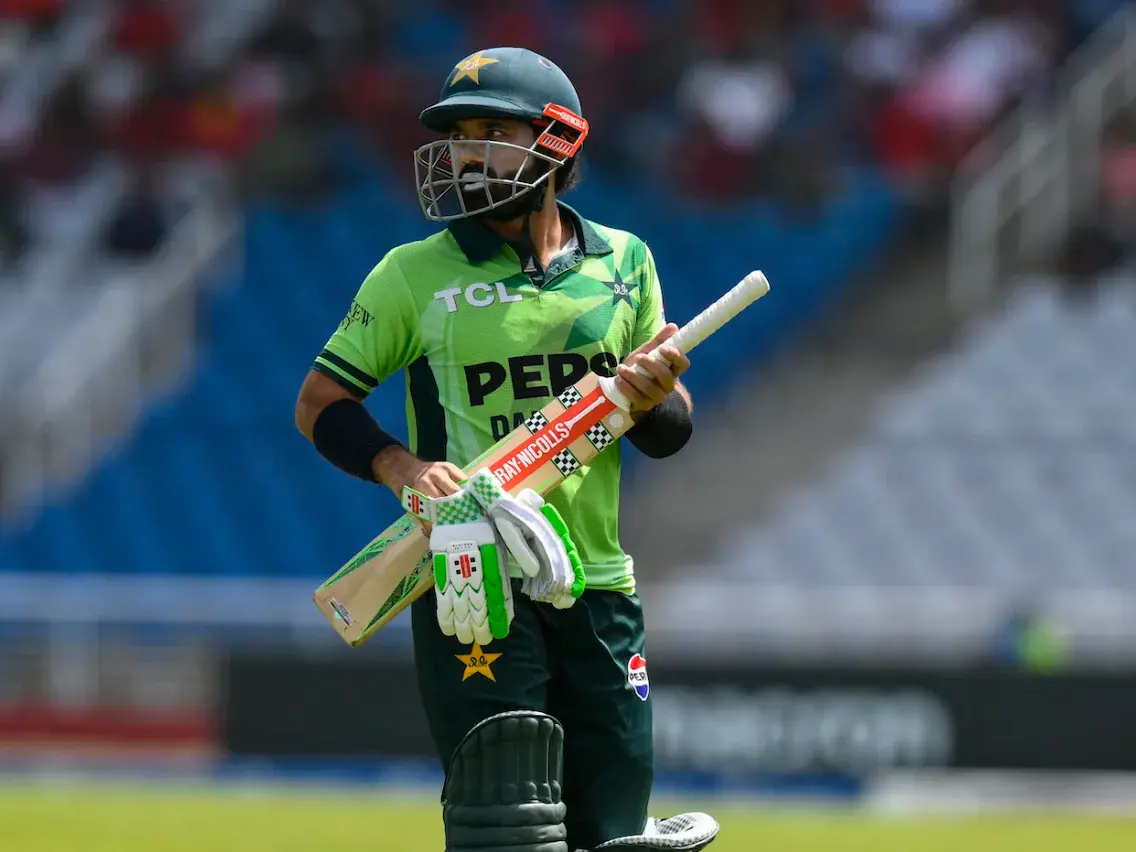)
Pak batter Rizwan's petition against being questioned by cyber crime agency rejected by court
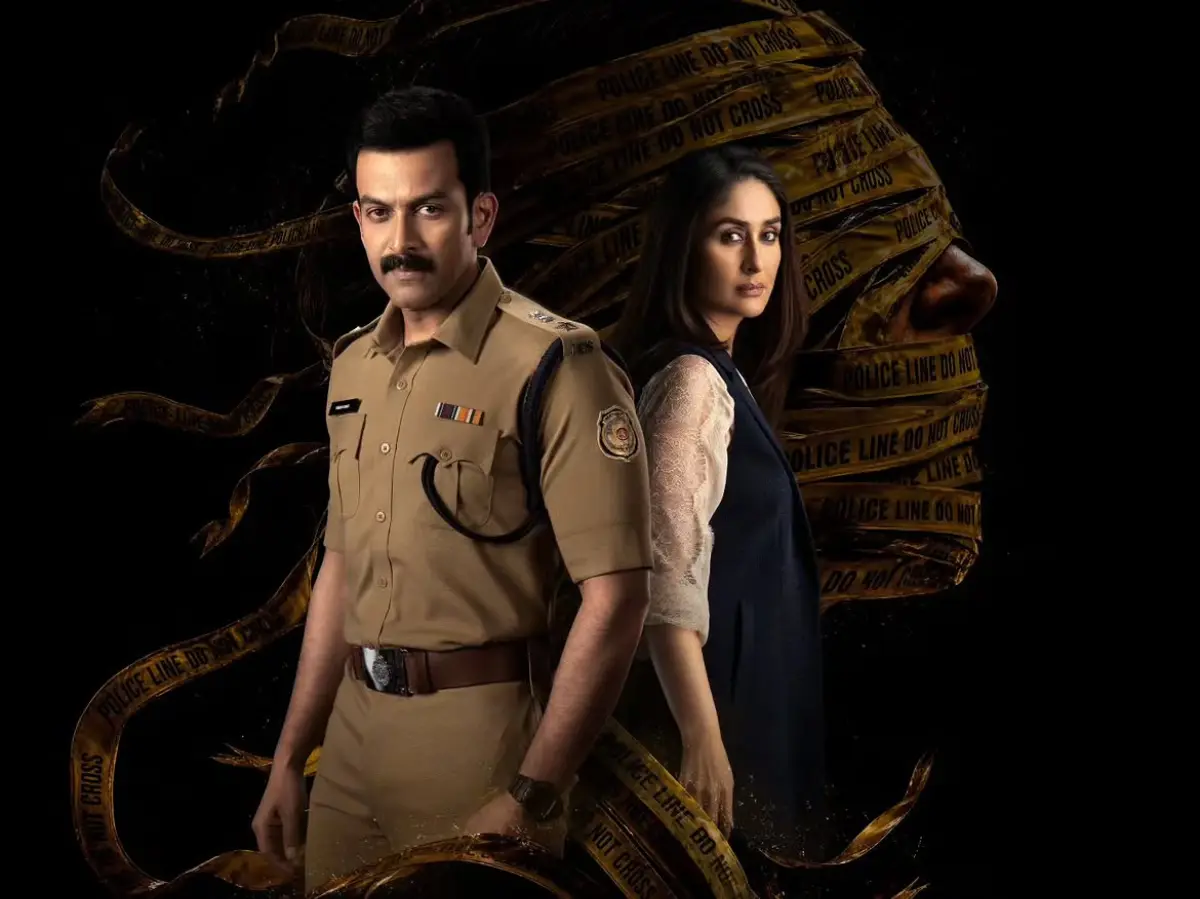)
Daayra movie review: Kareena Kapoor, Prithviraj Sukumaran shine in Meghna Gulzar’s cop-versus-cop crime thriller
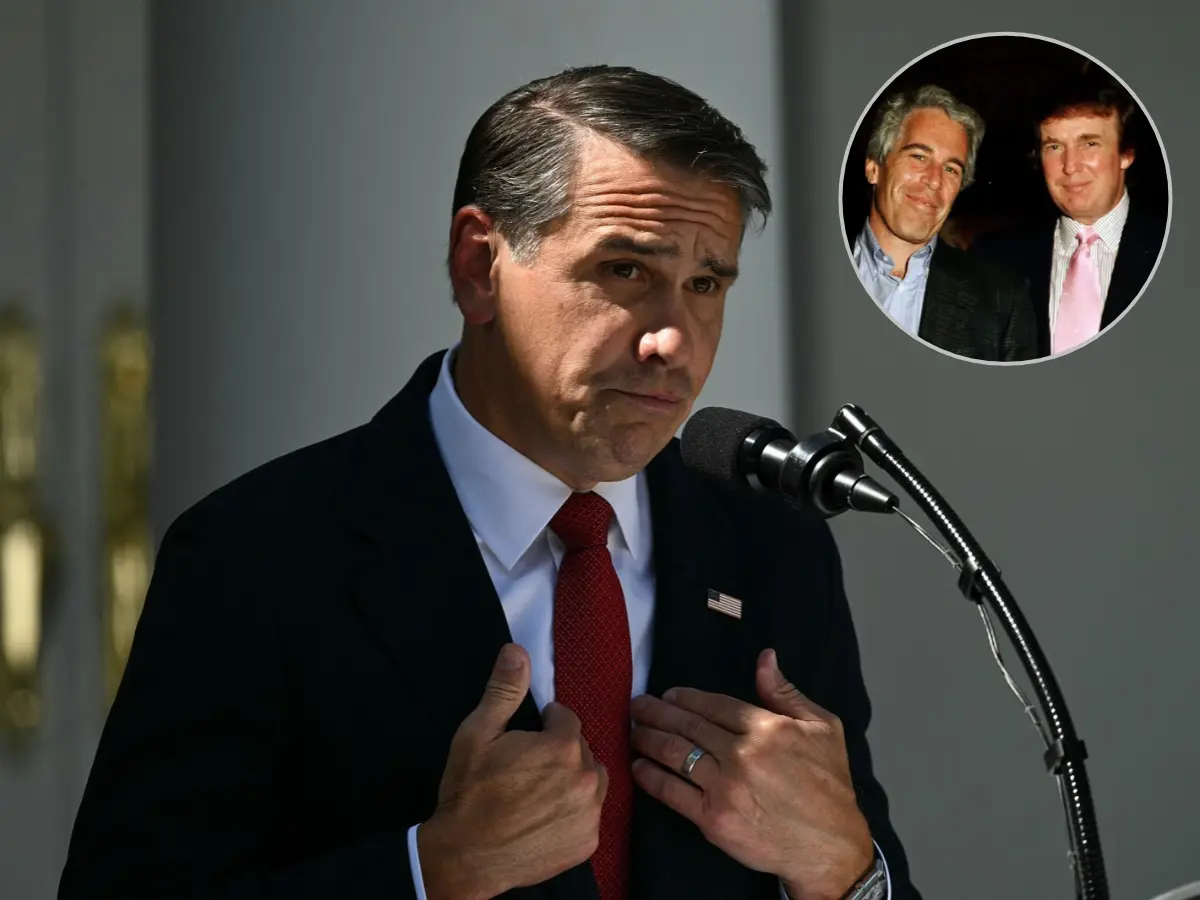)
Epstein files: Judge warns Trump Attorney General Todd Blanche of contempt over DOJ delays
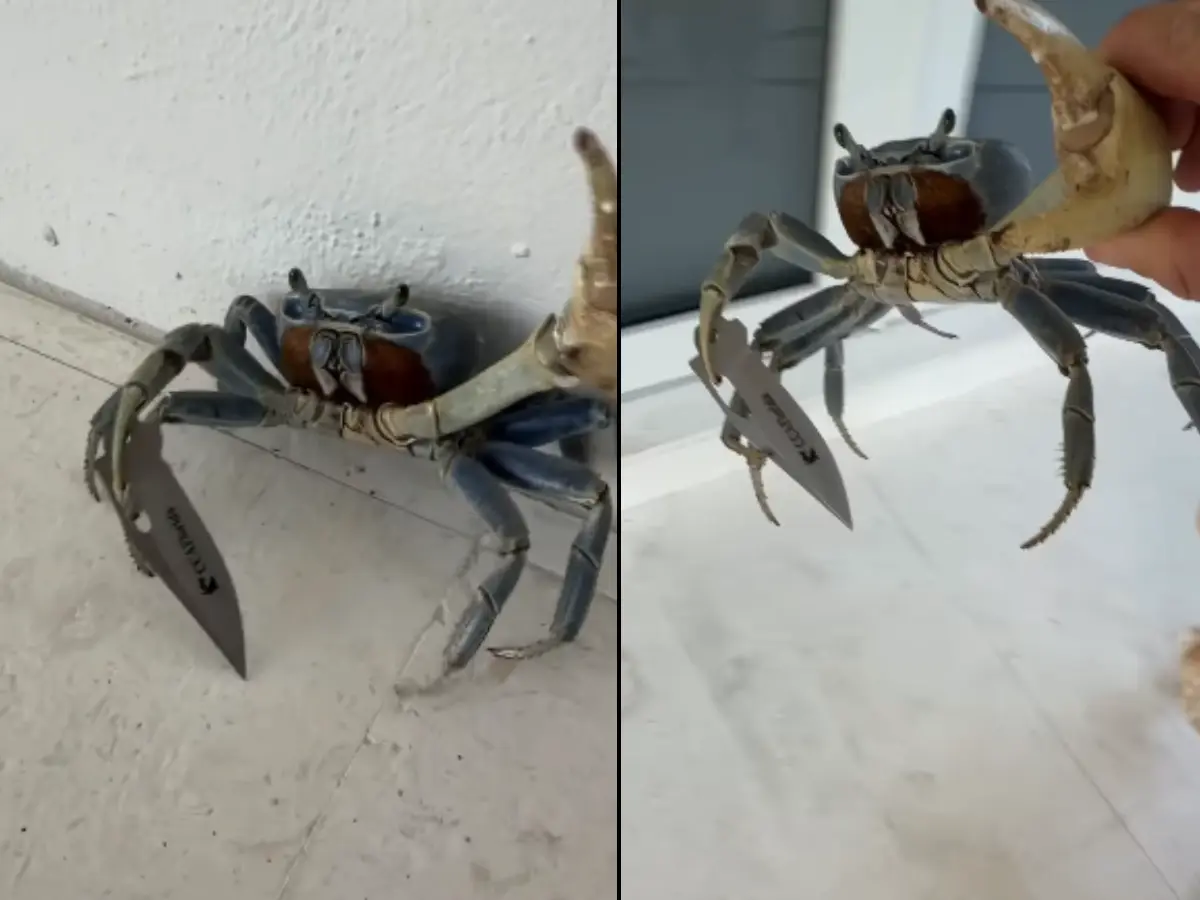)
'Gangsta' crab shoves knife blade at man and his dog in Florida - Watch
)
At least 48 dead, 100 hospitalised in Nigeria after drinking suspected methanol-laced alcohol
)
US-Iran War: Trump says ‘big decision’ on Iran ahead, weighs possible fresh military action
)
US new military base in Poland: US President Donald Trump eyes military base in Poland
)
Zee Entertainment shareholders approve reappointment of five board directors
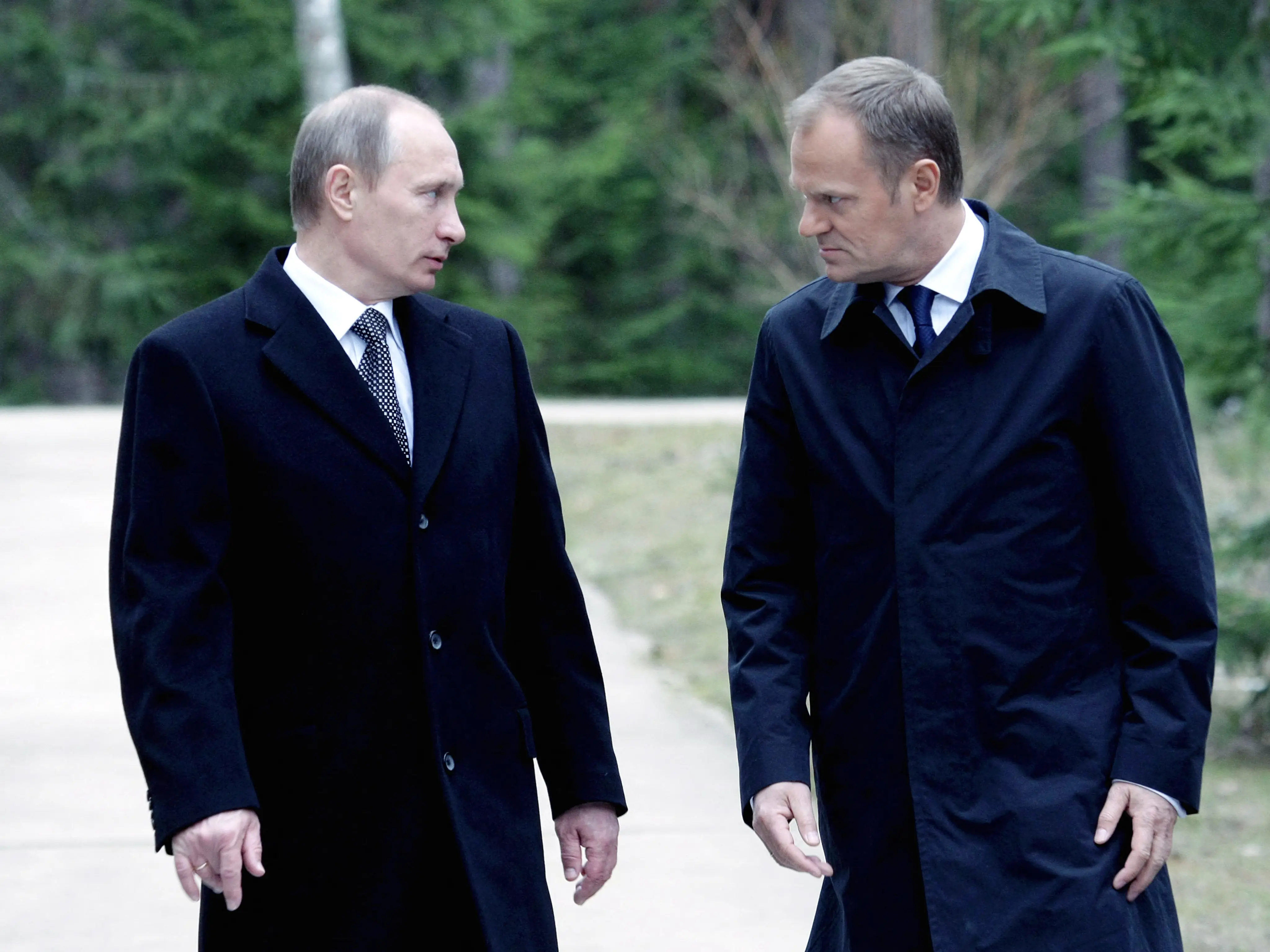)
Putin 'is plotting something bad': Russia may launch 'accidental' strikes on NATO countries supporting Ukraine, Poland PM warns
&im=FitAndFill=(700,400))
Suriya and Jyothika say ‘I do’ again after 20 years! See their dreamy wedding pics
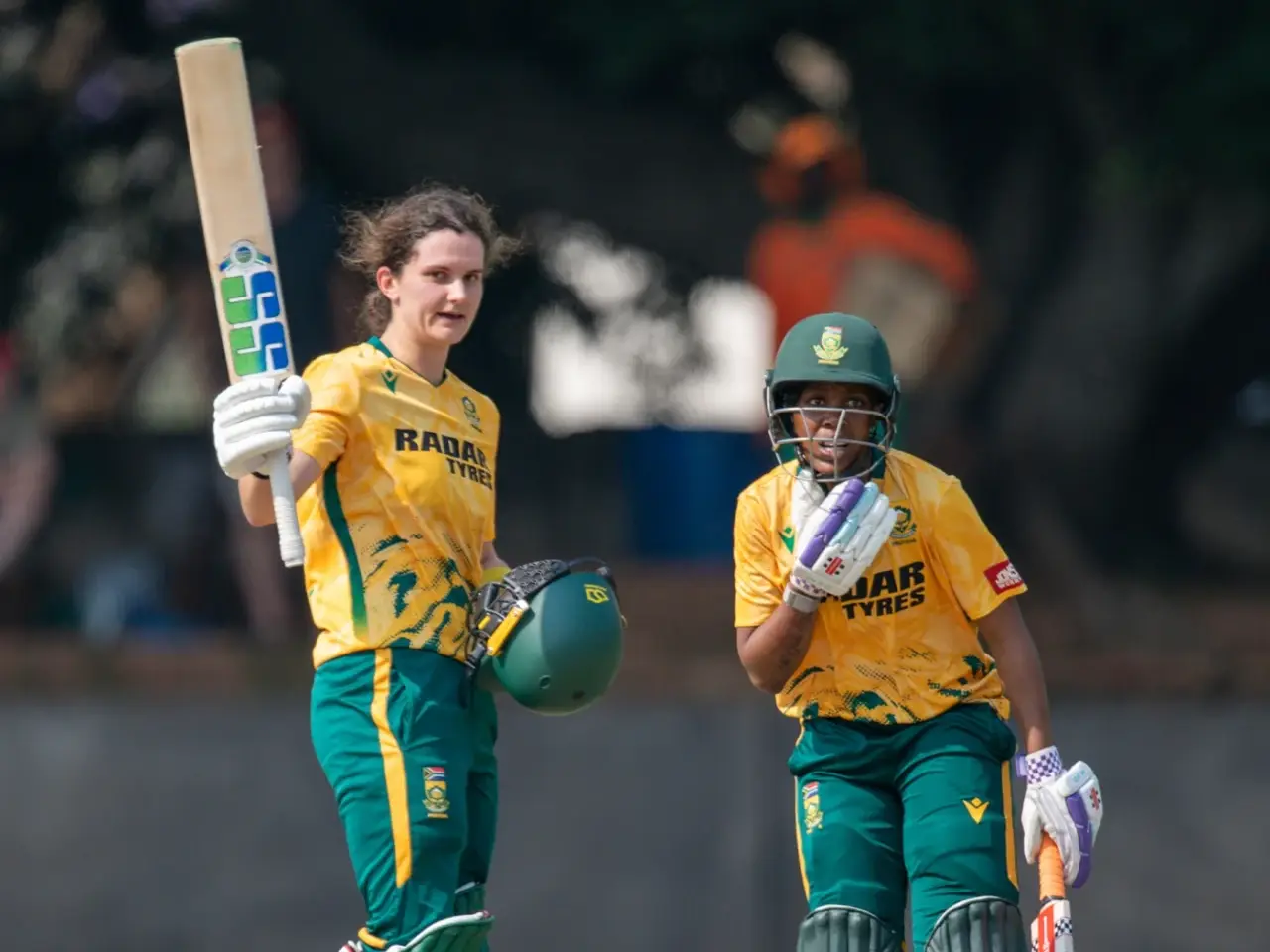)
Laura Wolvaardt sets new world record for most WT20I runs in a year
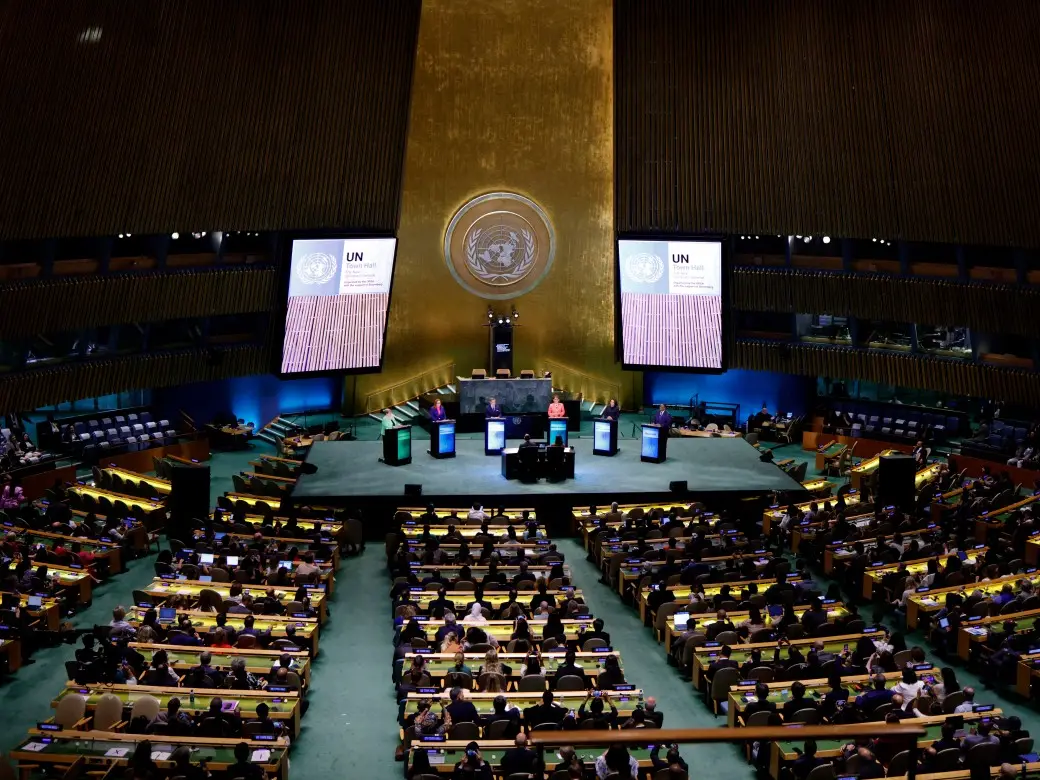)
Pezeshkian, Araghchi set to attend UNGA 2026 in New York amid ongoing conflict as US-imposed travel curbs remain
)
'He will always be ahead': India coach Gambhir says Sooryavanshi won't walk into team ahead of Samson
Reporters Wa Lone, 32, and Kyaw Soe Oo, 28, were arrested in Yangon in December 2017 and later jailed for violating the state secrets act, a charge Reuters said was trumped up to muzzle their reporting.
At the time of the arrest, they were probing a massacre of 10 Rohingya.
The original trial was widely regarded as a sham and seen as punishment for their investigation, sparking outrage around the world including from US Vice President Mike Pence.
Outside the country, the two men have been hailed as media freedom heroes and jointly named Time Magazine's Person of the Year 2018, alongside other persecuted and slain journalists.
But they have gained little sympathy within Myanmar.
The violent military campaign in 2017 forced more than 720,000 Rohingya across the border to Bangladesh, with refugees bringing accounts of murder, rape and arson.
UN investigators have called for top generals to be investigated for a genocide and singled out civilian leader Aung San Suu Kyi for criticism for failing to stop the crackdown.
The image of the formerly renowned champion of human rights has been further damaged by the Reuters trial, and she has yet to speak up in their defence. Reacting to the verdict outside the court the European Union ambassador to Myanmar Kristian Schmidt said he looked to the president of Myanmar to "correct" the injustice with a possible pardon.