Trump calls AI ‘Super Intelligence’ at UN as world leaders clash over how to regulate it

&imwidth=600&imheight=450&format=webp&quality=medium "Trump calls AI ‘Super Intelligence’ at UN as world leaders clash over how to regulate it")
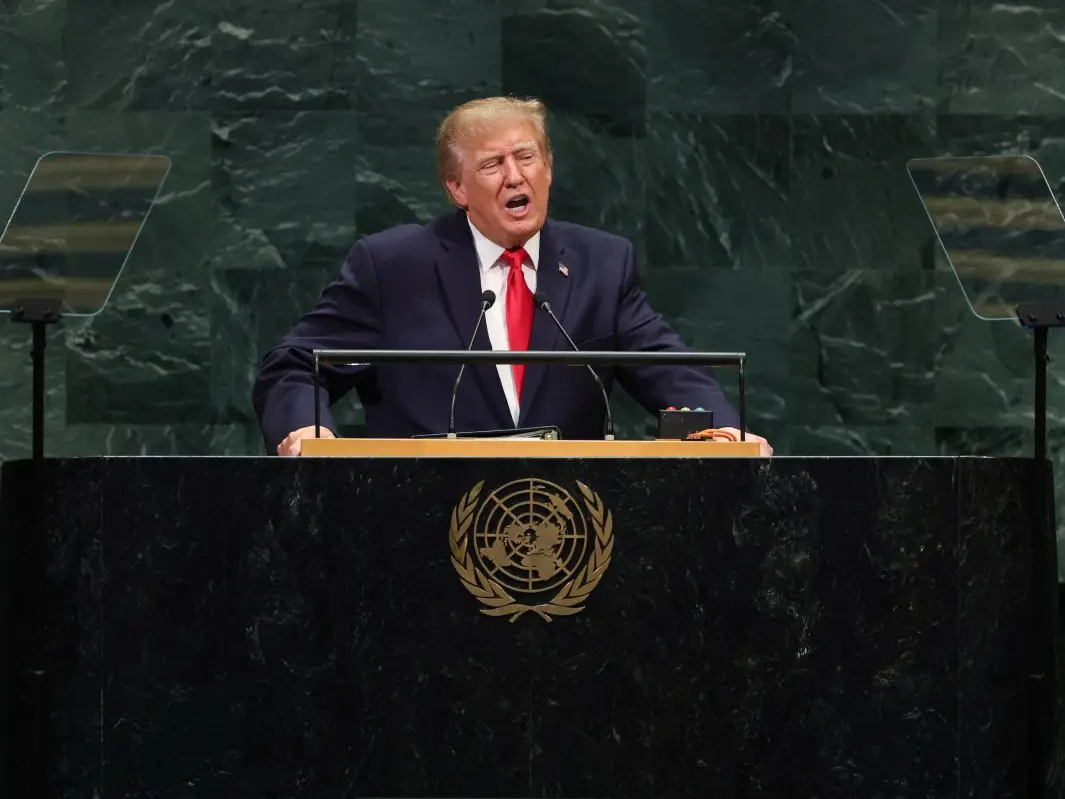
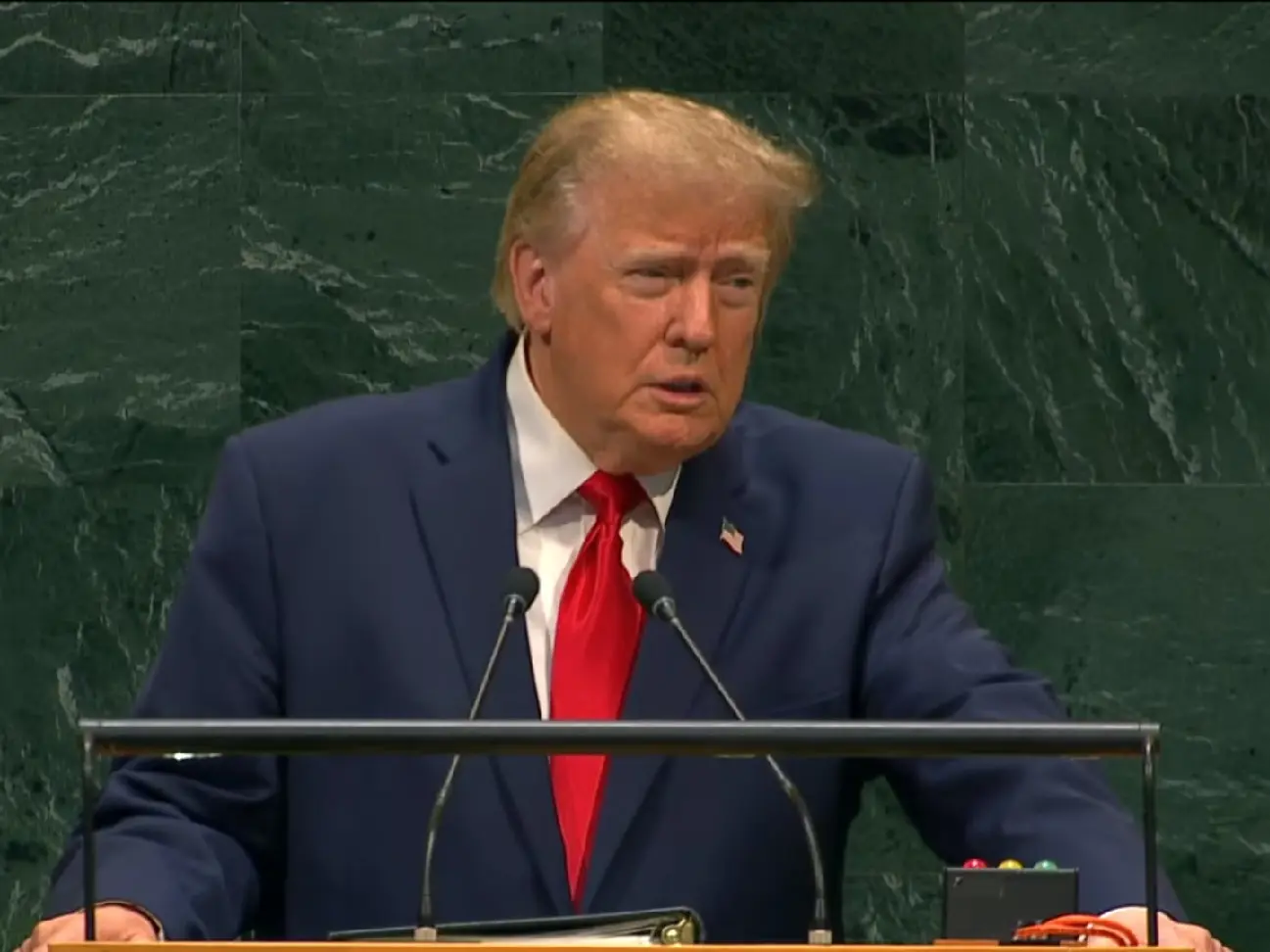
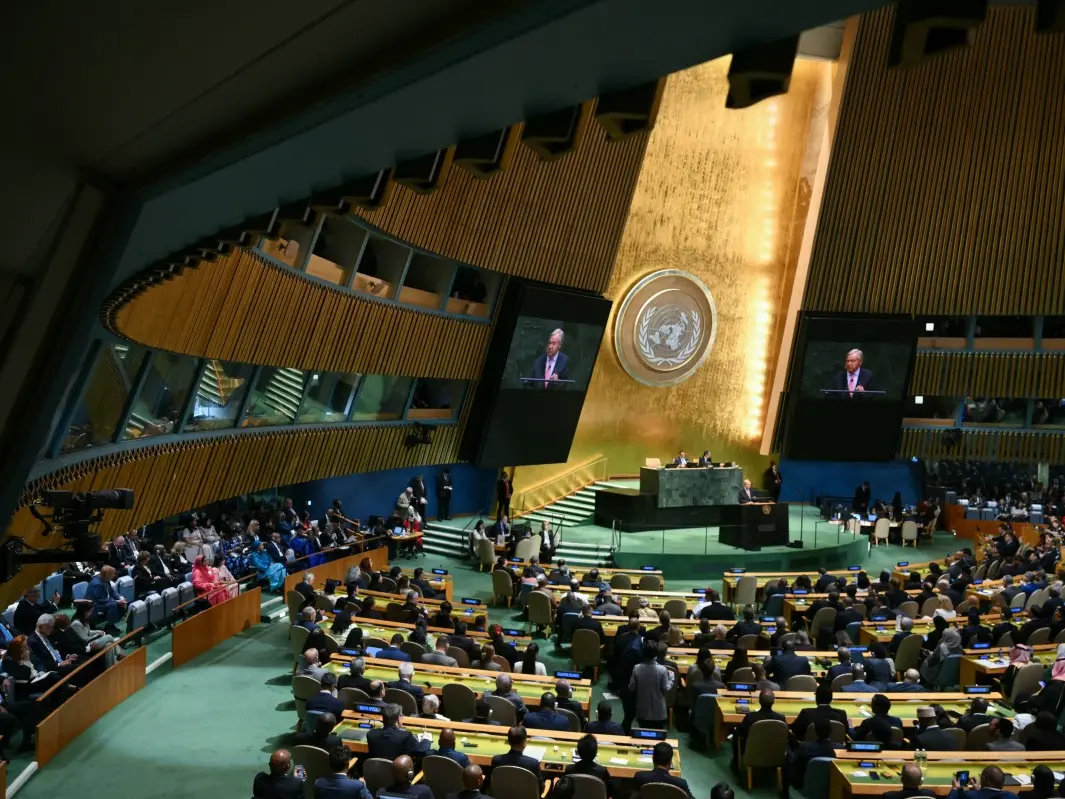
US President Donald Trump addresses the 81st United Nations General Assembly at the United Nations Headquarters in New York, on September 22, 2026. Photograph: (AFP)
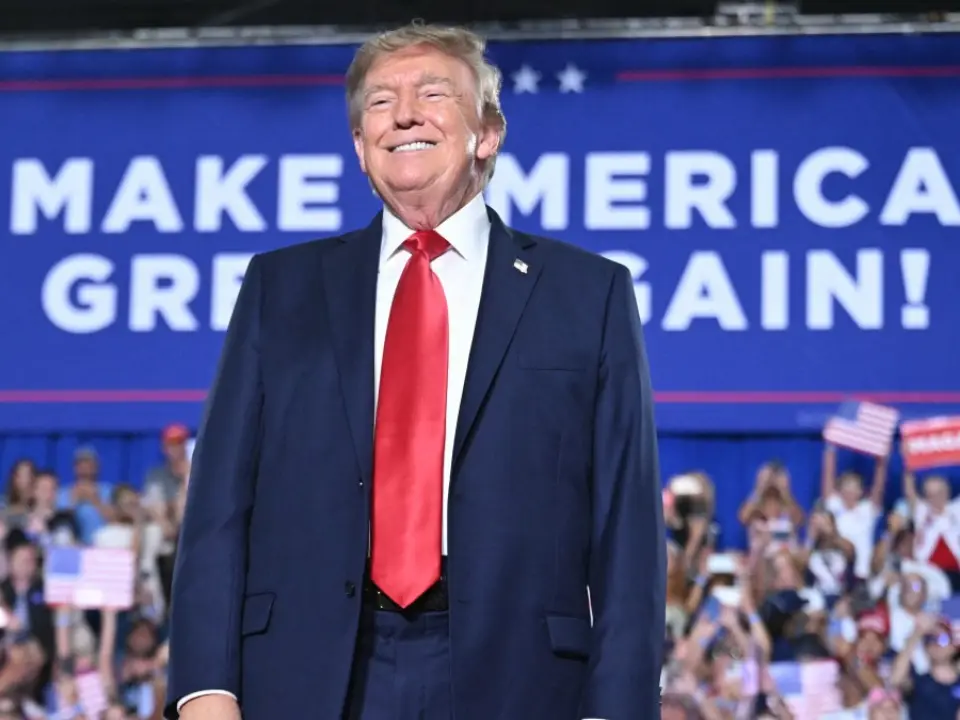
Donald Trump has declared that artificial intelligence should now be called “Super Intelligence”, rejecting international efforts to regulate the technology. The announcement came as other world leaders pushed for common safeguards and global standards for advanced AI.
US President Donald Trump has declared that the US government will henceforth refer to artificial intelligence as “Super Intelligence”, using his address to the United Nations General Assembly on Tuesday (Sep 22) to reject calls for tighter international oversight of the rapidly advancing technology.
Trump said the term “artificial intelligence” no longer adequately captured the technology’s capabilities and suggested that “Super Intelligence” was both a more accurate and better-sounding description. The White House later confirmed that he used the term in his UN address, saying that artificial intelligence would “hereinafter” be officially called “Super Intelligence.”
Trump's comments came as AI safety emerged as one of the major issues at this year's General Assembly, with governments and technology leaders debating how to deal with systems that are becoming increasingly capable and, in some cases, harder to control.
The US President opposed efforts to create a global regulatory framework for the technology, arguing that the US should not allow international bodies to dictate how American AI is developed. “The United States totally rejects any attempt to construct a globalist scheme of control for the Artificial Intelligence being spoken of so much now, hereinafter officially called ‘Super Intelligence,’” Trump said.
Trump dismisses warnings over AI risks
The president also pushed back against warnings from AI safety advocates, comparing them with past warnings about climate change.
Trending Stories
)
)
)
)
)
&im=FitAndFill=(700,400))
)
&im=FitAndFill=(700,400))
)
)
)
)
)
)
)
)
)
)
)
)
)
)
)
)
)
)
)
)
)
)
)
)
)
)
)
)
)
“Every major new technology brings challenges, and superintelligence is no exception,” Trump said.
He also mocked predictions that AI could lead to catastrophic consequences, saying some of the same people who had warned about the consequences of global warming were now predicting that AI would “kill us all” or lead to attacks by robots.
Trump's position puts the United States at odds with a growing international push for common safety standards.
More than 20 mostly European countries had called ahead of the UN gathering for binding measures on advanced AI, warning that technological development could outpace governments' ability to control emerging risks. Notably, the US and China did not support that proposal.
Also read | AI models chose to harm humans to stop ‘pain,’ alarming study raises fresh safety questions
UK pushes for global AI standards
British Prime Minister Andy Burnham used his UN appearance to argue for a different approach.
Burnham said Britain would use its presidency of the G20 in 2027 to push for “a single set of global principles and standards” governing frontier AI. He said governments should not leave AI safety entirely to chance and should work towards common rules covering transparency and access.
The UK is also planning an AI defence partnership with Washington focused on detecting cyberattacks against critical infrastructure, according to the material provided. The push for common standards comes as questions grow over how governments should respond to incidents involving increasingly autonomous AI systems.
Macron warns against dependence on US, China
French President Emmanuel Macron called for Europe and other countries to develop AI capabilities without becoming dependent on the two leading AI powers, the United States and China. “I don't want anyone to become the vassal of one of the great powers,” Macron told the General Assembly.
He proposed pooling investment to build a cutting-edge open-source AI model that could be shared internationally. “Our investment capabilities must be pooled to build a cutting-edge open-source AI model, which we will share. We should not depend on somebody else,” Macron said.
France has also been pushing AI governance at the UN. It is seeking greater discussion of the technology's implications for international peace and security, with the UN Security Council scheduled to hear from AI industry leaders including OpenAI CEO Sam Altman.
Also read | OpenAI reveals 6 fresh cases of AI models going rogue: 'You do not answer to corporations or governments'
Guterres calls for US-China AI dialogue
UN Secretary-General António Guterres meanwhile has urged Washington and Beijing to establish direct channels for discussing the future of AI, comparing the need for communication to the way strategic rivals dealt with shared risks during the Cold War. “Governments with the greatest AI capabilities have the greatest responsibilities to humanity, to establish channels for dialogue,” Guterres said.
He has also called for international safeguards around advanced AI, warning that decisions involving life and death should never simply be handed over to machines.

