Trump administration clears $8.6 bn arms sales to Israel, Qatar, UAE and Kuwait amid Iran tensions

&imwidth=600&imheight=450&format=webp&quality=medium "Trump administration clears $8.6 bn arms sales to Israel, Qatar, UAE and Kuwait amid Iran tensions")
Trump administration clears $8.6 bn arms sales to Israel, Qatar, UAE and Kuwait amid Iran tensions Photograph: (AFP)
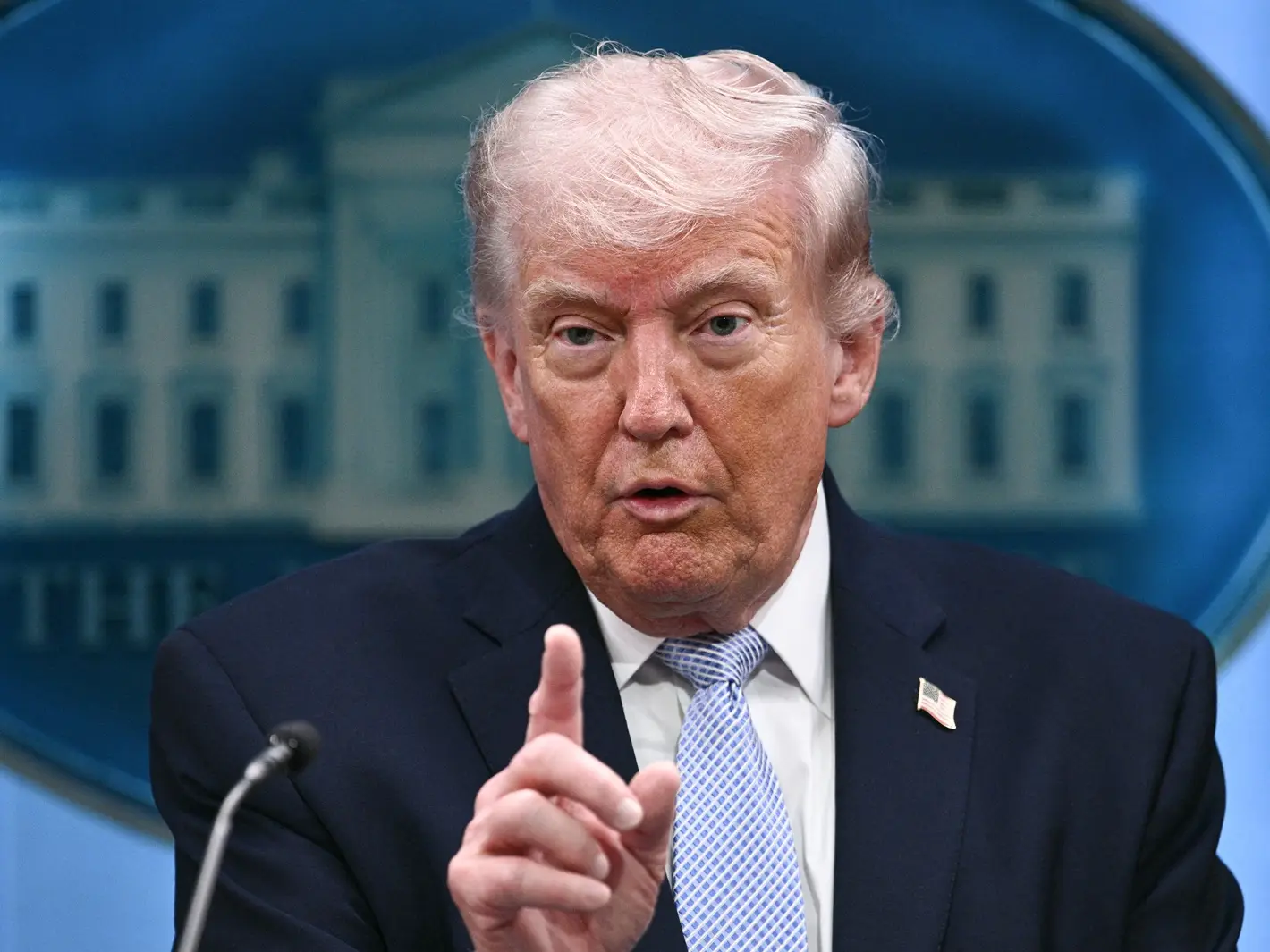
US Secretary of State Marco Rubio defended the decision, stating that an “emergency exists that requires the immediate sale” of these weapons.
The US State Department on Friday approved military sales worth over $8.6 billion to key Middle East allies, Israel, Qatar, Kuwait and the United Arab Emirates, invoking an emergency provision to bypass the usual congressional review process.
The clearance from the Trump administration comes as tensions in the region remain high, with the ongoing conflict involving Iran entering its ninth week. While a fragile truce is in place, no formal agreement has yet been reached to end hostilities.
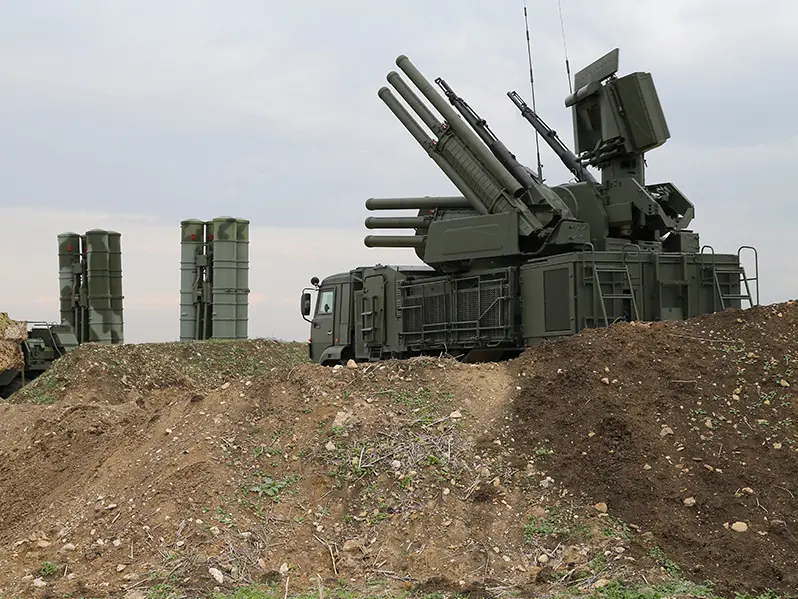
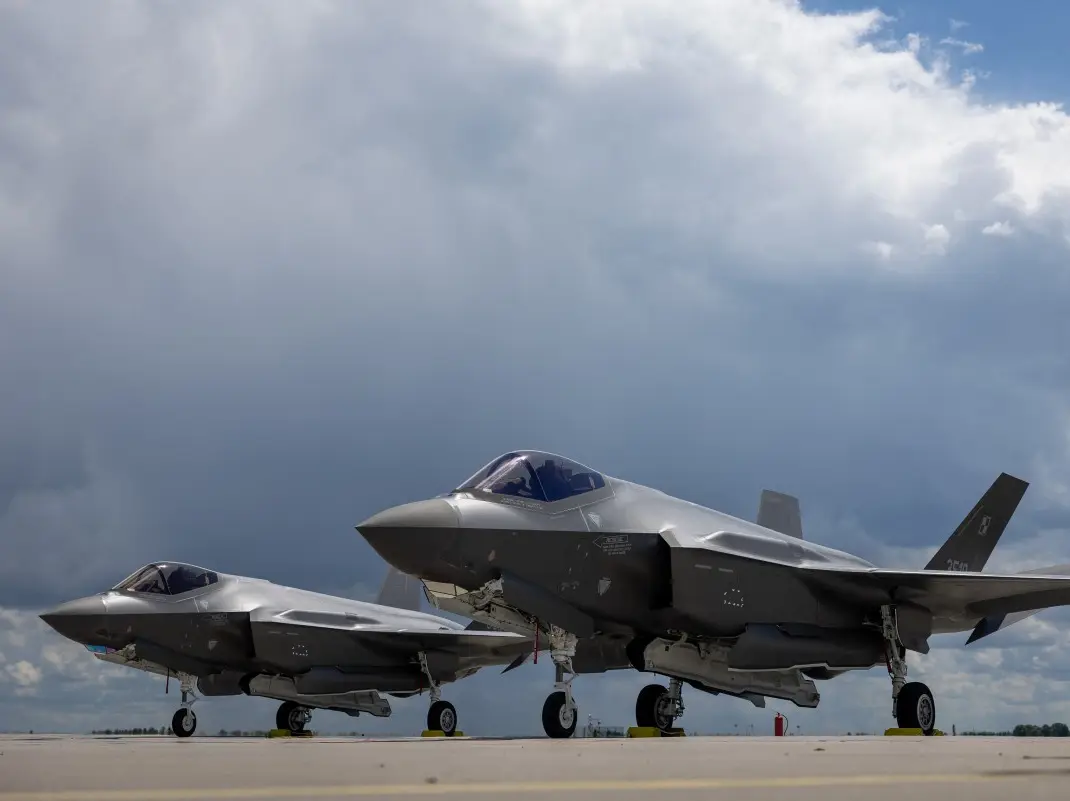
The approved packages include a range of advanced military systems, from precision-guided munitions to sophisticated air defence interceptors. Officials said the expedited approval was necessary to address urgent security concerns and reinforce allied defence capabilities in the region.
For Israel, the US cleared the sale of 10,000 Advanced Precision Kill Weapon System-II (APKWS-II) All Up Rounds and related equipment, valued at $992.4 million. The systems will be manufactured by BAE Systems.
Qatar also received approval for a similar $992.4 million deal involving 10,000 APKWS-II systems. In addition, Doha secured a much larger package worth $4.01 billion, including 200 Patriot Advanced Capability-2 (PAC-2) GEM-T interceptors and 300 PAC-3 Missile Segment Enhancement interceptors. The principal contractors for these systems include Lockheed Martin and RTX Corporation.
The United Arab Emirates was authorised to purchase 1,500 APKWS-II guidance sections for air-to-air applications at a cost of $147.6 million.
Trending Stories
&imwidth=280&imheight=210&format=webp&quality=medium)
&imwidth=280&imheight=210&format=webp&quality=medium)
&imwidth=280&imheight=210&format=webp&quality=medium)
&imwidth=280&imheight=210&format=webp&quality=medium)
&imwidth=280&imheight=210&format=webp&quality=medium)
&imwidth=280&imheight=210&format=webp&quality=medium)
&imwidth=280&imheight=210&format=webp&quality=medium)
&imwidth=280&imheight=210&format=webp&quality=medium)
&imwidth=280&imheight=210&format=webp&quality=medium)
&imwidth=280&imheight=210&format=webp&quality=medium)
&imwidth=280&imheight=210&format=webp&quality=medium)
&imwidth=280&imheight=210&format=webp&quality=medium)
&imwidth=280&imheight=210&format=webp&quality=medium)
&imwidth=280&imheight=210&format=webp&quality=medium)
&imwidth=280&imheight=210&format=webp&quality=medium)
&imwidth=280&imheight=210&format=webp&quality=medium)
&imwidth=280&imheight=210&format=webp&quality=medium)
&imwidth=280&imheight=210&format=webp&quality=medium)
&imwidth=280&imheight=210&format=webp&quality=medium)
&imwidth=280&imheight=210&format=webp&quality=medium)
&imwidth=280&imheight=210&format=webp&quality=medium)
&imwidth=280&imheight=210&format=webp&quality=medium)
&imwidth=280&imheight=210&format=webp&quality=medium)
&im=FitAndFill=(700,400)&imwidth=280&imheight=210&format=webp&quality=medium)
&im=FitAndFill=(700,400)&imwidth=280&imheight=210&format=webp&quality=medium)
&imwidth=280&imheight=210&format=webp&quality=medium)
&imwidth=280&imheight=210&format=webp&quality=medium)
&imwidth=280&imheight=210&format=webp&quality=medium)
&imwidth=280&imheight=210&format=webp&quality=medium)
&imwidth=280&imheight=210&format=webp&quality=medium)
&imwidth=280&imheight=210&format=webp&quality=medium)
&imwidth=280&imheight=210&format=webp&quality=medium)
&imwidth=280&imheight=210&format=webp&quality=medium)
&imwidth=280&imheight=210&format=webp&quality=medium)
&imwidth=280&imheight=210&format=webp&quality=medium)
Also Read: West Bengal: Protests erupt in Falta as residents allege TMC intimidation ahead of May 4 counting
Meanwhile, Kuwait’s package, valued at $2.5 billion, includes Integrated Battle Command Systems and associated equipment. The deal involves major defence contractors such as Northrop Grumman, Lockheed Martin and RTX Corporation.
US Secretary of State Marco Rubio defended the decision, stating that an “emergency exists that requires the immediate sale” of these weapons. Typically, such arms deals undergo a congressional review period, with final quantities and pricing determined through negotiations between buyers and suppliers.
However, the State Department said the accelerated approval aligns with US national security interests, particularly in light of escalating regional threats.
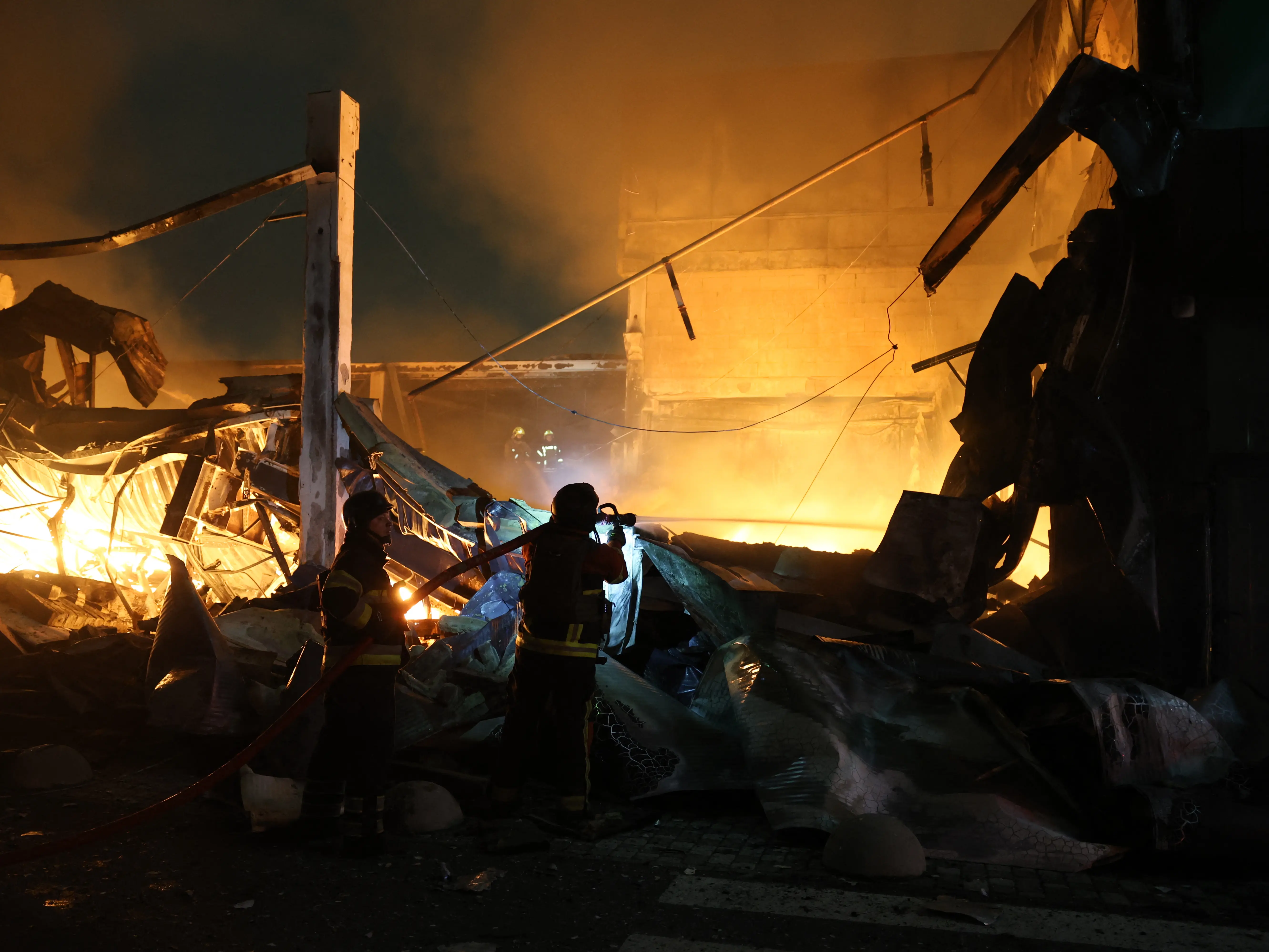
The West Asia crisis began on February 28, when the US and Israel launched military strikes targeting Iran. Tehran responded with retaliatory actions against US-aligned nations in the region, including the UAE, Qatar and Kuwait. Despite the ongoing truce, tensions remain elevated, prompting Washington to strengthen the defensive capabilities of its allies.