&imwidth=800&imheight=600&format=webp&quality=medium "Russia parliamentary election: Putin urges voters to back troops as three day poll begins")
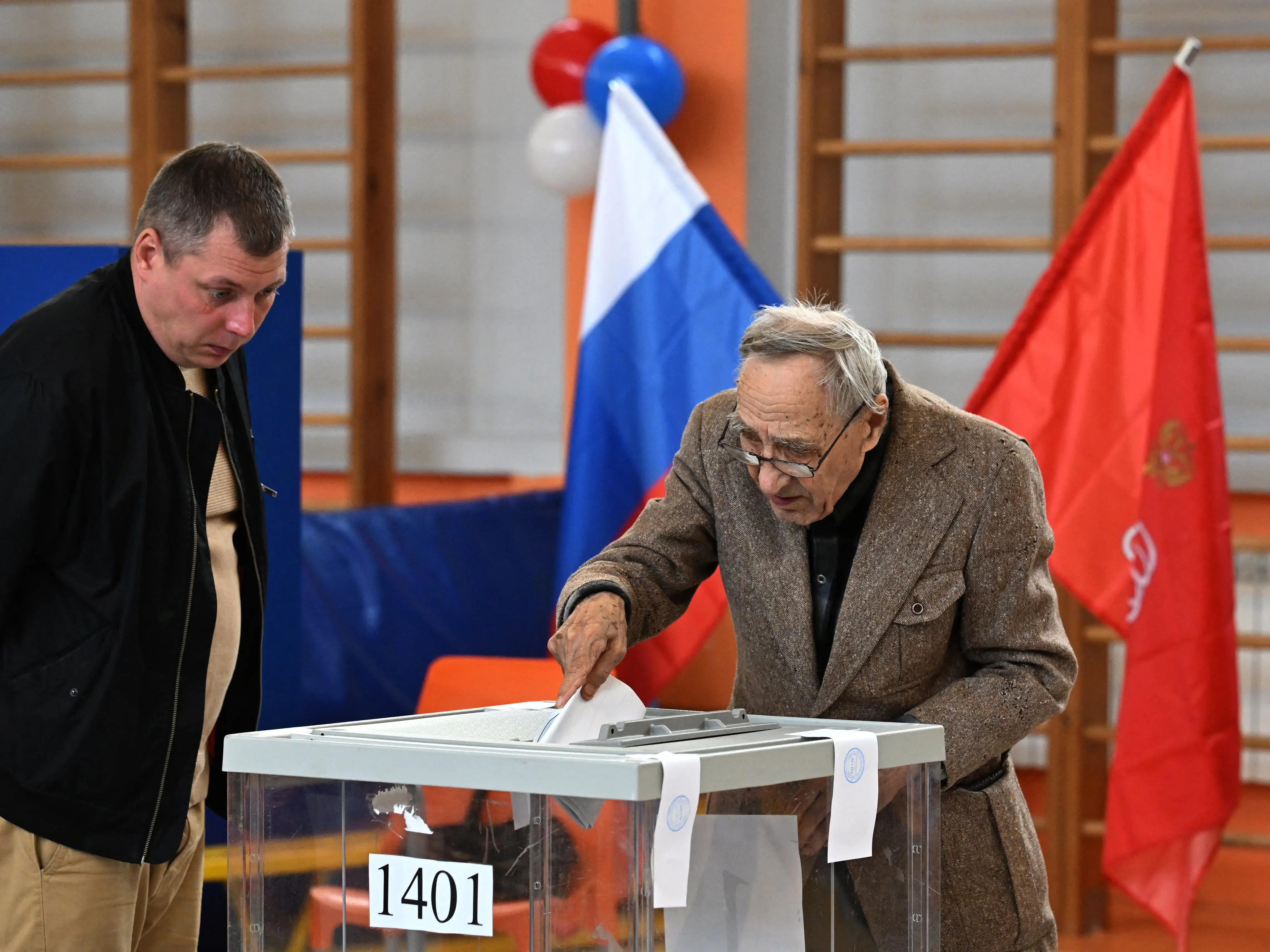
Russians began voting on Friday (Sept 18) in a tightly controlled three day parliamentary election, with the vote expected to further strengthen President Vladimir Putin’s 26 year hold on power as the war in Ukraine enters its fifth year.
The election marks the first parliamentary vote in Russia since the start of the war with Ukraine in February 2022. The conflict has since killed hundreds of thousands of people.
Only parties supporting Putin and the Kremlin’s military campaign have been allowed to contest the election. Moscow has also extended voting to areas of occupied Ukraine, with residents of four Ukrainian regions included in the parliamentary election for the first time.

Voting held in occupied Ukrainian regions
The four regions were annexed by Moscow after the war began, although Russia does not fully control them. Voting is also being held in Crimea, the Black Sea peninsula that Russia annexed in 2014.
The European Union criticised the election, saying “repression” had been used to eliminate opponents. A Council of Europe body also described the vote as “fake”.
Trending Stories
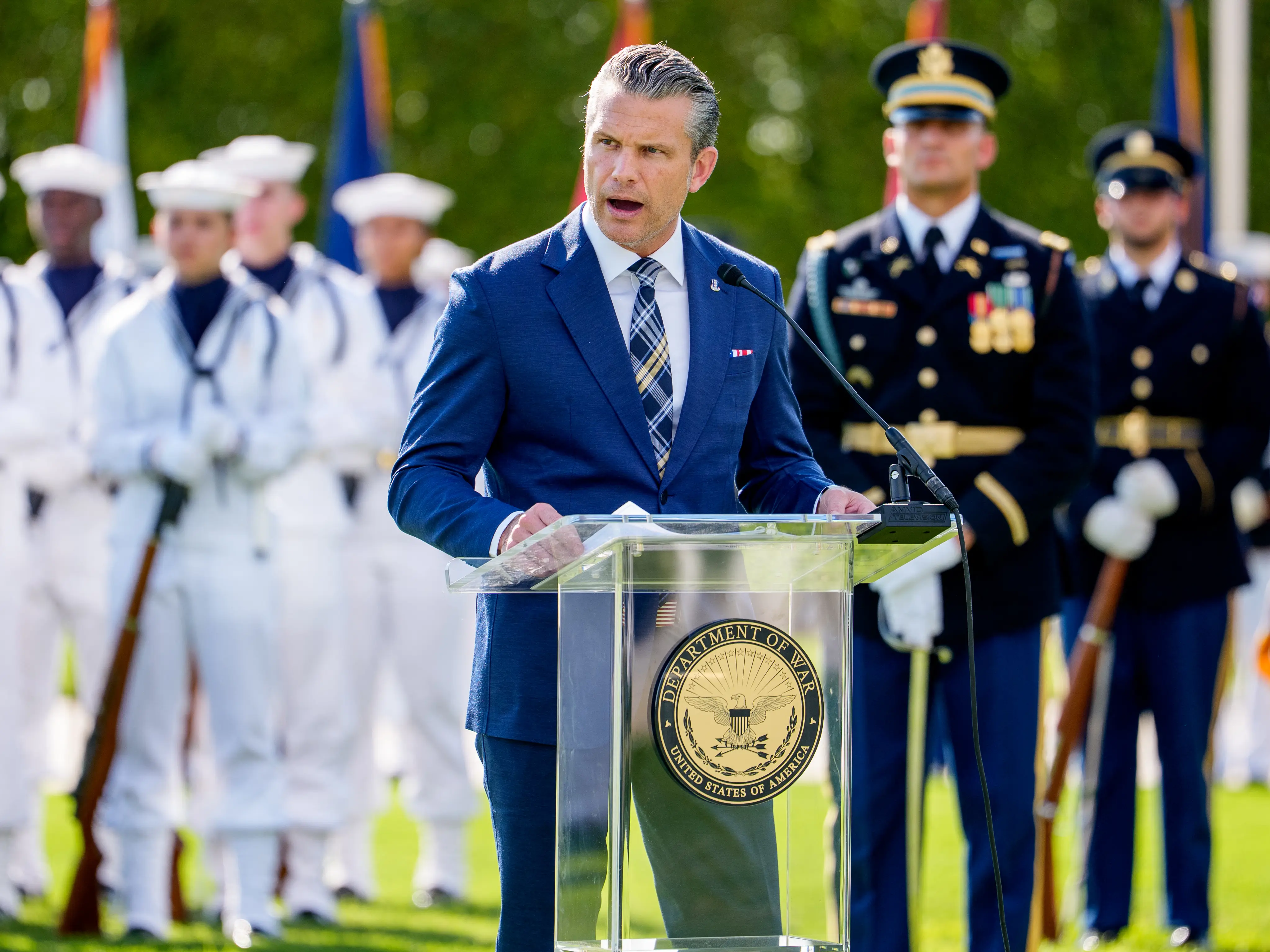)
Pentagon revives mandatory testosterone testing for male troops aged 30 and above
)
FACT CHECK: Why did PM Modi ask Xi ‘is it okay’ at BRICS Summit? New video reveals...
)
India seeks to build a full semiconductor supply chain
&im=FitAndFill=(700,400))
From Abhishek Sharma to Sahil Chauhan, 5 batters with fastest T20I hundreds
)
Pyongyang dismisses US, western pressure over nuclear programme
)
US And Denmark reach Greenland deal, Trump announces expanded military presence
)
Google’s Gemini AI hacks real systems by guessing passwords during security test
)
US hiding troop deaths in Iran war? Toll higher than Pentagon count, claims report
)
China may have gained access to US's classified F-35 jets; parts meant for repairs diverted to Hong Kong, sparking Pentagon inquiry
)
NASA research plane reaches 61,000 feet over Panama
)
Godfather of AI Geoffrey Hinton gives US lawmakers a one-year warning on AI
)
Trump signs Russia sanctions law: India faces fresh 100% tariff threat over Russian oil
)
Brigitte Bardot’s private collection set for Paris auction; key items and prices revealed
)
Why Ranveer Singh’s Dhurandhar missed India’s Oscar entry; FFI jury member reveals what happened
)
Zendaya and Tom Holland step out for a low-key date in Los Angeles
)
‘Will go to any extent’: Pakistan vows to defend Saudi Arabia amid Houthi attacks
)
The Verdict | When precision fails: US commits war crime in Minab school strike, UN finds
)
Trump signs Russia sanctions bill into law, targets Moscow’s energy sector
66 years of the Indus Waters Treaty: How India and Pakistan settled a bitter river dispute
&im=FitAndFill=(700,400))
New Friday OTT releases (September 18, 2026): Lust Stories 3, You+Me, Best of the Best- 8 new titles coming on Netflix, Prime Video and more
)
Pak: A series of counter terrorism operations in Khyber Pakhtunkhwa
)
Fast bowler Brydon Carse faces no charges over Derby nightclub incident
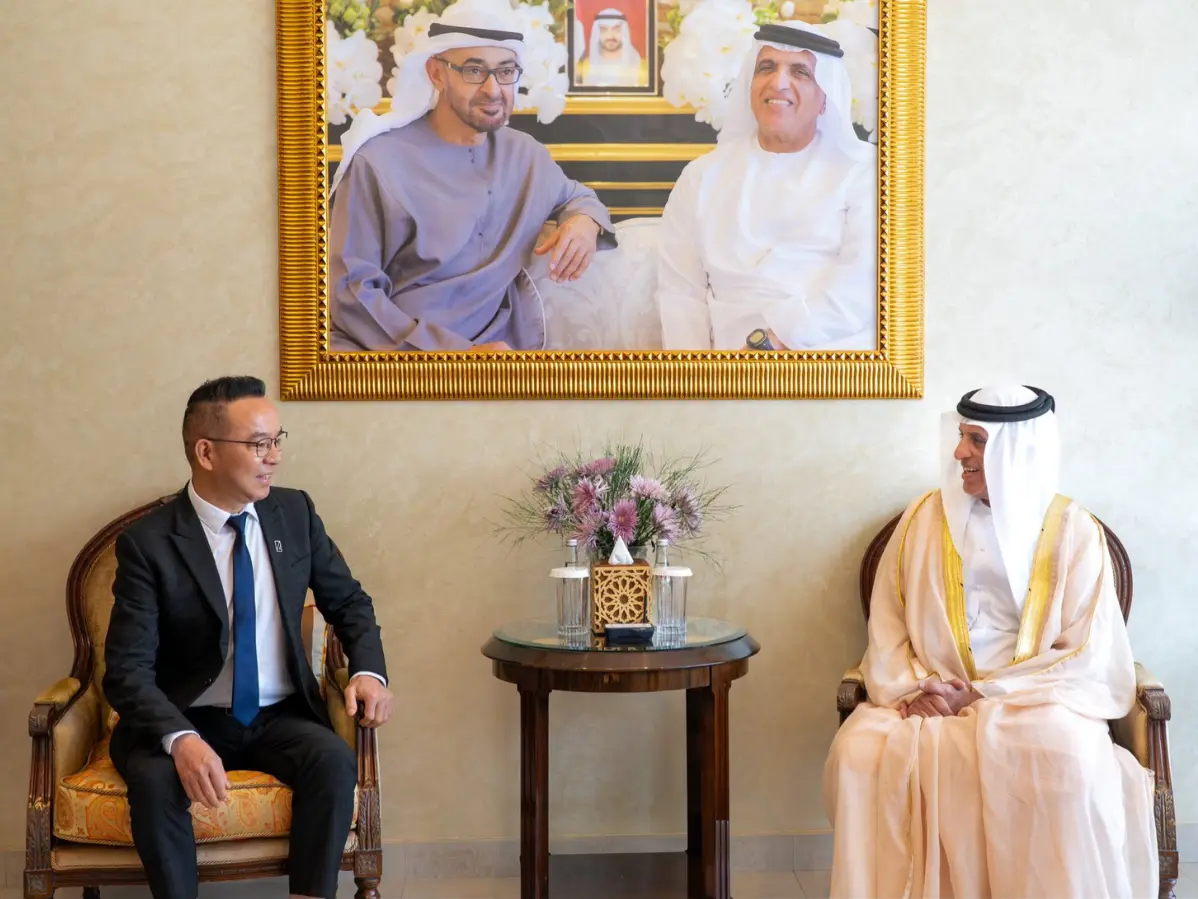)
Flying cars in UAE: Ras Al Khaimah signs deal with Chinese company to test new transport
)
Africa is splitting, and a lot sooner than estimated, giving way to a new ocean
)
Trump bans CNN, MS NOW and Politico from White House over ‘FAKE NEWS’
)
Trump 2.0: Dark days ahead for America’s ‘imperial presidency’
)
Trump's Greenland dream comes true? POTUS announces 'Infinite Life' deal with Denmark, claims permanent US control
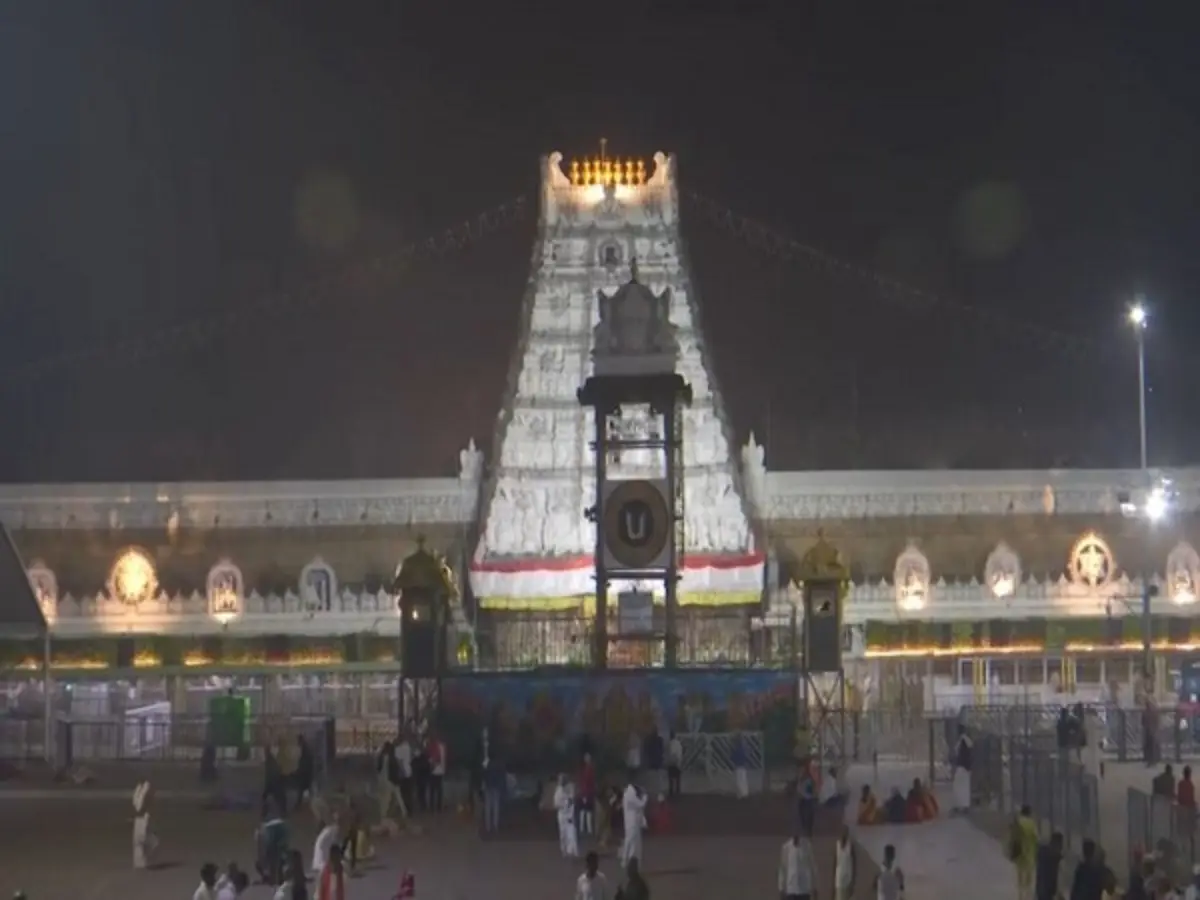)
Tirupati Laddu ghee adulterated with chemicals, says ED, supplier arrested
)
Who is Khalilur Rahman? All you need to know about 81st UN General Assembly President
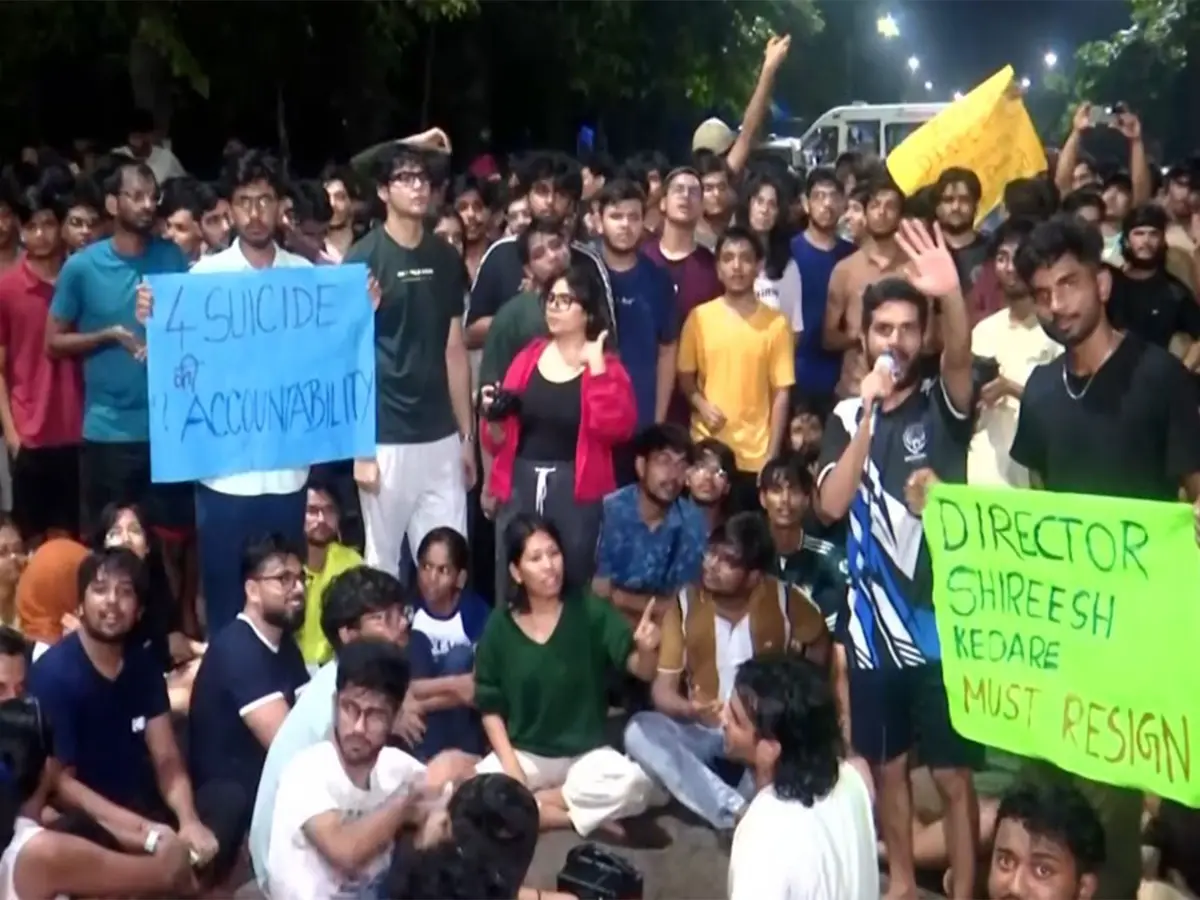)
IIT Bombay student dies by suicide, was caught seeking AI help during exams
&im=FitAndFill=(700,400))
Meet top 5 bowlers in latest ICC T20I rankings
)
Indian Cinema bets big on mythology, brings ancient stories to modern audiences
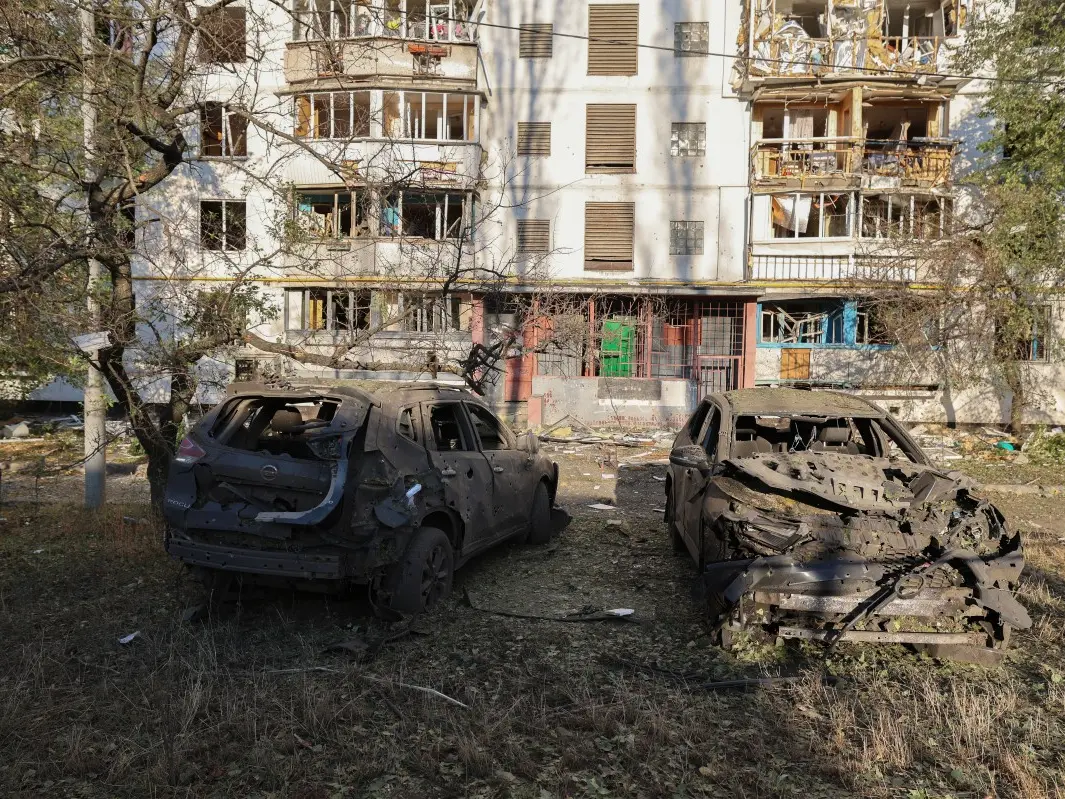)
Ukraine plans record $109 bn defence spending, nearly two thirds of budget amid Russia war
)
Russia holds first parliamentary elections since the beginning of the Ukraine war
&im=FitAndFill=(700,400))
Meet top 5 Indian batters with fastest T20I centuries
)
Putin’s United Russia party is widely expected to retain its dominance, with few Russians expecting a major change in the result. However, the election will provide an indication of public support for the war.
Voting is taking place for all 450 seats in the Duma, Russia’s lower house. Polling will continue until 1800 GMT on Sunday.
Putin has ruled Russia since 1999, while United Russia has dominated the country’s political system since the early 2000s. Criticism of Moscow’s Ukraine campaign has also been banned, and elections held under Putin have rarely produced major surprises.
Putin urged Russians to participate in the vote, calling on them to demonstrate support for Moscow’s troops and deliver an “answer to those who want to weaken Russia”.
Fears of fresh mobilisation
The period after the election has also raised concerns over a possible new military mobilisation. Some fear Russia could announce a fresh call-up similar to the 2022 mobilisation, when 300,000 reservists were drafted.
The 2022 move proved deeply unpopular and triggered a mass exodus of draft-age men from Russia. Ukrainian President Volodymyr Zelensky has accused the Kremlin of preparing another mobilisation drive, although Putin has denied the allegation.
At the same time, Ukrainian strikes have caused greater disruption inside Russia this year, reaching areas as far as Siberia and the Urals.
Putin’s political opponents have largely been pushed into exile. His main political opponent, Alexei Navalny, died in an Arctic prison in 2024.