Quad foreign ministers' meet takes place in Delhi after Trump-Xi summit. What will be different?

&imwidth=600&imheight=450&format=webp&quality=medium "Quad foreign ministers' meet takes place in Delhi after Trump-Xi summit. What will be different?")
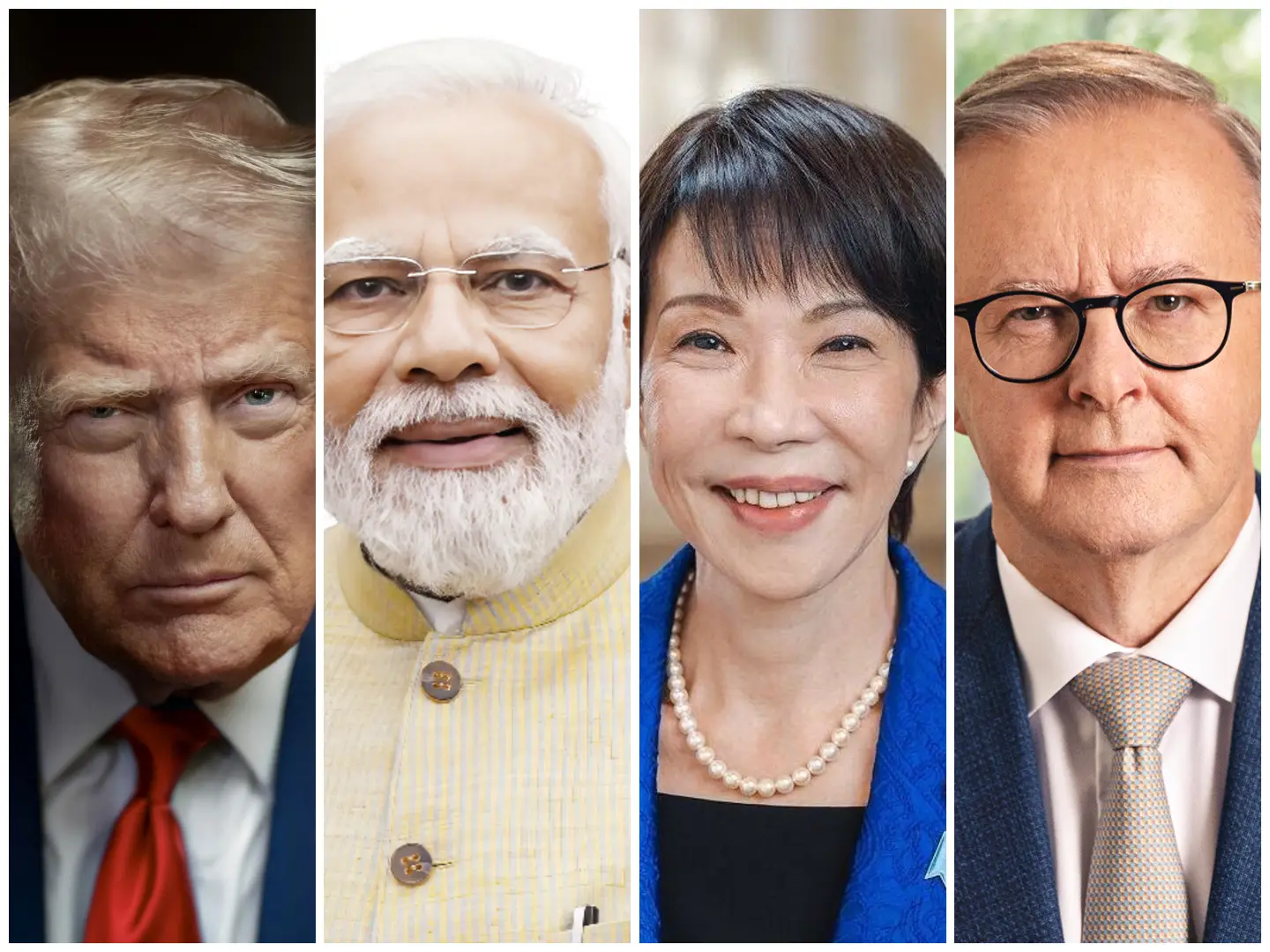
A combination photo of Quad leaders: President Trump, PM Modi, PM Takaichi and PM Albanese Photograph: (Others)
India is hosting the Quad Foreign Ministers' Meeting in Delhi just days after the Trump-Xi summit. Quad members might be having concerns around US-China rapprochement. Iran war and Hormuz disruptions have affected most of them. How will Indo-Pacific security focus of Quad play out?
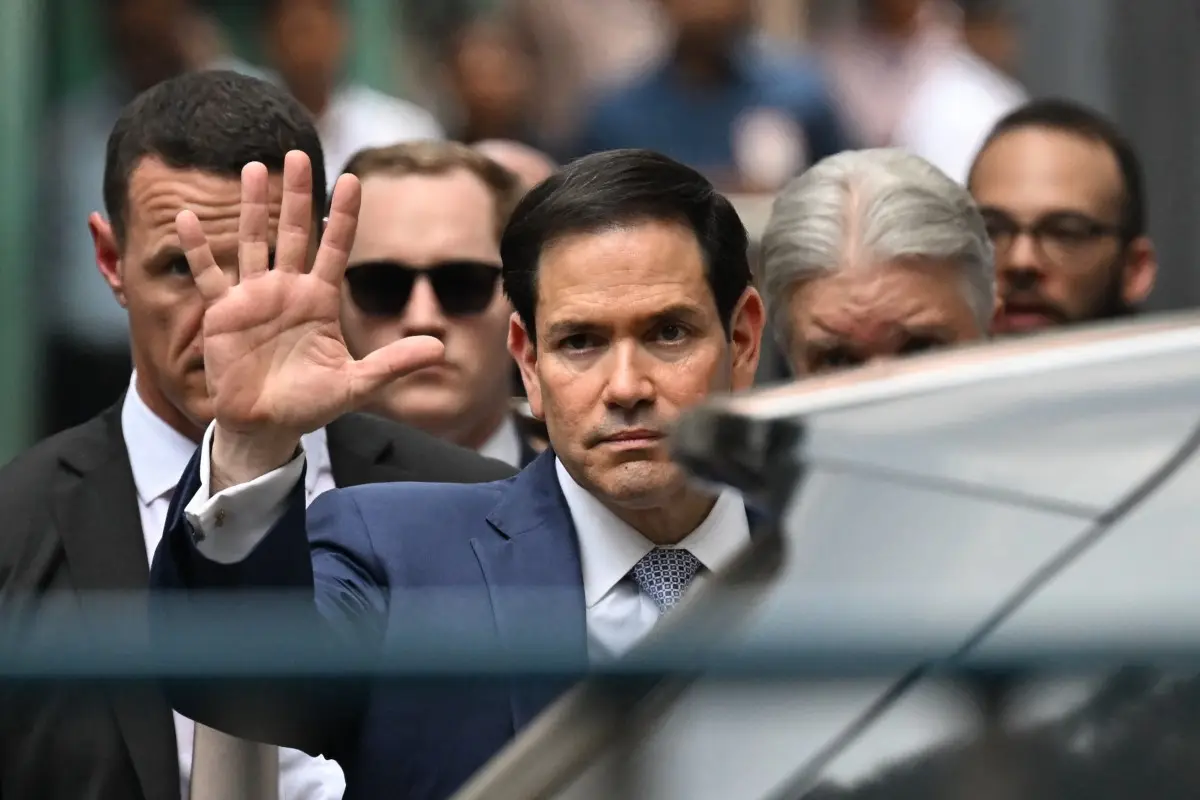
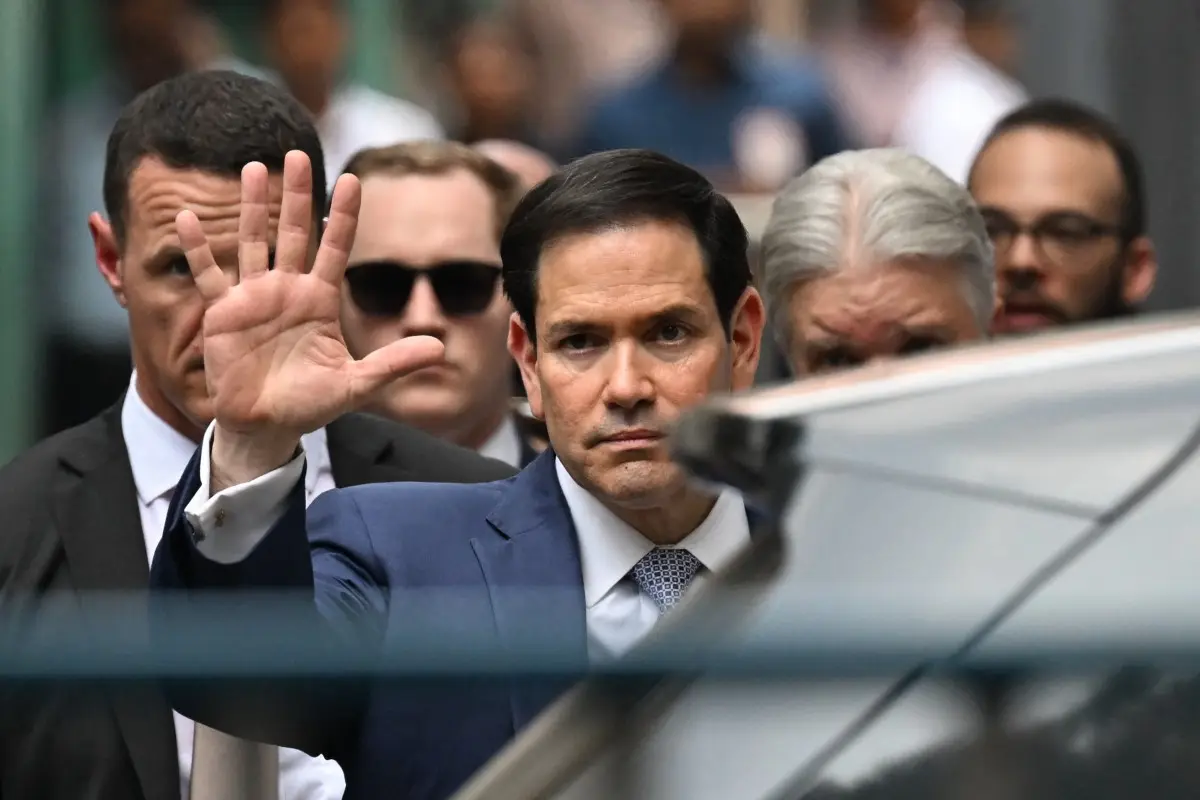
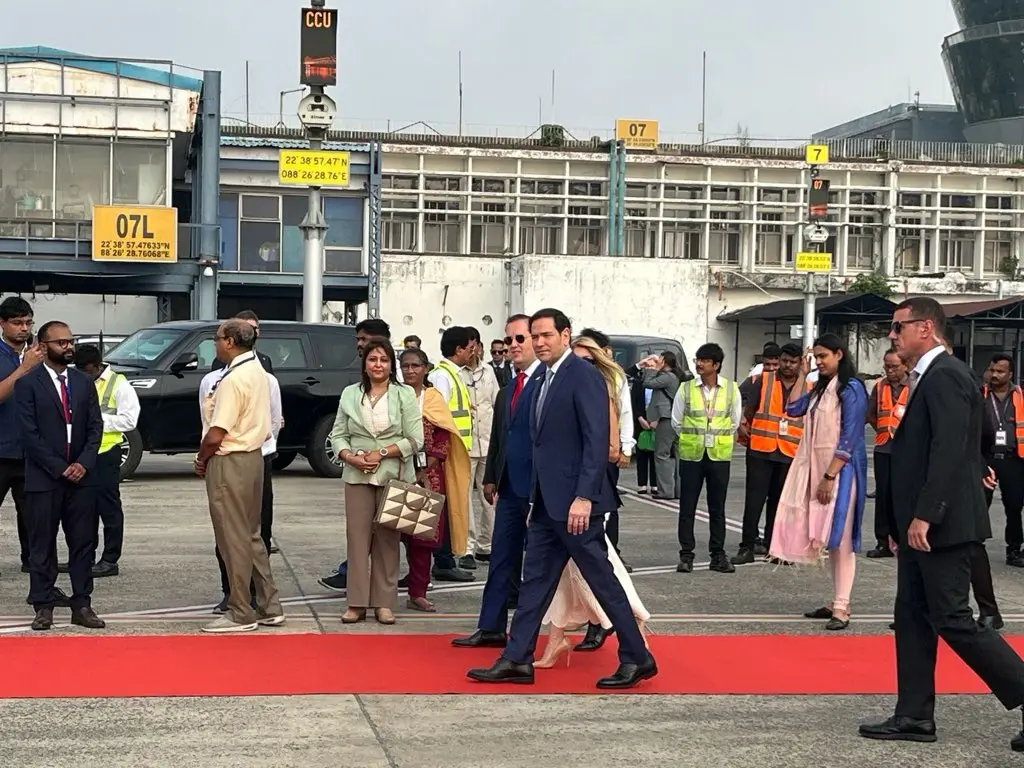
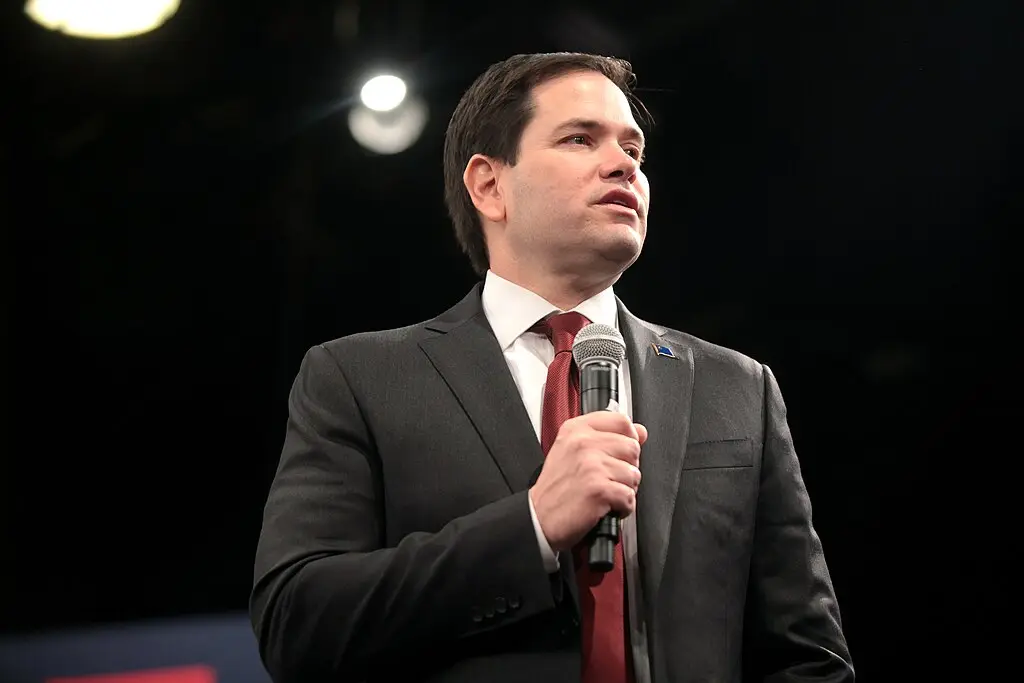
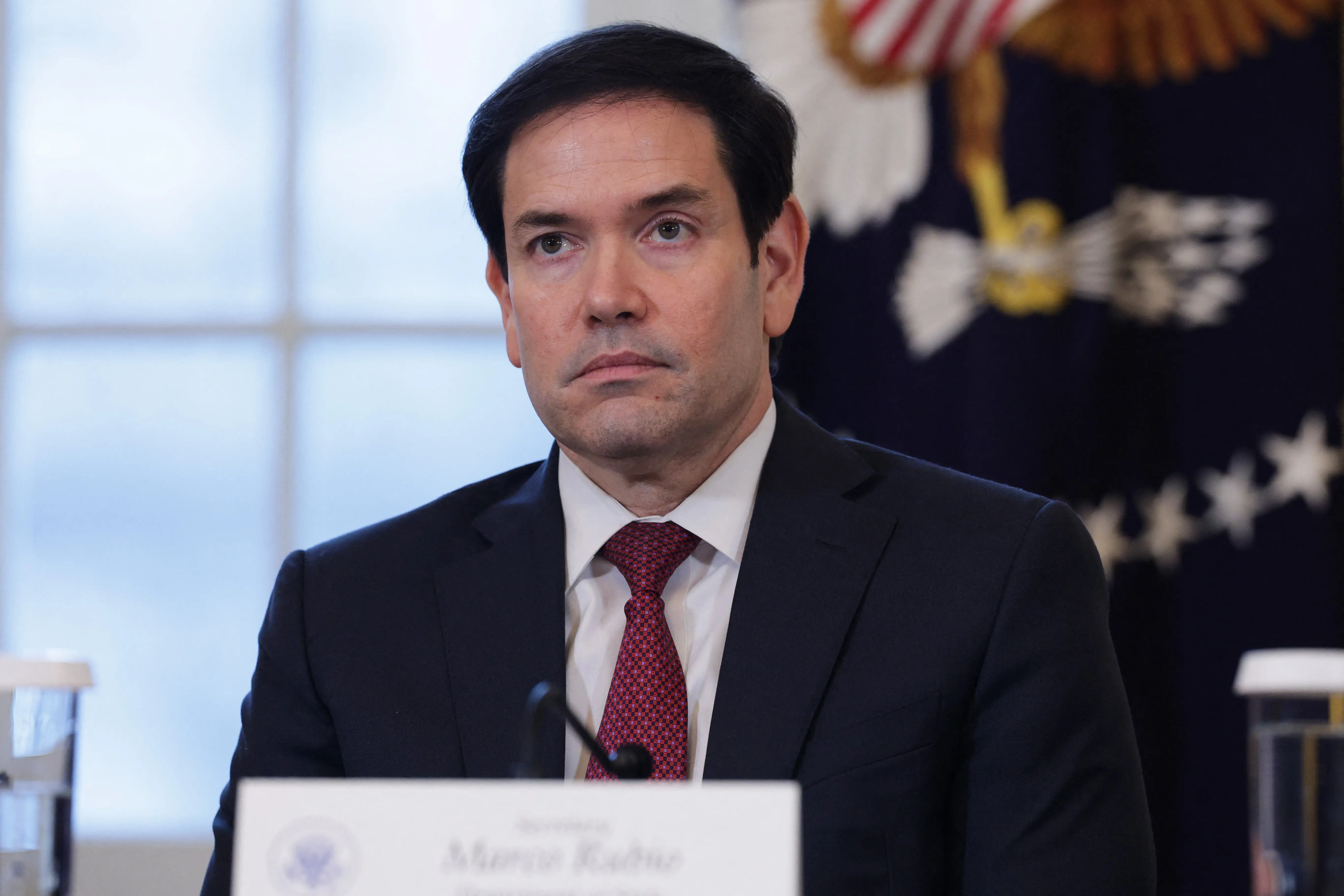
India is hosting the Quad Foreign Ministers' Meeting on Tuesday (May 26) in New Delhi. Chaired by External Affairs Minister S Jaishankar, the meeting - first in India since 2023- will be attended by US Secretary of State Marco Rubio, Australian Foreign Minister Penny Wong, and Japanese Foreign Minister Toshimitsu Motegi. One of the Quad's key focuses has been the Indo-Pacific, where China was seen as a key player and focus of deliberations of the group formally called the Quadrilateral Security Dialogue. But this year, the meeting is happening against two backdrops that affect all Quad members in some manner: the Iran war and the US-China rapprochement. The meeting takes place days after the summit between US President Donald Trump and Chinese counterpart Xi Jinping. This might possibly change the strategic context of the Quad meeting, according to several analyses.
Trump downplayed frictions with China. How will Quad view this?
One aspect being reported is that Rubio, who arrived in New Delhi after accompanying Trump to Beijing, would seek to reassure India, Japan and Australia that the US continues to be committed to the Indo-Pacific despite Trump's clear push to downplay security friction with China. The Trump-Xi summit, in reality, did not yield much despite the talk of the emergence of a "G2" — China and the US. This so-far imagined alignment is a situation where China and the US would partition spheres of influence and sideline India, but no major development happened at the summit to point in that direction. This means the status quo in the region is more or less intact, as the summit was mostly transactional, with some trade deals signed or promised.
Also read: Marco Rubio lands in India's Kolkata for first official visit; QUAD talks and trade high on agenda
Quad is not dead, but…
India's concerns about a possible US-China rapprochement have subsided as the undercurrents of US-China competition across various sectors remain intact. Observers from think tanks like the Eurasia Review provided the 'Quad is not dead' argument. However, they noted that the grouping has lost some of its initial political bite. The formulations about a "free and open Indo-Pacific" — emphasising freedom of navigation and undisrupted trade flows — might remain unchanged, but whether the Quad will reassert it in strong language remains to be seen.
Trending Stories
&imwidth=280&imheight=210&format=webp&quality=medium)
&imwidth=280&imheight=210&format=webp&quality=medium)
&imwidth=280&imheight=210&format=webp&quality=medium)
&imwidth=280&imheight=210&format=webp&quality=medium)
&imwidth=280&imheight=210&format=webp&quality=medium)
&imwidth=280&imheight=210&format=webp&quality=medium)
&imwidth=280&imheight=210&format=webp&quality=medium)
&imwidth=280&imheight=210&format=webp&quality=medium)
&imwidth=280&imheight=210&format=webp&quality=medium)
&imwidth=280&imheight=210&format=webp&quality=medium)
&imwidth=280&imheight=210&format=webp&quality=medium)
&imwidth=280&imheight=210&format=webp&quality=medium)
&imwidth=280&imheight=210&format=webp&quality=medium)
&imwidth=280&imheight=210&format=webp&quality=medium)
&imwidth=280&imheight=210&format=webp&quality=medium)
&imwidth=280&imheight=210&format=webp&quality=medium)
&imwidth=280&imheight=210&format=webp&quality=medium)
&imwidth=280&imheight=210&format=webp&quality=medium)
&imwidth=280&imheight=210&format=webp&quality=medium)
&imwidth=280&imheight=210&format=webp&quality=medium)
&imwidth=280&imheight=210&format=webp&quality=medium)
&imwidth=280&imheight=210&format=webp&quality=medium)
&imwidth=280&imheight=210&format=webp&quality=medium)
&imwidth=280&imheight=210&format=webp&quality=medium)
&imwidth=280&imheight=210&format=webp&quality=medium)
&im=FitAndFill=(700,400)&imwidth=280&imheight=210&format=webp&quality=medium)
&im=FitAndFill=(700,400)&imwidth=280&imheight=210&format=webp&quality=medium)
&imwidth=280&imheight=210&format=webp&quality=medium)
&imwidth=280&imheight=210&format=webp&quality=medium)
&imwidth=280&imheight=210&format=webp&quality=medium)
&imwidth=280&imheight=210&format=webp&quality=medium)
&imwidth=280&imheight=210&format=webp&quality=medium)
&imwidth=280&imheight=210&format=webp&quality=medium)
&imwidth=280&imheight=210&format=webp&quality=medium)
&imwidth=280&imheight=210&format=webp&quality=medium)
China's diplomatic moves can't go unnoticed in Quad meetings
The Quad meeting is happening in the wake of intense diplomatic activity involving Xi, which essentially saw US adversaries visiting China. This included Russian President Vladimir Putin (amid the Ukraine war), senior Iranian officials (amid the Iran-US war), and Pakistani leaders (amid continuing India-Pakistan tensions). China, in essence, is hosting several leaders seen as adversarial to the US and some members of the Quad.
Quad countries are feeling the pinch of Hormuz disruptions caused by Iran war
It is not clear if the Iran war and the ongoing economic strain caused by global maritime disruptions like the Strait of Hormuz tensions would be part of the language of negotiations or the communiqué of the Quad foreign ministers. While its focus is mainly on the Indo-Pacific, the Quad had explicitly discussed supply chains and maritime security in the past. Those aspects remain highly relevant for the current meeting.
Quad language will be watched closely
The Delhi Quad meeting will be watched for the language that emerges from deliberations in the context of the above factors. This is going to be the first test of how the US can channel regional allies to adapt to the second Trump administration's off-again, on-again approach to Beijing.
The main deliberations are likely to be on maintaining a free and open Indo-Pacific, maritime security, and addressing the ongoing crisis in West Asia. Beyond the multilateral session, the visiting foreign ministers are holding bilateral talks with Indian officials and calling on Prime Minister Narendra Modi. The meeting will lay the groundwork and roadmap for the upcoming Quad Leaders' Summit later this year.
It will likely discuss critical minerals and supply chain resilience, maritime security, humanitarian assistance and disaster relief, infrastructure, and connectivity. Emerging technologies, cyber, health security, and counter-terrorism are also likely topics for discussion.
The meeting will also review past work on vaccines, infrastructure, and maritime domain awareness.