Pakistan-Afghanistan ‘temporarily’ halt strikes to mark Eid, but Islamabad warns strong response if Kabul shows aggression

&imwidth=600&imheight=450&format=webp&quality=medium "Pakistan-Afghanistan ‘temporarily’ halt strikes to mark Eid, but Islamabad warns strong response if Kabul shows aggression")
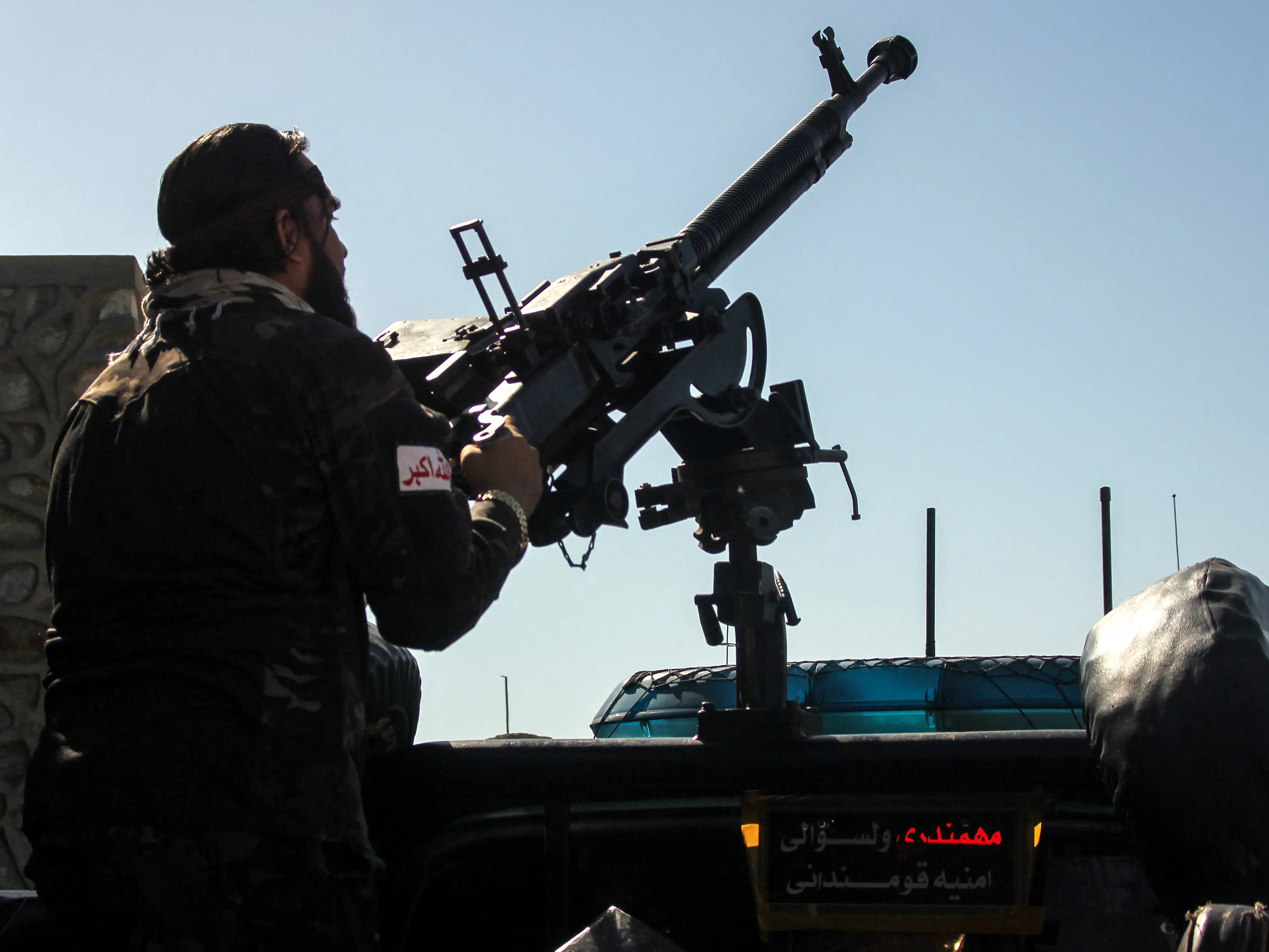
A Taliban security personnel manning a gun sits in the back of a vehicle amid the ongoing clashes between Afghanistan and Pakistani forces in the Momand Dara district of Nangarhar province on March 13, 2026. Photograph: (AFP)
Pakistan and Afghanistan agreed to a five-day Eid ceasefire following a deadly Pakistani airstrike in Kabul. Despite the pause, both nations maintain a high military alert amid vows of retaliation.
Days after the escalating tensions sparked by a controversial airstrike in Kabul, Pakistan and Afghanistan have agreed to a “temporary pause” in hostilities to mark Eid al-Fitr. The ceasefire, announced on Wednesday (March 18), is scheduled from Thursday to Monday. It came after one of the deadliest episodes in the recent standoff. Pakistani aircraft reportedly struck a drug rehabilitation facility in the Afghan capital late Monday (March 16), with Taliban officials claiming nearly 400 fatalities and over 200 injuries. Islamabad has denied intentionally targeting civilians, but the high casualty count and the nature of the site have drawn sharp criticism and intensified global scrutiny.
‘Gesture in good faith’ or strategic pause?
Pakistan’s Information Minister Attaullah Tarar said the pause was requested by “brotherly Islamic countries” including Saudi Arabia, Qatar and Turkey. “Pakistan offers this gesture in good faith and in keeping with the Islamic norms,” he wrote on X.
But, he also issued a firm warning, stating that any cross-border aggression, drone strike, or terror-related incident inside Pakistan would lead to an immediate and stronger military response. The conditional tone of the ceasefire has prompted debate over whether it signals genuine de-escalation or a calculated move to ease mounting international pressure after the Kabul strike.
Kabul vows revenge, signals unease
Trending Stories
&imwidth=280&imheight=210&format=webp&quality=medium)
&imwidth=280&imheight=210&format=webp&quality=medium)
&imwidth=280&imheight=210&format=webp&quality=medium)
&imwidth=280&imheight=210&format=webp&quality=medium)
&imwidth=280&imheight=210&format=webp&quality=medium)
&imwidth=280&imheight=210&format=webp&quality=medium)
&imwidth=280&imheight=210&format=webp&quality=medium)
&imwidth=280&imheight=210&format=webp&quality=medium)
&imwidth=280&imheight=210&format=webp&quality=medium)
&imwidth=280&imheight=210&format=webp&quality=medium)
&imwidth=280&imheight=210&format=webp&quality=medium)
&imwidth=280&imheight=210&format=webp&quality=medium)
&imwidth=280&imheight=210&format=webp&quality=medium)
&imwidth=280&imheight=210&format=webp&quality=medium)
&im=FitAndFill=(700,400)&imwidth=280&imheight=210&format=webp&quality=medium)
&imwidth=280&imheight=210&format=webp&quality=medium)
&imwidth=280&imheight=210&format=webp&quality=medium)
&imwidth=280&imheight=210&format=webp&quality=medium)
&imwidth=280&imheight=210&format=webp&quality=medium)
&imwidth=280&imheight=210&format=webp&quality=medium)
&imwidth=280&imheight=210&format=webp&quality=medium)
&imwidth=280&imheight=210&format=webp&quality=medium)
&imwidth=280&imheight=210&format=webp&quality=medium)
&imwidth=280&imheight=210&format=webp&quality=medium)
&imwidth=280&imheight=210&format=webp&quality=medium)
&imwidth=280&imheight=210&format=webp&quality=medium)
&imwidth=280&imheight=210&format=webp&quality=medium)
&imwidth=280&imheight=210&format=webp&quality=medium)
&imwidth=280&imheight=210&format=webp&quality=medium)
&imwidth=280&imheight=210&format=webp&quality=medium)
&imwidth=280&imheight=210&format=webp&quality=medium)
Afghanistan also announced a temporary suspension of fighting during Eid, saying it would halt what it described as defensive actions against aggression, following appeals from the same Gulf nations. Despite this, anger remains evident within the Taliban leadership.
Speaking at a mass funeral, Afghan Interior Minister Sirajuddin Haqqani denounced the strike, describing those killed as innocent civilians and branding the attackers as criminals. He warned that retaliation would follow, asserting that Afghanistan is neither weak nor powerless and that those responsible would face consequences.
While he indicated a willingness to pursue diplomatic solutions, Haqqani stressed that the incident represents a serious escalation. He reiterated that Afghanistan does not seek conflict but acknowledged that circumstances have brought the situation to a critical point.

