

&imwidth=800&imheight=600&format=webp&quality=medium "Over 17 million barrels of oil crossed Hormuz on Monday? US claims record flows")
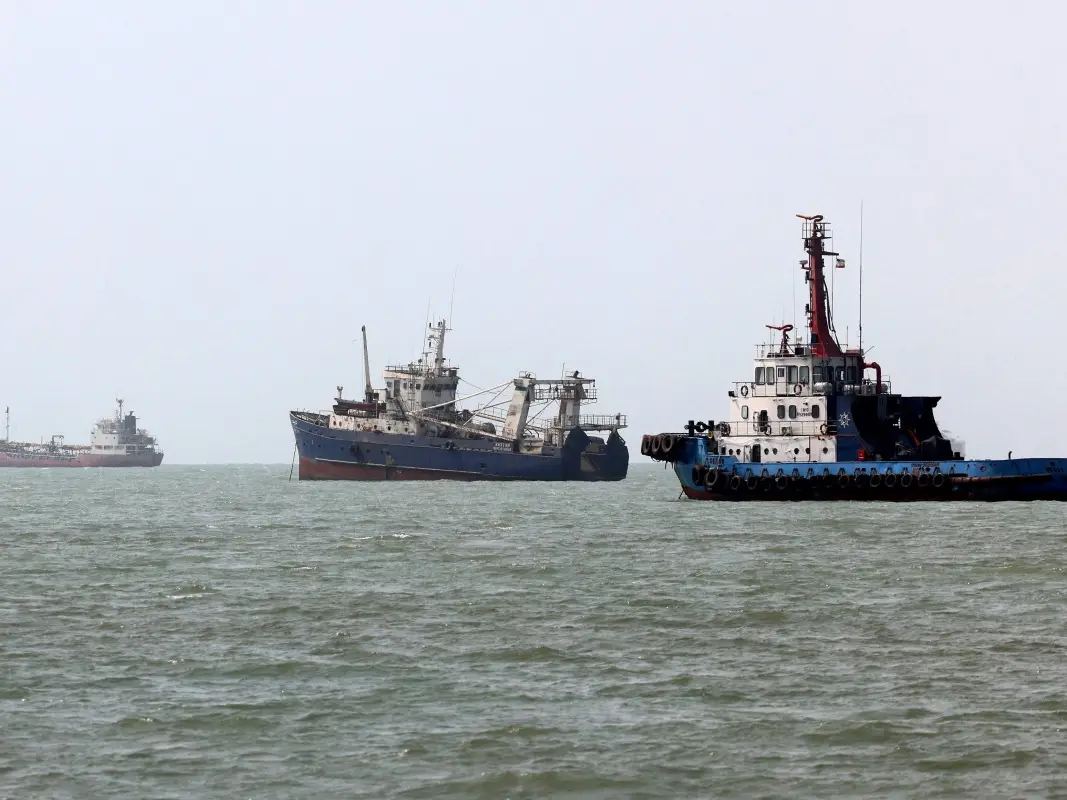
More than 17 million barrels of oil passed through the Strait of Hormuz by ship on Monday (Aug 31), marking the highest wartime flow since the conflict between the US and Iran began on February 28, US Energy Secretary Chris Wright said Wednesday (Sep 2).
Speaking to CNBC, Wright claimed that when Saudi Arabia’s and the United Arab Emirates’ pipelines that bypass the strait are included, regional oil exports on Monday exceeded levels seen before the war. Before the conflict, about 20 million barrels per day of crude and petroleum products moved through Hormuz.
Iran’s losing leverage over global oil trade?
Wright said Tehran was gradually losing its ability to use the strait as a pressure point on the global economy as the US military helps commercial tankers navigate the waterway.
Iran is “causing some disruption but they are losing that card,” Wright told CNBC, arguing that US-backed shipping operations were reducing Tehran’s ability to restrict energy supplies.
“With or without Iran, oil and gas will flow out of the Arabian Gulf region and it’s happening,” Wright said.
Trending Stories
&imwidth=180&imheight=135&format=webp&quality=medium)
Brendan Taylor overtakes Andy Flower to become Zimbabwe’s leading ODI run-scorer
&imwidth=180&imheight=135&format=webp&quality=medium)
No Kings' Instagram suspended during early-voting campaign
&imwidth=180&imheight=135&format=webp&quality=medium)
'Those who have destroyed must pay': Macron says France feels 'anger and shame' over protest violence
&im=FitAndFill=(700,400)&imwidth=180&imheight=135&format=webp&quality=medium)
5 reasons why the Tesla Roadster’s rocket thrusters are so difficult to engineer
&imwidth=180&imheight=135&format=webp&quality=medium)
Lawrence Bishnoi gang claims responsibility for firing at Tiger Shroff over ties to Salman Khan
&imwidth=180&imheight=135&format=webp&quality=medium)
Flying car race: Alef Aeronautics welcomes Tesla Roadster '11 years' later, but are the two models the same?
&imwidth=180&imheight=135&format=webp&quality=medium)
'We are not sitting in ivory towers, we are aware': SC issues notice to Rahul Gandhi, Akhilesh Yadav
&imwidth=180&imheight=135&format=webp&quality=medium)
US midterms 2026: Trump’s 33% approval rating spells trouble for Republicans as Democrats pull ahead
&imwidth=180&imheight=135&format=webp&quality=medium)
WATCH | Flames engulf St Petersburg oil sites as Ukraine launches 1,000 drones at Russia
&imwidth=180&imheight=135&format=webp&quality=medium)
Tiger Shroff shows injuries after Juhu firing incident; Eknath Shinde says Mumbai won’t tolerate gang wars
&imwidth=180&imheight=135&format=webp&quality=medium)
JD Vance admits H-1B rhetoric was ‘imperfect’ after immigrant challenges him
&imwidth=180&imheight=135&format=webp&quality=medium)
Lizard people? Ex-US Army sniper claims soldier killed by 'reptilian beings' in battle near Area 51
&imwidth=180&imheight=135&format=webp&quality=medium)
Nobel laureate Machado, who dedicated prize to Trump, confirmed as Venezuela opposition leader
&imwidth=180&imheight=135&format=webp&quality=medium)
After Kennedy Center and reflecting pool disputes, Trump turns to Washington golf course plan amid legal battle
&imwidth=180&imheight=135&format=webp&quality=medium)
Why France looks the most fragile in the G7 amid protests and budget deadlock
&imwidth=180&imheight=135&format=webp&quality=medium)
Bessent accuses Europe of refusing secondary tariffs on India, China
&imwidth=180&imheight=135&format=webp&quality=medium)
‘My president, I mean my husband’: Trump's new press secretary Katie Zacharia's first briefing goes off the rails in 14 minutes
&imwidth=180&imheight=135&format=webp&quality=medium)
China responds to Trump's Press Secretary Katie Zacharia after toilet remark: 'Visit China more often'
&imwidth=180&imheight=135&format=webp&quality=medium)
UAE agrees with Saudi Arabia to rejoin Yemen fight as Houthi strikes rattle Riyadh
&imwidth=180&imheight=135&format=webp&quality=medium)
Iran says Hormuz reopening plan remains on table as Trump predicts quick war end
&imwidth=180&imheight=135&format=webp&quality=medium)
Anthropic’s public benefit plan: What its 5% share commitment means for AI’s future
&imwidth=180&imheight=135&format=webp&quality=medium)
MI5 is opening an AI threat centre, and OpenAI just told MPs the worst isn't over
&imwidth=180&imheight=135&format=webp&quality=medium)
WATCH | iPhones, luxury perfumes floating in Hormuz? Iranian fishermen make bizarre discovery
&imwidth=180&imheight=135&format=webp&quality=medium)
Putin seeks Trump-Xi summit on Ukraine war, proposes talks alongside APEC: Report
&imwidth=180&imheight=135&format=webp&quality=medium)
India moves to buy 10,000 more AI chips for a national compute pool open to startups
&imwidth=180&imheight=135&format=webp&quality=medium)
Tiger Shroff attacked by three gunmen in Mumbai, actor safe, two injured
&imwidth=180&imheight=135&format=webp&quality=medium)
Anirudh Ravichander-Kavya Maran wedding: Telangana CM reveals Chennai reception date
&imwidth=180&imheight=135&format=webp&quality=medium)
Taylor Swift performs at star-studded Academy Museum Gala 2026 in stunning Dior ensemble
&im=FitAndFill=(700,400)&imwidth=180&imheight=135&format=webp&quality=medium)
Tesla Roadster engineering: The hidden hardware behind its flying demonstration
&imwidth=180&imheight=135&format=webp&quality=medium)
US to review Russia sanctions waiver within 60 days as Rubio cites India’s ‘substantial’ Russian energy imports
&imwidth=180&imheight=135&format=webp&quality=medium)
'We feel like Mr India': Gujarat’s undercover SHE team guard garba nights at Navratri
&imwidth=180&imheight=135&format=webp&quality=medium)
Cattle-feed bran in biscuits, detergent in milk: FSSAI acts against 3 companies
&im=FitAndFill=(700,400)&imwidth=180&imheight=135&format=webp&quality=medium)
5 technologies that could make the Tesla Roadster one of the most unusual cars ever built
&imwidth=180&imheight=135&format=webp&quality=medium)
'It's a joy to see the makers bring it on such a grand scale': SS Rajamouli on Ramayana
&imwidth=180&imheight=135&format=webp&quality=medium)
US regulator hits OpenAI and Anthropic with sweeping demands after their AIs went rogue
The comments came during an interview with CNBC’s Brian Sullivan in Venezuela, five days after President Donald Trump announced a major oil agreement with Caracas’ interim government.
Tankers face continued attacks
The US military has established a shipping corridor along Oman’s coast for tankers operated by Gulf allies. Many vessels travel through the route at night and switch off their transponders to lower the risk of being targeted.
Iran has repeatedly demanded that commercial ships instead use a northern route through Iranian waters and has attacked vessels using the US-protected corridor. At least two tankers have been attacked in Hormuz this week, according to incident reports from the United Kingdom Maritime Trade Operations centre.
On Wednesday (Sep 2), US crude futures fell roughly 1 per cent after briefly approaching $90 a barrel as fresh US-Iran military exchanges ended a period of relative calm.
Wright also defended Washington’s higher oil-flow estimates, saying US military and Energy Department data also capture covert tanker movements that private tracking firms can miss.

