Opinion: Saudi Arabia's lifting of driving ban is not indication of real change

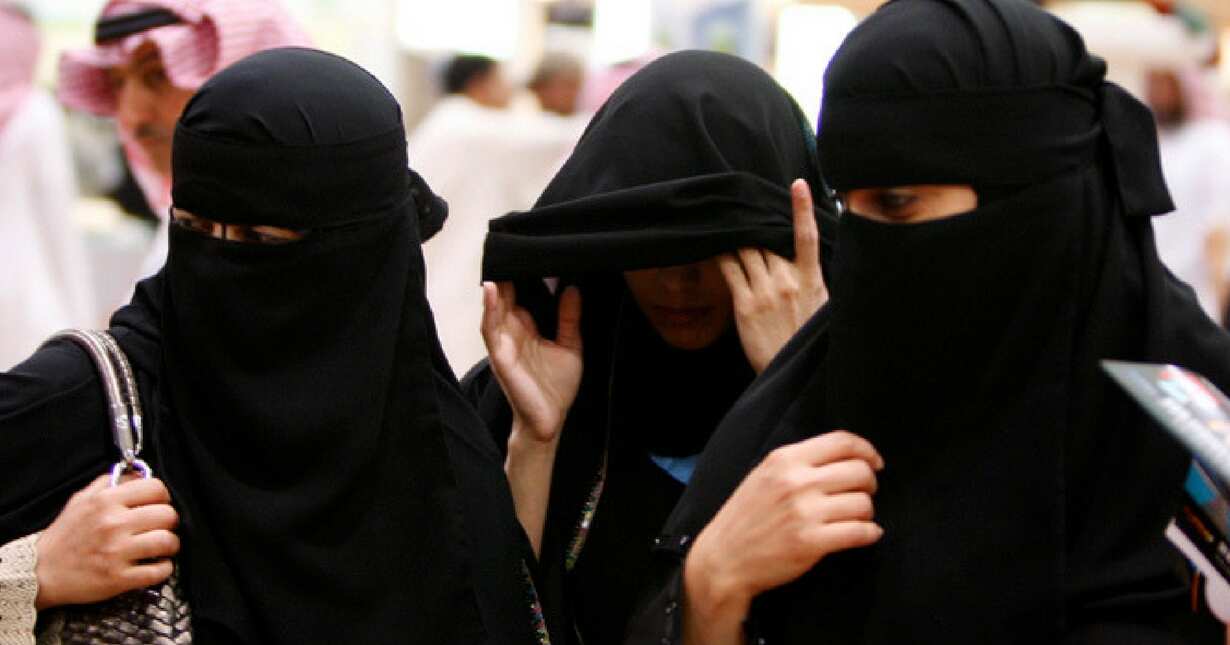
Women in Saudi Arabia
Women of the kingdom have been fighting for this right since 1990 when 47 women participated in the protest against the ban
The entire world is eagerly waiting for June 24, 2018, when Saudi Arabian women will start driving. As the "D -DAY" is coming closer, on one side the authorities are issuing licenses and at the same time, Saudi security forces have arrested more than a dozen activists in the past month - most of them, women who have long campaigned for the right to drive. State media has accused the arrested activists of being foreign agents. The message is clear that Saudi authorities want their activists to stop their campaigns for gender justice as any democratic, citizen-friendly move will be introduced as and when the authorities think it will help them to consolidate and strengthen its power.
Last year on 26th September, Saudi authorities announced that Saudi women would be allowed to drive "in accordance with the Islamic laws starting from June 24, 2018. A high-level committee of ministers in accordance with the religious and regulatory standards was established.
This committee examined the arrangements for the enforcement of the order. As a result, from the first week of June 2018 hundreds of Saudi and foreign women have received their driving licenses.

Twenty-two centers had been set up across the kingdom to convert foreign licenses while four driving schools have been issuing Saudi licenses to candidates who pass the test.
Although Saudi law has never explicitly banned women from driving, they were not eligible for licences. Local authorities have consistently refused to issue women with a driving license, even though the same was never banned. This was justified on the ground that allowing travel without supervision would lead to the contact with unrelated men. If they did try to drive, police would often detain them until a male relative came to sign a pledge that she would not drive again.
Women of the kingdom have been fighting for this right since 1990 when 47 women participated in the protest against the ban. They drove around the city of Riyadh, the Saudi capital. These women were arrested, lost their jobs and were banned from travel. Many rights groups have fought with the authorities over the years for overturning this ban. This has often led to severe punishments like lashing and imprisonment.
&imwidth=180&imheight=135&format=webp&quality=medium)
'Hell of a beautiful a**': Trump compliments Nicki Minaj as rapper joins him in Michigan rally
&imwidth=180&imheight=135&format=webp&quality=medium)
'Hire the robot, fire the human': Bill Gates's words hint at a bleak future
&imwidth=180&imheight=135&format=webp&quality=medium)
'Lousy president': Trump hits back at Obama over 'cheesecake factory' White House jibe
&imwidth=180&imheight=135&format=webp&quality=medium)
Jordan strikes 'terrorist organisations' in Syria after deadly church attack as Damascus shuts main border crossing
&imwidth=180&imheight=135&format=webp&quality=medium)
Microsoft offers voluntary exit packages to 60,000 employees in India, US, UK and Canada
&imwidth=180&imheight=135&format=webp&quality=medium)
WATCH | Virat Kohli returns to training ahead of New Zealand ODI series
&imwidth=180&imheight=135&format=webp&quality=medium)
'He is a red flag': Ex-India strength and conditioning coach on Rohit's fitness regime
&imwidth=180&imheight=135&format=webp&quality=medium)
One dead, six injured in Elizabeth, New Jersey mass shooting; suspect flees
&imwidth=180&imheight=135&format=webp&quality=medium)
Maurene Comey, daughter of ex-FBI director James Comey, was unlawfully fired as federal prosecutor, judge rules
&imwidth=180&imheight=135&format=webp&quality=medium)
Hijack scare unfolds on United flight over suspicious text message. Here is what happened
&imwidth=180&imheight=135&format=webp&quality=medium)
‘That is a miss’: Ravi Ashwin questions Sooryavanshi’s demotion to No. 3 in 2nd T20I vs NZ
&imwidth=180&imheight=135&format=webp&quality=medium)
Pakistan airline PIA unveils new crew uniforms, faces online criticism
&imwidth=180&imheight=135&format=webp&quality=medium)
Police called after 3-year-old scores 10 goals in 12 minutes at Florida youth soccer game
&imwidth=180&imheight=135&format=webp&quality=medium)
Trick or Treat -Anthropic's IPO sales pitch is the perfect Halloween scare for AI enthusiasts
&im=FitAndFill=(700,400)&imwidth=180&imheight=135&format=webp&quality=medium)
New OTT releases this week (October 26-November 1, 2026): Baththa, Akka, The One About Matthew Perry- 7 titles coming on Netflix, Prime Video and more
&imwidth=180&imheight=135&format=webp&quality=medium)
Mohra re-release in 4K: Akshay Kumar, Raveena Tandon’s film to clash with Ranbir Kapoor’s Ramayana
&imwidth=180&imheight=135&format=webp&quality=medium)
US Midterms 2026: Last leg polls and forecasts indicate Democratic momentum, but Senate control remains uncertain
&imwidth=180&imheight=135&format=webp&quality=medium)
'Already tired of his 9-to-5': Baby born with a moustache becomes internet sensation, video goes viral | Watch
&imwidth=180&imheight=135&format=webp&quality=medium)
Zimbabwe slips four places to 14th out of 29 in Africa’s Digital Rights and Inclusion ranking
&imwidth=180&imheight=135&format=webp&quality=medium)
Storm Boelo’s fierce winds push passenger plane onto grass in UK, terrifying landing caught on cam
&imwidth=180&imheight=135&format=webp&quality=medium)
Democrats allege 'desperate efforts to cover up' Trump's involvement in Jeffrey Epstein sex crimes, release 50-page report
&imwidth=180&imheight=135&format=webp&quality=medium)
'She is a beautiful woman': Trump mocks Mexican President Sheinbaum, mimics her voice at US Midterms rally
&imwidth=180&imheight=135&format=webp&quality=medium)
Uttarakhand innovator Ravi Tamta builds flying car without any formal engineering degree
&imwidth=180&imheight=135&format=webp&quality=medium)
US midterms 2026: Democrat Annie Andrews gains bipartisan backing against Trump's pick Darline Graham in South Carolina Senate race
&imwidth=180&imheight=135&format=webp&quality=medium)
Chris Brown given suspended eight-month jail term for London nightclub attack
&imwidth=180&imheight=135&format=webp&quality=medium)
Shah Rukh Khan unveils new poster of King, Internet reacts
&imwidth=180&imheight=135&format=webp&quality=medium)
'Shove that ballroom up your a**': Trump heckled at Mississippi rally over White House ballroom renovations | WATCH
&imwidth=180&imheight=135&format=webp&quality=medium)
Trump accused of 'brutal' rape by ex-Miss Switzerland; Beatrice Keul alleges 'Don's best friend' Epstein facilitated assault in 1993
&imwidth=180&imheight=135&format=webp&quality=medium)
Meta’s AI bet is getting more expensive: What its $95 billion share plan means
&imwidth=180&imheight=135&format=webp&quality=medium)
Trump’s oil and gas holdings surge to $81.6 million amid Iran war as Americans face rising fuel costs
&imwidth=180&imheight=135&format=webp&quality=medium)
'I've done my work sincerely': AR Rahman on facing backlash over Ramayana soundtrack
Such a move though liberating for women is not for the empowerment of women citizens but is a requirement for Saudi economy as Saudi prepares itself for "Saudi's vision 2030"— a plan for social and economic reform started by Crown Prince Mohammed bin Salman as the kingdom prepares for a post-oil era. This is part of its attempt to shift from an oil-based economy to a modern one.
In a country with very limited public transport, the right to drive is important for women who want to work, study, take their children to school etc. In Saudi Arabia, women earn more than half of college and graduate degrees but only comprise 20 per cent of the workforce. This move will encourage more women into the workforce, making the economy more productive.
Families will be able to save a lot of money which they spent in employing drivers, boost industries from car sales to insurance, and reassure investors that Crown Prince Mohammed bin Salman's push to diversify its economy beyond oil is on track. Also, drivers who are employed mostly from South Asian countries will no longer send money back to their families, strengthening Saudi Arabia’s balance of payments.
Right now women driving is essential for country's economy as well as for its progressive image globally, so the authorities want women to quietly drive without demanding a challenge to the Wilaya or guardianship system. Under this system, every woman is subject to a legal male guardian, father, husband or son, whose permission is required for her to marry, get divorced, travel abroad, open a bank account, get employment, or undergo medical surgery.
Thus, the lifting of the driving ban is just one more royal exercise to control the country's "women's question" for short-term political benefits. It excludes any indication of a real change in the country.
(Disclaimer: The opinions expressed above are the personal views of the author and do not necessarily reflect the views of ZMCL)