Oil prices hover around $100/bl as 22 tankers pass through Hormuz since ceasefire

&imwidth=600&imheight=450&format=webp&quality=medium "Oil prices hover around $100/bl as 22 tankers pass through Hormuz since ceasefire")
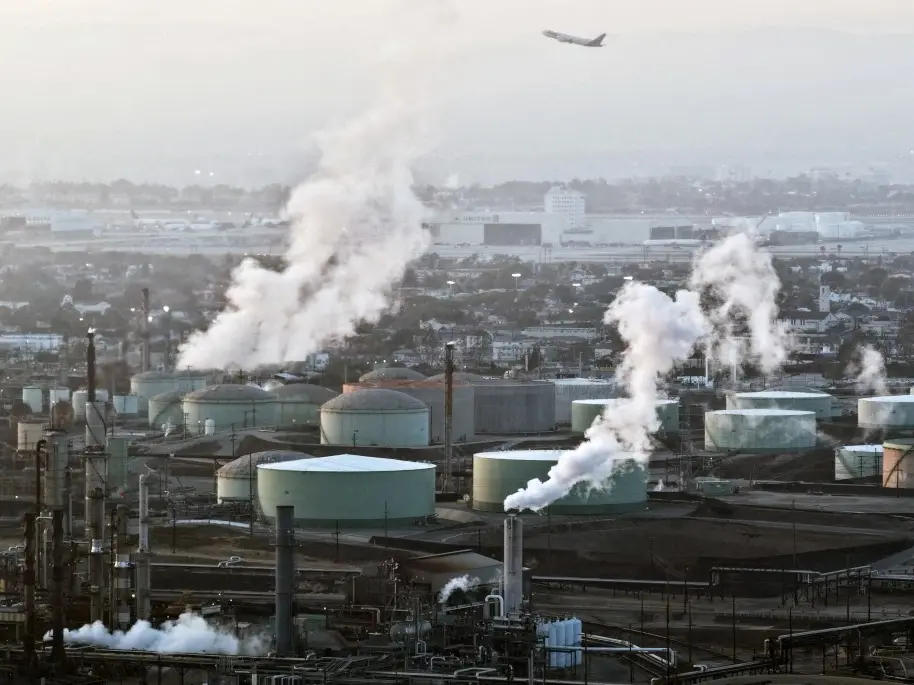
An aerial view shows the Chevron EL Segundo refinery, one of the largest petroleum processing facilities in California, as a plane takes off from LAXon April 8, 2026 as seen from above Manhattan Beach, California Photograph: (AFP)
Oil prices surge toward $100 per barrel as Strait of Hormuz traffic volume remains low despite the US-Iran ceasefire. The future of the oil market seems highly volatile, and the US is likely to be the beneficiary of it.
Oil prices have climbed back again to ~$100 per barrel as uncertainty looms over the negotiated cease-fire between the US and Iran. According to maritime data by global ship tracking firm MarineTraffic, a total of six ships travelled through the Hormuz on April 9, bringing the total number to 22 since the ceasefire was brokered. The Hormuz remains functionally open, but it operates like a “high-risk” exclusion zone.
On April 7 and April 8, following the ceasefire, a total of 11 and five ships transited through the Hormuz respectively. The oil prices plummeted following the announcement of a ceasefire. Brent crude for June delivery and WTI for May delivery retreated to the mid-$90s per barrel, alongside falling refined product prices. However, the oil and commodity analysts at the Standard Chartered agreed that the correction could be too deep and the prices could rise sharply at the news of any escalation. According to its forecast for the second quarter, Brent Crude will likely be around $98 per barrel, and WTI Crude will be at $92.50 per barrel. As of April 10, all the major oil indices, Brent, WTI, Murban, are moving upwards, hovering in the region of $97per barrel to $99 per barrel
The Strait of Hormuz accounts for 20 per cent of global oil trade. Among all the tankers that passed through the Strait of Hormuz between February 28 and April 9, 59 per cent are oil, chemical and gas tankers, while 37 per cent are cargo ships. A total of 212 ships have passed through Hormuz since the beginning of the war, among them 29 per cent were in the first two days. There are approximately 426 tankers stranded in the Strait at the moment.
Analysts predict that the Gulf countries are unlikely to settle with Iran's ability to assert that much force in the global energy supply, but momentarily concede just to clear the backlog. Meanwhile, Iran is planning its Hormuz toll, and US President Donald Trump is warning Iran that it had better not charge any "fees" to tankers. This is just after Trump conceded that the US have an idea where it will charge toll. Oman has denied any such arrangements of levying a toll, but the uncertainty around the technicality of the passage is also likely to weigh in on the spot and insurance prices.
The OPEC countries will also likely take considerable time to restore their production capacity, more than a month or so, if there are no further damages to the infrastructure. However, if there are further damages to the oil production capacity in the Gulf and to Russia in its war with Ukraine, it might redirect most of the consumers towards the US, since it has newly acquired reserves in Venezuela. It will consolidate US dominance in the short term as countries holding its debt will be dependent on it for energy needs.
Trending Stories
&im=FitAndFill=(700,400)&imwidth=280&imheight=210&format=webp&quality=medium)
&imwidth=280&imheight=210&format=webp&quality=medium)
&imwidth=280&imheight=210&format=webp&quality=medium)
&imwidth=280&imheight=210&format=webp&quality=medium)
&imwidth=280&imheight=210&format=webp&quality=medium)
&imwidth=280&imheight=210&format=webp&quality=medium)
&imwidth=280&imheight=210&format=webp&quality=medium)
&im=FitAndFill=(700,400)&imwidth=280&imheight=210&format=webp&quality=medium)
&imwidth=280&imheight=210&format=webp&quality=medium)
&imwidth=280&imheight=210&format=webp&quality=medium)
&imwidth=280&imheight=210&format=webp&quality=medium)
&imwidth=280&imheight=210&format=webp&quality=medium)
&imwidth=280&imheight=210&format=webp&quality=medium)
&imwidth=280&imheight=210&format=webp&quality=medium)
&imwidth=280&imheight=210&format=webp&quality=medium)
&im=FitAndFill=(700,400)&imwidth=280&imheight=210&format=webp&quality=medium)
&imwidth=280&imheight=210&format=webp&quality=medium)
&imwidth=280&imheight=210&format=webp&quality=medium)
&imwidth=280&imheight=210&format=webp&quality=medium)
&imwidth=280&imheight=210&format=webp&quality=medium)
&imwidth=280&imheight=210&format=webp&quality=medium)
&imwidth=280&imheight=210&format=webp&quality=medium)
&imwidth=280&imheight=210&format=webp&quality=medium)
&im=FitAndFill=(700,400)&imwidth=280&imheight=210&format=webp&quality=medium)
&imwidth=280&imheight=210&format=webp&quality=medium)
&imwidth=280&imheight=210&format=webp&quality=medium)
&imwidth=280&imheight=210&format=webp&quality=medium)
&imwidth=280&imheight=210&format=webp&quality=medium)
&imwidth=280&imheight=210&format=webp&quality=medium)
&imwidth=280&imheight=210&format=webp&quality=medium)
&imwidth=280&imheight=210&format=webp&quality=medium)
&imwidth=280&imheight=210&format=webp&quality=medium)
&imwidth=280&imheight=210&format=webp&quality=medium)
&imwidth=280&imheight=210&format=webp&quality=medium)