Norway to move under France’s nuclear umbrella: 5 reasons Europe’s defence calculus is shifting

&imwidth=600&imheight=450&format=webp&quality=medium "Norway to move under France’s nuclear umbrella: 5 reasons Europe’s defence calculus is shifting")
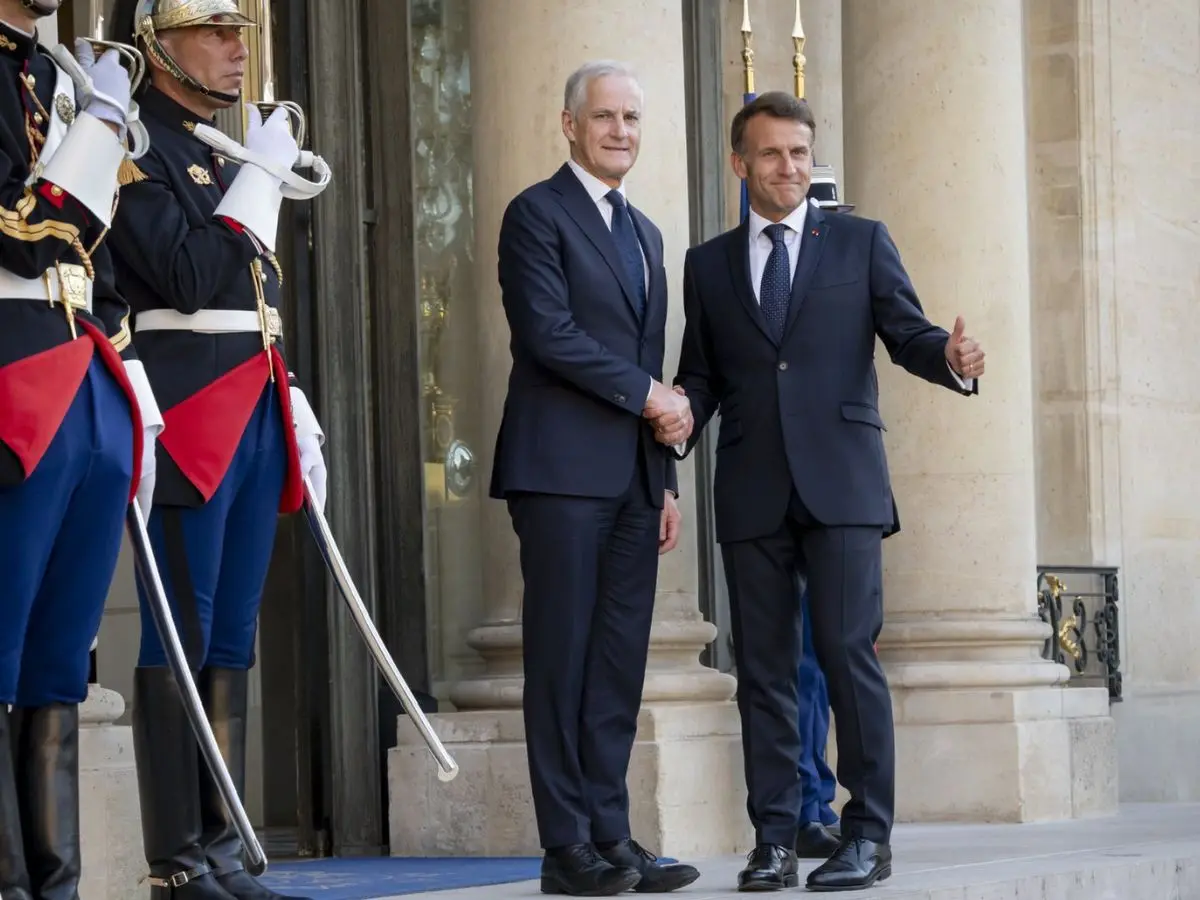
Norway to join France's nuclear umbrella as Europe rethinks defence Photograph: (@EmmanuelMacron/X)
The Nordic nation of 5.6 million inhabitants, historically among NATO’s most Atlanticist members, is signalling that Europe may require stronger internal defence mechanisms alongside existing NATO structures.
Norway’s decision to join France’s nuclear deterrence initiative reflects a wider shift in Europe’s defence strategy amid growing geopolitical instability. French President Emmanuel Macron and Norwegian Prime Minister Jonas Gahr Store announced in Paris that Oslo would become part of France’s ‘forward’ nuclear deterrence framework, aimed at strengthening continental security. According to Reuters, the agreement comes as European governments reassess defence priorities following Russia’s invasion of Ukraine and increasing concerns over regional security vulnerabilities.
1. Growing Doubts Over Long-Term US Security Commitments
European nations are increasingly questioning whether the United States will maintain the same level of military commitment to Europe in the years ahead. Reuters reported that Norway’s move reflects broader concerns about overdependence on Washington for strategic security guarantees. France’s nuclear umbrella is therefore being viewed as a European-led supplementary deterrent. The Nordic nation of 5.6 million inhabitants, historically among NATO’s most Atlanticist members, is signalling that Europe may require stronger internal defence mechanisms alongside existing NATO structures.
2. Russia’s Military Expansion Has Intensified European Security Concerns
Norwegian Prime Minister Jonas Gahr Store said Europe was facing its most serious security situation since the Second World War. Norway shares an Arctic border with Russia, making it strategically important for NATO and European defence planning. Moscow’s military expansion and the continuing war in Ukraine have accelerated defence cooperation across the continent.
Trending Stories
&imwidth=280&imheight=210&format=webp&quality=medium)
&imwidth=280&imheight=210&format=webp&quality=medium)
&imwidth=280&imheight=210&format=webp&quality=medium)
&imwidth=280&imheight=210&format=webp&quality=medium)
&imwidth=280&imheight=210&format=webp&quality=medium)
&imwidth=280&imheight=210&format=webp&quality=medium)
&imwidth=280&imheight=210&format=webp&quality=medium)
&imwidth=280&imheight=210&format=webp&quality=medium)
&imwidth=280&imheight=210&format=webp&quality=medium)
&imwidth=280&imheight=210&format=webp&quality=medium)
&imwidth=280&imheight=210&format=webp&quality=medium)
&imwidth=280&imheight=210&format=webp&quality=medium)
&imwidth=280&imheight=210&format=webp&quality=medium)
&imwidth=280&imheight=210&format=webp&quality=medium)
&imwidth=280&imheight=210&format=webp&quality=medium)
&imwidth=280&imheight=210&format=webp&quality=medium)
&imwidth=280&imheight=210&format=webp&quality=medium)
&imwidth=280&imheight=210&format=webp&quality=medium)
&imwidth=280&imheight=210&format=webp&quality=medium)
&imwidth=280&imheight=210&format=webp&quality=medium)
&imwidth=280&imheight=210&format=webp&quality=medium)
&imwidth=280&imheight=210&format=webp&quality=medium)
&imwidth=280&imheight=210&format=webp&quality=medium)
&imwidth=280&imheight=210&format=webp&quality=medium)
&imwidth=280&imheight=210&format=webp&quality=medium)
&imwidth=280&imheight=210&format=webp&quality=medium)
&imwidth=280&imheight=210&format=webp&quality=medium)
&imwidth=280&imheight=210&format=webp&quality=medium)
&imwidth=280&imheight=210&format=webp&quality=medium)
&imwidth=280&imheight=210&format=webp&quality=medium)
&imwidth=280&imheight=210&format=webp&quality=medium)
&imwidth=280&imheight=210&format=webp&quality=medium)
&imwidth=280&imheight=210&format=webp&quality=medium)
&imwidth=280&imheight=210&format=webp&quality=medium)
&imwidth=280&imheight=210&format=webp&quality=medium)
3. France Is the European Union’s Only Nuclear-Armed Nation
France has accelerated efforts to position itself at the centre of Europe’s strategic deterrence framework amid growing security concerns across the continent. In March, President Macron unveiled the ‘forward nuclear deterrence’ initiative, under which participating European countries can temporarily host French strategic air forces capable of carrying nuclear weapons. Macron said dispersing these forces across Europe would help “complicate the calculations of adversaries” and strengthen the protection of Allied territory. More than 80 per cent of its France's arsenal is submarine-launched, giving France one of Europe’s most survivable deterrent capabilities.
ALSO READ: Think this is the hottest it gets? UN report warns Earth could smash temperature records by 2030
4. Norway Is Expanding Defence Partnerships Across Europe
The agreement signed in Paris extends beyond nuclear policy and represents a broader defence partnership between France and Norway. Under France’s “forward deterrence” model, participating countries become more closely involved in strategic coordination and military planning. Reuters reported that Oslo is rapidly strengthening military cooperation with key European powers as part of a broader effort to reinforce regional security and deterrence structures.
5. Europe Is Seeking Greater Strategic Self-Reliance
The agreement also reflects Europe’s growing push for stronger internal defence capabilities alongside NATO. While the United States remains NATO’s leading military power, European governments are increasingly investing in regional defence arrangements to strengthen long-term strategic autonomy and preparedness. Before Norway joined, the programme already included Belgium, Denmark, Germany, Greece, the Netherlands, Poland, Sweden, Lithuania and the United Kingdom.
ALSO READ: Fake 'Cockroach Janta Party' Android app flagged as critical malware threat, report warns
6. No Nuclear Weapons Will Be Permanently Stationed in Norway
Despite joining the French-led framework, Norway clarified that no nuclear weapons would be stationed on its territory during peacetime. Reuters reported that Oslo continues to regard NATO and the United States as the foundation of its security architecture. French capabilities are instead being viewed as complementary to NATO’s broader deterrence posture rather than a replacement for American military protection.
France is currently the world’s fourth-largest nuclear power after Russia, the United States and China, underlining the strategic weight behind Macron’s expanding deterrence initiative. Russia and the US are the world's biggest nuclear powers, with over 5,000 nuclear warheads each. China is estimated to hold about 600, France has 290 and Britain 225, according to the Federation of American Scientists