No one is laughing at Trump at the UN this year - Is the world finally taking him more seriously?

&imwidth=600&imheight=450&format=webp&quality=medium "No one is laughing at Trump at the UN this year - Is the world finally taking him more seriously?")
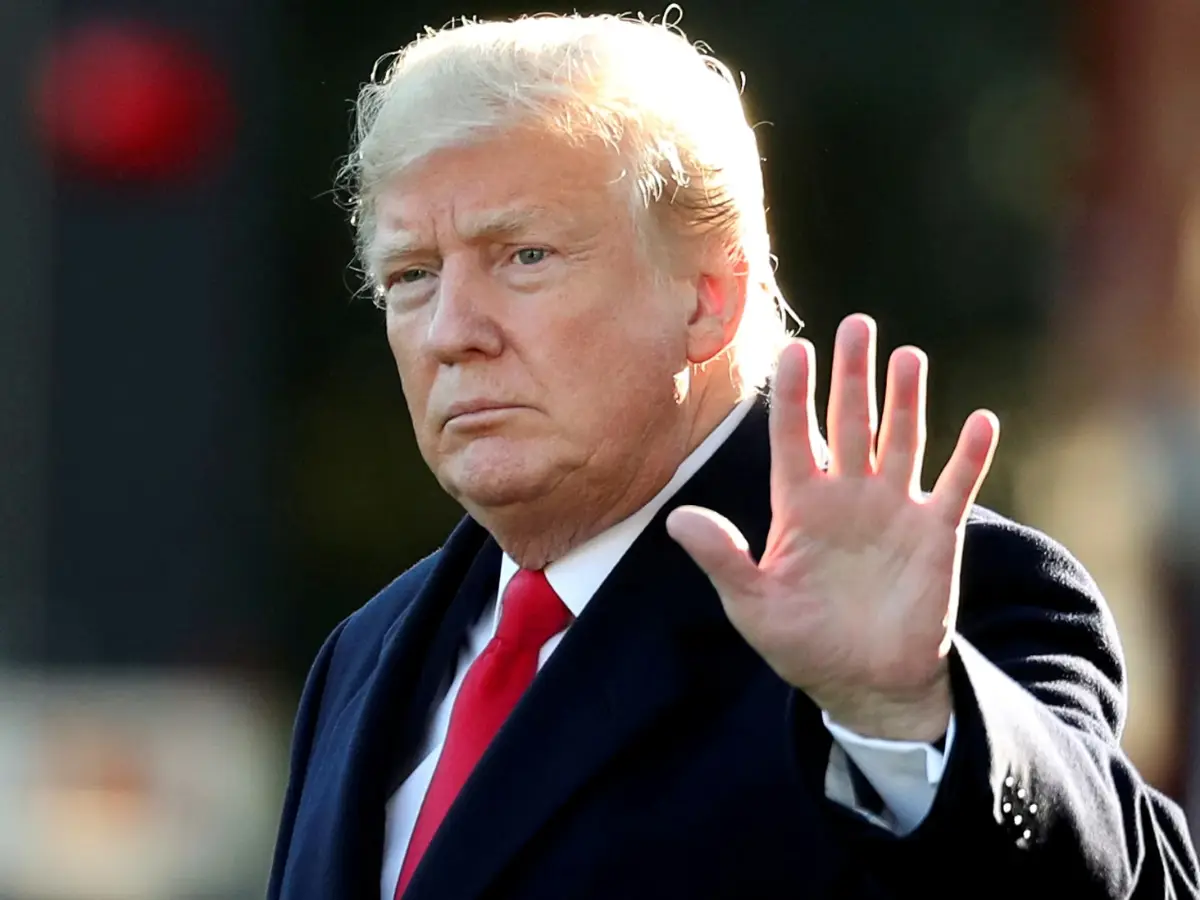
Donald Trump Photograph: (Reuters)
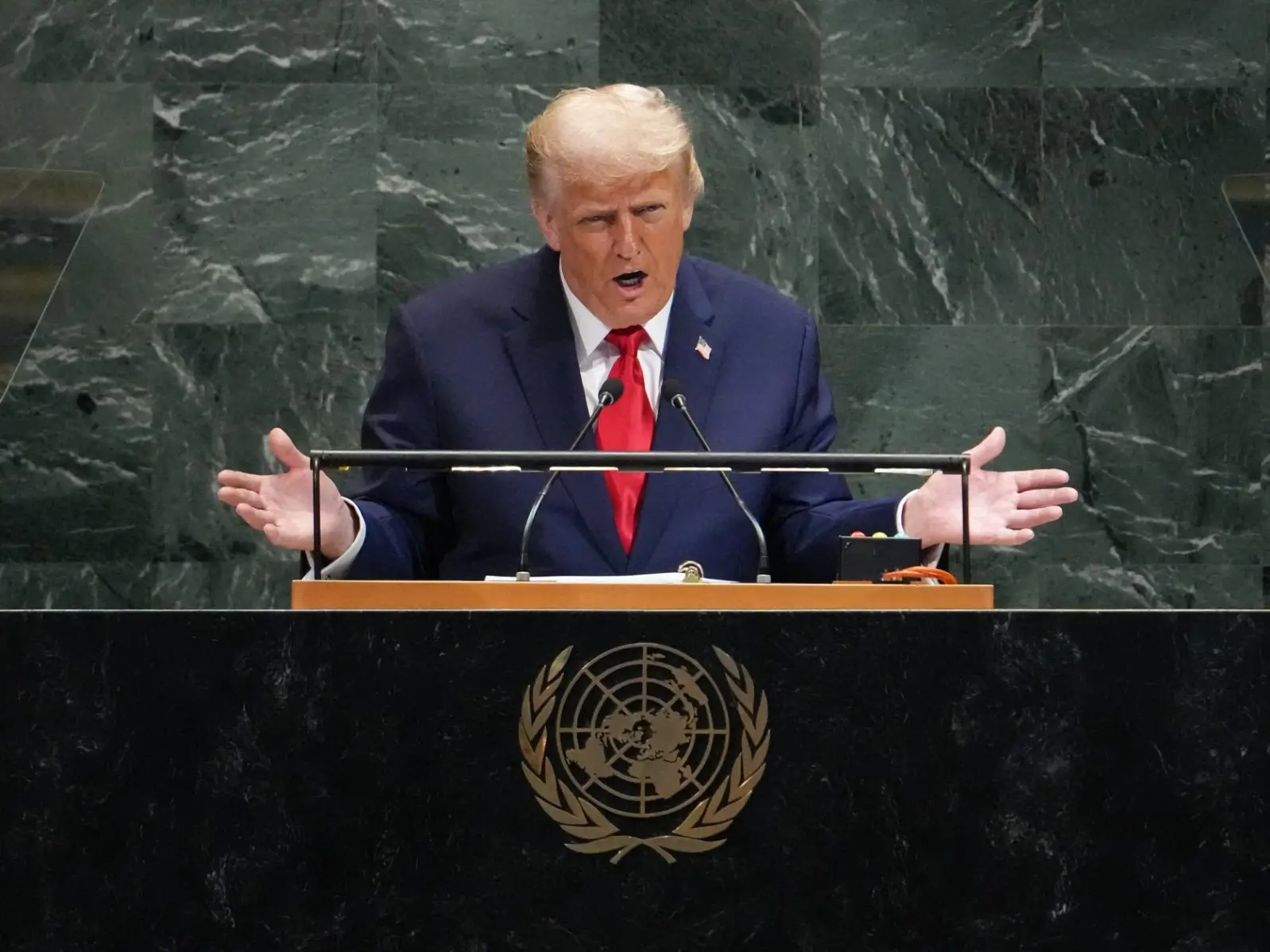
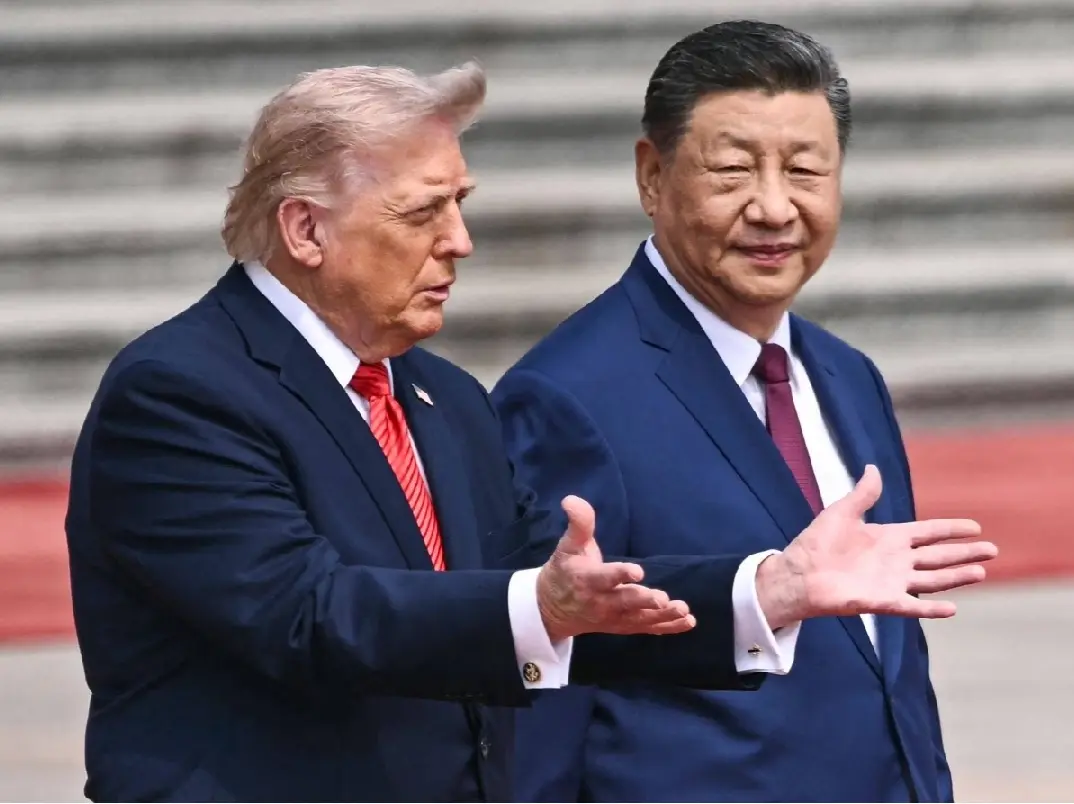
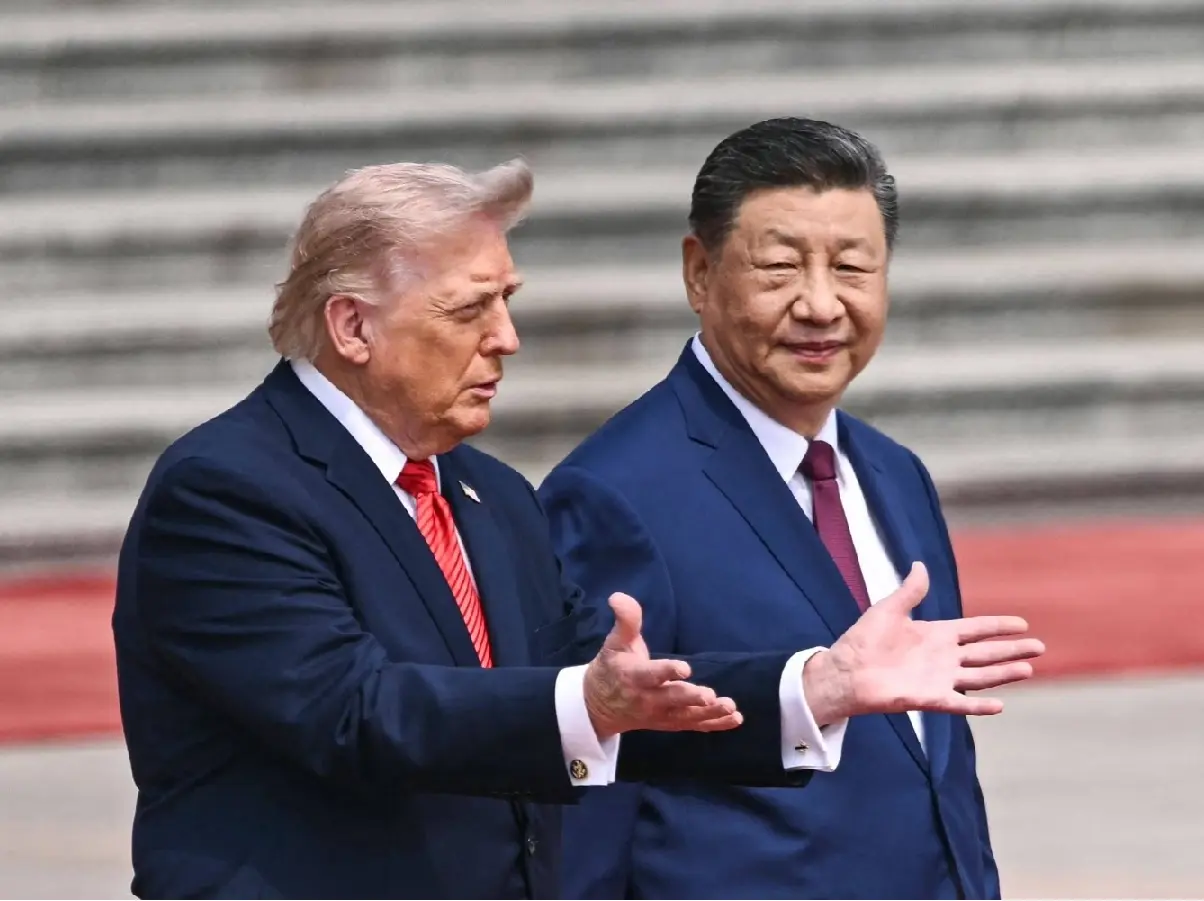
Donald Trump is returning to the UN with greater command, unlike his first mocked speech. Leaders now treat him seriously, seeing him as unpredictable but holding major global influence.
When Donald Trump first took the stage at the United Nations General Assembly during his first term, he ridiculed globalism and sparked mockery from world leaders in the room. This time, as he returns to the UN podium in his second presidency, the tone could not be more different. Instead of smirks and eye-rolls, foreign leaders are offering Trump flattery, gifts, and even Nobel Peace Prize nominations.
Also read | $300m a plane: What makes the F-47 the costliest fighter jet yet? How fast will it be, and when will it fly?
What has changed since Trump’s first UN speech?
During his earlier years in office, Trump was often treated as unpredictable but manageable. Leaders believed they could steer him with careful words or humour. Now, officials admit that this approach no longer works. “None of this is amusing any more. Nor do the other leaders still believe they can manage Trump. They’re still trying, but he’s showing an unpredictability this time that no amount of compliments and gifts is going to change,” one senior European official told Politico.
Why are world leaders treating Trump differently now?
At least seven leaders have formally nominated or endorsed Trump for the Nobel Peace Prize. Despite his “America First” rhetoric, US influence is more vital to allies than at any time in recent years. And yet, Trump’s foreign policy looks very different.
Trending Stories
)
)
)
)
)
)
)
)
)
)
)
&im=FitAndFill=(700,400))
)
)
)
)
)
)
)
)
)
)
)
)
)
)
)
)
)
&im=FitAndFill=(700,400))
)
)
)
)
)
)
How is Trump positioning himself at the UN?
Trump’s team says his speech this year will focus on “American strength.” Those familiar with the plans say it is designed as a serious expression of his worldview, questioning multilateral institutions, wary of traditional alliances, but more self-assured than before. He has used global forums not only to project power but also to attack his predecessor, Joe Biden.
Where has Trump’s diplomacy worked, and where has it failed?
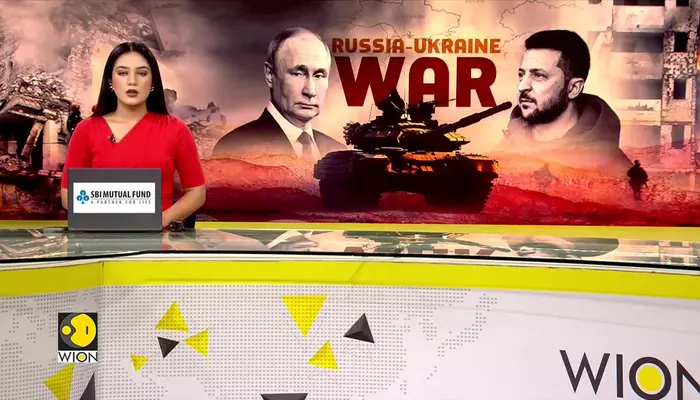
Trump’s style of announcing big deals first and working out the details later has had mixed results. His team has found success in reviving stalled talks, such as between Armenia and Azerbaijan, or Rwanda and the Democratic Republic of Congo. But on the major wars he pledged to end quickly, Russia-Ukraine and Israel-Hamas, there has been little progress.
The fact that no one is laughing at Trump this time is not a sign of respect alone. It also reflects anxiety. Leaders may flatter him to avoid being hit by tariffs or political threats, but behind closed doors, they are concerned.
